 Ozikoro
Biography · Published history
Dr Alban: An Igbo Pioneer in Contemporary Music
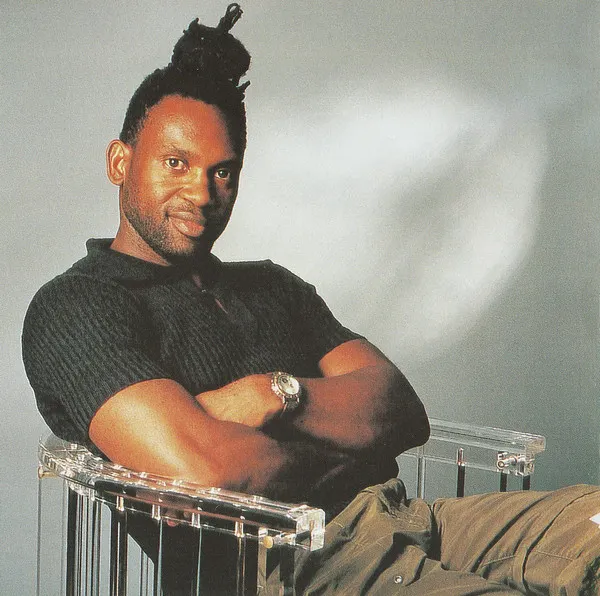
In the vast rhythm of world music, few beats are as distinctive as that of Dr. Alban Uzoma Nwapa, the Nigerian-born, Sweden-based musician who carried the Igbo spirit into the global pop stage of the 1990s. Known for his chart-topping hit “It’s My Life”, Dr Alban is not just a singer but a cultural messenger whose sound bridges Africa and Europe.
The written record
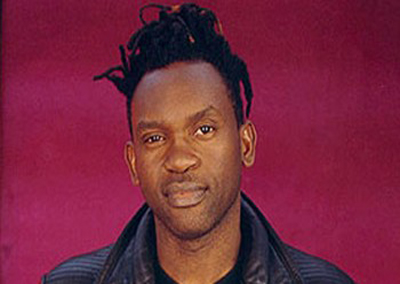
His journey from a young boy in Enugu State to an international superstar reflects the Igbo proverb, “Ọkụkọ na-egbu ewu anaghị akwụsị ịkpa ákwá” (The hen that kills a goat does not stop crowing). It reminds us that greatness always announces itself, no matter where it is born.
Historical context
Early Life: From Enugu to Europe
Born August 26, 1957, in Enugu, southeastern Nigeria, Dr Alban Uzoma Nwapa grew up in a traditional Igbo household that valued education, discipline, and community. His father was a respected local figure, and his family name, Nwapa, echoes the same cultural pride as that of the renowned Igbo novelist, Flora Nwapa.
In his youth, Alban was surrounded by the sounds of highlife, juju, and traditional Igbo music. These rhythms planted in him a deep sense of identity that would later resurface in his art.
Seeking education and opportunity, he moved to Sweden in the late 1970s to study dentistry at the University of Stockholm. But even as he buried himself in textbooks, the music of his homeland whispered to him at night. The Igbo proverb says, “Anaghi agba oso ka e jiri mara dike” (A hero is not known by how fast he runs but by his courage). Alban’s courage was in chasing two dreams; science and music, and excelling in both.
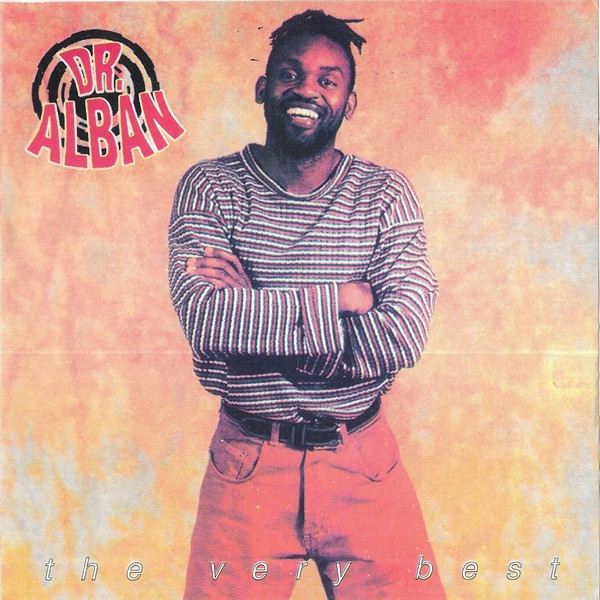
Becoming “Dr. Alban”
While studying in Sweden, Alban worked as a DJ to support himself. He soon became popular in Stockholm’s club scene, known for mixing reggae, Afrobeat, and dance music. His deep voice, rhythmic presence, and Nigerian flair distinguished him from others.
The name “Dr. Alban” came naturally, both a reference to his medical background and his professional identity as a DJ. After earning his degree, he opened a dental clinic in Stockholm but continued to perform in nightclubs.
His dual life as dentist and musician fascinated many. He once said in an interview, “Dentistry gave me focus; music gave me freedom.” That combination, discipline from his Igbo upbringing and creativity from his soul, would soon catapult him into stardom.
Global Breakthrough: “It’s My Life”
In 1990, Dr Alban met Denniz Pop, a Swedish producer who recognised his potential. Together, they created a sound that fused African rhythm, reggae undertones, and Eurodance energy. The result was the single “Hello Afrika” (1990), a proud anthem celebrating African identity and unity.
But it was the song “It’s My Life” (1992) that turned him into a global superstar. The song topped charts across Europe, reaching audiences in over 50 countries. Its empowering message, of independence, dignity, and self-belief, echoed the Igbo worldview that says, “Onye kwe, chi ya ekwe” (If one agrees, his personal god agrees too).
The song became more than a hit; it became a declaration of self-worth for an entire generation. To millions, Dr Alban was the African voice that danced across the world, proudly proclaiming that one could be both Igbo and international.
The Igbo Philosophy in His Music
Even as his fame grew, Dr Alban never abandoned his roots. His songs carried messages of peace, love, and justice, values deeply embedded in Igbo cosmology. He addressed racism, poverty, and social inequality through danceable beats, proving that music can heal and unite.
In “Sing Hallelujah!”, he merged gospel energy with dance rhythms, invoking spiritual joy that resonates with the Igbo saying, “Ebe onye dara, ka chi ya kwaturu ya” (Where a person falls is where his god helps him rise).
His music was a blend of Afro-consciousness and Western modernity. He embodied the Igbo Renaissance spirit, adaptable yet rooted, global yet local. While others saw success as escape, Alban saw it as a platform to tell the world, “This is who we are.”
Philanthropy and Legacy
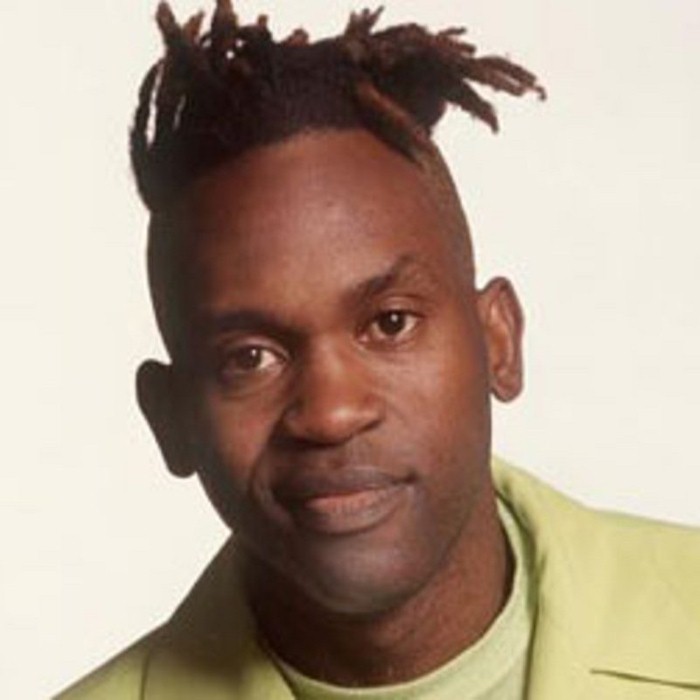
Beyond music, Dr Alban has been a consistent advocate for social change. He has used his platform to promote African unity and cultural pride, often speaking about the strength of his Igbo heritage.
In interviews, he highlights how his upbringing instilled humility, persistence, and vision. “Being Igbo means never forgetting where you came from,” he once said, echoing the proverb, “Akwụkwọ ndụ adịghị agwụ agwụ” (The story of life never ends).
His success also paved the way for later Afro-European artists, inspiring the global Afrobeat wave of the 2000s and 2010s. Though based in Sweden, he remains a Nigerian at heart, often returning home to support music initiatives and youth development.
Dr Alban and Cultural Identity
Dr Alban represents the diasporic Igbo consciousness, one that thrives across borders while keeping the ụmụnna (kinship) spirit alive. He has shown that Igbo identity is not limited by geography but expanded through creativity.
His ability to merge Afro rhythms with European soundscapes mirrors the adaptability of the Igbo people themselves, known for their entrepreneurial drive and cross-cultural influence. In him, we see the meeting of ọdịnala (tradition) and ọganihu (progress).
Through songs like “Let the Beat Go On” and “Born in Africa”, he continually reminds the world that African identity is dynamic, proud, and universal.
Later Life and Enduring Impact
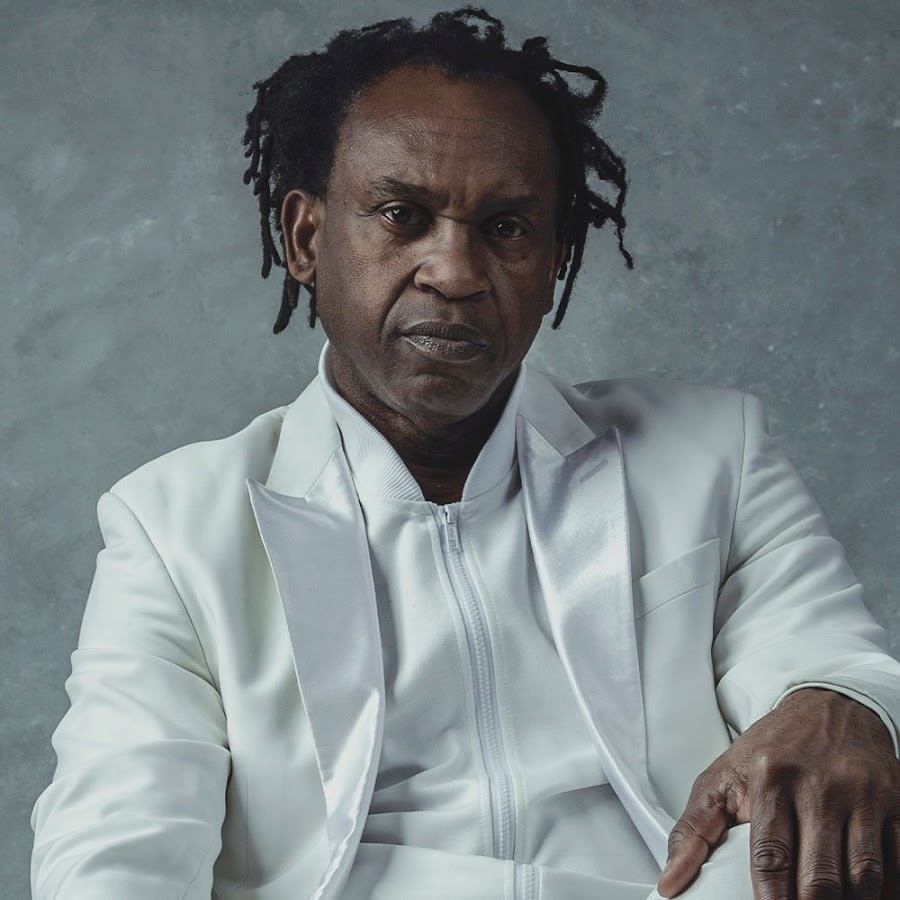
Today, Dr Alban continues to perform across Europe, celebrating decades of musical success. Though his fame peaked in the 1990s, his songs remain timeless anthems of positivity and resilience.
As he celebrated his 68th birthday in 2025, the global music community honoured him not only as an entertainer but as a pioneer of African identity in world pop. His career stands as testimony to the saying, “A kọrọ n’ụgbọ mmiri, a kpọrọ n’ala” (What is told on the sea will also be told on land). His story, born in Enugu and told across continents, continues to echo in generations of artists.
Dr Alban’s journey is one of transformation, from Igbo roots to global rhythm, from dentistry to destiny. He represents the power of cultural self-awareness in shaping universal art.
Like an ọjà (flute) that calls the village together, his music gathers people of all races and languages into harmony. His life is proof that the Igbo spirit, resilient, inventive, and boundlessly expressive, can sing its way into every corner of the world.
In the end, Dr Alban stands as more than a musician; he is a cultural bridge, a voice of hope, and a reminder that, “Ọzọ emeghị, e mee ọzọ” (If one thing is not done, another can be done). His story is the melody of perseverance and the rhythm of Igbo greatness.
Sources and references
- Bigroom.eu. (n.d.). Dr. Alban Biography .
- DrAlban.net. (n.d.). Biography of Dr. Alban .
- Last.fm. (n.d.). Dr. Alban Wiki .
- Pantheon. (n.d.). Dr. Alban Profile .
- Tekedia. (2025). Nigerian-born Swedish music legend Dr. Alban Uzoma Nwapa celebrates his 68th birthday .
- Wikipedia. (n.d.). Dr. Alban .
Cite this article
Discussion
Sign in to join the discussion
Comments are checked by an editor before they appear. Leave a source or a correction and it is read first.
Continue reading
No comments yet
Nothing has been approved on this record yet. Comments are checked by an editor before they appear, so one written now shows on this page after that check.