 Ozikoro
 Biography · Published history
Ebele Ofunna-Amaka Okeke, the First Female Civil Engineer in Nigeria’s East Central State

Engineer Ebele Ofunna-Amaka Okeke is one of Nigeria’s pioneering women in engineering, an achiever who broke cultural, academic, and gender barriers at a time when engineering was overwhelmingly male-dominated. In 1972, at only 23 years old, she was recognized as the first female civil engineer in the East Central State of Nigeria (present-day Anambra, Enugu, Imo, Abia, and Ebonyi States). Her story, captured in a 1972 edition of Woman’s World magazine, reflects not only personal brilliance but also the emergence of women into technical professions in post-war Eastern Nigeria.
The written record
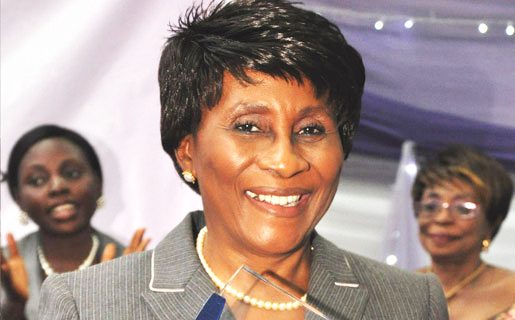
Photo credits; pmnews Nigeria.
Okeke would later rise to national prominence, eventually becoming the Head of the Nigerian Civil Service (2007–2008), the first woman to hold the office. Her life shows how one young woman’s determination to study civil engineering helped transform Nigerian professional space for women.
Historical context
Early Life and Family Background
Ebele Ofunna-Amaka Okeke was born in Mbanoagu Otolo, Nnewi, in the former East Central State. The Okeke family was academically oriented: one of her uncles was an electrical engineer with the Nigerian Railway Corporation, and another was a medical doctor. Growing up in a family that valued education and excellence helped shape her resolve to pursue a path rarely considered appropriate for women in the 1960s.
Her mother, Mrs. Janet Okeke, a textile designer and entrepreneur, also played an influential role. She travelled overseas several times for advanced coursework, taking her children along. This exposure contributed significantly to Ebele’s worldview and confidence, as revealed in the original Woman’s World article.
Education
Okeke’s foundational studies took place in Nigeria before she travelled to the United Kingdom. According to the 1972 feature article, she enrolled at the: University of Southampton, England, where she received her B.Sc. (Hons) in Civil Engineering. At the time of her admission in 1968, she was reportedly the only woman, African or European studying civil engineering in her department. Her success was therefore exceptional in both racial and gender terms. Her specialization was public health engineering, with further academic interest in traffic engineering and road construction.
During her five years of study in the UK, she travelled widely to Cambridge, Boston, New York, France, Belgium, and West Germany, taking additional courses in design and attending engineering-related workshops.
Career Beginnings: A 1972 Breakthrough
After completing her degree, she secured an engineering position with: Sandford Fawcett Wellington and Bell, a public health engineering firm in London.
At the time the magazine article was written, Okeke lived in London and maintained a professional office, with plans to return to Nigeria after gaining enough field experience. She never saw engineering as a profession reserved for men: “It will be wrong to assume that engineering is not a job for women when these days women are studying everything men study.” Ebele Okeke said.
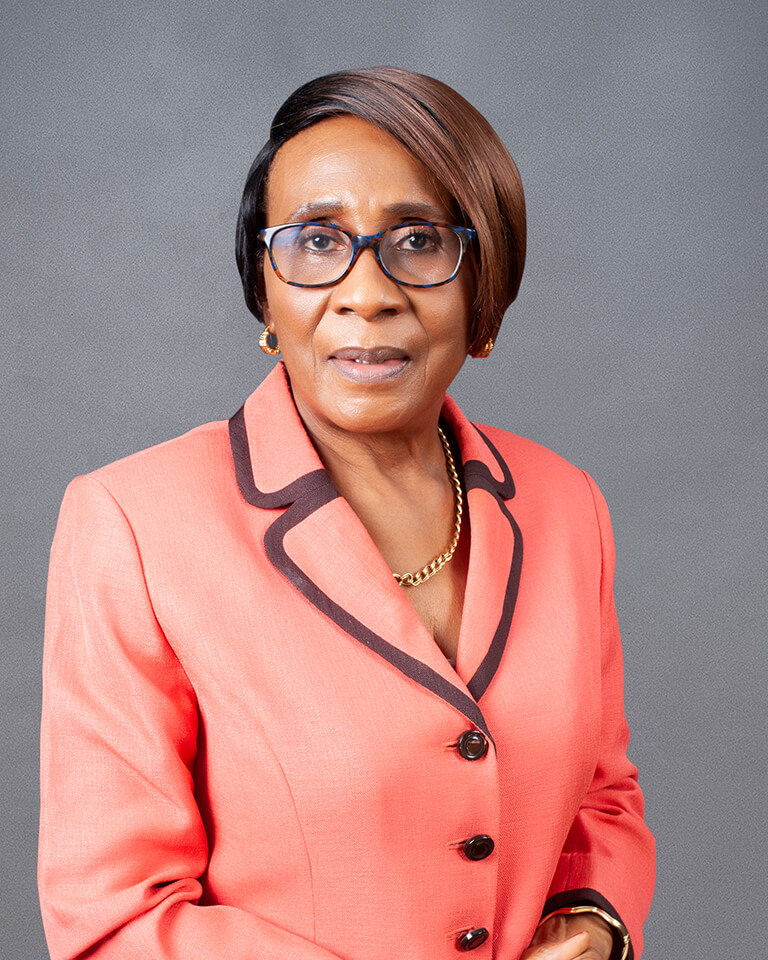
Photo credits; Public domain.
Breaking Barriers in Nigeria’s East Central State
Upon her return to Nigeria, Okeke became officially recognized as the first female civil engineer of the East Central State. This was a monumental achievement, considering:
- The scarcity of female engineers in Nigeria at the time
- Post-civil-war reconstruction needs
- A cultural environment where many parents discouraged daughters from technical professions
The East Central State chapter of the Nigerian Society of Engineers (NSE) publicly celebrated her achievement. NSE official M. M. Okafor described her accomplishment as a proud moment because “ladies will excel in engineering,” especially in the design and drawing stages of civil engineering.
Professional Philosophy and Personal Values
The 1972 article reveals much about her character:
1. Determination and Work Ethic
She stated: “I really worked very hard to obtain my degree. Engineering is not an easy course.”
2. Confidence and Self-Respect
When asked about marriage, she replied simply: “I shall get married sometime. I am a healthy lady.” She declined to discuss sex or romantic relationships, emphasizing professionalism.
3. Independence
She advised Nigerian girls studying abroad not to depend solely on men for financial support: “Every girl should find something to do.”
4. Fashion and Self-Expression
She was fashionable and confident, but she rejected stereotypes about Nigerian girls and “hot pants” abroad. The article detailed a humorous exchange where she explained that she had once worn mini dresses and hot pants until she was advised against wearing them in Enugu hospitals.
Career Growth and National Leadership
Ebele Ofunna-Amaka Okeke went on to achieve national acclaim.
- Head of the Nigerian Civil Service
In 2007, she became Nigeria’s Head of the Civil Service of the Federation, the first woman to do so.
During her tenure, she championed professionalism in public administration, women’s participation in leadership, modernization of the civil service, training programs for engineers in government service
- Later Achievements
She also became:
- A Fellow of the Nigerian Society of Engineers,
- A Fellow of the Nigerian Academy of Engineering,
- A life-long mentor to women in STEM fields.
- Her international engagements included partnerships with UNDP, ECOWAS, and other development agencies focused on infrastructure and governance.
Legacy and Cultural Significance
Ebele Amaka Okeke’s legacy rests on three pillars:
1. Pioneer for Nigerian Women in Engineering
She helped break the gender barrier at a time when engineering was overwhelmingly male.
2. Role Model for Eastern Nigerian Girls
Her 1972 media coverage inspired countless girls in the East Central State recovering from the civil war.
3. Icon of Professional Discipline
Her blend of humility, academic excellence, and elegance reshaped how Nigerian society viewed female engineers. Today, engineering associations and women-led STEM groups cite her as a foundational figure in their history.
Engineer Ebele Ofunna-Amaka Okeke’s early career marked a significant breakthrough in Nigeria’s social and technical history. As the first female civil engineer of the East Central State, she entered a field that offered few pathways for women and established herself through intelligence, hard work, and confidence. Her later ascent to the top of Nigeria’s public service underscores the depth of her competence and leadership. From the young woman celebrated in Woman’s World magazine in 1972 to a national figure shaping Nigerian governance, her story remains a powerful testament to what is possible when talent meets opportunity and courage.
Sources and references
- Amaku, S. (1972, October). A Stunning Breakthrough: Miss Ebele Ofunna-Amaka Okeke. Woman’s World Magazine, pp. 6–7.
- Ajumobi, K. (2019, November 8). Women in Business: Ebele Okeke (CFR, OON). BusinessDay.
Cite this article
Discussion
Sign in to join the discussion
Comments are checked by an editor before they appear. Leave a source or a correction and it is read first.
Continue reading
No comments yet
Nothing has been approved on this record yet. Comments are checked by an editor before they appear, so one written now shows on this page after that check.