 Ozikoro
 Biography · Published history
Ebitu Ukiwe – Life and Legacy
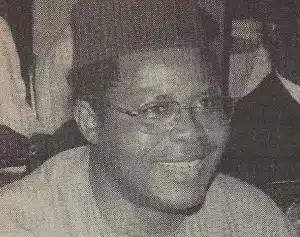
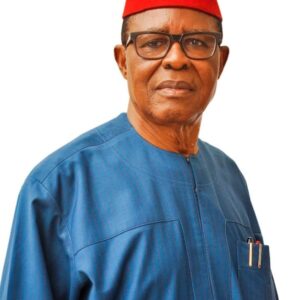
The political and military history of Nigeria contains many influential figures whose leadership shaped the nation’s trajectory during both colonial and post-colonial periods. Among these personalities is Ebitu Ukiwe, a retired Commodore of the Nigerian Navy who served as Nigeria’s de facto Vice President during the military regime of General Ibrahim Babangida from 1985 to 1986. Ukiwe’s career spans decades of service in the Nigerian military, political leadership in two states, and later involvement in democratic advocacy and business. His life illustrates themes of resilience, leadership, and principled governance in Nigeria’s complex political history. This essay examines the life, career, and enduring legacy of Ebitu Ukiwe within Nigeria’s military, political, and social spheres.
The written record
Historical context
Early Life and Background
Ebitu Ukiwe was born on October 26, 1940, in Abiriba, in present-day Abia State, Nigeria. He was born into a respected royal family; his father, Chief Ebitu Ukiwe, was a traditional ruler and served as head of the old Bende Division Local Government Appeal Court. This aristocratic background exposed him early to leadership, governance, and community responsibility.
His early education took place at Presbyterian School in Abiriba and later at Duke Town School in Calabar. Ukiwe further attended secondary institutions including Enuda College in Abiriba, where he obtained the West African School Certificate. These early academic experiences prepared him for a career in public service and military leadership. Like many young Nigerians during the years leading to independence, Ukiwe was attracted to the opportunities offered by the armed forces. In 1960, the same year Nigeria gained independence, he joined the Nigerian Navy as an officer cadet and later trained at Britannia Royal Naval College in Dartmouth, England, where he received professional naval training. His training in Britain equipped him with advanced naval skills and exposed him to international military standards.
Naval Career and the Nigerian Civil War
Ukiwe’s naval career began shortly after Nigeria’s independence and developed during one of the most turbulent periods in the country’s history. After commissioning as a naval officer in 1964, he served aboard several naval vessels and held operational positions within the Nigerian Navy.
The Nigerian Civil War (1967–1970), also known as the Biafran War, profoundly shaped his career. During the conflict, Ukiwe defected to the Biafran Armed Forces and served in naval operations supporting the secessionist state of Biafra. He reportedly commanded gunboats and participated in operations in the creeks and coastal waters around Port Harcourt.
After the war ended in 1970, the Nigerian government adopted a policy of “No victor, no vanquished,” allowing many former Biafran officers to be reintegrated into the national armed forces. Ukiwe was among the few Igbo officers who were readmitted into the Nigerian Navy in 1972, marking a significant step in post-war reconciliation and national rebuilding.
Rise in Military Leadership
Following his reintegration into the Nigerian military, Ukiwe’s career advanced rapidly. He held several strategic naval commands and administrative positions. In 1977, the administration of Olusegun Obasanjo appointed him Military Governor of Niger State. During his tenure, he focused on improving state administration and infrastructure while navigating the challenges of military governance. In 1978, he was transferred to Lagos State, then Nigeria’s capital, where he served as Military Governor until 1979, just before Nigeria returned to civilian rule.
Ukiwe also served in the Supreme Military Council, the highest decision-making body during Nigeria’s military governments. Later, he was appointed Flag Officer Commanding Western Naval Command, a major operational leadership position within the Nigerian Navy.
Chief of General Staff and Nigeria’s De Facto Vice President
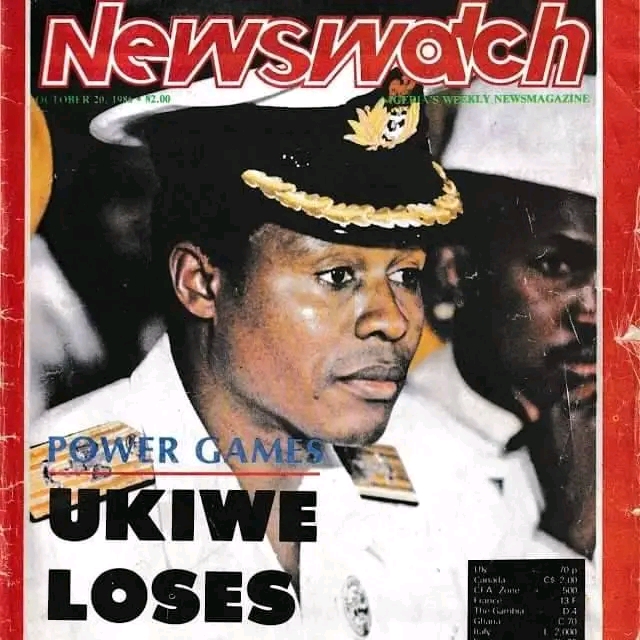
In August 1985, a military coup brought General Ibrahim Babangida to power. Following the coup, Babangida appointed Ukiwe as Chief of General Staff, effectively making him the second-in-command of the military government. As Chief of General Staff from 1985 to 1986, Ukiwe played a critical role in shaping national policies and managing the operations of the military government. However, his tenure ended abruptly when he reportedly opposed Nigeria’s decision to join the Organisation of Islamic Cooperation (OIC), a move he believed could compromise the country’s secular character. His removal from office in October 1986 was widely interpreted as evidence of his principled stance and willingness to challenge controversial decisions within the military hierarchy.
Post-Military Career and Democratic Advocacy
After retiring from the Nigerian Navy in 1986, Ukiwe transitioned into private business and civic engagement. He became chairman of several companies, including Bitu Properties and Kobimat Limited, and served as a consultant to international oil companies such as Statoil.
Beyond business, Ukiwe remained active in national political discussions. During Nigeria’s struggle for democracy in the early 1990s, he supported pro-democracy movements advocating the recognition of the annulled 1993 presidential election won by Moshood Kashimawo Olawale Abiola.
He also became associated with political reform initiatives and national dialogue groups advocating constitutional restructuring and equitable governance within Nigeria.
Recognition and Honors
Throughout his life, Ukiwe has received numerous honors recognizing his contributions to Nigeria. He holds traditional titles in Igbo society, including the prestigious “Ochiagha” title in Abiriba, reflecting his status as a respected elder and community leader.
In addition, he was conferred with the national honor of Grand Commander of the Order of the Niger (GCON), one of Nigeria’s highest national distinctions.
Legacy and Historical Significance
The legacy of Ebitu Ukiwe lies in several key areas. First, his military career demonstrates resilience and national reconciliation, particularly through his reintegration into the Nigerian Navy after the civil war. Second, his leadership roles as military governor and Chief of General Staff highlight his influence on Nigeria’s political development during the military era.
Perhaps most importantly, Ukiwe is remembered for his reputation for integrity and principled leadership. Many political observers describe him as an elder statesman whose commitment to national unity and democratic ideals continues to inspire younger generations. His life also reflects the broader story of Nigeria’s transition from colonial rule to military governance and eventually toward democratic consolidation. Ebitu Ukiwe’s life represents a unique blend of military professionalism, political leadership, and civic responsibility. From his early days as a naval officer to his role as Nigeria’s second-in-command during a pivotal period in the country’s history, Ukiwe demonstrated resilience, courage, and dedication to national service. His contributions to governance, military administration, and democratic advocacy have left an enduring mark on Nigeria’s political landscape. Today, he remains a respected elder statesman whose legacy continues to influence discussions about leadership, integrity, and national unity in Nigeria.
Sources and references
- BLERF. (2017). “Ukiwe, Commodore Okoh Ebitu (Rtd)”. Biographical Legacy and Research Foundation.
- Daily Post. (2021). “Abia: Gov Ikpeazu salutes ex-military Gov, Ebitu-Ukiwe at 81”.
- Manpower Nigeria. (2023). “Ebitu Ukiwe biography, age, career and profile”.
- Afnews. (2020). “Ebitu Ukiwe at 80: The celebration of integrity and core values”.
Cite this article
Discussion
Sign in to join the discussion
Comments are checked by an editor before they appear. Leave a source or a correction and it is read first.
Continue reading
No comments yet
Nothing has been approved on this record yet. Comments are checked by an editor before they appear, so one written now shows on this page after that check.