 Ozikoro
 Biography · Published history
Edward Wilmot Blyden: The Pan-Africanist Visionary with Igbo Ancestry
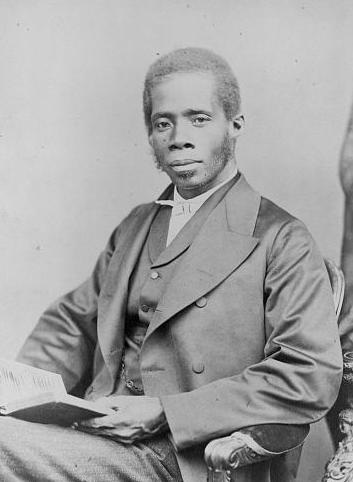
Edward Wilmot Blyden, (3 August 1832 – 7 February 1912) is arguably one of the most influential figures in Pan-African history and honoured for his intellectual contributions and efforts to boost African identity and dignity. Yet, of the many layers forming his story, his Igbo ancestry-a lineage which linked him to the rich cultural traditions of present-day Nigeria-remains an integral yet often underemphasized element of his legacy.
The written record
Historical context
Early Life and Igbo Heritage
Blyden was born in Saint Thomas, a colony in the Danish West Indies—present-day US Virgin Islands. His parents were free Black people with Igbo roots from Nigeria. The Igbo people are known for being strong and having very strong community values, which must have influenced Blyden’s vision.
He spent his early life in a Jewish quarter, witnessing various cultures and traditions. His family migrated to Venezuela during the 1840s, and it was there that he learned Spanish. All these moving and readjusting experiences helped to mould his ideologies concerning African unity. He relocated to Liberia, where he was educated.
The Journey to Liberia and Education
As a young man, Blyden met Reverend John P. Knox, an American minister who believed in him and encouraged him to study in the United States. However, Blyden was refused by schools there because of racism. That refusal changed his life. Reverend Knox encouraged him to proceed to Liberia, a country in West Africa set up for freed Black people.
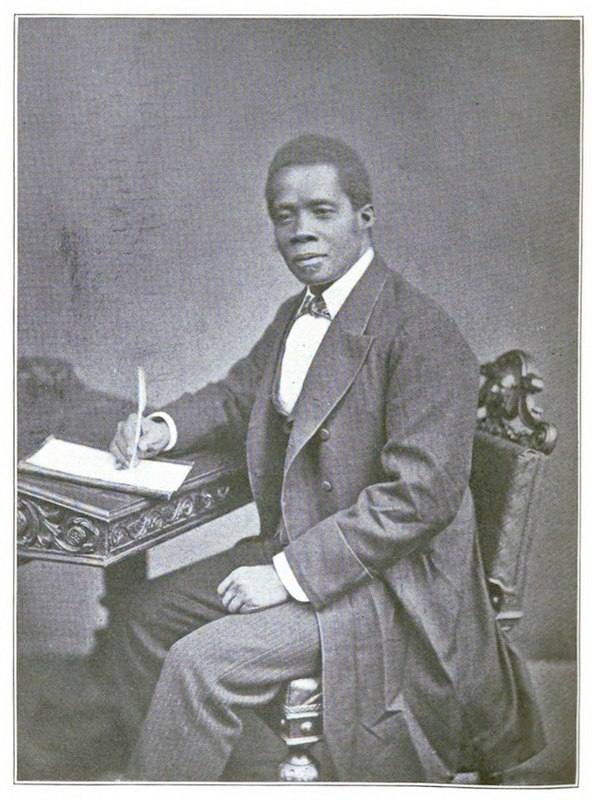
In 1850, Blyden went to Liberia, where he felt he had a purpose. He worked hard to learn, studying religion, geography, and languages. He became a teacher, a journalist, and the head of Alexander High School in Monrovia. He was the leader of Pan-Africanism.
Pan-Africanism and Advocacy for Africa
Blyden emerged as a leader in the Pan-African movement. His Igbo background and African heritage infused him with a conviction concerning the worth and dignity of African people. He called this idea the “African Personality.”
Indeed, in his book Christianity, Islam, and the Negro Race (1887), Blyden stated that Islam was better suited for Africa than Western Christianity. He felt that Christianity, as practised in the West, generally looked down on African traditions. On the other hand, he considered Islam to be respectful of African culture.
Blyden also advocated for African Americans’ return to their ancestral homeland, urging them to play an important role in the continent’s revival. He likened their experiences in the diaspora to the Jewish diaspora, drawing inspiration from Zionist ideals and encouraging African solidarity and empowerment.
Diplomatic and Intellectual Contributions
Blyden held various key positions in Liberia, such as Secretary of State and Secretary of the Interior. He was also ambassador to Britain and France. Throughout his life, he travelled extensively to support African unity and development.
Blyden’s writings were influential in shaping many upcoming leaders. People like Marcus Garvey, George Padmore, and Kwame Nkrumah furthered his dreams.
Family and Legacy
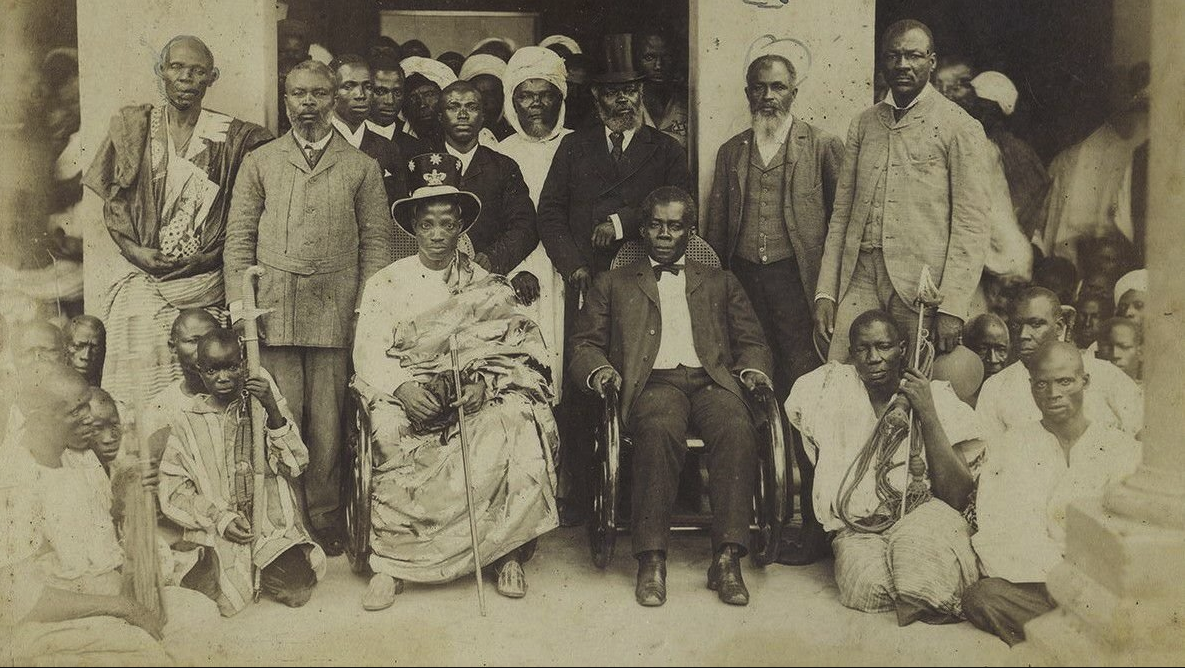
Blyden married Sarah Yates, from Americo-Liberia, with whom he had three children; he also had five by another Liberian, Anna Erskine. Several of his descendants belong to the Creole community in Sierra Leone. In his later years, Blyden made his home in Sierra Leone, where he concentrated most on education and fostering good relations between Muslims and Christians. He never ceased to labour for African pride and African unity.
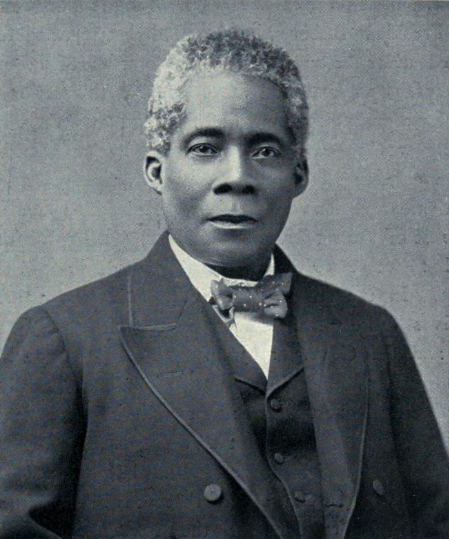
Blyden died in 1912 in Freetown, Sierra Leone, and was buried at the Racecourse Cemetery. His Igbo background—symbolising resilience and cultural depth—remains a testament to his enduring vision of African identity.
Edward Wilmot Blyden’s life was one of African pride and togetherness. His Igbo heritage and ideas of Pan-Africanism mean that culture can progress people. His works still encourage Africans to embrace their culture and team up for a brighter future.
Sources and references
- Billingsley, A. (1970). Edward Blyden: Apostle of Blackness. The Black Scholar, 2(4), 2–12.
- Blyden, R. (2007). Blyden, Edward Wilmot (1832–1912). BlackPast.org.
- Conyers, J. (2009). Edward Wilmot Blyden and the African Personality: A Discourse on African Cultural Identity. In Racial Structure and Radical Politics in the African Diaspora. Routledge.
- Lynch, H. R. (1967). Edward Wilmot Blyden: Pan-Negro Patriot, 1832–1912. Oxford University Press.
- Lynch, H. R. (1978). Selected Letters of Edward Wilmot Blyden. Oxford University Press.
Cite this article
Idenze Ezeme. “Edward Wilmot Blyden: The Pan-Africanist Visionary with Igbo Ancestry.” Ozikoro, 2024. https://ozikoro.com/edward-wilmot-blyden-the-pan-africanist-visionary-with-igbo-ancestry/Discussion
Sign in to join the discussion
Comments are checked by an editor before they appear. Leave a source or a correction and it is read first.
Continue reading
No comments yet
Nothing has been approved on this record yet. Comments are checked by an editor before they appear, so one written now shows on this page after that check.