 Ozikoro
 Biography · Published history
Erejuwa II: Navigating the Complexities of Nigerian Independence and the Mid-West Region
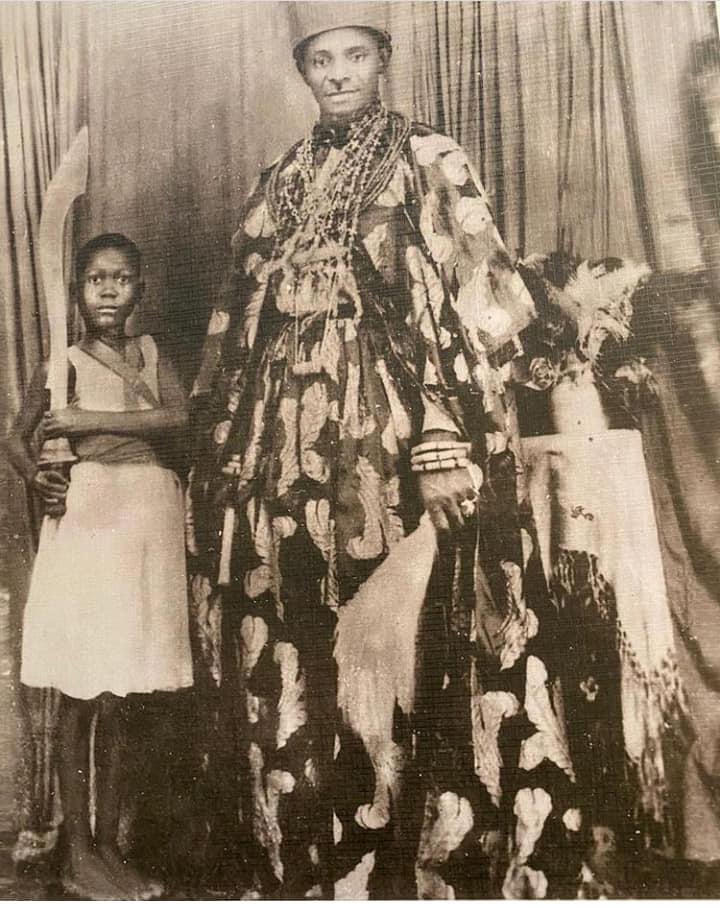
The reign of Olu Erejuwa II (1951–1989) represents one of the most politically turbulent periods in Itsekiri history. His leadership coincided with Nigeria’s transition from colonial rule to independence in 1960, the creation of the Mid-West Region in 1963, and later the political upheavals of the military era. As the 18th Olu of Warri, Erejuwa II not only faced internal disputes and ethnic conflicts but also confronted major national political crises that shaped the trajectory of the Itsekiri people.
The written record
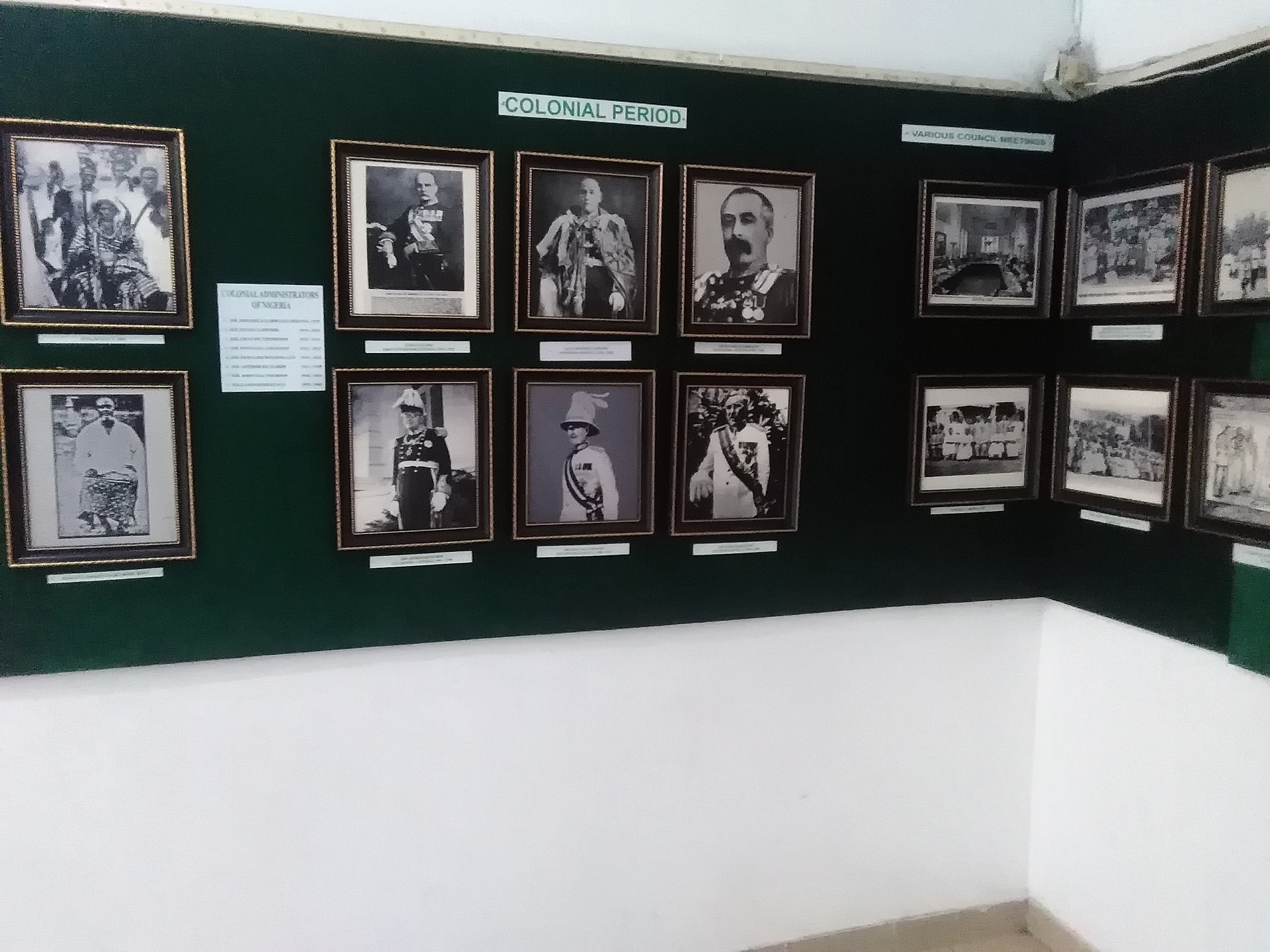
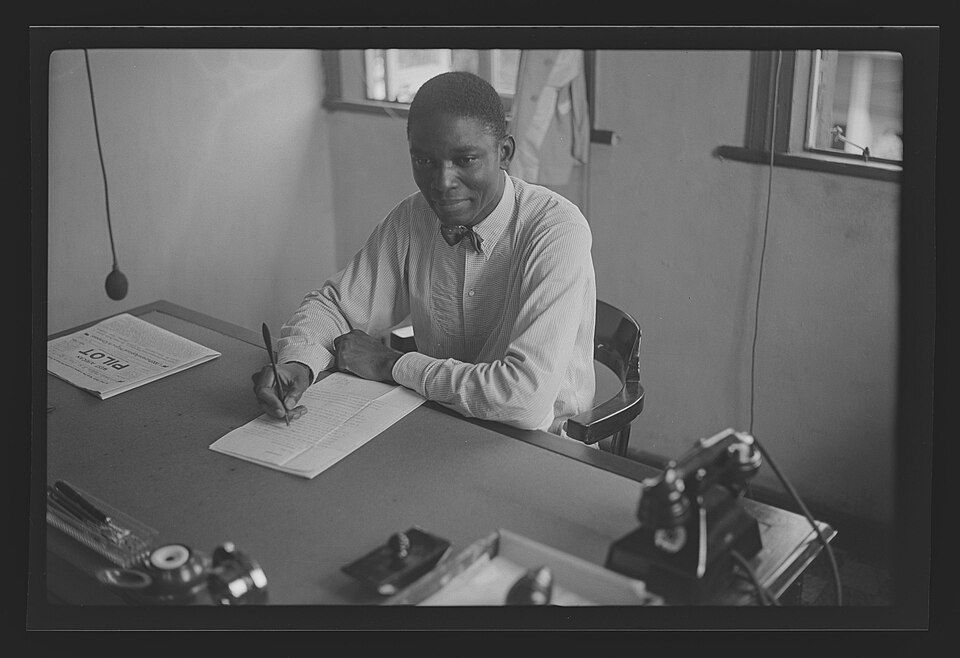
Photo credit; Olusola David & Ayibiowu via Wikimedia Commons
Historical context
Background and Early Ascension
- The Restoration of the Throne
Following the death of Olu Ginuwa II in 1949, Itsekiri political elites, chiefs, and community leaders selected and enthroned Prince Wilson Gbesimi Emiko as Olu Erejuwa II in 1951. His coronation occurred at a time when nationalist movements were gaining momentum across Nigeria, bringing new expectations for traditional rulers.
- A Kingdom at a Crossroads
By the mid-20th century, the socio-economic structure of the Warri region had evolved significantly due to increasing Christian missionary influence, the growing Nigerian nationalist movement, urban expansion in Warri, and the emerging petroleum industry.
Erejuwa II ascended the throne as both a cultural custodian and a political actor expected to mediate the changing dynamics of Itsekiri society.
The Olu and the Politics of Nigerian Independence
- Role During the Transition to Self-Government
Nigeria moved from colonial administration to self-rule between 1957 and 1960. During this period, traditional rulers who had previously worked within the British system of Indirect Rule experienced reduced political influence. Erejuwa II sought to adapt by strengthening his alliances with regional leaders and advocating for the political rights of the Itsekiri people.
- The Warri Divisional Disputes
The late 1950s witnessed rising tensions between the Itsekiri, Urhobo, and Ijaw ethnic groups over control of local governments, rights to Warri township areas, and regional political representation.
As the recognized traditional authority, Erejuwa II played a central mediating role, aiming to protect Itsekiri economic and political interests. His involvement in certain political alignments later became a source of controversy.

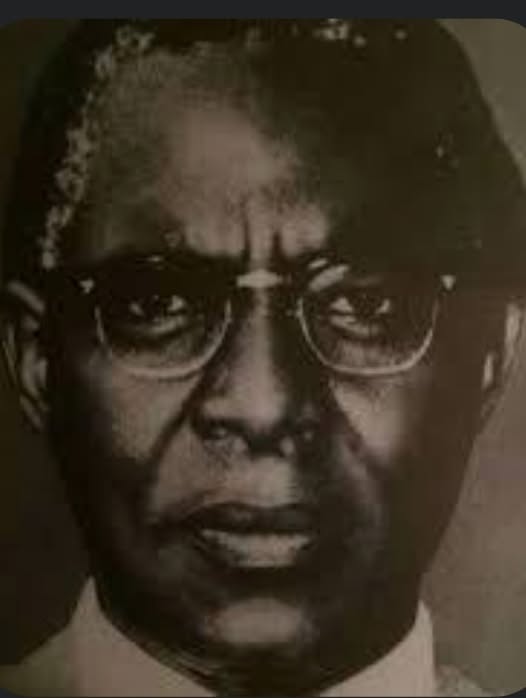
Photo credit; Berekara U. Pius via Wikimedia Commons/ Niger Delta category
Creation of the Mid-West Region and the Political Crisis
- Ethnic Politics and the 1963 Mid-West Referendum
The Mid-West Region created in 1963 from the former Western Region was composed largely of minority groups including the Urhobo, Itsekiri, Benin, Isoko, and others. While many Itsekiri leaders supported the new region, ethnic competition intensified over access to political power and economic resources.
- The Deposition of Erejuwa II
One of the most dramatic events of Erejuwa II’s reign occurred in 1964, when he was deposed by the Mid-Western government led by Chief Dennis Osadebay. His removal was based on claims of political opposition and perceived misalignment with regional government authorities. The Olu was exiled to Ode-Itsekiri, and for several years the throne remained vacant.
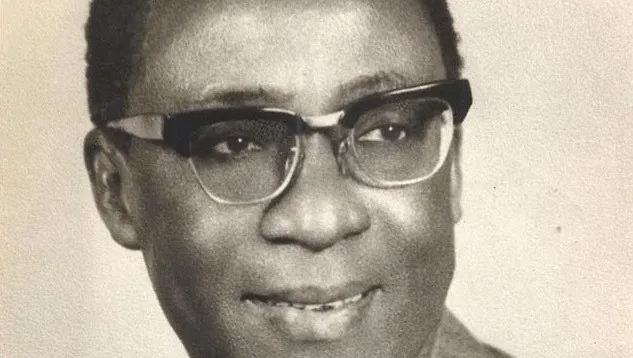
This episode is widely interpreted as politically motivated, reflecting tensions between Itsekiri elites and regional politicians. According to oral accounts and various historical studies, the Olu’s strong connections with federal authorities, especially those aligned with the Northern People’s Congress (NPC), made him a political target.
- Reinstatement After the 1966 Military Coup
When the first Nigerian military coup occurred in January 1966, the new military government reversed many political decisions of the former civilian administration. In 1966, Erejuwa II was reinstated as the legitimate Olu of Warri, a significant victory for Itsekiri and a major turning point in regional politics.
Reign After Reinstatement
- Focus on Modernization and Cultural Revival
Following his return, Erejuwa II pursued a more culturally grounded and less politically confrontational reign. He invested in the revitalization of palace societies such as the Iwebo, strengthening traditional festivals, and documenting Itsekiri cultural history.
His goal was to re-center the throne as a unifying force.
- Relationship with the Petroleum Industry
By the 1970s and 1980s, Warri and its surrounding creeks became one of Nigeria’s most important petroleum zones. Erejuwa II frequently advocated for equitable compensation to oil-producing communities, environmental protection, and inclusion of Itsekiri professionals in the expanding oil economy.
His diplomacy with federal authorities and oil companies shaped early negotiations on community rights.
- Conflict Mediation
Interethnic tensions in Warri resurfaced periodically, especially in relation to land ownership and oil revenue allocation. Erejuwa II maintained dialogue with Urhobo leaders, Ijaw chiefs, and state authorities, often emphasizing the importance of peaceful coexistence.
National Recognition and Influence
- Traditional Authority in a Modern Nation-State
Erejuwa II gained national respect as a monarch who successfully transitioned from colonial to post-colonial leadership. He served as a key consultative voice in debates concerning traditional rulers’ roles in Nigeria’s development.
- Engagement with Federal Governments
Over successive administrations from the First Republic through the military eras of Yakubu Gowon, Murtala Mohammed, and later Ibrahim Babangida the Olu maintained strong federal links. These relationships proved essential in securing infrastructural and administrative benefits for the Warri Kingdom.
- Legacy of Political Diplomacy
His long reign (38 years after reinstatement) made him one of the most influential Olus in modern history. Erejuwa II is remembered for managing delicate political tensions and preserving the prestige of the Warri monarchy.
Olu Erejuwa II’s leadership illustrates the complexities faced by traditional rulers during Nigeria’s transition from colonialism to independence and regional reorganization. His reign was marked by political conflict and exile, reinstatement and cultural revival, economic transformation driven by the oil industry, and evolving interethnic relations in the Niger Delta.
Despite these challenges, he emerged as a stabilizing figure whose diplomacy helped guide the Itsekiri through one of the most dynamic periods in their history. Today, Erejuwa II is remembered not just as a monarch, but as a pivotal actor in the political evolution of the Mid-West Region and the Nigerian nation.
Sources and references
- Afigbo, A. E. (1972). The Warrant Chiefs: Indirect Rule in Southeastern Nigeria. Longman.
- Ayomike, J. O. S. (1988). Benin and Warri: Their Relationship and the Politics of the Colonial Era. Warri: Mayomi Publishers.
- Ayomike, J. O. S. (1990). A History of Warri. Ilupej u Press.
- Ryder, A. F. C. (1965). Benin and the Europeans, 1485–1897. Longman.
Cite this article
Discussion
Sign in to join the discussion
Comments are checked by an editor before they appear. Leave a source or a correction and it is read first.
Continue reading
No comments yet
Nothing has been approved on this record yet. Comments are checked by an editor before they appear, so one written now shows on this page after that check.