 Ozikoro
 Cultural Heritage · Published history
Extended Family and Kinship Structures — Umunna (Patrilineage) Meetings, Roles of Umuada (Daughters of the Lineage), and How They Handle Disputes or Welfare
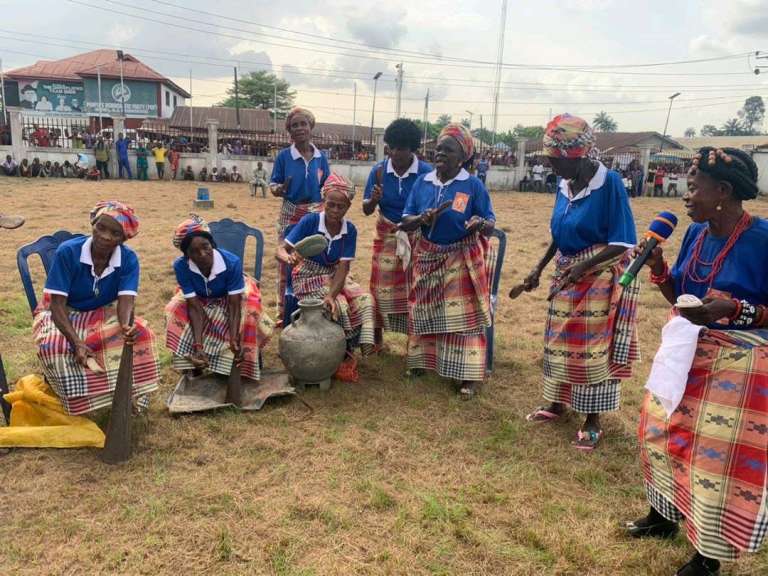
The traditional social organization of the Igbo people of southeastern Nigeria is deeply rooted in extended family and kinship structures. Unlike nuclear family systems common in many modern societies, Igbo social life revolves around large kin groups that trace descent from a common male ancestor. These kinship networks provide social identity, moral guidance, political participation, and mechanisms for conflict resolution. Two key institutions that illustrate this kinship structure are the Umunna, the patrilineage group composed of male descendants of a common ancestor, and the Umuada, the daughters of the lineage who maintain strong ties to their natal families even after marriage. Together, these institutions form a complimentary system that sustains social order, resolves disputes, and promotes communal welfare in Igbo society.
The written record
This essay examines the structure of the extended family system among the Igbo, focusing on the roles of the Umunna, the functions of Umunna meetings, the authority of lineage leaders, and the significant contributions of the Umuada in conflict resolution and community welfare.
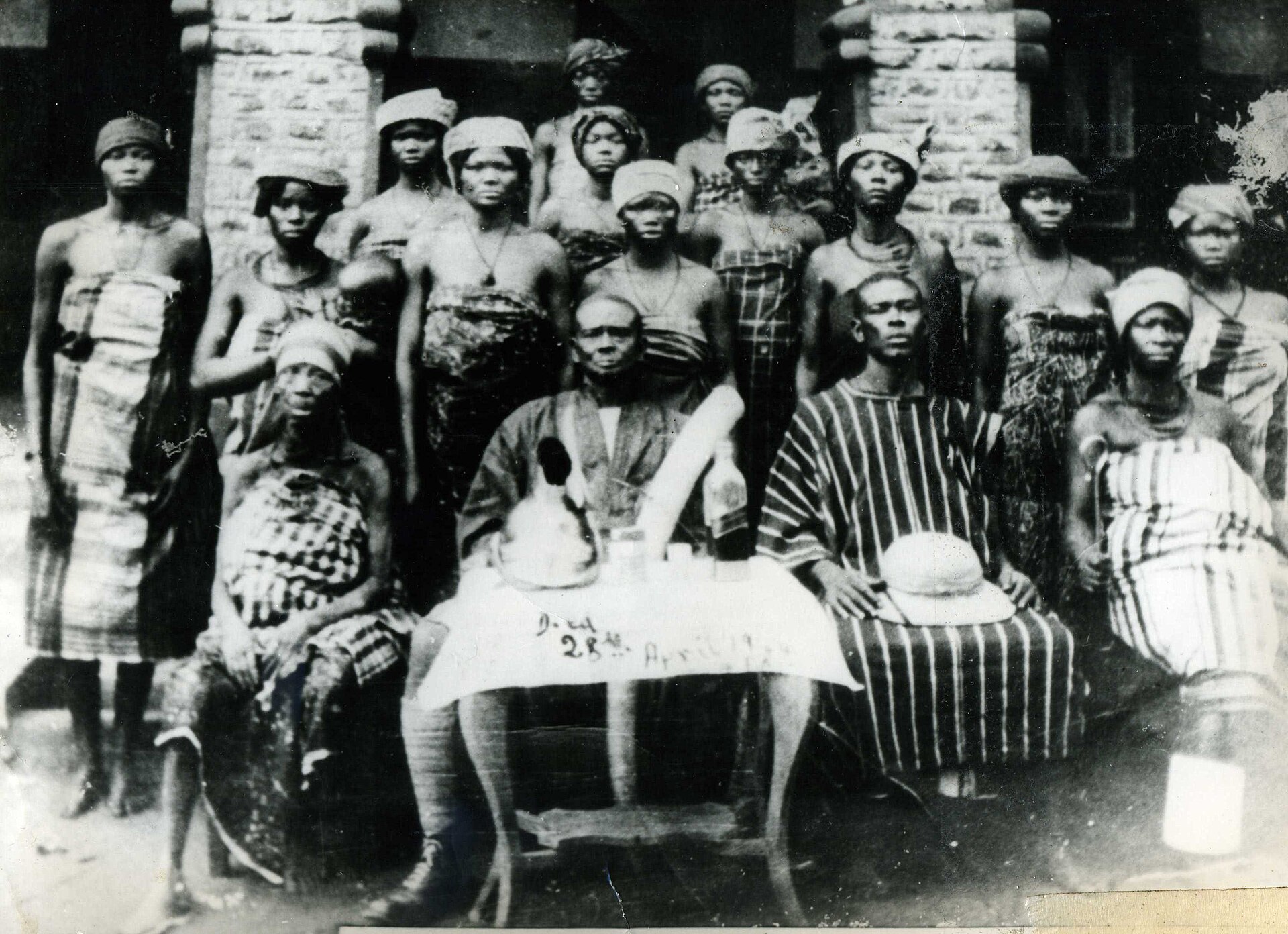
Photo credit; Wikimedia commons.
Historical context
The Concept of Extended Family in Igbo Society
In traditional Igbo society, the extended family is considered the foundation of social organization. Rather than living as isolated nuclear units, families belong to broader kinship networks that may include several generations of relatives linked through a common ancestor. These kinship networks form the patrilineage, which determines identity, inheritance, and social responsibility.
The extended family structure serves multiple functions. It acts as a system of socialization, teaching younger members the moral codes, customs, and traditions of the community. It also functions as a mechanism for social control, ensuring that individuals adhere to accepted norms and values. Disputes within households or between relatives are usually settled internally by family elders before being taken to wider community institutions.
This system reflects the Igbo philosophy that individuals are inseparable from their kinship networks. A popular Igbo proverb, “Onye aghala nwanne ya” (let no one abandon their brother) captures the communal spirit that underlies these family relationships.
The Umunna: Structure and Meaning
At the center of the Igbo kinship system is the Umunna, which literally means “children of the father.” The Umunna consists of male descendants of a common ancestor and includes multiple households within a lineage. It functions as the primary socio-political unit within the community and is responsible for maintaining order, protecting lineage property, and ensuring the welfare of members.
Each Umunna is headed by the Okpara (or Diokpala), usually the eldest male of the lineage. The Okpara serves as the custodian of ancestral traditions and holds significant ritual and social authority within the group. He presides over meetings, represents the lineage in village councils, and mediates disputes among members. The office of Okpara also carries religious responsibilities, including the care of sacred symbols such as the ọfọ, which represents truth and justice within Igbo cosmology.
The Umunna therefore functions not only as a family structure but also as a governing institution that shapes community life.
Umunna Meetings and Decision-Making
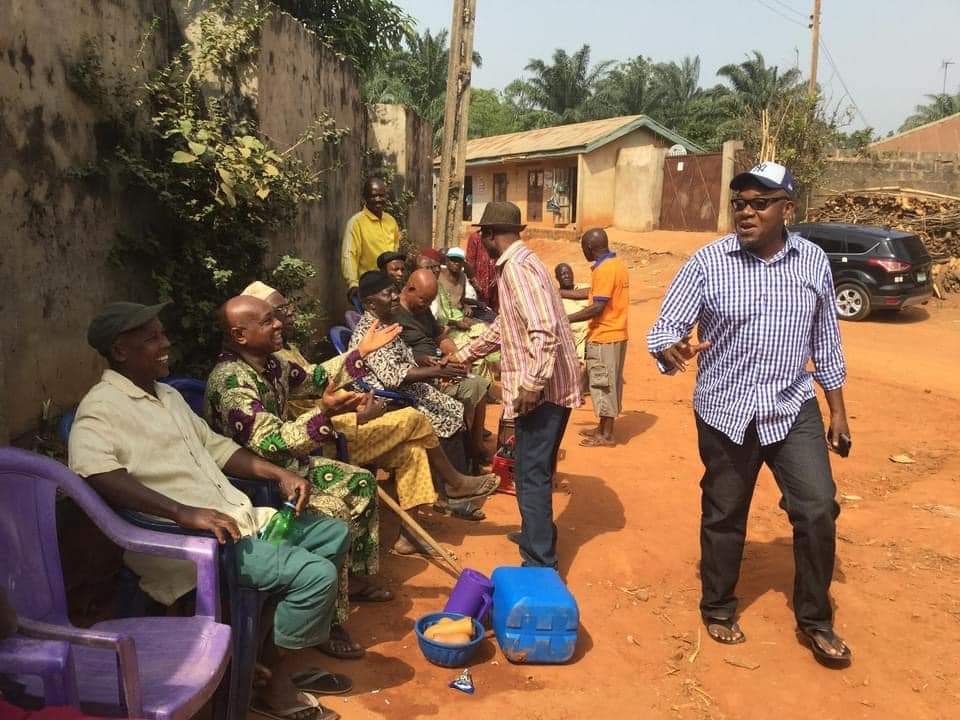
Regular meetings of the Umunna, often called “Izu Umunna,” are essential for maintaining unity and addressing issues affecting members. During these gatherings, adult male members discuss matters such as inheritance, marriage arrangements, land allocation, and disputes within the lineage.
These meetings operate on principles of participatory decision-making and consensus. Members are encouraged to express their opinions openly before elders deliberate and make final decisions. The collective nature of these discussions ensures that decisions reflect the interests of the entire lineage rather than those of a single individual.
Umunna meetings also serve social and economic functions. Members contribute resources to assist families during major life events such as weddings, funerals, or illness. In this way, the lineage acts as a welfare system that provides emotional and financial support during times of need.
Roles and Responsibilities of the Umunna
The responsibilities of the Umunna extend far beyond family gatherings. Some of their most important roles include:
- Conflict Resolution
The Umunna serves as the first court of arbitration for disputes among relatives. Issues such as marital conflicts, inheritance disagreements, and accusations of wrongdoing are presented before lineage elders. Their aim is not punishment but restoration of harmony among family members.
- Land Administration
Land ownership in traditional Igbo society is usually communal. The Umunna oversees the distribution and use of lineage land, ensuring that each family has access to farmland while preventing disputes over boundaries.
- Protection of Cultural Values
The lineage enforces cultural norms and taboos (nso ala), ensuring that members uphold the moral standards of the community. Offenders may be reprimanded, fined, or required to perform cleansing rituals to restore balance.
- Funeral and Ritual Duties
The burial of lineage members and the performance of ancestral rituals are responsibilities of the Umunna. Through these practices, the lineage maintains continuity between the living and the ancestors.
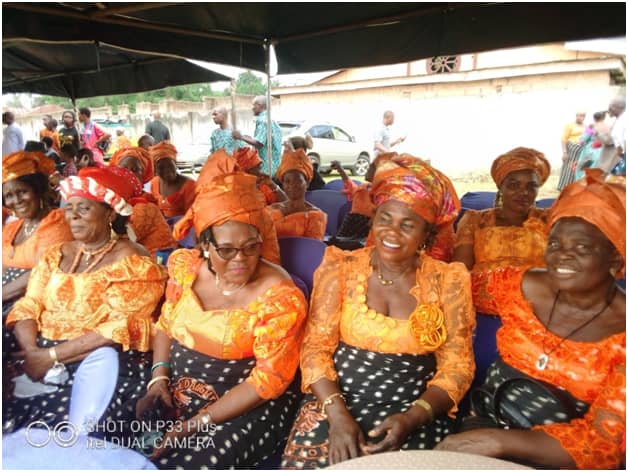
Photo credit: Ozi ikoro.
The Umuada: Daughters of the Lineage
Complementing the authority of the Umunna is the institution of the Umuada, which consists of daughters born into a lineage but married outside it. Despite living in their marital homes, these women retain strong ties to their natal families and continue to play important roles in family affairs.
The Umuada are highly respected in Igbo society because they are considered impartial mediators who can intervene in disputes without being directly involved in internal conflicts. Their status allows them to speak openly and enforce decisions in ways that male relatives sometimes cannot.
Membership in the Umuada is permanent; once a woman is born into a lineage, she remains part of it throughout her life regardless of marriage.
Roles of the Umuada in Conflict Resolution
One of the most important functions of the Umuada is peacebuilding and dispute resolution. When conflicts arise, especially those involving marriage, domestic violence, or family dishonor the Umuada may be invited to intervene.
Their interventions often involve:
- Investigating the cause of the dispute,
- Mediating discussions between conflicting parties,
- Imposing sanctions or moral pressure on offenders,
- Ensuring compliance with community norms.
Because the Umuada are considered defenders of truth and justice, their decisions carry significant moral authority within the community.
Welfare and Social Support
Beyond conflict resolution, the Umuada also contribute to the welfare of lineage members. They participate in organizing funerals, supporting families during crises, and maintaining cultural traditions. In some communities, they also supervise ceremonies such as marriage rites or festivals, ensuring that cultural protocols are respected.
Their involvement reinforces the principle that kinship extends beyond gender divisions; both men and women share responsibility for maintaining social harmony and supporting the community.
Complementarity Between Umunna and Umuada
The Igbo kinship system demonstrates a strong principle of gender complementarity. While the Umunna exercises authority in lineage administration and governance, the Umuada provide moral oversight and mediation. Together, these institutions create a balanced system that integrates male leadership with female influence. This complementary relationship ensures that disputes are handled fairly and that no group monopolizes authority. It also reflects the broader Igbo worldview that social stability depends on cooperation among all members of the community.
The extended family and kinship structures of the Igbo people, particularly the institutions of Umunna and Umuada, represent a sophisticated system of social organization that has sustained communities for generations. Through regular meetings, participatory decision-making, and collective responsibility, the Umunna ensures unity, justice, and welfare within the lineage. Meanwhile, the Umuada play indispensable roles as mediators, peacebuilders, and custodians of moral values.
Together, these institutions demonstrate how traditional Igbo society maintained social order and community welfare without centralized political authority. Even in contemporary times, the principles of kinship solidarity and communal responsibility embodied by the Umunna and Umuada continue to influence social life among the Igbo people.
Sources and references
- Kujenga Amani. (2021). Understanding gender complementarity in Igbo society: The role of Umuada and Umunna in peacebuilding.
- Ezenagu, N. (2017). Kinship structures and traditional governance among the Igbo. Journal of African Studies and Sustainable Development.
- Ozi Ikòrò Cultural Research. (2024). Umunna: The heart of Igbo kinship and community.
- Kemmy, C. (2024). The Igbo people: Social structures and justice systems.
- Legit.ng. (2024). Umuada: How this traditional Igbo sisterhood shapes communities today.
Cite this article
Discussion
Sign in to join the discussion
Comments are checked by an editor before they appear. Leave a source or a correction and it is read first.
Continue reading
Related histories
 Cultural HeritageEleven Days of Nwafor Ogidi: Inside the Festival Keeping an Old Igbo Tradition AliveRead history →
 Cultural HeritageIli Ji Nkpor Obododike: The Indigenous Agricultural Ritual CycleRead history →
 Cultural HeritageMusic and Drum Traditions: Tracing the “Igbo Drum” in the AmericasRead history →
No comments yet
Nothing has been approved on this record yet. Comments are checked by an editor before they appear, so one written now shows on this page after that check.