 Ozikoro
 Biography · Published history
Ezekiel Izuogu – Life, Legacy, and Nigeria’s Indigenous Automotive Innovation
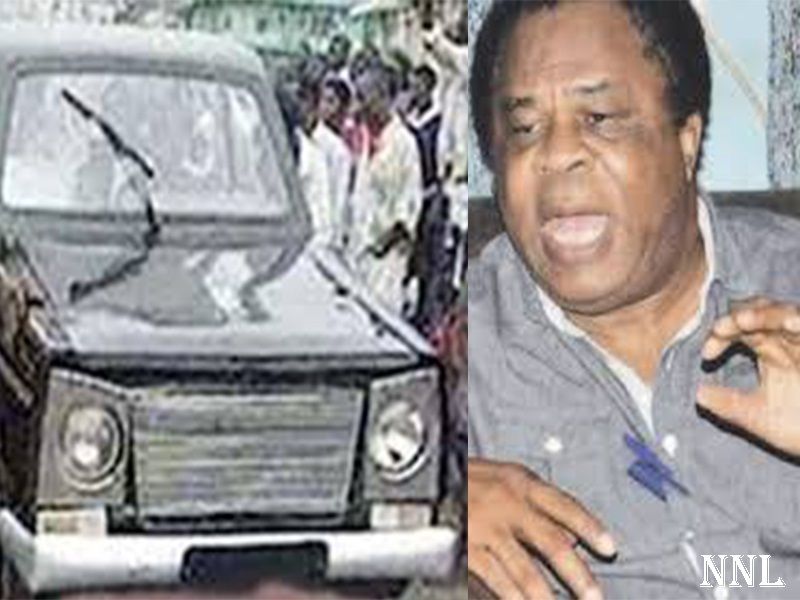
Engineer Ezekiel Izuogu (25 December 1949 – 18 July 2020) was one of Nigeria’s most celebrated inventors, engineers, and innovators. He is widely remembered for designing and developing the Izuogu Z-600, a prototype automobile widely cited as the first indigenous Nigerian car and one of the first truly African-made automobiles. Beyond automotive engineering, Izuogu also pursued ambitious projects in energy invention and participated actively in public life as a politician, lecturer, and scientific thinker. His work symbolizes both the promise and challenges of indigenous technological innovation in Nigeria, a story of creativity, encounter with structural obstacles, and enduring impact on the narrative of West African invention.
The written record
Historical context
Early Life and Education
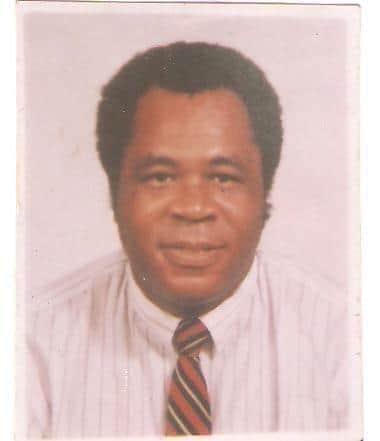
Ezekiel Izuogu was born on 25 December 1949 in Ideato North Local Government Area, Imo State, Nigeria. Raised in a region rich with a tradition of entrepreneurship and educational achievement, he displayed curiosity and technical aptitude from a young age. Izuogu pursued advanced engineering training at the University of Nigeria, Nsukka, where he studied Electrical/Electronics Engineering. He later became a lecturer at the Federal Polytechnic, Nekede, where he taught engineering and influenced a generation of students in technical disciplines.
His academic and professional grounding blended rigorous engineering principles with a deep belief in the potential of African self-reliance through local innovation, setting the stage for his later breakthrough work in automobile design and other inventions.
Inventing the Izuogu Z-600: Africa’s Indigenous Automobile
- Design and Development
Izuogu’s most famous creation is the Izuogu Z-600, unveiled in 1997 after years of experimentation and engineering work. The car was a prototype automobile designed and built largely with locally sourced materials, with approximately 90% of its components produced in Nigeria. Powered by a self-engineered 1.8-litre four-cylinder engine, the Z-600 could reach a top speed of 140 km/h and was designed to be both efficient and affordable.
According to contemporary reports and technical descriptions, the Z-600’s front-wheel drive layout was chosen over rear-wheel drive to reduce manufacturing complexity and cost, a pragmatic decision that reflected Izuogu’s deep understanding of local industrial constraints and creativity in mechanical design. The Z-600 was widely touted in the Nigerian press and among engineering circles as a historic achievement, with then-military leadership and foreign ambassadors witnessing its unveiling. However, despite its technical validity and symbolic importance, the prototype never advanced to mass production as a result of financial constraints, limited government support, and structural challenges within Nigeria’s industrial ecosystem.

Symbolism and Technical Achievement
The Z-600 was popularly described by media outlets as the “African Dream Machine” because it represented a vision of a continent capable of producing its own automobiles, using local expertise and materials. Compared to many vehicles assembled in Nigeria at the time, which relied on imported designs and kits, the Z-600 was groundbreaking in concept and execution.
Though the car remained a prototype, its existence challenged prevailing assumptions that Nigeria or Africa could not engage meaningfully in heavy industrial manufacturing. The project inspired debates about industrial policy, technological sovereignty, and the potential for homegrown innovation to drive economic development.
The Tragedy of Lost Opportunity
Despite its ingenuity, the Z-600 project faced significant setbacks. In 2006, armed men reportedly broke into Izuogu Motors Limited in Naze, Owerri North LGA. They stole critical parts of the automotive production apparatus, including design moulds, engine components, and detailed engineering archives. According to reports, the theft removed much of the practical foundation for progressing the project toward mass manufacture. At the same time, although the government initially promised financial support, reportedly a grant of N235 million was announced during the unveiling ceremony under the Abacha regime, such assistance ultimately did not materialize for Izuogu’s industrial plans. The controversy around support and subsequent neglect contributed to public conversations about how Nigeria’s policy environment affected indigenous technological projects.
The mixture of structural obstacles, inadequate industrial infrastructure, and lack of sustained governmental support meant that Izuogu’s dream of a Nigerian automobile becoming commonplace remained unrealized. Contemporary commentators have cited this as emblematic of broader challenges faced by African inventors seeking to turn innovation into scalable industry.
Self-Sustaining Energy Machine: Emagnetodynamics
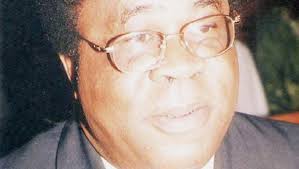
Beyond automobiles, Izuogu sought to address what he viewed as one of Nigeria’s most intractable challenges: power generation. He developed a device known as the “self-sustaining Emagnetodynamic machine,” which he claimed could generate electricity without conventional fuel inputs through a novel interpretation of electromagnetic principles. According to reports from investor presentations, the machine was capable of delivering uninterrupted power at minimal cost and was patented in multiple countries under the auspices of the World Intellectual Property Organization (WIPO). Although the scientific reception of such a machine remained controversial and it did not enter commercial production, Izuogu’s exploration of energy innovation reflected his broader belief that technological solutions to Nigeria’s persistent power shortage could emerge from local ingenuity rather than continued dependence on imported technologies.
Political Engagement and Public Life
Izuogu’s public life extended into political arenas. In 2003, he contested the Imo State gubernatorial election as the candidate of the All Progressives Grand Alliance (APGA), demonstrating his engagement with civic leadership and community development. Although he did not win the election, his participation represented a strand of technocratic politics seeking to bring scientific leadership into governance. His political engagement underscored his view that technological and economic progress in Nigeria required leadership with both scientific experience and political vision.

Photo credits; Dateline Nigeria.
Recognition, Mourning, and Legacy
Ezekiel Izuogu’s death on 18 July 2020 at age 70 triggered widespread mourning across Nigeria’s political, technological, and cultural communities. Prominent leaders including former Senate Chief Whip Orji Uzor Kalu described his passing as a national loss, noting that his work in indigenous automobile design and engineering represented some of Nigeria’s brightest scientific achievements and contributions to nation-building. Ohanaeze Ndigbo, the apex socio-cultural organization of the Igbo people, also lamented that the abandonment of innovative exploits like the Z-600 car exemplified how Nigerian policy environments had sometimes failed to harness the potential of Igbo and Nigerian scientists. The organization expressed regret that such talents had not been fully supported, advocating that Izuogu’s legacy be honored through greater attention to indigenous technological research and industrial development.
Former political figures and commentators described Izuogu as a patriotic Nigerian, inventor, and scholar whose contributions transcended local boundaries and affirmed the capability of Nigerians to lead technological innovation.
Engineer Ezekiel Izuogu’s life and work continue to hold profound meaning in Nigeria’s scientific and technological history. As the designer of the Izuogu Z-600, the first indigenous African automobile and a visionary inventor who also explored energy technologies, he embodied the possibilities of local ingenuity in confronting technological challenges. Despite facing formidable political, economic, and infrastructural obstacles, his achievements remain a testament to the creativity and resilience of Nigerian innovators. His legacy is both an inspiration and a reminder of the structural support necessary for turning pioneering ideas into lasting national industries.
Sources and references
- Independent Newspaper Nigeria. (2020, July 22). Ohanaeze mourns Izuogu, Z-600 car inventor.
- Independent Newspaper Nigeria. (2020, July 23). Obi mourns Izuogu.
- The Sun Nigeria. (2020, July 25). Izuogu’s death is a national loss – Kalu.
- AllAfrica / REX Research. (2010). Ezekiel Izuogu — Self-sustaining emagnetody namic machine.
Cite this article
Discussion
Sign in to join the discussion
Comments are checked by an editor before they appear. Leave a source or a correction and it is read first.
Continue reading
No comments yet
Nothing has been approved on this record yet. Comments are checked by an editor before they appear, so one written now shows on this page after that check.