 Ozikoro
 Cultural Heritage · Published history
Ezumezu Agwụ and Its Role in Ọdịnana Igbo Spirituality
In Igbo culture, spirituality is deeply woven into everyday life through Ọdịnana, the traditional spiritual and cultural practices that guide the Igbo people. At the heart of this belief system is Agwụ, a divine spirit responsible for guiding individuals toward their destiny. Ezumezu Agwụ refers to the totality of all Agwụ spirits assigned to a person as helping energies to fulfil their life’s purpose. This article explores the significance of Ezumezu Agwụ, its various manifestations, its role in Igbo cosmology, and its relevance in modern Igbo society, with a focus on restoring balance and harmony in line with Igbo values.
The written record
Historical context
Understanding Agwụ in Ọdịnana
Agwụ is a central figure in Igbo spirituality, often described as the spirit of creativity, divination, and destiny. In Ọdịnana, every person is believed to have a Chi, a personal spiritual force that shapes their life’s path, and Agwụ works alongside the Chi to ensure the realization of one’s purpose. Agwụ is particularly significant for those with supernatural tasks, such as Dibias (spiritual priests), Ezenwanyi (female spiritual leaders), healers, and artists, as it governs their abilities and behaviour.
The Igbo believe that Agwụ is a divine gift from Chukwu, the Supreme Creator, and it manifests as various spiritual energies, collectively known as Ezumezu Agwụ. These energies guide individuals, protect them, and empower them to create and serve their communities. Neglecting Agwụ can lead to spiritual imbalance, manifesting as mental distress, failure, or unproductivity, while honouring it brings clarity, success, and harmony.
The Manifestations of Ezumezu Agwụ
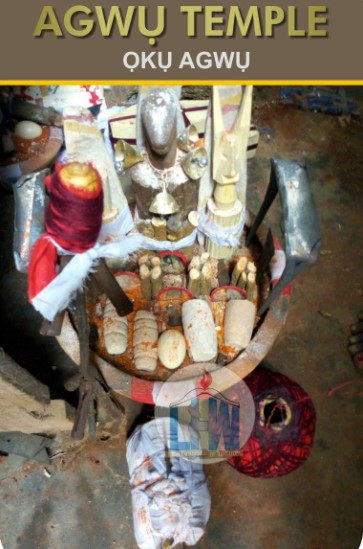
Ezumezu Agwụ encompasses a range of spiritual energies, each with a specific role in guiding an individual. These manifestations are often represented in wooden carvings called Okpensi or Ọkpọsi, which are placed in shrines or carried in an Ukpa Agwụ (a spiritual basket) by Dibias to signify acceptance of their calling. Below are the key manifestations of Ezumezu Agwụ in Igbo spirituality:
- Ezumezu Agwụ: The collective term for all Agwụ spirits, representing the totality of divine energies guiding a person’s destiny.
- Ndị Ichie Agwụ: The ancestral spirits that provide wisdom and protection, linking the living to their lineage.
- Nnenwanyi Agwụ: The feminine aspect of Agwụ, associated with nurturing, intuition, and spiritual insight, often guiding women like Ezenwanyi.
- Ogwugwu Agwụ: Linked to sacred rivers or ancestral spirits, revered in communities like Oguta for its protective powers.
- Uku Agwụ: Associated with wealth and prosperity, guiding individuals in economic endeavours.
- Ikenga Agwụ: Connected to Ikenga, the deity of strength and achievement, empowering personal success and courage.
- Nkita Agwụ: The dog spirit, symbolising loyalty and vigilance, often invoked for protection.
- Ụkwụ na Ije Agwụ: The spirit of movement and travel, ensuring safe journeys and progress.
- Uchichi Agwụ: The spirit of night, associated with dreams and hidden knowledge.
- Ulu Agwụ: The spirit of growth and fertility, linked to agriculture and family expansion.
- Afia na-anọ/Ụbọchị na-anọ Agwụ: Tied to the four Igbo market days (Eke, Orie, Afor, Nkwo), which are portals for spiritual connection.
- Ụfọ na Ụmụ Ọkụ Agwụ: The spirit of light and fire, representing enlightenment and energy.
- Akọ na Uche Agwụ: The spirit of wisdom and intellect, guiding decision-making and creativity.
- Obụ Ibu Agwụ: The spirit of strength and endurance, supporting physical and mental resilience.
- Udene Agwụ: The vulture spirit, symbolising foresight and spiritual cleansing.
- Police Agwụ: A modern manifestation, representing order and authority in spiritual matters.
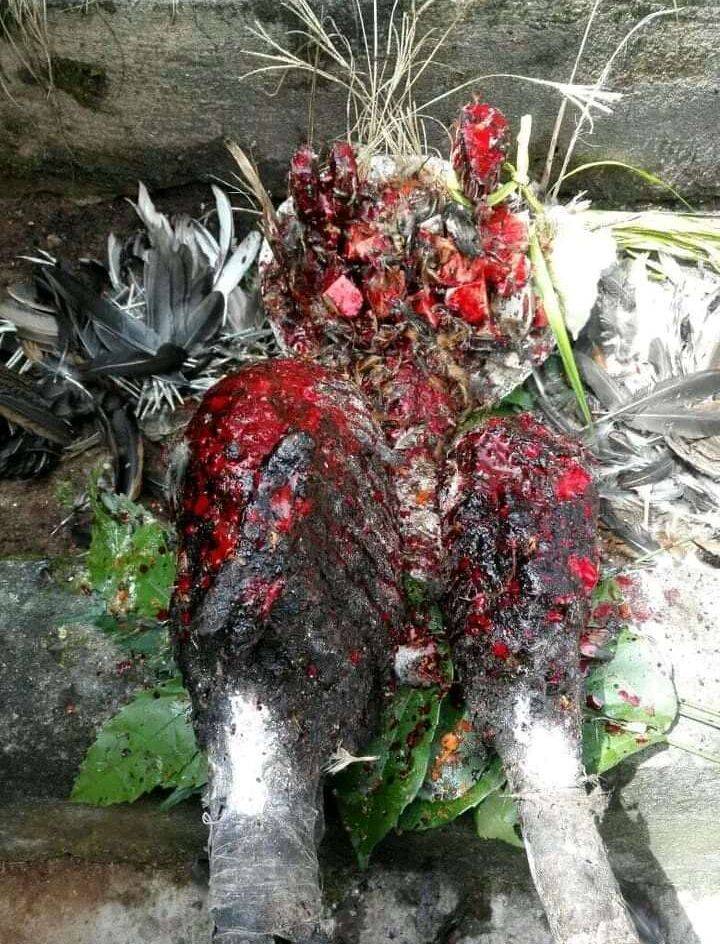
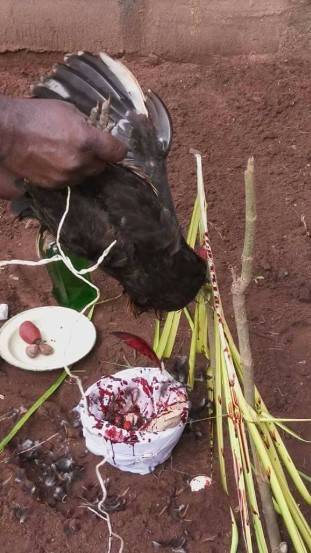
- Okuku Agwụ: The fowl spirit, associated with sacrifice and offerings to appease spirits.
- Ọfọ Agwụ: Linked to Ọfọ, the staff of justice and truth, ensuring fairness in spiritual work.
These manifestations reflect the diversity of Agwụ’s influence, covering all aspects of life from creativity to protection. In Igbo communities, Dibias use Okpensi carvings to honour these spirits, placing them in shrines or carrying them in rituals to affirm their commitment to serving humanity.
Agwụ and Creation in Igbo Cosmology
In Igbo cosmology, Agwụ is the source of all creation, as it empowers individuals to bring ideas into reality. The Igbo believe that nothing exists without Agwụ’s influence, as it is the spark of divine inspiration. This belief is rooted in the concept of Ike Agwụ (the power of Agwụ), which enables Dibias, artists, and innovators to shape the world. For example, in traditional Igbo society, blacksmiths, weavers, and carvers were seen as vessels of Agwụ, using their skills to create tools, art, and sacred objects.
The article references a controversial claim that some Igbo ancestors used Agwụ’s power to create other races, including the “Oyibo” (white people), through spiritual cloning 6,500 years ago. While this idea is not widely accepted in mainstream Igbo scholarship, it reflects the belief in Agwụ’s immense creative potential, as expressed in some oral traditions. Such narratives underscore the Igbo view of Agwụ as a universal force of creation and transformation.
Agwụ in Contemporary Igbo Society
In modern Igbo society, the role of Agwụ is both celebrated and challenged. The article describes two groups of Igbo people: those with corrupted Agwụ, who use its power for harmful purposes, and those with sacred Agwụ, who are awakening to their spiritual potential. The “evil” Agwụ owners are said to have created hazardous modern civilisations, such as weapons and technologies that disrupt natural harmony. In contrast, the “good” Agwụ owners fight with Ọfọ na Ogu (justice and truth), relying on supernatural power and the support of natural elements like air (Ikuku), water (Mmiri), earth (Ani), and sun (Anyanwu).
This dichotomy reflects broader tensions in Igbo society, where urbanisation, Christianity, and Westernisation have led some to neglect their Agwụ. In cities like Onitsha, Enugu, and Aba, many young Igbo people are disconnected from Ọdịnana, viewing it as outdated. However, a growing movement of cultural revival is encouraging individuals to reconnect with their Agwụ through rituals, meditation, and community festivals.
The Consequences of Neglecting Agwụ
In Igbo spirituality, ignoring Agwụ can lead to severe consequences, as it is a powerful spirit that demands attention. Those who fail to honour their Agwụ may experience mental instability, often described as “running mad,” or become unproductive and directionless. This belief is rooted in the Igbo understanding of spiritual balance, where harmony with one’s Chi and Agwụ is essential for a fulfilling life.
For example, a Dibia who neglects their Agwụ may lose their ability to perform accurate divinations (Igba Afa), while an artist may struggle with creative block. In communities like Nri, elders warn that Agwụ can withdraw its blessings if its taboos (Nsọ Agwụ) are violated, such as disrespecting sacred days or failing to make offerings.
Restoring Connection with Agwụ
To restore balance, individuals with Agwụ must undergo rituals to honour and energise their spiritual guides. These practices include:
- Iru Agwụ: A ceremony to initiate or re-align with Agwụ, often performed by a senior Dibia. This involves offerings, such as kola nuts (Ọjị) and palm wine, to appease the spirit.
- Observing Nsọ Agwụ: Adhering to taboos, such as avoiding certain foods or actions, to maintain purity and harmony with Agwụ.
- Meditation on Market Days: The four Igbo market days (Eke, Orie, Afor, Nkwo) are sacred portals for spiritual connection, ideal for meditation and offerings.
- Offerings to Spirits: Presenting items like Ọjị, yams, or fowls to spirits like Ndị Ichie or Idemili strengthens the bond with Agwụ.
- Maintaining Okpensi Shrines: Keeping Okpensi carvings clean and active through regular prayers and offerings ensures Agwụ’s presence.
These practices align with the Igbo proverb: “Onye ruo Agwụ, Agwụ na-eche ya” (“He who honours Agwụ, Agwụ protects him”), emphasising the reciprocal relationship between humans and their spiritual guides.
Agwụ and the Role of Dibias
Dibias are the custodians of Agwụ in Igbo society, serving as healers, diviners, and mediators between the physical and spiritual realms. They undergo rigorous training to master Igba Afa (divination), Igo Ọfọ (prayer rituals), and the use of Ọfọ (the staff of justice). A Dibia with active Agwụ can diagnose spiritual ailments, prescribe remedies, and guide individuals to fulfil their destiny.
In communities like Nnobi and Ogidi, Dibias play a key role in helping people awaken their Agwụ, especially those experiencing signs of a spiritual calling, such as vivid dreams or unexplained challenges. They also warn against practices that corrupt Agwụ, such as the use of artificial enhancers like Osenabo Ọgwụ Ịfụzo, which disrupt natural spiritual growth.
Challenges and Revival of Agwụ Practices
The reverence for Agwụ faces challenges in modern Igbo society due to the influence of Christianity, Islam, and Western education, which often label Ọdịnana practices as pagan or superstitious. In urban areas, many Igbo youth are unaware of their Agwụ, leading to spiritual disconnection and identity loss. However, cultural revival movements are gaining momentum, driven by organisations like Ohanaeze Ndigbo and festivals like Iri Ji (New Yam Festival) and Ofala.
Social media platforms have become spaces for Igbo scholars, Dibias, and youth to discuss Agwụ and Ọdịnana, sharing knowledge about rituals and spiritual awakening. For example, initiatives like the Odinani Cultural Heritage Foundation educate communities about the importance of honouring Agwụ, encouraging practices like Iru Agwụ and meditation on market days.
Despite modern challenges, the revival of Agwụ practices offers hope for restoring balance and harmony in Igbo society. By honouring their Agwụ through rituals, meditation, and community support, the Igbo people can reclaim their spiritual heritage and fulfil their purpose, as the proverb says: “Agwụ bụ ike, Agwụ bụ ndụ” (“Agwụ is power, Agwụ is life”).
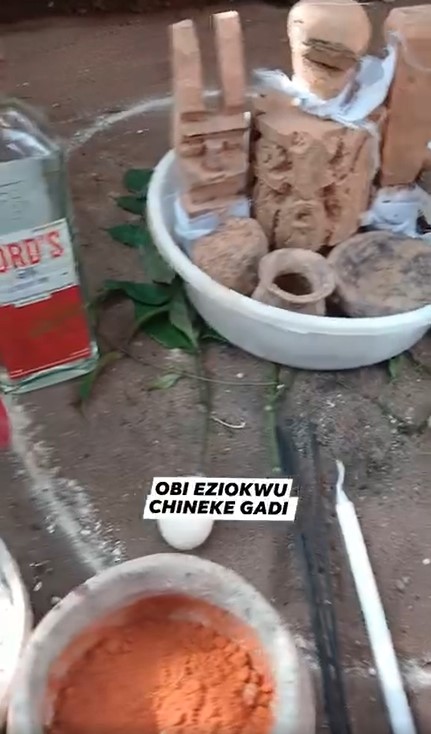
Invocations of Ezumezu Agwu. Video by Eziokwu Chineke Gadị Traditional Outreach
Sources and references
- Dibia, N. (2023, August 31). Ezumezu Agwụ: The totality of them . Dibianwangwuuchendu.
- Odinani, O. (n.d.). Ezumezu agwụ ndi ichie: Making of symbolic Igbo spiritual geometric shapes . YT.
- Iroegbu, P. (n.d.). Igbo medicine healers: Agwu . Scribd.
Cite this article
Idenze Ezeme. “Ezumezu Agwụ and Its Role in Ọdịnana Igbo Spirituality.” Ozikoro, 2025. https://ozikoro.com/ezumezu-agwu-and-its-role-in-odinana-igbo-spirituality/Discussion
Sign in to join the discussion
Comments are checked by an editor before they appear. Leave a source or a correction and it is read first.
Continue reading
Related histories
 Cultural HeritageEleven Days of Nwafor Ogidi: Inside the Festival Keeping an Old Igbo Tradition AliveRead history →
 Cultural HeritageIli Ji Nkpor Obododike: The Indigenous Agricultural Ritual CycleRead history →
 Cultural HeritageMusic and Drum Traditions: Tracing the “Igbo Drum” in the AmericasRead history →
No comments yet
Nothing has been approved on this record yet. Comments are checked by an editor before they appear, so one written now shows on this page after that check.