 Ozikoro
 Biography · Published history
Flora Nwapa: Africa’s First Published Female Writer
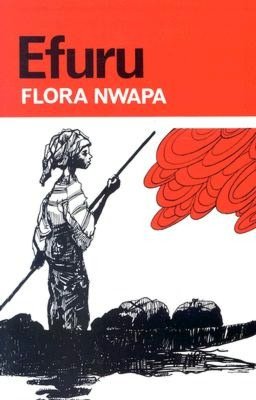
Flora Nwapa occupies a foundational place in African literary history as the first African woman to publish an English-language novel internationally. Her groundbreaking book, Efuru, marked a turning point in global perceptions of African women’s voices, realities, and creative authority. Often hailed as the “Mother of Modern African Literature,” Nwapa’s work challenged colonial narratives, expanded the boundaries of feminist discourse in Africa, and opened the door for generations of female writers.
The written record
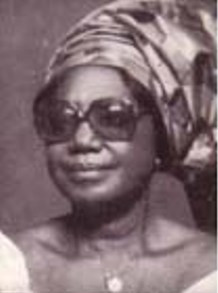
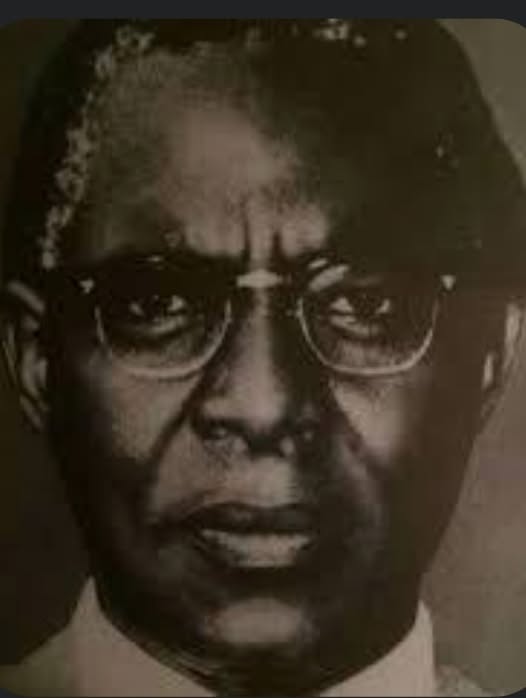
Photo credit; Wikipedia.
Historical context
Early Life and Education
Born Florence Nwanzuruahu Nwapa in Oguta, Imo State, Nwapa grew up in a vibrant Igbo cultural environment that shaped much of her later writing. She attended school in Nigeria before earning a degree in English from the University College Ibadan (now the University of Ibadan).
She later completed postgraduate studies at the University of Edinburgh. Her academic training, combined with her intimate exposure to Igbo traditions particularly the centrality of women in commerce and spirituality deeply influenced her narrative style.
The Breakthrough: “Efuru” and International Recognition
In 1966, Heinemann’s African Writers Series published Nwapa’s debut novel, Efuru, making her the *first African woman to publish a novel in English with an international press.
This achievement was groundbreaking because African literature at the time was dominated by male writers such as Chinua Achebe, Cyprian Ekwensi, and Wole Soyinka.
“Efuru” follows the life of a strong, independent Igbo woman navigating marriage, commerce, grief, and spirituality. What made the novel remarkable was its refusal to present African women as passive or marginalized, an image common in both colonial and early male-authored African literature.
Nwapa instead portrayed women as economically powerful, socially influential, spiritually connected (especially to the lake goddess, Uhamiri), and capable of shaping their own destinies.
Her refusal to write about women as victims set her apart as an early feminist voice in African literature.
Themes in Nwapa’s Literature
1. Womanhood and Autonomy
Nwapa centers African women not merely as characters, but as full subjects with desires, agency, and contradictions. She presents motherhood, marriage, and entrepreneurship from a distinctly feminine viewpoint.
2. Igbo Culture and Spirituality
Her works foreground the richness of Igbo cosmology particularly female-centered deities and lake spirits. This spiritual dimension challenges Western misconceptions of African belief systems.
3. Community and Social Expectations
Her narratives often highlight how women negotiate the pressures of tradition, societal judgment, and personal fulfillment.
4. Postcolonial Realities
Nwapa captures the complexities of Nigerian society after independence, including the clash between tradition and modernity.
In the 1970s, Nwapa broke another barrier by becoming one of the first African women to establish a publishing house. She founded
Tana Press Ltd in 1977 Flora Nwapa Company (later)
These companies focused on publishing works that represented African women’s experiences authentically. At a time when African women struggled to get their manuscripts accepted, Nwapa created a platform for them.
She also wrote and published children’s books that centered African cultural values, folklore, and everyday experiences, helping build a literary foundation for young Nigerian readers.
Some of her most influential publications include:
Idu (1970)
Never Again (1975) – a civil war narrative
Women Are Different (1986)
One Is Enough (1981)
Several short stories and children’s books.
Through these works, Nwapa refined her focus on women’s empowerment, resilience, and the spiritual strength found in African cosmologies.
Beyond literature, Nwapa served as a commissioner for health, social welfare, and later for lands in the old East Central State after the Nigerian Civil War. These roles deepened her understanding of community development and women’s societal needs, further enriching her writing.
Legacy and Influence
Trailblazer for African Women Writers;
Without Flora Nwapa, the global literary achievements of Buchi Emecheta, Chimamanda Ngozi Adichie, Ama Ata Aidoo, Sefi Atta, Lola Shoneyin, and many others might have unfolded quite differently. By breaking the publishing barrier, she created a path for future generations.
A Foundational African Feminist Voice;
Although she rejected the Western label “feminist,” her works undeniably align with African feminism emphasizing agency, community, and cultural context.
Global Academic Recognition;
Today, her novels are foundational texts in African literature, gender studies, and postcolonial studies across universities worldwide.
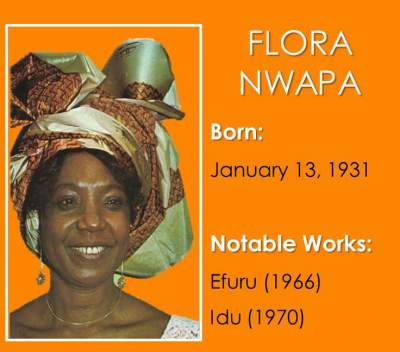
Flora Nwapa’s emergence as Africa’s first internationally published female novelist marked a turning point in literary history. Her bold storytelling, her centering of African women’s experiences, and her commitment to publishing African voices transformed the narrative landscape of the continent.
Nwapa’s legacy continues to inspire writers, scholars, and activists who recognize the power of literature to shape identity, challenge stereotypes, and redefine cultural narratives. Her work remains a monumental contribution to African feminist thought and global literature.
Sources and references
- Achebe, C. (2009). The education of a British-protected child.
- Ezenwa-Ohaeto, N. (1995). African women writers and the politics of gender. African Literature Today, 20, 87–98.
- Nwapa, F. (1966). Efuru. Heinemann.
- Nwapa, F. (1970). Idu. Heinemann.
- Okuyade, O. (2017). Flora Nwapa and the rewriting of Igbo womanhood. Journal of African Cultural Studies, 29(1), 45–62.
- Umeh, M. (1990). Reflections on the works of Flora Nwapa. African Studies Review, 33(2), 39–54.
- Zabus, C. (2007). T he African palimpsest: Indigenization of language in the West African Europhone novel.
Cite this article
Discussion
Sign in to join the discussion
Comments are checked by an editor before they appear. Leave a source or a correction and it is read first.
Continue reading
No comments yet
Nothing has been approved on this record yet. Comments are checked by an editor before they appear, so one written now shows on this page after that check.