 Ozikoro
Ethnohistory · Published history
From Dahomey to Benin: Decolonization and the Quest for National Identity
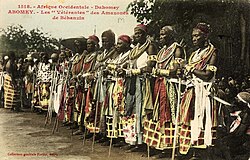
The modern West African nation now known as the Republic of Benin has undergone a profound transformation, moving from its origins as the powerful indigenous Kingdom of Dahomey, through a century of French colonial rule, to finally achieving independence and forging a unified national identity. The shift from the name “Dahomey” to “Benin” in 1975 was a pivotal move in this quest, symbolising a deliberate break from colonial and localised history toward a more inclusive national narrative.
The written record
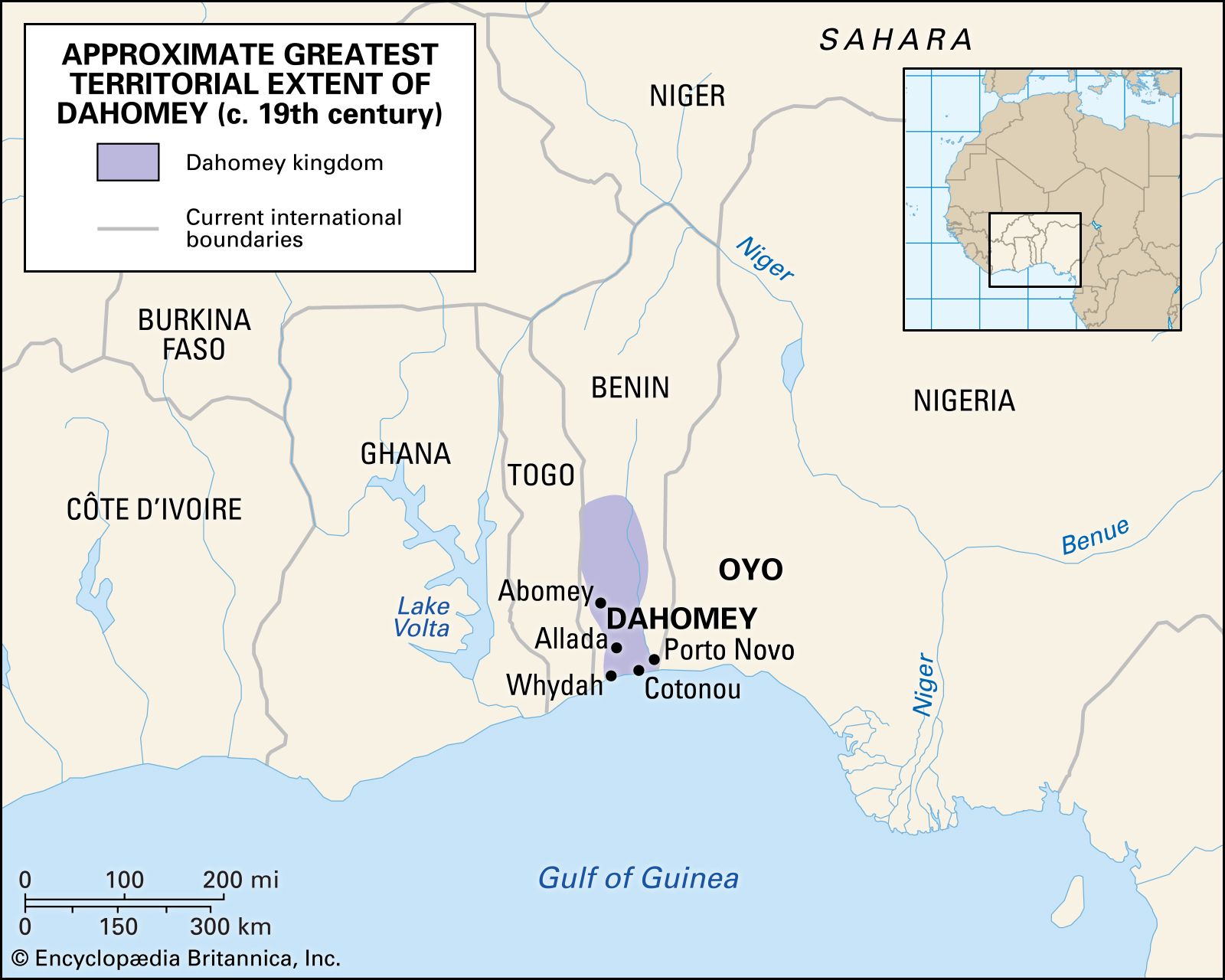
Under French colonial rule (1894–1960), Dahomey became one of the territories in French West Africa. The French imposed administrative and economic systems that prioritised European interests and eroded indigenous governance. Upon gaining independence on August 1, 1960, the new Republic of Dahomey inherited not only colonial borders but also deep political and ethnic divisions. The three major regions, north, central, and south, vied for power, leading to instability.
Historical context
The Colonial Legacy of “Dahomey”
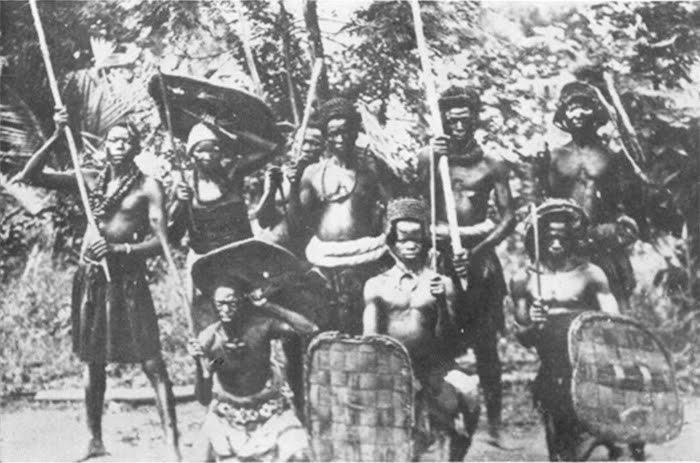
The name Dahomey refers specifically to the inland Fon kingdom that flourished from the 17th to the late 19th century, known for its highly centralised monarchy, militarism (including the famous Amazons), and its deep involvement in the transatlantic slave trade.
The kingdom was defeated in the Franco-Dahomeyan Wars (1890–1894), culminating in the exile of King Béhanzin. The French then established the colonial entity known as the French Colony of Dahomey and Dependencies.
Post-Independence Identity Crisis: When the colony achieved independence in 1960, it retained the colonial name, becoming the Republic of Dahomey. However, this name was problematic because it represented only the Fon ethnic group’s history and the capital, Abomey. It excluded the histories of other major ethnic groups, such as the Yoruba in the southeast and the Bariba in the north, creating immediate political tensions and instability in the new nation.
The transition from French Dahomey to the Republic of Benin involved a quest for national identity shaped by decolonisation’s legacy of regional fragmentation and political instability. After gaining independence in 1960, the country struggled with numerous coups and a fragmented political scene until a 1972 coup led to a period of Marxist-Leninist rule and the renaming of the nation in 1975. Later, Benin transitioned to multiparty democracy, but subsequent challenges include the recent questioning of democratic gains under President Patrice Talon’s centralised control.
Political Turmoil and the Rise of Kérékou
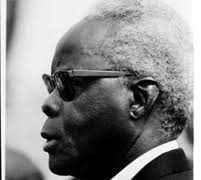
Between 1960 and 1972, Dahomey experienced frequent coups and leadership changes, reflecting internal disunity. In 1972, Major Mathieu Kérékou seized power and declared a revolutionary government guided by Marxist-Leninist ideology. Kérékou sought to dismantle colonial influence and promote African socialism. Under his leadership, Dahomey became a one-party state and nationalised key sectors of the economy.
On November 30, 1975, the country officially changed its name to the People’s Republic of Benin. The name “Benin” was chosen deliberately. It referenced the ancient Benin Empire, a powerful precolonial state that once thrived in present-day Nigeria. This shift symbolised unity and neutrality, as “Dahomey” was associated with the southern Fon ethnic group, whereas “Benin” reflected a broader, more inclusive identity encompassing all ethnic regions.
The renaming was not merely political; it was ideological. It sought to erase colonial and ethnic divisions and assert African heritage and sovereignty.
Following the name change, the Kérékou government emphasised cultural revival and education. African traditions, languages, and values were promoted, while colonial symbols were de-emphasised. Public institutions adopted new national emblems, and the country sought solidarity with other postcolonial African states.
This period also witnessed the establishment of socialist youth programs and mass mobilisation campaigns that attempted to foster national unity. Despite economic difficulties, these reforms helped cultivate a sense of pride in Benin’s African identity.
The name “Benin” was chosen specifically because it referred to the Bight of Benin, the coastal region of the Gulf of Guinea where the country is situated. The name lacked a specific ethnic or regional association within the country itself, making it a neutral reference point for all groups. It also provided a historical link to the broader region’s illustrious pre-colonial past, notably the earlier, unrelated Benin Kingdom (now in Nigeria), without inheriting its specific political structures or historical burdens.
Modern Identity and Democratic Transition
The renaming successfully provided a fresh symbolic start, but the quest for true national identity was a longer process.
By the late 1980s, economic hardship and political discontent forced Benin to abandon Marxism-Leninism. In 1990, Benin transitioned from a one-party Marxist-Leninist state to a multi-party democracy, marking a peaceful and significant step away from centralised military rule. The country became the Republic of Benin, dropping the “People’s” designation.
The new name facilitated a focus on shared cultural heritage, modern democratic values, and economic development rather than past ethnic rivalries. Today, the Republic of Benin champions the preservation of its diverse cultures and histories while looking forward as a cohesive nation.
Benin’s quest for a stable national identity continues. While the country has held multiple democratic elections, recent years have seen a re-centralisation of power under President Patrice Talon, with critics questioning whether the nation is moving away from democracy and back toward illiberal unity.
Sources and references
- The Editors of Encyclopaedia Britannica. (2025, November 1). Behanzin. In Encyclopaedia Britannica (2025 ed.)
- Alpern, Stanley. (1998). Amazons of Black Sparta: The Women Warriors of Dahomey . New York University Press.
- Suret-Canale, Jean. (1964). French Colonialism in Tropical Africa 1900–1945 . Pica Press.
- Decalo, Samuel. (1995). Benin: The Transformation of a Nation . Westview Press.
Cite this article
Discussion
Sign in to join the discussion
Comments are checked by an editor before they appear. Leave a source or a correction and it is read first.
Continue reading
Related histories
 EthnohistoryGbam, Chai, Ewo: How Igbo Expressions Became the Language of Nigerian Pop CultureRead history →
 EthnohistoryAro Merchant Network: Historical Trade Integration in the Cross-Niger RegionRead history →
 EthnohistoryTransition to Commodities in the aro confederacy(e.g., Palm Oil, Ivory, Cloth)Read history →
No comments yet
Nothing has been approved on this record yet. Comments are checked by an editor before they appear, so one written now shows on this page after that check.