 Ozikoro
 Cultural Heritage · Published history
From Defense to Display: The Evolution of Cannons from Military Tools to Symbols of Aristocratic Prestige among the Ijaw and Kalabari
The written record
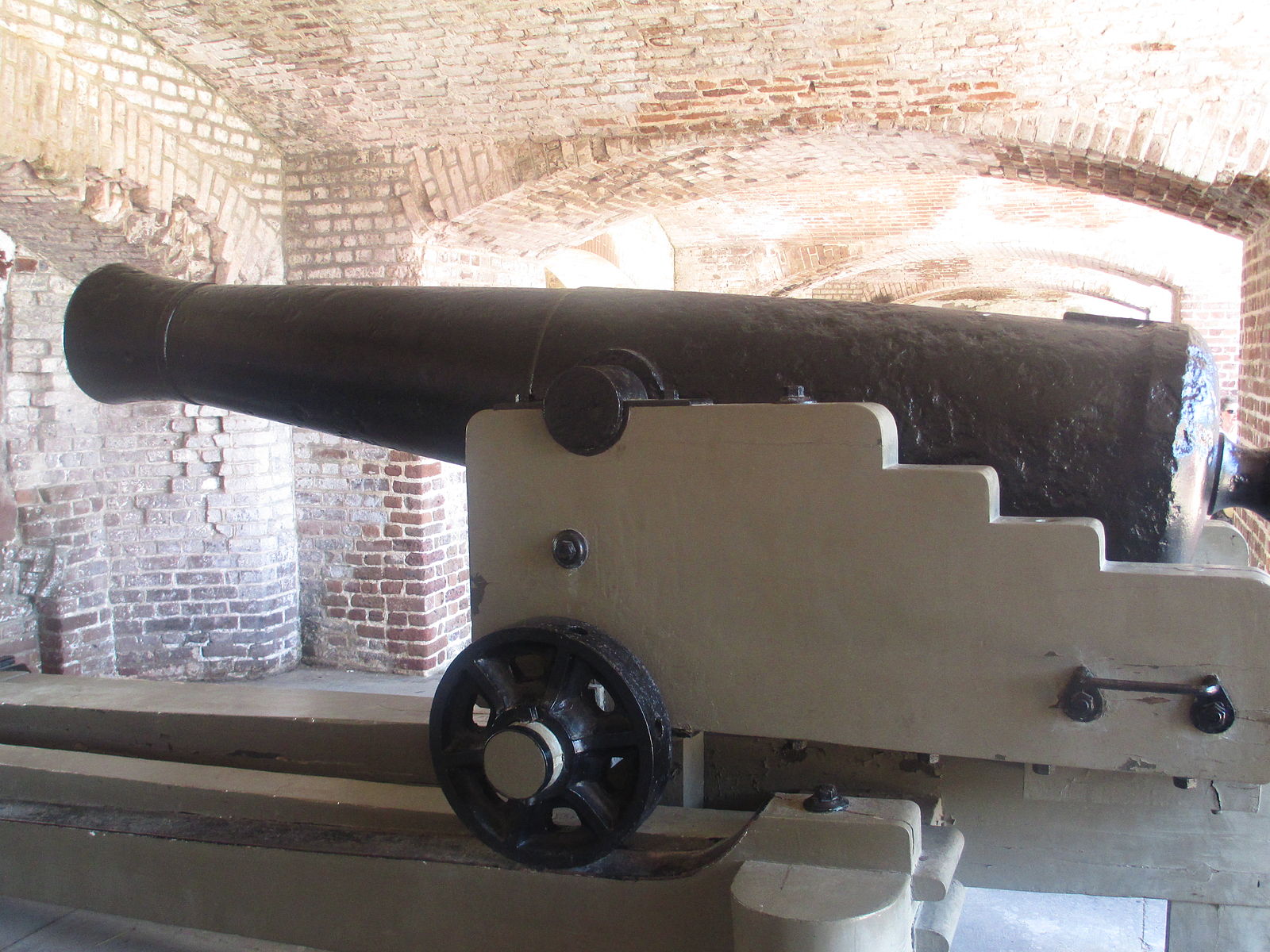
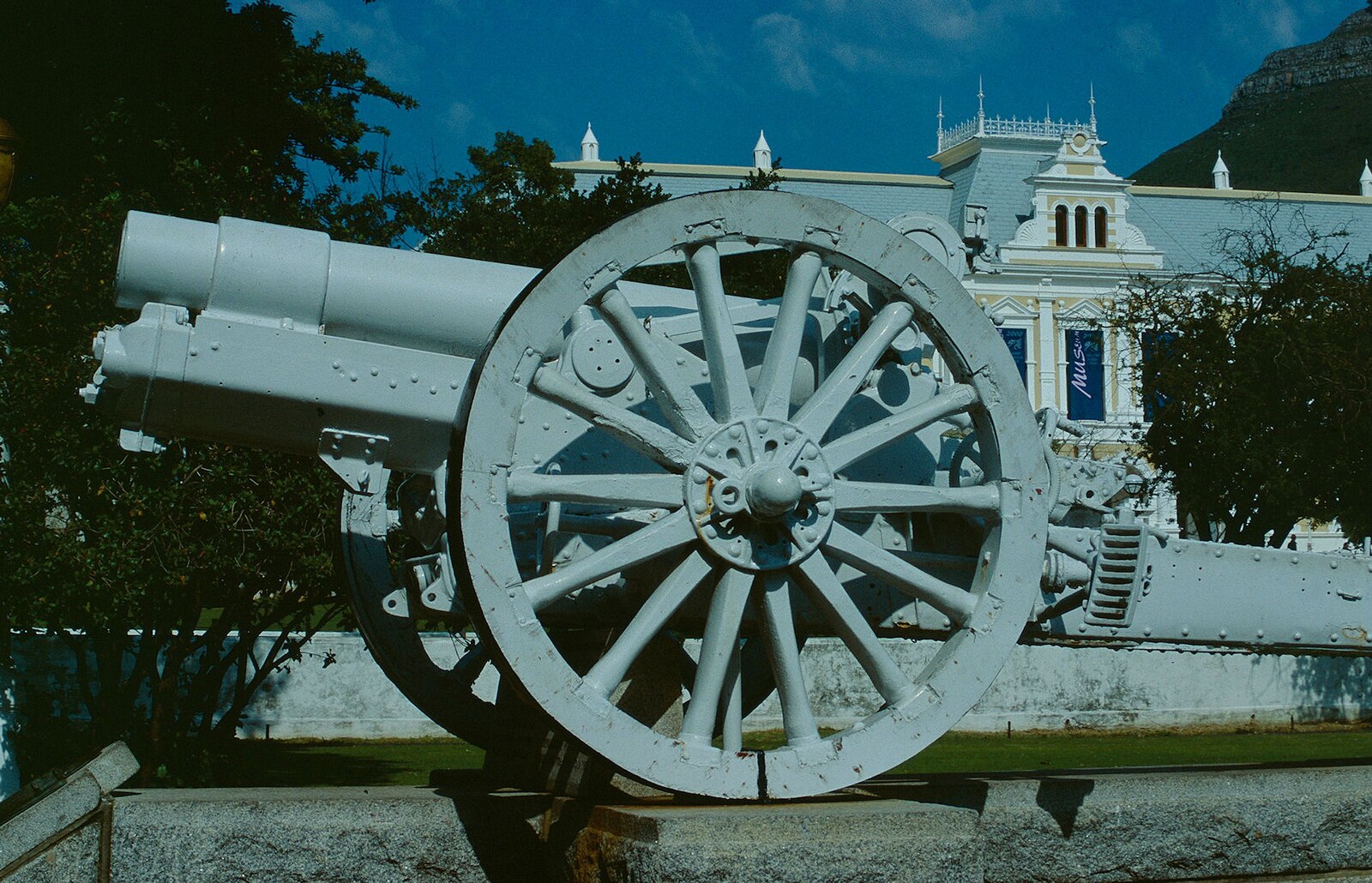
Cannons entered the Niger Delta through Atlantic trade networks from the seventeenth century onward. Initially valued for their military effectiveness particularly in defending waterfront towns, protecting trade routes, and signaling danger cannons soon evolved into markers of status and aristocratic prestige among the Ijaw and Kalabari peoples. Over time, these weapons moved from the battlefield to ceremonial spaces, becoming part of royal regalia, burial rituals, chieftaincy installations, and displays of wealth.
Historical context
Historical Background of Cannons in the Niger Delta
- Early Contact and Introduction of Firearms
European traders Portuguese, Dutch, and later British introduced cannons, muskets, and gunpowder into the Delta as part of growing Atlantic commerce. While small arms were widely circulated, heavy cannons were rarer and often reserved for coastal strongholds. According to the entries on the Kalabari people, Delta states such as Elem Kalabari developed powerful maritime cultures that relied on imported weaponry to maintain control over waterways and trade.
By the eighteenth century, Ijaw polities, particularly the Nembe, Bonny, Okrika, and Kalabari, incorporated cannons into their defensive architecture. Cannons helped repel rival city-states, deter slave raids, and protect commercial fleets traveling inland creeks.
- Cannons as Political Assets
European traders often gifted cannons to ruling houses as part of diplomatic negotiations or to secure exclusive trading rights. These weapons became closely tied to political authority. Chiefs who possessed cannons were seen as powerful, wealthy, and connected to global trade systems.
Military Uses of Cannons Among the Ijaw and Kalabari
- Waterfront Defense Systems
Ijaw towns were traditionally constructed along riverbanks and creeks, making them highly vulnerable to attacks. Cannons were strategically positioned along waterfronts where they served as:
Anti-ship weapons
Deterrents against rival polities
Signaling devices for war, funerals, or emergencies
Kalabari defensive lines, such as those at Elem Kalabari and Abonnema, reportedly included European cannons mounted on carved wooden bases.
- Naval Engagements and the Canoe War Tradition
The Niger Delta was known for its “canoe wars,” where fleets of war-canoes engaged in battles over trade routes and political dominance. Large cannons were not always suitable for canoe warfare, but smaller swivel guns and medium-sized cannons were adapted for use on larger war canoes. These weapons could disable enemy vessels, destroy fortifications, and break blockades.
- British Encounters and Decline of Military Function
By the late nineteenth century, British naval forces launched punitive expeditions against Delta polities, rendering local cannons obsolete due to superior European firepower. After military pacification, cannons gradually lost their practical defensive role and became cultural artifacts within aristocratic spaces.
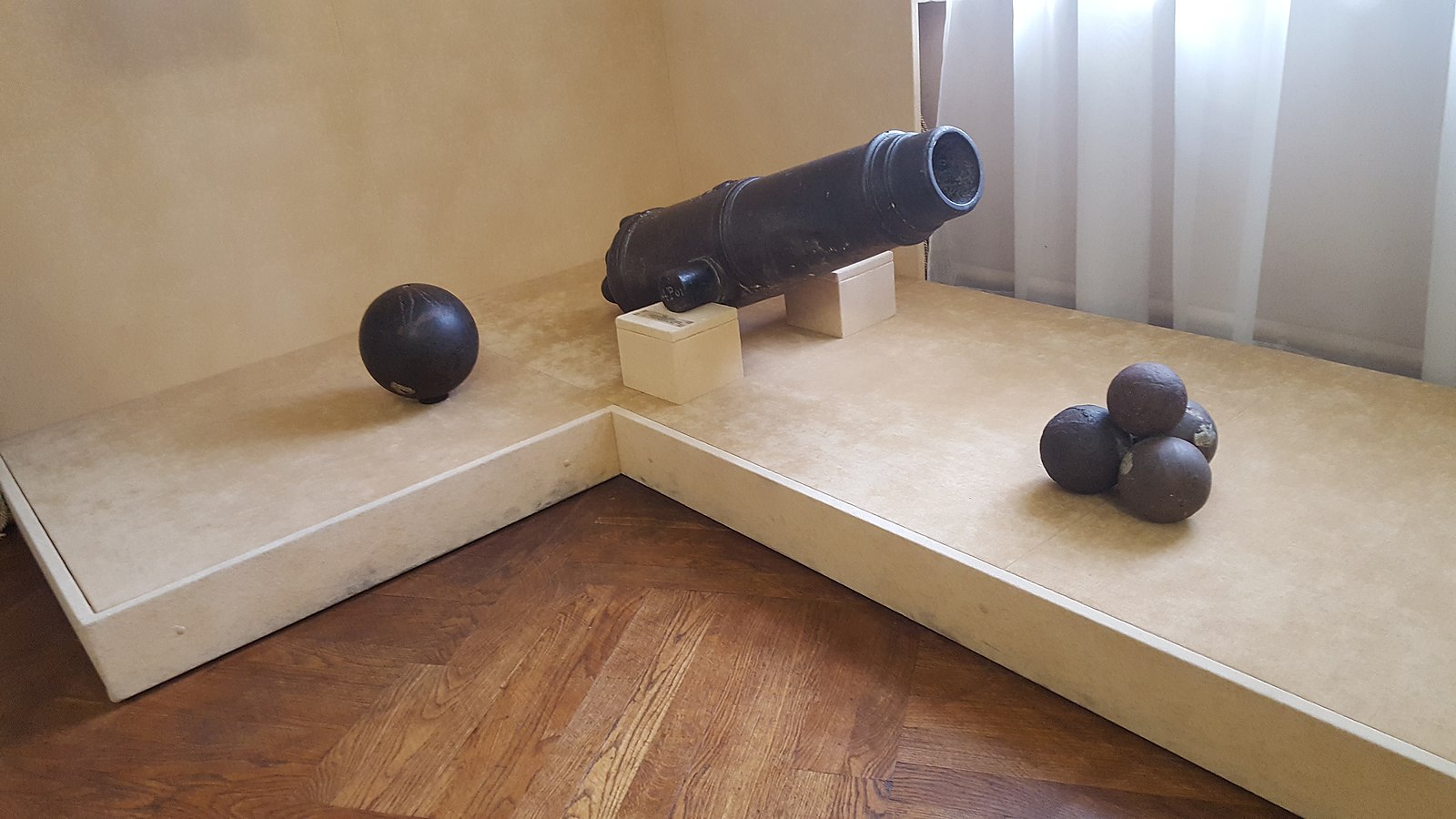
Photo credit: Altes, via Wikimedia Commons.
Cannons as Symbols of Prestige and Authority
- Transition from Warfare to Display
Once their military usefulness declined, cannons became valued primarily for their symbolic power. Chiefs and aristocratic houses displayed them in front of palaces, compounds, and shrines. The more cannons a chief possessed, the higher his perceived status.
This transition is similar to patterns observed in Benin and Dahomey, where obsolete European weapons later served decorative and ceremonial functions.
- Cannons in Royal and Chieftaincy Ceremonies
Among the Kalabari and other Ijaw groups, cannons became integral to major cultural events:
Chieftaincy installation: Cannons were fired to announce the elevation of a new chief.
Royal funerals: Cannons marked the passing of a king or paramount ruler, symbolizing dignity and historical continuity.
New Year and cultural festivals: Particularly during the Kalabari “Irie Festival” and other Ijaw celebrations, cannon fire signaled joy, unity, and ancestral remembrance. Firing cannons became a way to dramatize authority and demonstrate a lineage’s historical ties to foreign trade.
Cannons as Markers of Wealth and Lineage
- Economic Significance
Cannons were expensive and often imported through high-level trade negotiations. Only wealthy houses, especially merchant aristocracies like those in Bonny, Opobo, and Kalabari could afford them. Thus, ownership of multiple cannons was a public demonstration of Trade success, Wealth accumulation, Diplomatic connections and Legitimacy of ruling houses.
This performed the same function as ivory tusks, coral beads, or brass objects in other West African royal courts.
- Heritage Objects and Ancestral Identity
In many Ijaw communities, cannons are considered sacred heirlooms. They are kept as part of family shrines, representing protection by ancestors, connections to forefathers who controlled trade, and legitimacy of leadership claims.
Elders often say that “a house without a cannon has no history,” emphasizing their role in historical consciousness.
Contemporary Reinterpretations of Cannons
- Cultural Tourism and Heritage Preservation
Today, cannons remain important features of Niger Delta cultural landscapes. They appear in:
Community museums,
Waterfront memorials,
Palaces of traditional rulers,
Historical reenactments. Local historians, scholars, and cultural groups continue to document these artifacts as evidence of the region’s maritime sophistication.
- Cannons in Popular Culture
Modern Ijaw and Kalabari communities still fire blank cannons during:
Christmas
Traditional festivals
Paramount chieftaincy events
These performances act as cultural continuity transforming the cannon from a weapon into a sonic symbol of identity and prestige.
The evolution of cannons among the Ijaw and Kalabari from symbols of military readiness to displays of aristocratic prestige reflects the dynamic interactions between African societies and global trade systems. While cannons were once essential tools of defense in the Niger Delta’s turbulent political environment, their gradual shift toward ceremonial use underscores the adaptability of local cultures. Today, cannons serve as heritage objects, connecting modern communities to their ancestors’ maritime power, commercial success, and political authority. Their transformation illustrates the broader Niger Delta tradition of reinterpreting foreign technologies into indigenous symbols of prestige.
Sources and references
- Ben-Amos, P. (1995). The art of Benin. British Museum Press.
- Dike, K. O., & Ekejiuba, F. (1990). The Aro of southeastern Nigeria. Oxford University Press.
- Henderson, R. N. (1997). The Kingdom of Bonny: A historical overview. University of Port Harcourt Press.
- Horton, R. (1969). Stateless societies in the history of West Africa. In J. F. Ade Ajayi & M. Crowder (Eds.), History of West Africa (Vol. 1). Longman.
- Ta lbot, P. A. (1926). The peoples of Southern Nigeria (Vol. 2). Oxford University Press.
Cite this article
Discussion
Sign in to join the discussion
Comments are checked by an editor before they appear. Leave a source or a correction and it is read first.
Continue reading
Related histories
 Cultural HeritageEleven Days of Nwafor Ogidi: Inside the Festival Keeping an Old Igbo Tradition AliveRead history →
 Cultural HeritageIli Ji Nkpor Obododike: The Indigenous Agricultural Ritual CycleRead history →
 Cultural HeritageMusic and Drum Traditions: Tracing the “Igbo Drum” in the AmericasRead history →
No comments yet
Nothing has been approved on this record yet. Comments are checked by an editor before they appear, so one written now shows on this page after that check.