 Ozikoro
 Cultural Heritage · Published history
From Ibom to Uruan: Mapping the Arduous Migration of the Efik People through the Cross River Hinterlands
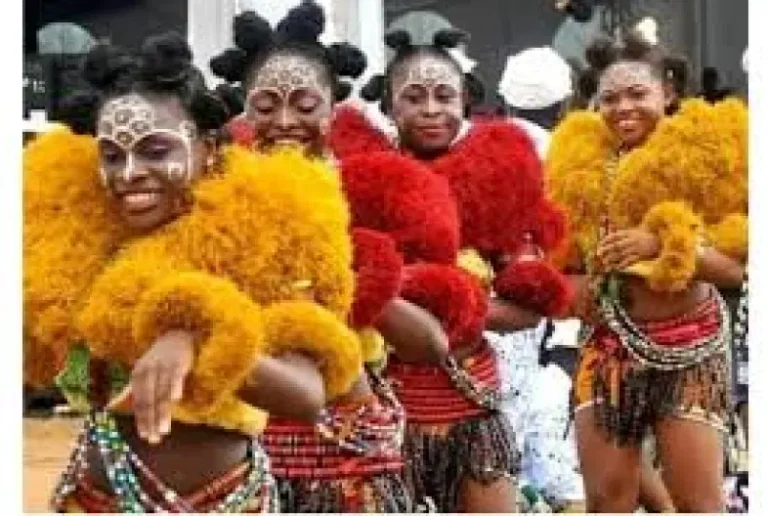
The history of the Efik people of southeastern Nigeria reflects centuries of movement, adaptation, and intercultural contact in the Cross River region. Known today for their historic settlements in Calabar and their important role in regional commerce from the 17th century onward, the Efik trace their origins to earlier migrations through the Cross River hinterlands moving from Ibom through Uruan and eventually to the coastal areas of Old Calabar.
The written record
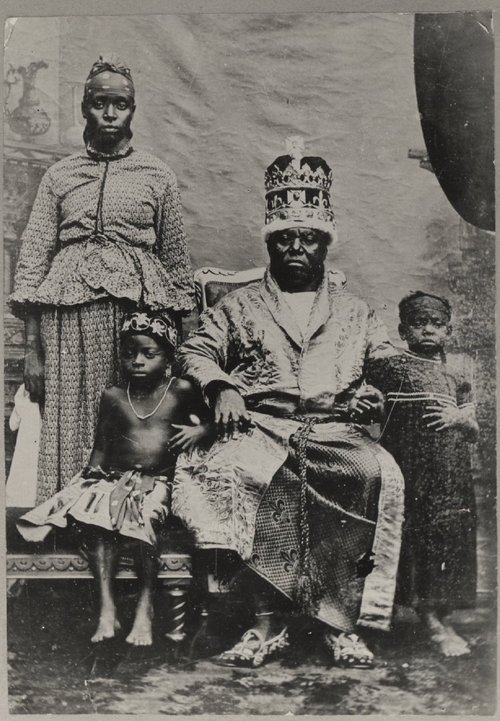
Photo credit; naijabiography.com
Historical context
The Efik People: An Overview
The Efik are an ethnic group primarily found in Cross River and Akwa Ibom States of Nigeria, with some populations in neighboring Cameroon. They speak the Efik language, part of the Benue-Congo branch of the Niger-Congo language family, and are culturally linked to Ibibio and other Iboku groups in the Cross River and coastal areas. Historically, their settlements became known collectively as Old Calabar, a major trading center before and during European contact.
Origins in Ibom and Early Migration
Although historical details vary between oral traditions and scholarly reconstructions, one of the most widely cited narratives of Efik origins states that their ancestors lived at Ibom , a settlement often associated with the larger Ibibio cultural sphere, sometimes located near Arochukwu in present-day Abia State. According to this account, the Efik migrated from Ibom to avoid religious pressures and political tensions with neighboring groups.
This early phase reflects a pattern common among many West African peoples, where migration was often driven by conflict, spiritual divergence, and quest for autonomy. In the Efik case, certain oral accounts link their departure from Ibom to disputes over religious observances and a desire to maintain loyalty to their traditional deities rather than adopt those of host communities.
Settlement at Uruan: A Crucial Crossroads
After leaving Ibom, the Efik reached Uruan, a region within today’s Akwa Ibom State that served as an early and significant center of settlement. Uruan itself has a deep antiquity of migration history, with local traditions tracing its earliest settlement to groups that moved into the Akwa Akpa Uruan region, likely responding to ecological, social, and political pressures centuries earlier.
At Uruan, the Efik identified as part of the Akpe Iboku subgroup lived alongside indigenous Uruan communities for a substantial period. According to some historians, this period was marked by cultural exchange, intermarriage, and shared linguistic influence. Indeed, the Uruan language and Efik both derive from the broader proto-Ibibio linguistic tradition, reflecting deep historical connectivity.
Scholars also note that the name “Efik” is believed to have originated during this stay at Uruan, deriving from an Ibibio verb meaning “to press” or “to oppress” a label reportedly given by their Uruan neighbors.
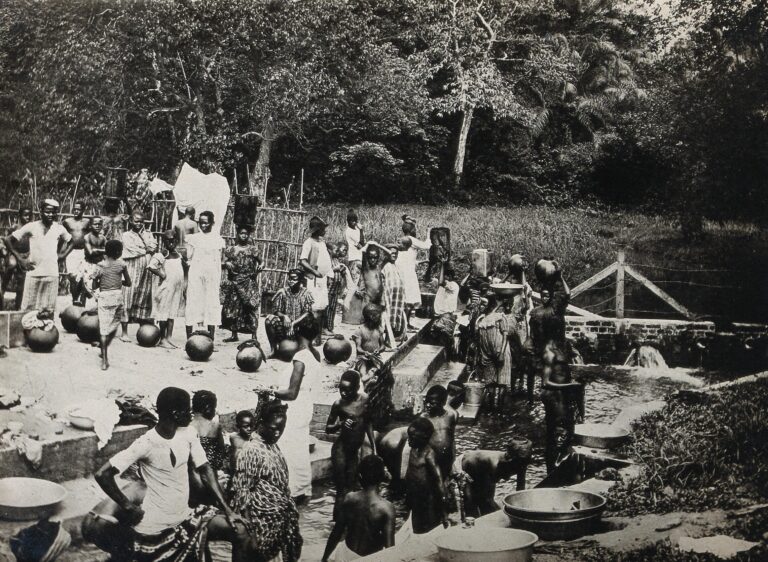
Photo credit; naijabiography.com
Conflict and Departure from Uruan
Despite long coexistence, tensions eventually led to conflict between the Efik and some Uruan clans. Several oral accounts including testimonies recorded at historical inquiries describe disputes over religious customs, social practices, and authority, culminating in what is known among some traditions as an Uruan-Efik conflict.
The narrative varies between sources, but one version indicates that disagreement over the worship of certain deities and ritual customs sparked disputes that could not be reconciled, prompting the Efik to leave Uruan. The Efik carried with them certain regalia and symbols of authority, signaling both their legacy and their desire for independent political identity.
This part of the migration moving away from Uruan territory marked a decisive shift from settlement as guests or neighbors to founding distinct Efik communities farther down the river system.
Migration Down the Cross River
After departing Uruan, Efik groups continued moving toward the area of the lower Cross River basin, attracted by the ecological advantages of riverine lands and opportunities for growing agriculture and fishing. Their journey unfolded in successive waves, with groups forming temporary settlements at places such as Ikpa Ene (Akani Obio Efik) and Ndodoghi before further dispersing.
These inland river settlements became staging points for eventual coastal migration. The Cross River’s navigability and connection to the Atlantic Ocean made downstream migration appealing, especially as trade opportunities expanded in the 16th and 17th centuries.
Founding of Calabar and Coastal Communities
By the time Europeans began extensive contact in the Atlantic period, Efik groups had established permanent settlements near the coast. Leaders and clans founded towns such as Creek Town (Esit Edik), Duke Town (Ibuot Utan), Old Town, Henshaw Town, and Cobham Town hubs collectively known in historical texts as Old Calabar.
These communities rapidly became important centers of commerce, especially in the trans-Atlantic slave trade and later in trading palm oil, ivory, and other goods giving the Efik economic and diplomatic prominence in the region. European traders referred to their area as “Calabar,” a name that in turn became synonymous with the Efik people in early historical literature.
Cultural and Linguistic Continuities
Throughout their migration, the Efik maintained cultural cohesion through language, secret societies (such as Ekpe shared with other Cross River peoples), kinship organization, and ritual customs. These institutions not only anchored the community during periods of relocation but also underpinned political negotiation, trade regulation, and social identity in settlement zones.
Links back to Uruan are still visible in the shared linguistic and clan connections, with certain Efik families tracing ancestry to villages in modern Uruan Local Government Area, where Efik language and customs remain in use.
The migration of the Efik people from Ibom through Uruan to the lower Cross River and coastal settlements was a centuries-long movement shaped by conflict, alliance, opportunity, and adaptation. This journey, though not documented in exact dates, reflects deep patterns of human mobility in pre-colonial West Africa, where environmental challenges, social dynamics, and trade networks drove communities to seek new homes.
Mapping this migration highlights the resilience and flexibility of Efik identity, the central role of river network landscapes in settlement and economic life, and the enduring cultural linkages that connect ancestral homelands with modern communities along the Cross River and in Calabar. The Efik migration story thus reveals not just a geographic journey but a complex process of cultural formation and historical agency.
Sources and references
- Efik people. (2025). In Wikipedia, The Free Encyclopedia.
- Efik. (2025). In Britannica.
- Uruan. (2025). In Wikipedia, The Free Encyclopedia.
- Origin of the Efik communities. (2021). Ajuede.com.
- History of Uruan LGA, Akwa Ibom State. (2025). MediaNigeria.com.
- Interesting facts about the Efik. (2019). ConnectNigeria.com.
- Ekpo Society. (2025). In Wikipedia, The Free En cyclopedia.
Cite this article
Discussion
Sign in to join the discussion
Comments are checked by an editor before they appear. Leave a source or a correction and it is read first.
Continue reading
Related histories
 Cultural HeritageEleven Days of Nwafor Ogidi: Inside the Festival Keeping an Old Igbo Tradition AliveRead history →
 Cultural HeritageIli Ji Nkpor Obododike: The Indigenous Agricultural Ritual CycleRead history →
 Cultural HeritageMusic and Drum Traditions: Tracing the “Igbo Drum” in the AmericasRead history →
No comments yet
Nothing has been approved on this record yet. Comments are checked by an editor before they appear, so one written now shows on this page after that check.