 Ozikoro
Cultural Heritage · Published history
From Oral Traditions to Nollywood: The Evolving Platforms of Igbo Historiography
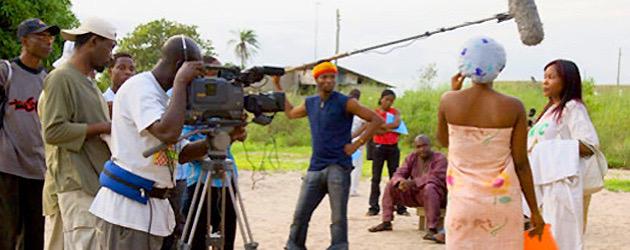
Before ink touched paper, before cameras rolled or scripts were written, the Igbo people were already historians. Their archives were not libraries of stone, but living voices, their pages written in the air through story and song. When the moon rose over red-earth villages, elders gathered children beneath the ụkwa tree for akụkọ ifo (folktales) that carried laughter, wisdom, and memory. The storyteller’s voice rose and fell like a drumbeat, and the crowd responded with a chorus and cheer. Through these stories, the Igbo did not merely entertain; they remembered.
The written record
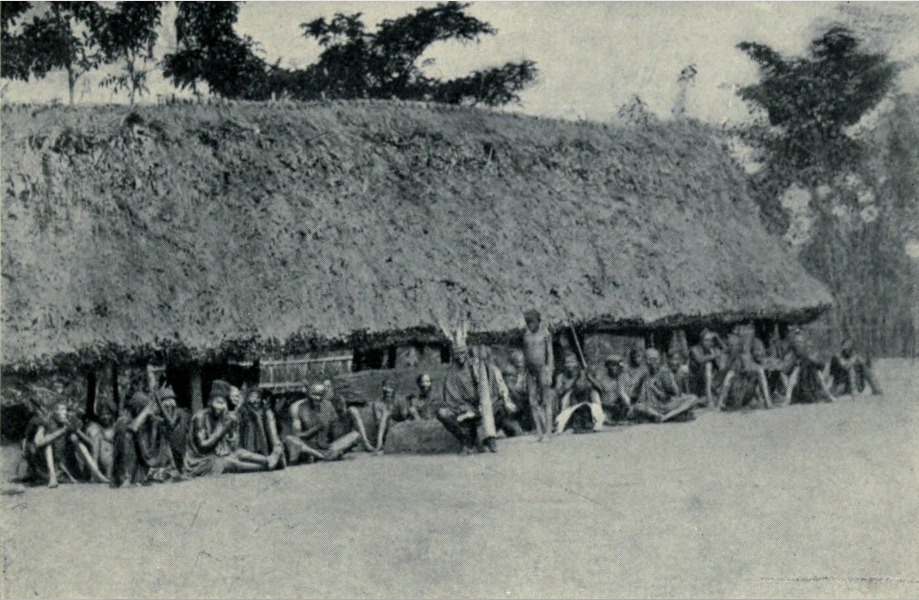
Every tale of Mbe the tortoise, of Ezenwanyi the river goddess, of Ọja the brave hunter, was a vessel of truth, preserving history before historians gave it a name. The people understood, as an Igbo proverb says: “Ihe mere eme, adịghị efu n’ọnụ onye kwuru ya” (What happened never disappears from the mouth that told it). That mouth was the first library.
Historical context
Colonial Disruption and the Search for the Written Word
Then came the age of writing, the age of ink and foreign alphabets. The colonial encounter in the late 19th century changed the ways Igbo people could record their past. Missionaries built schools; administrators wrote “reports.” But those reports, filtered through European eyes, distorted Igbo memory.
Suddenly, the oral turned “unreliable.” The stories that once defined the people were dismissed as superstition. It was in this period that Igbo historiography faced its greatest test: could a people’s memory survive translation through the coloniser’s pen?
Enter the first generation of African historians: Kenneth Onwuka Dike, Adiele Afigbo, and others, who rose in the mid-20th century to reclaim the narrative. They returned to oral sources not as curiosities, but as evidence. They understood that history lived not just in archives but in the rhythm of language, in the chants of ịgba egwu, in market songs, and in family genealogies passed from grandmother to grandson.
Dike called it the “decolonization of knowledge.” And from that, a new bridge formed between oral wisdom and academic inquiry. As the elders say: “E jiri ọnụ kwuo ihe, e jiri ọnụ kpọọ ya ọzọ” (What is spoken can be spoken again). For when a story is retold, it is renewed.
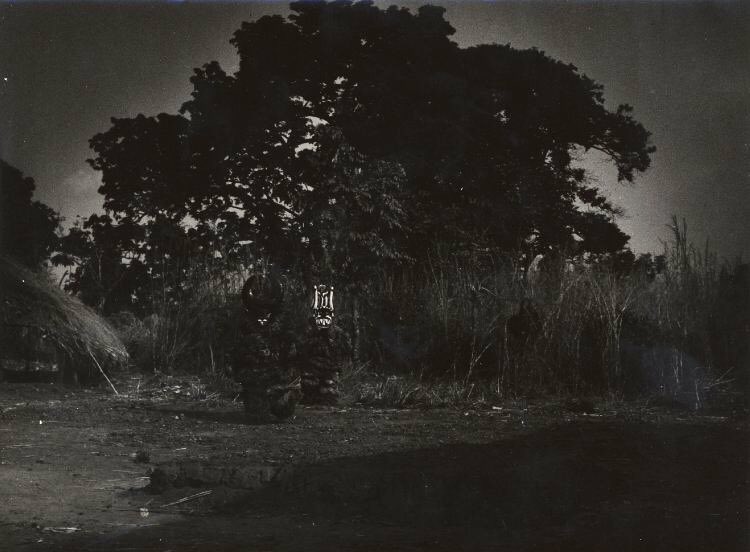
From Pen to Screen: The Rise of Nollywood
By the late 20th century, another transformation began, this time not in libraries or lecture halls, but in cinemas and living rooms. The world called it Nollywood. But to the Igbo, it was another medium of remembrance.
Films like Living in Bondage (1992) and Things Fall Apart (adapted from Achebe’s novel) brought Igbo traditions, rituals, and moral struggles to global audiences. Directors and storytellers often drawing unconsciously from ancient oral roots, translated village memory into visual language.
The same proverbs that echoed under moonlight now resounded on screen: “Egbe bere, ugo bere; nke si ibe ya ebena, nku kwaa ya” (Let the kite perch and let the eagle perch; if one says the other should not, may its wings break). Through Nollywood, the Igbo told the world: we are still here, still speaking, still remembering. Every film became a new archive, one that could reach beyond the borders of language or literacy. Nollywood, for all its melodrama and spectacle, continues an ancient duty: the preservation of ndị Igbo’s collective soul.
Historians of the New Age
Today, a new kind of Igbo historian is emerging, neither confined to academia nor to the village square. They are filmmakers, digital curators, podcasters, and social historians who use the internet to keep culture alive.
Scholars like Emeka Ed Keazor argue that the story of Igbo historiography is one of adaptation, not abandonment. From oral storytellers to chroniclers like Dike, from print historians to screen storytellers, each generation has used the medium of its time to keep memory breathing. It is a journey of resilience, proving yet again that Igbo enwe eze (the Igbo have no king), but they have countless voices.
As one proverb reminds us: “Ọtụtụ ọnụ ka e ji ama eziokwu” (It takes many mouths to tell the truth). Each platform, oral, written, digital, adds another mouth, another truth, to the ever-growing conversation of who the Igbo are and who they wish to be.
A Living Continuum
What began as akụkọ ifo under the moonlight has become motion pictures on global screens. Yet the essence remains unchanged: the commitment to memory, meaning, and moral reflection. Today, when an Igbo filmmaker crafts a story of love, betrayal, or ancestral pride, they echo the same pulse that once guided the storyteller’s tongue by the fireside. Time has changed the tools, not the purpose.
For as the elders say: “Mmụọ onye n’agwa akụkọ anaghị agwụ agwụ” (The spirit of a storyteller never dies). The Igbo storyteller, whether an elder, a historian, or a filmmaker, remains the custodian of truth, bridging generations through words, images, and sound. So, from oral traditions to Nollywood, Igbo historiography continues to evolve, not as a fading echo of the past, but as a living voice of identity.
Sources and references
- Dike, K. O. (1956). Trade and politics in the Niger Delta, 1830–1885. Oxford University Press.
- Isichei, E. (1976). A history of the Igbo people. Macmillan Press.
- Keazor, E. E. (2018, June 2). Igbo historiography: Milestones, triumphs, and challenges. Premium Times Opinion.
- Nwauwa, A. O. (2015). The role of Kenneth Onwuka Dike in the development of African historiography. Journal of African Studies and Development, 7 (4), 95–103.
Cite this article
Discussion
Sign in to join the discussion
Comments are checked by an editor before they appear. Leave a source or a correction and it is read first.
Continue reading
Related histories
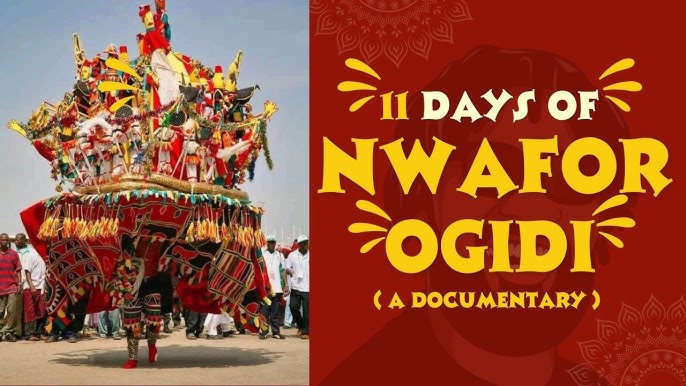 Cultural HeritageEleven Days of Nwafor Ogidi: Inside the Festival Keeping an Old Igbo Tradition AliveRead history →
 Cultural HeritageIli Ji Nkpor Obododike: The Indigenous Agricultural Ritual CycleRead history →
 Cultural HeritageMusic and Drum Traditions: Tracing the “Igbo Drum” in the AmericasRead history →
No comments yet
Nothing has been approved on this record yet. Comments are checked by an editor before they appear, so one written now shows on this page after that check.