 Ozikoro
 Cultural Heritage · Published history
From the Niger Delta to Guyana: The Eastern Ijo Foundations of Berbice Dutch
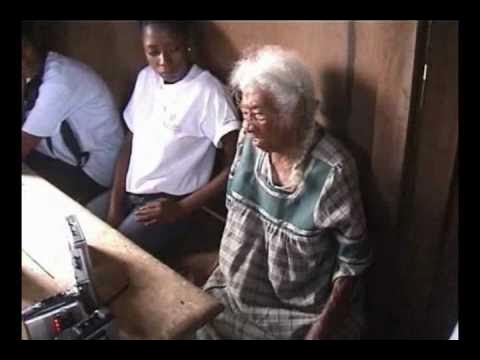
The connection between the Eastern Ijo of the Niger Delta and Guyana is rooted in linguistic history, where words from the Eastern Ijo language (specifically the Kalabari dialect) were incorporated into the Berbice Dutch Creole language spoken in Guyana. This linguistic evidence points to a historical link, due to the slave trade, where Eastern Ijo people were transported from the Niger Delta region to the Americas.
The written record
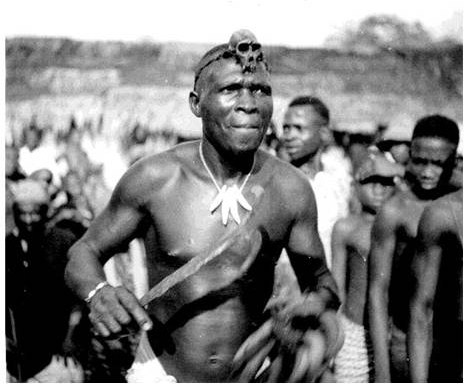
Language carries the footprints of history, migration, and cultural exchange. The story of Berbice Dutch Creole, once spoken in Guyana, is one such example of a linguistic bridge connecting the shores of South America to the Niger Delta in present-day Nigeria. This creole, which emerged during the colonial era, reflects the contact between Dutch colonizers and enslaved Africans, particularly those of the Eastern Ijo ethnic group. Through its structure and vocabulary, Berbice Dutch preserves traces of African linguistic heritage that have endured despite centuries of displacement and loss.
The now-extinct Berbice Dutch Creole (Berbice Dutch) of Guyana represents one of the most remarkable linguistic phenomena in the Americas. While most Caribbean creoles draw on diverse West African linguistic pools, Berbice Dutch is unique for its profound and disproportionate influence from a single West African source: the Eastern Ijo languages (including Kalabari) of the Niger Delta in modern-day Nigeria. This singular contribution provides a valuable, albeit tragic, linguistic window into the earliest demographics and social dynamics of the former Dutch colony of Berbice.
The Dutch established the colony of Berbice in the 17th century, relying heavily on enslaved Africans from the Niger Delta region. Many of these enslaved people spoke Eastern Ijo languages, which belong to the Ijoid family native to Nigeria’s coastal areas. According to linguist Silvia Kouwenberg, the Eastern Ijo people contributed significantly to the linguistic base of Berbice Dutch Creole, shaping its phonology and grammar in ways that made it distinct from other Dutch-based creoles in the Caribbean.
Unlike other creoles that blended multiple African languages, Berbice Dutch showed remarkable linguistic consistency, suggesting that a large portion of the enslaved population originated from the same cultural and linguistic region, the Niger Delta.
Historical context
The Dominance of Eastern Ijo Lexicon
The influence of the Eastern Ijo languages on Berbice Dutch is extraordinary when compared to other Caribbean creoles. Linguists estimate that approximately 38% of the Berbice Dutch lexicon is derived from Eastern Ijo, with the majority of the remainder coming from Dutch.
More significant than the percentage, however, is where the Ijo influence is found:
Core Vocabulary: Eastern Ijo supplied many basic, fundamental words that constitute the semantic backbone of the language. These include common verbs and nouns essential for daily life, such as: wari (‘house’) ,toko (‘child’), jefi (‘to eat’), bifi (‘to speak’), mangi (‘to run’).
Theories on Influence: This deep Ijo dominance suggests that the Eastern Ijo speakers formed a critical mass in the early Berbice population. They likely established the primary communication template used by the enslaved community, forcing later, smaller groups of enslaved people and even the Dutch masters to accommodate their specific Ijo-influenced proto-creole.
The Linguistic Legacy
The unique structure of Berbice Dutch provided linguists with crucial evidence about how creole languages form. It demonstrated that a single, dominant African substrate language could profoundly shape the resulting creole, even supplying fundamental aspects of its grammar and phonology, not just isolated vocabulary.
Despite its invaluable scientific and historical significance, the language faced inevitable decline after the British took over Guyana in the 19th century and the plantation economy moved away from the upper Berbice River. The language faded as its speakers shifted to the more socially and economically advantageous English-based Guyanese Creole.
The death of the last known fluent speaker, Albertha Bell, in 2005 brought an end to this unique linguistic bridge between the Niger Delta and the Guyanese interior, but the documentation preserved by linguists remains a permanent record of this unique West African linguistic foundation in the Americas.
The journey from the Niger Delta to Guyana, as traced through Berbice Dutch Creole, tells a story of endurance. The Eastern Ijo influence embedded within the creole’s structure speaks to the enduring power of language to connect generations and geographies. Even in silence, Berbice Dutch continues to echo across oceans, reminding us that history is not only written in books. It is spoken in words that once lived.
Sources and references
- Allicock, D. (2014, March 17). Echoes of Berbice Dutch Creole . Oh Beautiful Guyana.
- Blench, R. (2006, July). The Ijo-derived lexicon of Berbice Dutch Creole: An a-typical case of African lexical influence [Unpublished manuscript]. Roger Blench.
- Wikipedia contributors. (2025, November 3). Berbice Creole Dutch . Wikipedia, The Free Encyclopedia .
Cite this article
Discussion
Sign in to join the discussion
Comments are checked by an editor before they appear. Leave a source or a correction and it is read first.
Continue reading
Related histories
 Cultural HeritageEleven Days of Nwafor Ogidi: Inside the Festival Keeping an Old Igbo Tradition AliveRead history →
 Cultural HeritageIli Ji Nkpor Obododike: The Indigenous Agricultural Ritual CycleRead history →
 Cultural HeritageMusic and Drum Traditions: Tracing the “Igbo Drum” in the AmericasRead history →
No comments yet
Nothing has been approved on this record yet. Comments are checked by an editor before they appear, so one written now shows on this page after that check.