 Ozikoro
 Cultural Heritage · Published history
Funeral Rites for Dead Young People in Igboland
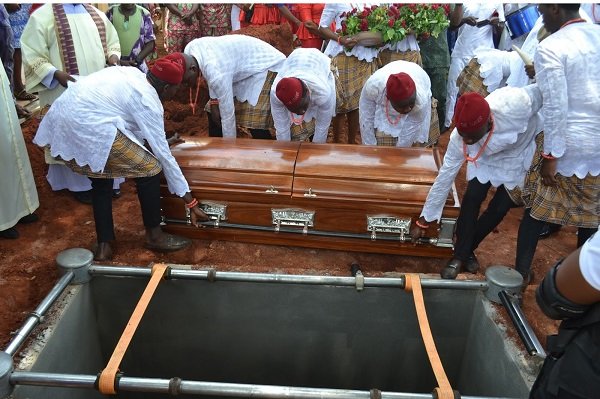
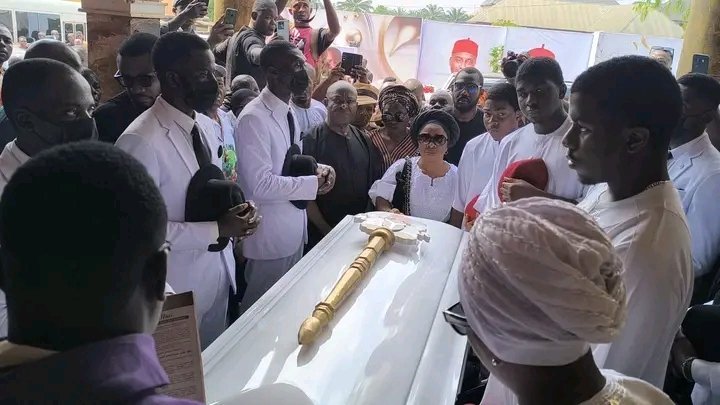
Funerary practices in Igboland, the cultural homeland of the Igbo people of southeastern Nigeria are among the most elaborate expressions of traditional religion, social values, and community norms in sub-Saharan Africa. Igbo funeral rites do not merely mark the physical departure of a loved one; they serve to negotiate the spiritual transition of the departed, communicate social identities, and reaffirm communal bonds. While scholars have documented the general structure of Igbo funerals, the rites associated with the death of young people are distinctive in meaning, symbolism, and ritual process: for young adults and “untainted” children, Igbo cosmology recognizes that their premature entry into the ancestor world carries specific spiritual consequences and corresponding rites. This article offers a comprehensive overview of funeral rites for dead young people in Igboland, exploring traditional beliefs, ceremonial stages, symbolic practices, and evolving trends in contemporary Igbo funerary culture.
The written record
Historical context
Igbo Cosmology and Conceptions of Death
To understand funeral rites in Igboland, it is important to recognize the Igbo worldview about life, death, and the afterlife. Igbo cosmology views existence as a continuum: life in the physical world (ụwa) is connected to life among the ancestors (ndiichie/ndichie). Death, therefore, is not annihilation but a transition between realms. The ritual process assists this transition and ensures that the deceased’s spirit (mmụọ) neither becomes a restless wanderer nor returns to harm the living.
Within this framework, age and social status shape the funeral ritual. The death of an elderly person, long integrated into kinship, social leadership, and community roles carries different symbolic weight than the death of a young person whose life is viewed as prematurely interrupted. Igbo society recognizes that youthful deaths disrupt expected life stages and require specific rites to reconcile the living with the departed’s spiritual destiny.
Conceptualizing “Young People” in Igboland
In Igboland, “young people” typically refers to individuals who have not attained full maturity or whose social roles remain unfulfilled. While definitions vary across subgroups, most communities treat:
Children who die before puberty, Youth who die before marriage or childbearing, and Young adults whose life projects remain incomplete as categories requiring distinct funeral rites. Such deaths are culturally conceptualized as “untimely deaths” (ọnwụ nwaanyị na-atụghị anya ya), often considered disruptions to cosmic order.
Stages of Funeral Rites for Young People
Igbo funerals unfold in phases, each with particular rites and symbolic purposes. Funerals for young people usually include the following stages:
1. Immediate Death Rituals
Upon death, the body is ritually washed and dressed by close family members, often women, using water infused with sub-ancestral herbs and oils. This initial washing serves cleansing, spiritual protection, and boundary making, distinguishing the corpse from the living.
Mourning announcements are sent to kin, neighbors, and community associations, signaling the family’s entry into a period of ritual mourning that varies in length depending on age, status, and social standing.
2. Communal Mourning and Lamentation
Public mourning involves wailing, dirges, and testimonial eulogies delivered by family members and age-grade groups (ọgbọ). For young people, lamentations emphasize unfulfilled potential, communal loss, and spiritual appeal, often invoking cultural proverbs about youth and destiny. Musical rhythms marked by ọkụ egwu (songs of lamentation) accompany mass gatherings.
3. Preparations for Burial
In Igboland, burial must typically occur before sundown on the day of death unless formal approvals or rites delay it. Funeral preparations include:
- Digging a grave
- Preparing the body according to age group norms
- Consulting community elders and spiritual custodians (dibịa/öbele) for blessings
For young people, specific rites may accompany burial, particularly concerning social re-integration and spiritual safeguarding.
4. Burial Ceremony
While elderly burials involve elaborate titles, speeches, and community feasts, funerals for young people tend to emphasize community mourning and spiritual rites rather than extensive ceremonial hierarchy. In many Igbo communities, funerals for young people are simpler but deeply symbolic, focusing on rites that ensure the deceased’s peaceful transition into the ancestral world without lingering attachment to the physical world.
Symbolic Rituals for Young Dead
Several distinct symbolic practices accompany the funerals of young people in Igboland:
A. Night Vigil (Ihe Ọkụ)
A night vigil is held with laments and prayers so that the spirit of the young person becomes accustomed to ancestral surroundings. It may involve storytelling about the departed’s virtues and songs appealing for spiritual peace and protection.
B. Ritual Washing and Dressing
In addition to customary washing, ritual dress often includes white cloth/scarves, symbolizing purity, innocence, and spiritual protection. For unwed youths, attire used in the burial may represent ancestral regalia rather than adult societal roles.
C. Ancestral Invocations
Clans and families perform invocations to invite the deceased’s spirit into the ancestral world, beseeching gods of fertility and lineage spirits (ndịichie ọgbọ) to accept the young person and protect the family. These invocations often involve libations, kola nuts, and symbolic offerings.
D. Rite of Peace (Ihe Ekwu Otu)
This ritual involves appeasing the cosmic order (ala) to ensure that the sudden death does not create spiritual imbalance. This is believed to be especially important for young deaths, as unexpected deaths can signal unresolved cosmic tensions.
E. Age-Grade Response to the Death of a Youth
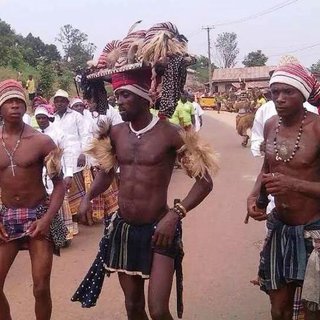
Another significant aspect of funeral rites for young people in Igboland is the reaction of the deceased’s age grade (ogbo). Since age grades represent groups of individuals who grew up together and share communal responsibilities, the death of a member is seen as a collective loss. Members of the age grade often express their grief and anger through dramatic actions such as shouting, singing traditional war songs, and sometimes cutting down trees or branches in the community. These acts symbolically represent the sudden and premature termination of a young life, much like a young tree being cut down before maturity.
The loud chants and war songs are not meant to promote violence but rather serve as ritual expressions of frustration and sorrow over the untimely death of their colleague. Through these activities, the age grade publicly demonstrates solidarity with the deceased and reinforces the strong communal bonds that exist among young people in Igbo society.
Social Implications of Young Deaths
- Disruption of Social Roles
The premature death of young people represents the loss of future generational potential: a child who would have inherited land, married, and borne children, or a youth who would have contributed to community labor and responsibility.
In communities where lineage and heritage are central, such losses are deeply mourned not merely as individual tragedies but as broken social continuity.
- Moral Reflection and Communal Support
Funerals become moments for moral reflection and social cohesion. Relatives, neighbors, age grades, and community leaders gather to support the bereaved family, demonstrating Igboland’s strong communal support networks.
Modern Transformations and Syncretic Practices
Funeral rites in contemporary Igboland increasingly blend tradition with newer religious sensibilities. Many families now incorporate Christian prayers, hymns, and clergy blessings into traditional ceremonies. However, even within Christian contexts, many communities retain core indigenous rituals, such as libation pouring, ancestral invocations, and community mourning practices.
Urbanization and legal constraints on burial timings have also influenced how ceremonies unfold. For example, in cities, burials may be delayed for family members to gather, requiring adjustments to some traditional rites. Despite change, the symbolic and communal functions of funerals remain integral to Igbo identity.
Comparative Observations in Igbo Subgroups
The Igbo cultural sphere is not monolithic. Subgroups differ in details of ritual practice:
- In Onitsha and Aboh areas, funerary laments (ọgụgụ egwu ọnwụ) are highly stylized and performed by trained lamenters (ndí ókà nkuzi).
- In Nsukka/Igbo-Ukwu areas, greater emphasis is placed on consultation with spiritual custodians (dibịa).
- In parts of Owerri, rituals for young deaths involve feminine incantations (agbọghọ okwu) symbolizing the youthful spirit’s transition. These variations illustrate the rich cultural diversity within Igbo funeral traditions.
Funeral rites for dead young people in Igboland represent a complex cultural institution encompassing cosmology, social identity, and communal resilience. Whereas the death of elders and titled persons emphasizes ceremonial hierarchy, funerals for young people focus on spiritual transition, community mourning, and reconciliation of premature departure with ancestral continuity. Although evolving in response to modern religion, urban norms, and legal frameworks, the fundamental purpose of these rites, affirming human dignity, cosmic order, and social solidarity remains a central element of Igbo life. Through elaborate ceremonies, symbolic rituals, and communal participation, Igbo funeral rites for young people continue to articulate a profound cultural response to the mystery of life and death.
Sources and references
- Nkenne. (n.d.). Igbo burial rites: Honoring the ancestors. Retrieved March 11, 2026, from https://www.nkenne.com/blog/igbo-burial-rites-honoring-the-ancestors
- Okenwa, M. O. (2024, March 1). Why are Igbo funerals of young people held as parties? PUNCH. Retrieved March 11, 2026, from https://punchng.com/why-are-igbo-funerals-of-young-people-held-as-parties
Cite this article
Discussion
Sign in to join the discussion
Comments are checked by an editor before they appear. Leave a source or a correction and it is read first.
Continue reading
Related histories
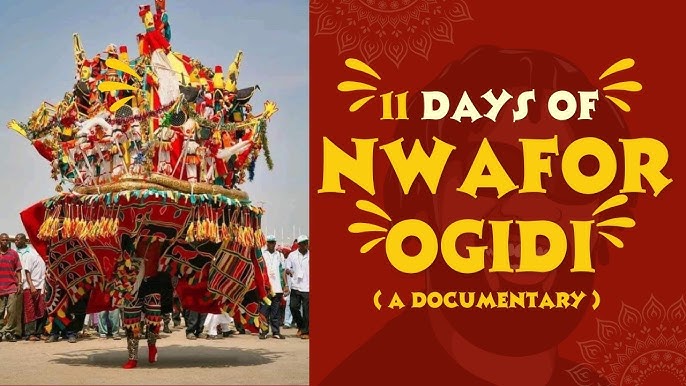 Cultural HeritageEleven Days of Nwafor Ogidi: Inside the Festival Keeping an Old Igbo Tradition AliveRead history →
 Cultural HeritageIli Ji Nkpor Obododike: The Indigenous Agricultural Ritual CycleRead history →
 Cultural HeritageMusic and Drum Traditions: Tracing the “Igbo Drum” in the AmericasRead history →
No comments yet
Nothing has been approved on this record yet. Comments are checked by an editor before they appear, so one written now shows on this page after that check.