 Ozikoro
 Cultural Heritage · Published history
Gender and Kinship in Igbo Society: The Role of Women in Patrilineal and Matrilineal Structures
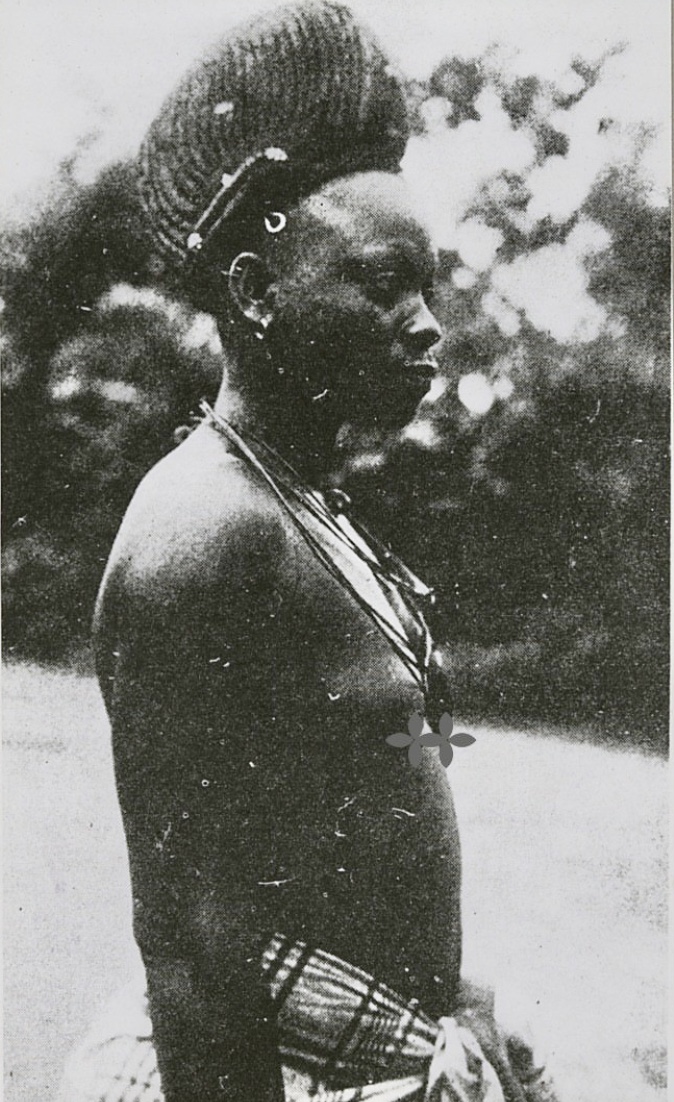
In Igbo society, kinship is traditionally structured around both patrilineal and matrilineal systems, with distinct roles for men and women. Due to exogamy, the custom of marrying outside one’s lineage women transition between lineages, which has led to cultural mechanisms that restrict their roles in ancestral veneration and land inheritance to protect the patriline (umunna). Practices such as breaking kola nuts and masquerading remain predominantly male responsibilities. Bride wealth negotiations also reflect this system, as they symbolize the transfer of a woman from one lineage (or “nation”) to another, reinforcing the idea of lineage preservation.
The written record
Despite the dominance of the patriline, the matriline (umunne) remains essential in Igbo culture. It serves as a refuge for those who seek protection and plays a significant role in life events such as burials, childbirth, and conflict resolution. Women contribute to society in ways that are deeply valued, as reflected in names like Nneka (“mother is supreme”) and Nnebuisi (“mother is life’s strength”), emphasizing the reverence for maternal influence in Igbo social structures.
Historical context
Women maintain strong ties with their natal families even after marriage, and terms such as nwanne (sibling) and umunne (maternal kin) highlight the importance of maternal lineage in fostering social cohesion. While societal norms often limit women’s roles in patrilineal functions, their contributions to the matrilineal system ensure their continued influence in shaping Igbo cultural identity.
Sources and references
- Talbot, P. A. (1926). The people of Southern Nigeria. Oxford University Press.
- Amadiume, I. (1987). Male daughters, female husbands: Gender and sex in an African society. Zed Books.
- Nzegwu, N. (2006). Family matters: Feminist concepts in African philosophy of culture. SUNY Press.
- Uchendu, V. C. (1965). The Igbo of Southeast Nigeria. Holt, Rinehart and Winston.
Cite this article
Discussion
Sign in to join the discussion
Comments are checked by an editor before they appear. Leave a source or a correction and it is read first.
Continue reading
Related histories
 Cultural HeritageEleven Days of Nwafor Ogidi: Inside the Festival Keeping an Old Igbo Tradition AliveRead history →
 Cultural HeritageIli Ji Nkpor Obododike: The Indigenous Agricultural Ritual CycleRead history →
 Cultural HeritageMusic and Drum Traditions: Tracing the “Igbo Drum” in the AmericasRead history →
No comments yet
Nothing has been approved on this record yet. Comments are checked by an editor before they appear, so one written now shows on this page after that check.