 Ozikoro
Cultural Heritage · Published history
Gender Equality in Anioma and Preserving traditions: Balancing the dominance of men in Community Leadership
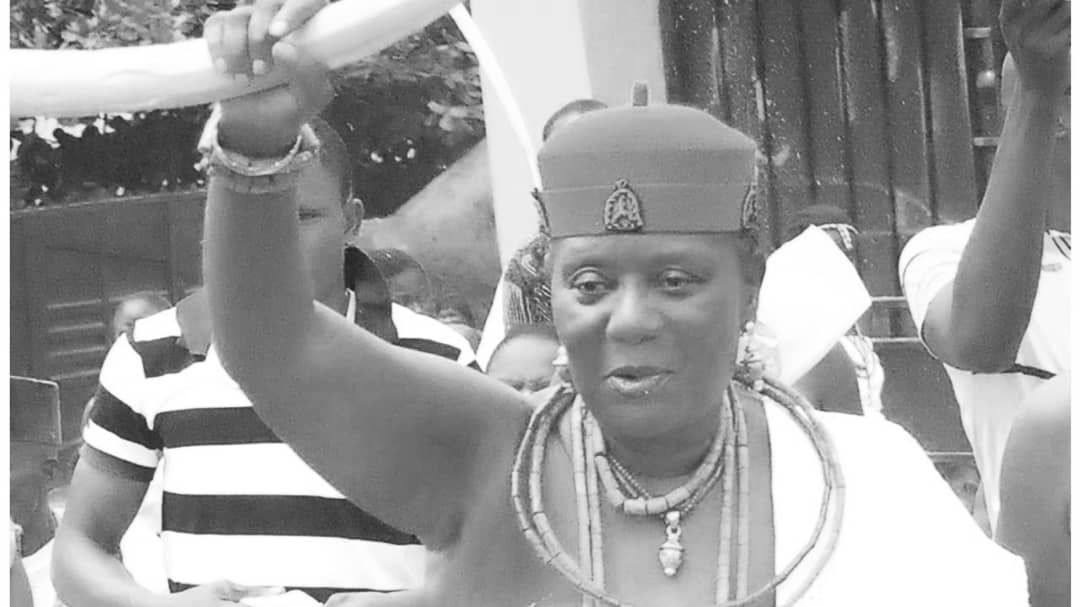
In Anioma, women played a crucial role through their associations in making sure there’s gender balance in political and social spheres.
The written record
Omu group , with Otu Umu Ada and Otu Inyemedi, acted as the key institutions that gave opportunity for women’s significance and influence on the affairs of the community.
Historical context
Omu association is led by a woman that is elected, the association is heavily involved in seeing to the activities of market activities and local trades.
The Omu association also imposed fines alongside maintaining peace and order.
The roles played by the Omu association gave women voice in political and economic matters.
Additionally, the association was present in council meetings where decisions that affects the lives and walfare of the towns were made, making sure that the voice of women was heared in a society that seems to be dominated by men.
Other strong women associations are Otu Umu Ada ( women born into the community) accompanied with Otu Inyemedi ( women married into the community).
They also played important roles in preserving social order and could discipline the people found violating the traditional customs of the land, giving women authority, just like men and these various groups ensures that the society values and respect women
Through taking part in political and economic decision-making.
Through these associations, Anioma women kept systems that checks and balances gender equality and also preserved the societal traditions.
The influence of these women associations played key role in counterweighting the male power thereby rekindling women to be major community stakeholders.
Ohadike, D. C. (1994). Anioma: A social history of the western igbo people. Ohio University Press.
Onwuejeogwu, M. A. (1981). An igbo civilization: Nri kingdom & hegemony. Ethnographica ; Ethiope.
Cite this article
Discussion
Sign in to join the discussion
Comments are checked by an editor before they appear. Leave a source or a correction and it is read first.
Continue reading
Related histories
 Cultural HeritageEleven Days of Nwafor Ogidi: Inside the Festival Keeping an Old Igbo Tradition AliveRead history →
 Cultural HeritageIli Ji Nkpor Obododike: The Indigenous Agricultural Ritual CycleRead history →
 Cultural HeritageMusic and Drum Traditions: Tracing the “Igbo Drum” in the AmericasRead history →
No comments yet
Nothing has been approved on this record yet. Comments are checked by an editor before they appear, so one written now shows on this page after that check.