 Ozikoro
Biography · Published history
General Franco Lee Ezute: The Harmony King of Ndokwa
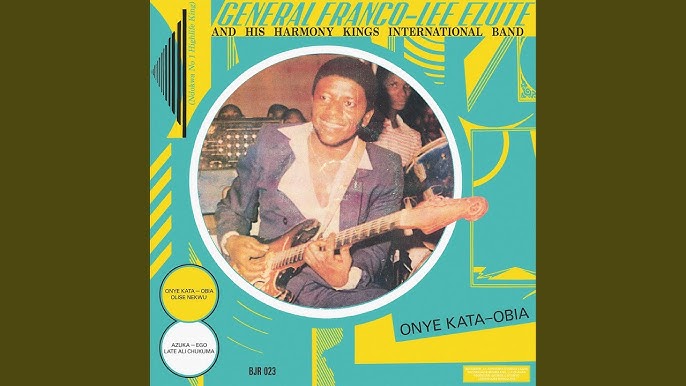
General Franco Lee Ezute is one of those musicians whose music seems to live inside people’s memories. For anyone familiar with Delta State, especially the Ndokwa area, his voice carries nostalgia, culture, and a kind of melodic warmth you don’t easily forget. Often called the “Harmony King of Ndokwa,” Ezute helped bring the Ndokwa sound into mainstream highlife, making it recognizable far beyond his hometown.
The written record
Historical context
Early Life and Musical Roots
Franco Lee Ezute was born into the Ndokwa ethnic group of Delta State, a region rich in traditional rhythms, folk chants, and ceremonial music. Growing up, he was surrounded by local drumming patterns and call-and-response singing. These early influences later became key parts of his highlife style.
Ezute’s entry into music wasn’t accidental, he had a natural ear for melody, and people around him often noticed the clarity and smoothness of his voice. Over time, he built a band and began performing locally, slowly creating the sound that would make him famous. He’s music stands out because of its blend of:
traditional Ndokwa rhythms
soft highlife guitars
soothing horns
tight vocal harmonies
storytelling lyrics
He didn’t rush through songs. Instead, he allowed them to breathe, giving listeners time to feel the rhythm and absorb the message.
His signature use of layered harmonies is what earned him the title “Harmony King.” The way he arranged voices, male backups, female backups, echoes, and call-and-response, gave his songs a full, warm texture. If you listen closely, you’ll notice he treated harmony like an instrument of its own.
Much like other cultural highlife musicians, Franco Lee Ezute used his songs to talk about real life, love, unity, hardship, community values, and social advice. Some of his popular themes include: the importance of peace in families and communities, the struggles of everyday people, moral lessons, celebration of Ndokwa traditions.
He had a soft, comforting way of communicating these messages, making his music suitable for weddings, gatherings, long drives, and quiet evenings.
Some of his notable songs are;
“Ona-Ona”
“Ojoro”
“Ifeoma”
“Anyi Ga-Adi”
“Akpami Ni”
These tracks helped cement his place in the highlife world. They featured smooth transitions, memorable choruses, and excellent vocal layering, hallmarks of Ezute’s sound.
His music became especially popular in eastern and southern Nigeria. Even those who weren’t Ndokwa speakers were drawn to the calming rhythm and the emotional sincerity in his voice.
Cultural Influence and Legacy
General Franco Lee Ezute did something very important: he preserved his people’s cultural identity through modern music. At a time when many musicians were adopting foreign influences, he kept the Ndokwa sound alive and proudly showcased it.
He influenced the younger generation of Delta musicians, cultural festivals, highlife DJs and collectors who still circulate his songs, listeners who use his music to reconnect with home
To many fans, his music represents memories of childhood, family gatherings, traditional ceremonies, and a time when highlife ruled.
Franco Lee Ezute’s music represented a unique highlife tradition from Ndokwa. His harmonies are unmatched and easily recognizable.
He recorded timeless songs with lasting replay value, his music connects older and younger generations. He also documented cultural wisdom in musical form.
In an age of fast, digital music, his sound reminds people of authenticity, the kind of music made with heart, patience, and cultural pride.
General Franco Lee Ezute remains one of the most important voices to emerge from the Ndokwa region. His blend of harmony, culture, and smooth highlife rhythms earned him the title “Harmony King,” and his songs continue to resonate decades later.
He may not always be mentioned in mainstream Nigerian music conversations, but among lovers of cultural highlife, his name remains golden. His work is a reminder that music can preserve identity, heal communities, and tell the story of a people.
Sources and references
- Ejiofor, P. (2016). Highlife music and cultural identity in the Niger Delta. Port Harcourt: Rivers Heritage Press.
- Okafor, C. (2012). The legacy of highlife music in Nigeria. Lagos: West African Press.
- Uroh, F. (2020). Traditional rhythms of the Nd okwa people and their evolution. Asaba: Delta Cultural Institute.
Cite this article
Discussion
Sign in to join the discussion
Comments are checked by an editor before they appear. Leave a source or a correction and it is read first.
Continue reading
No comments yet
Nothing has been approved on this record yet. Comments are checked by an editor before they appear, so one written now shows on this page after that check.