 Ozikoro
 Biography · Published history
General Ike Nwachukwu – Life and Legacy
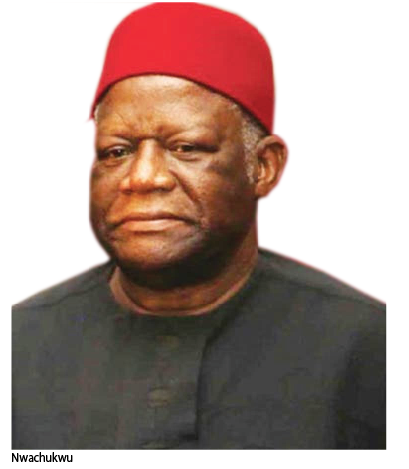
General Ike Omar Sanda Nwachukwu is one of Nigeria’s most distinguished military officers, diplomats, public servants, and political leaders. His career has spanned critical periods in Nigeria’s history, including military governance, national policy formulation, foreign diplomacy, and democratic representation. Born to parents of mixed ethnic heritage and trained across multiple military and strategic institutions, Nwachukwu’s life reflects a blend of patriotism, intellectualism, and pan-Nigerian identity. His legacy includes the establishment of enduring institutions like the National Directorate of Employment, service as Military Governor of Imo State, leadership in foreign affairs, and representation in the Senate of the Federal Republic of Nigeria.
The written record
General Ike Nwachukwu – Life and Legacy
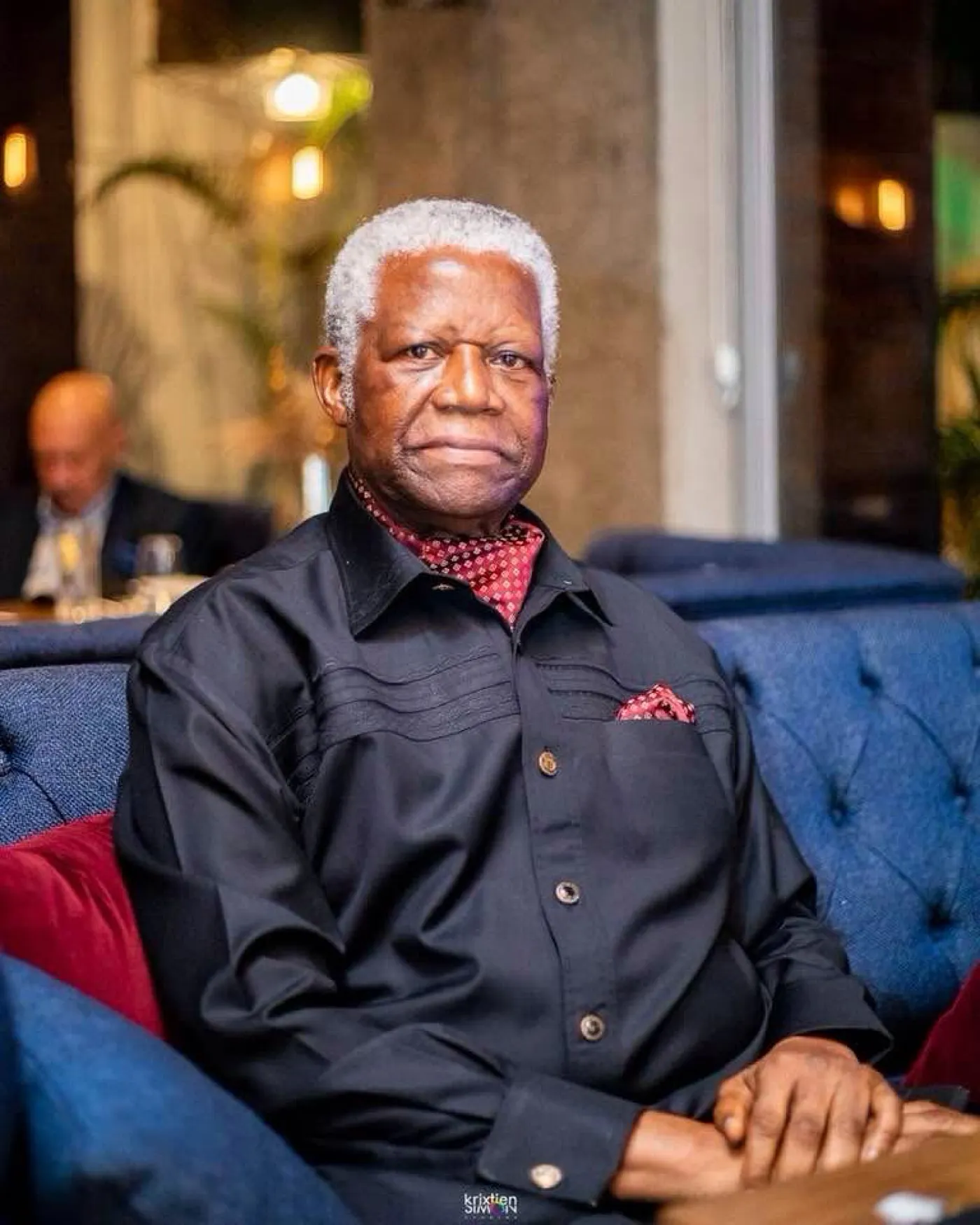
Historical context
Early Life and Education
Ike Omar Sanda Nwachukwu was born on 1 September 1940 in Port Harcourt, Southern Region, British Nigeria (now in Rivers State). He was born to an Igbo father and a Fulani mother from Katsina, giving him a symbolic pan-Nigerian identity from birth. Nwachukwu’s early education took place at Ladi-Lak Institute, Yaba, Lagos, and Lagos City College before he pursued military training at the Nigerian Military Training College, Kaduna (now Nigerian Defence Academy). He furthered his professional military education at the Royal Canadian School of Infantry and the School of Infantry, Warminster (UK). Additionally, he enrolled in courses at the Institute of Humanitarian Law, San Remo (Italy), the United Nations Peace Academy, and the National Institute for Policy and Strategic Studies (NIPSS) in Nigeria. This broad military and strategic education equipped him for diverse roles as a soldier, administrator, and international diplomat.
Military Service and Command Positions
Nwachukwu rose through the ranks of the Nigerian Army to attain the rank of Major General before retiring. His active military service included significant command and administrative positions such as:
- Provost Marshal, Nigerian Army
- Adjutant-General, Nigerian Army
- General Officer Commanding (GOC), 1st Mechanised Division
- Other senior operational and training roles in the military sphere.
As a soldier, he was noted for discipline, strategic thinking, and loyalty to the Nigerian state. Despite his Igbo and Fulani background, Nwachukwu served Nigeria during turbulent times, including the civil war era, affirming his belief in national unity.
Administrator of Imo State
In January 1984, during the military regime of General Muhammadu Buhari, Nwachukwu was appointed Military Governor of the old Imo State (now Imo and Abia states). His administration was marked by a focus on institutional stabilisation and infrastructure improvement. One of his notable achievements was reinforcing the establishment of Imo State University by consolidating its multiple campuses into a permanent site at Uturu. He also expanded healthcare initiatives and invested in vital social services within the state. He also undertook steps to merge state broadcasting services into a stronger unified corporation now known as the Imo Broadcasting Corporation (IBC) to enhance local media and culture.
Ministerial Leadership and the National Directorate of Employment
Upon leaving office as governor in 1985, Nwachukwu was appointed Minister of Employment, Labour and Productivity under General Ibrahim Babangida’s regime. In this role, he established the National Directorate of Employment (NDE) in 1987. This institution was created to address the acute issue of unemployment particularly among graduates through skills training, small business support, and vocational programmes. The NDE remains one of Nigeria’s most enduring efforts to tackle unemployment at the grassroots level.
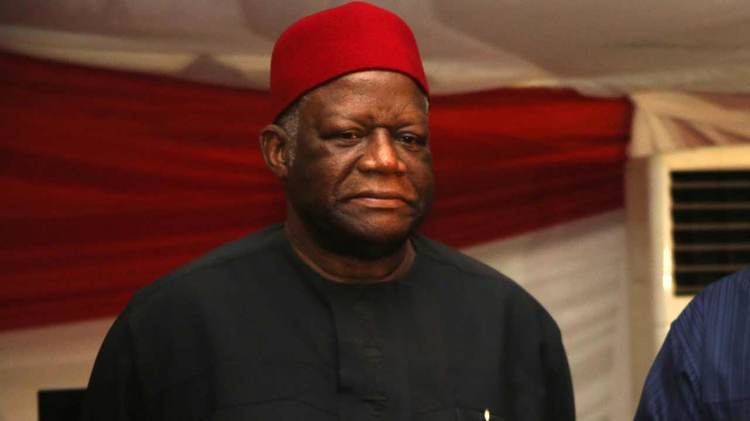
Foreign Affairs Minister and Economic Diplomacy
General Nwachukwu served as Minister of Foreign Affairs twice: first from December 1987 to December 1989, and later from September 1990 to January 1993. During his tenure, he was recognised for pioneering the popular concept of “economic diplomacy” , a policy approach aligning diplomatic initiatives with economic and trade interests to expand Nigeria’s global influence. LHis diplomatic contributions extended to advocacy on international issues, particularly Nigeria’s leadership role in combating apartheid in South Africa. Notably, during the late 1980s, Nigeria’s delegation played an influential role at the United Nations and Organisation of African Unity (OAU) in pushing for sanctions and international pressure against apartheid policies, a stance that earned Nigeria global respect.
As Foreign Minister, he also led Nigerian delegations to numerous international conferences, including environmental negotiations and United Nations sessions, ensuring that Nigeria was actively engaged in global policy discussions.
Political Career in Democracy: Senate and Beyond
With Nigeria’s return to democracy in 1999, Nwachukwu transitioned into elective politics. He was elected Senator for Abia North and served one term from 1999 to 2003 under the Peoples Democratic Party (PDP). During his time in the Senate, he chaired the Senate Committee on Power and Steel and the Senate Committee on Governmental Affairs, reflecting his strategic mindset and legislative leadership.
In the 2003 presidential election, Nwachukwu contested as the candidate for the National Democratic Party (NDP), although he secured only a small fraction of the vote. Nonetheless, his participation highlighted his continued commitment to Nigeria’s evolving democratic processes.
Awards, Honours, and National Recognition
General Nwachukwu received numerous honours throughout his career. His military decorations include the Nigerian Independence Medal, Forces Service Star, Defence Service Star, and National Service Medal. He was also conferred the Commander of the Federal Republic (CFR) a high national honour recognising his contributions to Nigeria’s service and governance.
Beyond military medals, Nwachukwu earned recognition from both national and international organizations for his leadership, diplomacy, and contributions to regional and global policy discourse.
Personal Qualities, Identity, and Philosophy
General Nwachukwu’s mixed ethnic heritage (Igbo father and Fulani mother) and his upbringing in multi-ethnic Lagos helped shape his identity as a detribalised Nigerian, a perspective he nurtured throughout his life. Commentators have noted that his pan-Nigerian outlook and rejection of narrow ethnic politics positioned him as a unifying figure in a country often divided along regional lines. Reflecting on his life, Nwachukwu emphasised national unity as the foundation of Nigeria’s stability and development, a theme articulated in his speeches and policy positions, especially during public reflections at events such as his 80th birthday celebrations.
Legacy
General Ike Nwachukwu’s legacy spans four major arenas:
- Military Leadership: His rise to Major General and leadership in operational and command roles exemplified professional and disciplined service.
- Public Administration: As Military Governor of old Imo State, he strengthened institutional infrastructure and educational foundations.
- National Policy: As Minister of Employment and later Foreign Affairs, his establishment of the NDE and emphasis on economic diplomacy shaped national development policy.
- Democratic Representation: His tenure in the Senate reflected his ability to adapt skills from military and executive leadership to governance and legislative oversight.
These combined roles reflect a life dedicated to service, national cohesion, and pragmatic leadership qualities that historians and political analysts continue to study and celebrate as part of Nigeria’s political heritage.
General Ike Nwachukwu’s life story is one of commitment, versatility, and national service. From his early years as a military officer to his roles as state administrator, federal minister, diplomat, and senator, he demonstrated leadership and intellectual engagement at every stage of his career. His belief in unity, economic diplomacy, and institutional development has left an enduring legacy in Nigerian public life. As a soldier celebrated for discipline and a statesman admired for strategic vision, Nwachukwu remains a respected figure whose contributions have shaped both Nigeria’s domestic governance and foreign engagements.
Sources and references
- Blerf. (n.d.). “NWACHUKWU, Ike Omar Sanda – Biographical Legacy and Research Foundation.”
- Nigerian Politico. (2025, September 6). “Major General Ike Omar Sanda Nwachukwu (Rtd.) at 85: Soldier, Statesman, Diplomat and Senator.”
- Premium Times. (2014, March 17). “PROFILE: Ike Nwachukwu – Nigeria National Conference.”
- The Sun Nigeria. (2020). “General Ike Nwachukwu at 80: Making of a most detribalized Nigerian.”
- Independent Newspaper. (2020). “Buhari gree ts Ike Nwachukwu at 80.”
Cite this article
Discussion
Sign in to join the discussion
Comments are checked by an editor before they appear. Leave a source or a correction and it is read first.
Continue reading
No comments yet
Nothing has been approved on this record yet. Comments are checked by an editor before they appear, so one written now shows on this page after that check.