 Ozikoro
Biography · Published history
Harcourt Whyte: The Father of Igbo Hymns
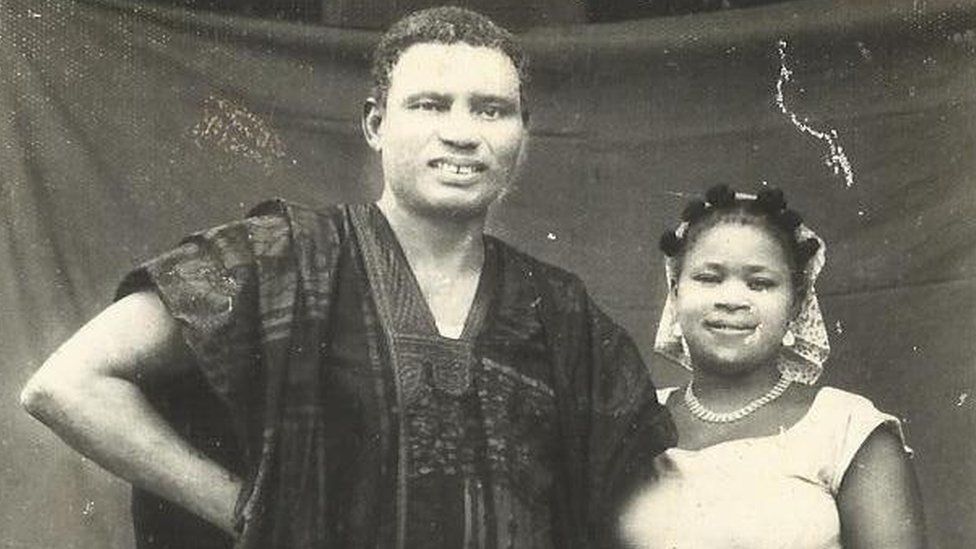
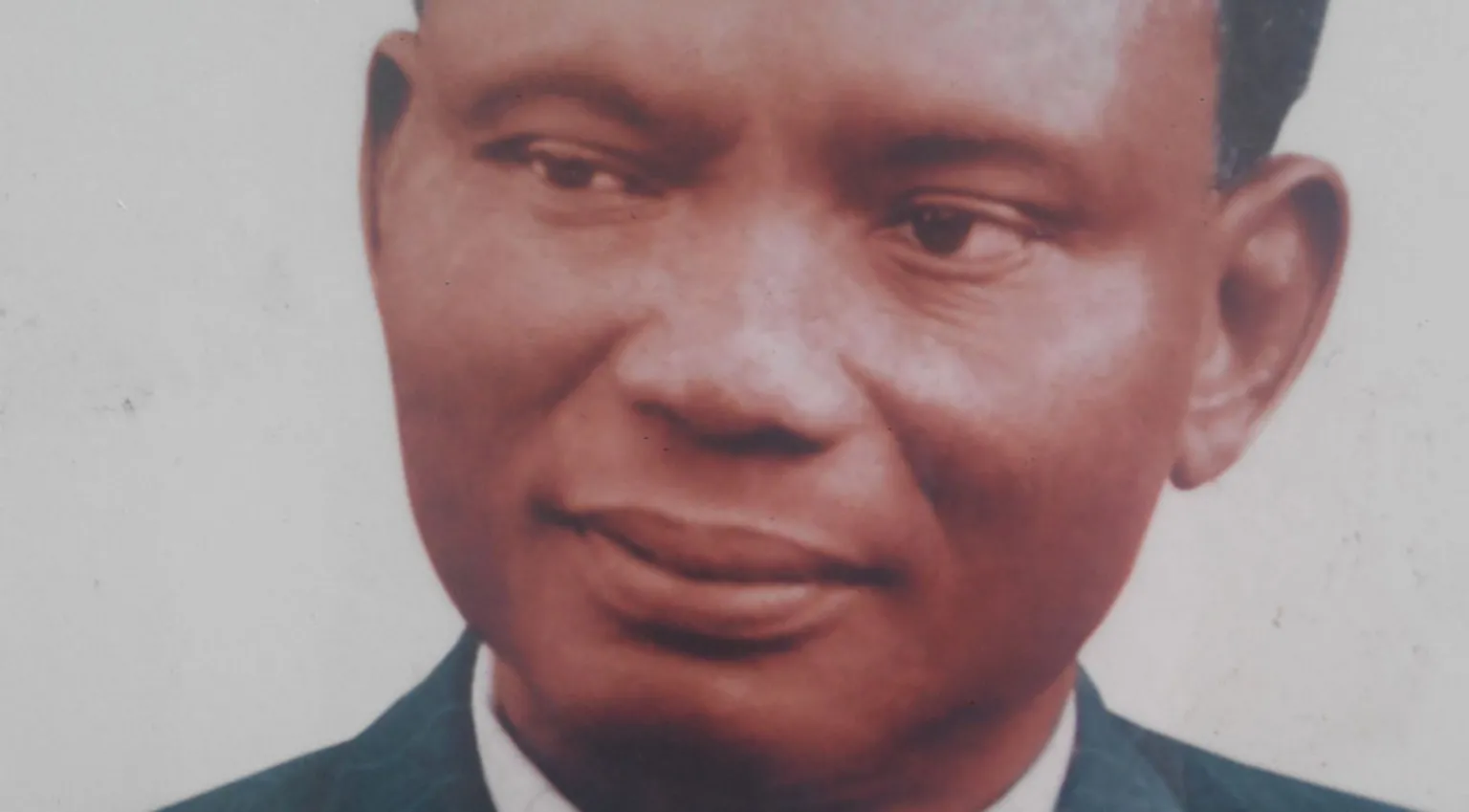
Harcourt Whyte is one of those rare figures whose work seems to glow quietly through generations. Even if you don’t know his name, you’ve probably heard his hymns, sung in churches, choirs, and cultural gatherings across Igboland. Known today as “The Father of Igbo Hymns,” Whyte transformed Christian worship by giving the Igbo language a powerful, spiritual musical identity.
The written record
Historical context
Early Life
Ikoli Harcourt-Whyte was born in 1905 in Abonnema, a riverine town in present-day Rivers State, Nigeria, into the Kalabari ethnic group. Raised by devout Christian parents, Munabo and Odibo, he grew up in a household defined by spiritual discipline and moral integrity. His early education began at Bishop Crowther Memorial School between 1915 and 1918, where he demonstrated early musical talent, joining the school’s brass band and learning to play the flute and side-drum.
Tragedy struck early. His mother passed away in 1916, followed by his father in 1919. By age 14, Harcourt‑Whyte was not only orphaned but also diagnosed with leprosy, a disease that carried immense social stigma at the time. He was forced to abandon his education and was admitted to Port Harcourt General Hospital before being transferred in 1932 to the Uzuakoli Leprosy Hospital in present-day Abia State. The leprosy condition led him to live in a leprosy settlement in Uzuakoli, Abia State.
But instead of breaking him, those difficult years brought out his incredible gift.
At Uzuakoli, Harcourt‑Whyte came under the mentorship of Dr Thomas Frank Davey, a British missionary and medical doctor with a background in music. Dr Davey recognised his talent and provided private instruction in Western music theory, Methodist hymnody, and choral arrangement. Though denied formal conservatory training, Harcourt‑Whyte absorbed this tutelage with humility and purpose. His extraordinary musical ability, his voice, his ear for harmony, and his unique instinct for composition were undeniable. Soon, he began writing hymns in the Igbo language, blending Christian themes with traditional tonal patterns. His music would eventually travel farther than he ever did.
Musical Career
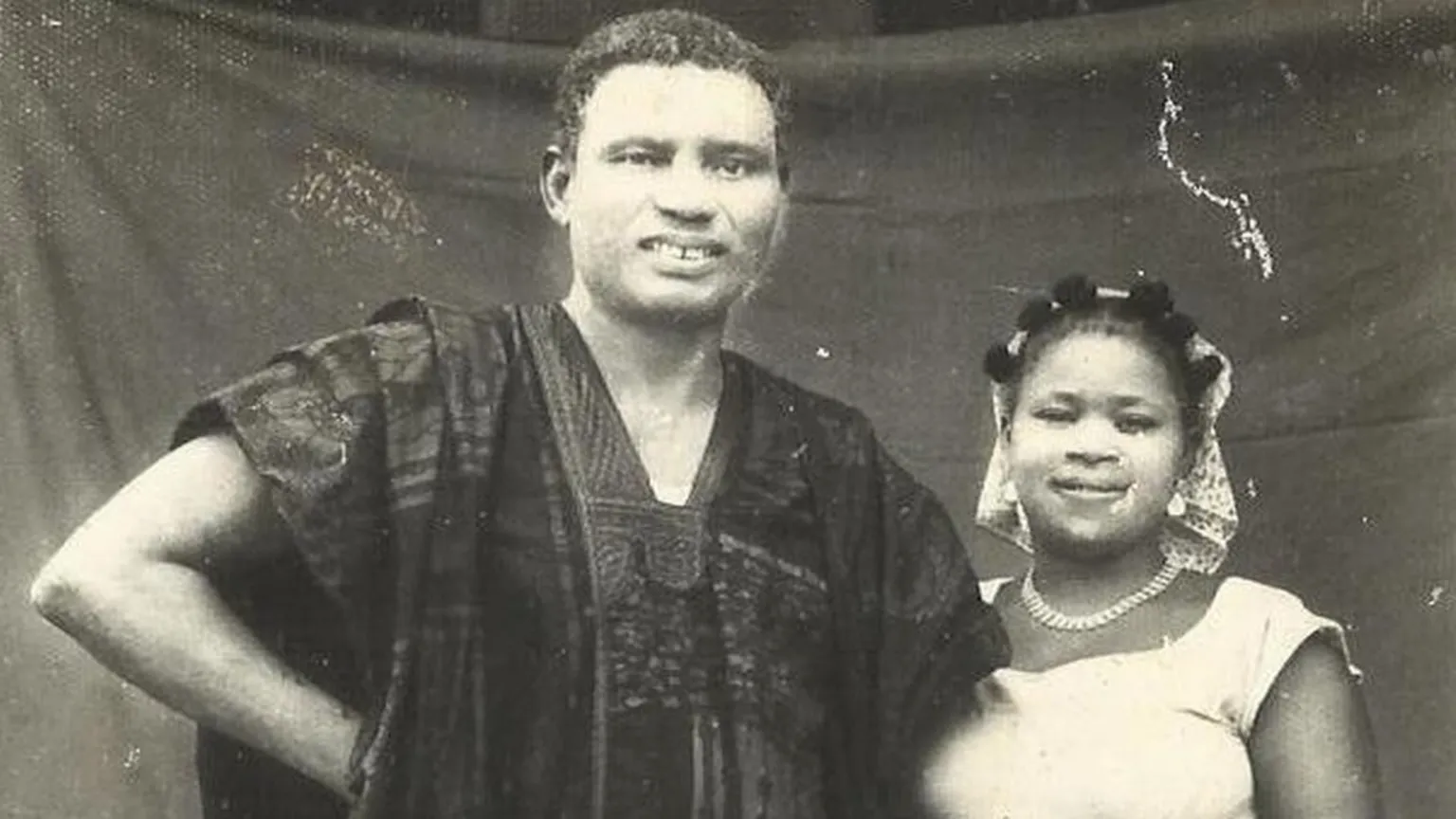
From the isolation of Uzuakoli’s leprosy settlement emerged one of Nigeria’s most enduring musical legacies. Harcourt‑Whyte began composing hymns in the early 1930s, not for commercial success, but as a source of comfort for fellow patients. His work was deeply rooted in Christian faith, Methodist liturgy, and Igbo culture, a rare fusion at the time.
Though Kalabari by birth, he adopted Igbo as his primary language for composition, a conscious, compassionate choice reflecting his environment. This linguistic shift enabled him to minister directly to the Igbo-speaking patients and communities surrounding him. Working closely with Dr Davey, he blended European sacred harmonies with African vocal traditions, creating a genre now recognised as Igbo church music. He trained a choir composed entirely of leprosy patients, turning them into an acclaimed ensemble that performed across Eastern Nigeria. His compositions, often written in tonic sol-fa notation, explored themes of hope, healing, faith, and moral discipline.
By the 1940s and 1950s, his music had gained widespread acclaim. Songs like “Atulegwu” (Do Not Be Afraid) and “Otuto Nke Chukwu” (Praise Be to God) became anthems during both religious worship and periods of national crisis, particularly during the Nigerian Civil War (1967–1970). At a time when most church music in Nigeria relied heavily on English hymns, Harcourt Whyte did something revolutionary: He showed that worship could be deep, holy, and beautiful in Igbo.
His hymns, such as “Abum Onye Nwem” and “Jisos Bu Onye Ngwo” became instant favourites. They carried real emotion; joy, sorrow, hope, repentance, every feeling a human heart can hold. Whyte once explained that he composed to “bring God closer to the people,” and that’s exactly what his hymns did. Harcourt Whyte didn’t keep his gift to himself; he taught others. He trained choirs in the leprosy settlement, turning patients into skilled singers. Missionaries visiting Uzuakoli often described his choir as “one of the most angelic sounds in West Africa.”
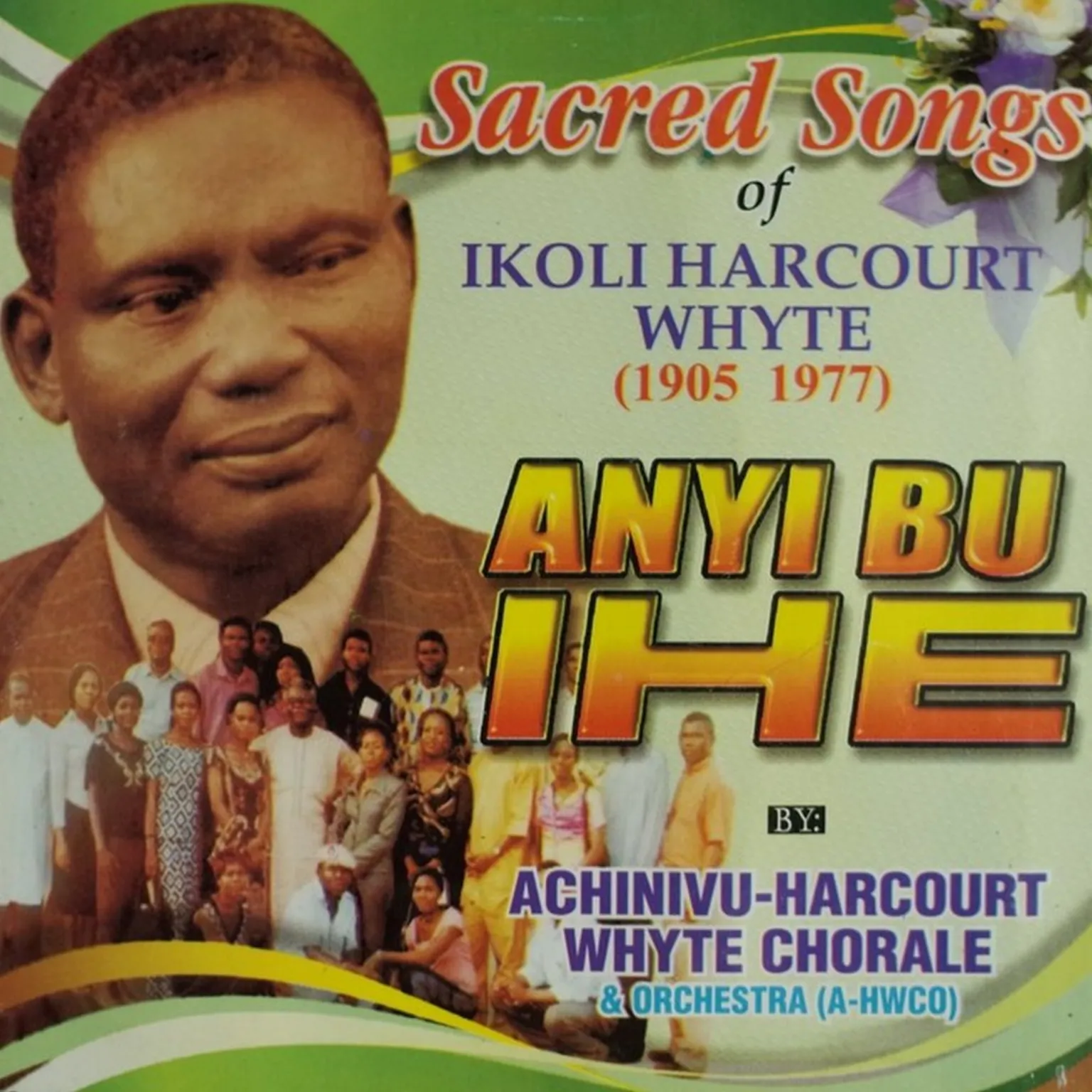
Many of his hymns gained international attention when missionary Rev. Dr Frank Davey notated and published them, ensuring they reached churches beyond Nigeria. Whyte’s music eventually found its way into hymn books, concerts, Christian revivals, and even university choir repertoires. He is credited with composing over 200 hymns, though some estimates place the number as high as 600.
Harcourt’s work laid the foundation for contemporary African choral worship and influenced generations of composers, church choirs, and music scholars. His life inspired literary works, including Ola Rotimi’s celebrated play Hopes of the Living Dead, and his hymn “Otuto Nke Chukwu” was sampled by Coldplay in their 2019 track Champion of the World.
Organisations such as the Sasakawa Health Foundation and Nigerian church archives have worked to digitise and preserve his music. His story is increasingly studied in schools, seminaries, and universities.
Personal Life and Final Years
Despite being medically cured of leprosy in 1949, Ikoli Harcourt‑Whyte made the deeply personal and symbolic decision to remain at the Uzuakoli Leprosy Settlement, the very place where his suffering had first taken root, but also where his extraordinary musical ministry had flourished. For Harcourt‑Whyte, Uzuakoli was more than just a place of healing; it had become a sanctuary, a creative incubator, and a spiritual home. His choice to stay was not one of resignation, but of purpose; a reflection of his unwavering belief in service, solidarity, and calling.
Rather than re-entering mainstream society, where he might have sought personal comfort or wider fame, Harcourt‑Whyte chose instead to live among the people who had become his extended family, fellow leprosy patients, medical workers, and missionaries. He saw in them the face of Christ: the poor, the suffering, the forgotten. His life became a profound embodiment of Christian humility and sacrificial love.
Harcourt‑Whyte’s daily routine was characterised by prayer, reflection, musical composition, and community teaching. He was known for waking early, often beginning his day with meditation on scripture and Methodist hymnals before moving into hours of writing and rehearsal with the choir he had formed. Visitors and residents alike often described him as soft-spoken, wise, deeply contemplative, and disciplined to the core.
His room at the settlement was modest, furnished simply, but often filled with handwritten music manuscripts, hymnbooks, sheets of tonic sol-fa notation, and religious texts. He was not driven by material ambition, but by the desire to uplift broken spirits through sacred song.
Though he never married or fathered children, Harcourt‑Whyte was far from alone. The community at Uzuakoli cherished him not just as a teacher but as a spiritual father, mentor, and friend. He was especially beloved by the younger patients, many of whom he trained in music and moral discipline. To them, he was not merely a choirmaster but a living example of how grace could transform pain into purpose.
Tragic Passing
In 1977, Ikoli Harcourt‑Whyte’s life was cut short in a tragic motor accident, bringing a sudden end to a journey marked by resilience, compassion, and musical brilliance. His death was met with sorrow not only by those within the leprosy settlement but by churches, musicians, and admirers across Nigeria. For many, it was not just the death of a composer but the loss of a prophetic voice who had transformed adversity into sacred art.
Yet, his legacy did not die with him. Harcourt‑Whyte’s hymns continue to echo in churches, choirs, and cultural spaces across Nigeria and beyond. His life story, one of suffering turned into song, of marginalisation turned into ministry, remains a beacon of what it means to live not for self, but for the healing of others.
Today, decades after his passing, Ikoli Harcourt‑Whyte is remembered not merely as a musician but as a visionary, a servant-leader, and a saint of the people, whose music transcended affliction and offered eternal comfort to broken hearts.
Harcourt Whyte’s hymns remain some of the most cherished sacred songs in Igboland.
He is celebrated as:
- A pioneer of indigenous Christian music
- A symbol of resilience
- A cultural bridge between African rhythm and Christian worship
- A mentor who proved that disability does not reduce destiny
- His life shows that greatness often comes quietly, and that some of the most powerful voices rise from places the world overlooks.
- Harcourt Whyte didn’t just write hymns.
- He gave Igbo Christianity its sound.
Sources and references
- Davey, F. (1980). The hymns of Harcourt Whyte: A study of indigenous church music in Igboland. London: Missionary Music Press.
- Ekwueme, L. (1995). “Harcourt Whyte and the evolution of Igbo sacred music.” Journal of African Sacred Arts, 7(2), 33–47.
- Nnamani, C. (2011). Sacred songs of the East: A history of Igbo church music. Enugu: Spiritan Publications.
- Whyte, H. (1965). Abum onye nwem [Hymn]. Uzuakoli Leprosy Settlement Choir Records.
Cite this article
Discussion
Sign in to join the discussion
Comments are checked by an editor before they appear. Leave a source or a correction and it is read first.
Continue reading
No comments yet
Nothing has been approved on this record yet. Comments are checked by an editor before they appear, so one written now shows on this page after that check.