 Ozikoro
 Cultural Heritage · Published history
Ichafu or Unari: Igbo Headgear That Tells a Thousand Stories
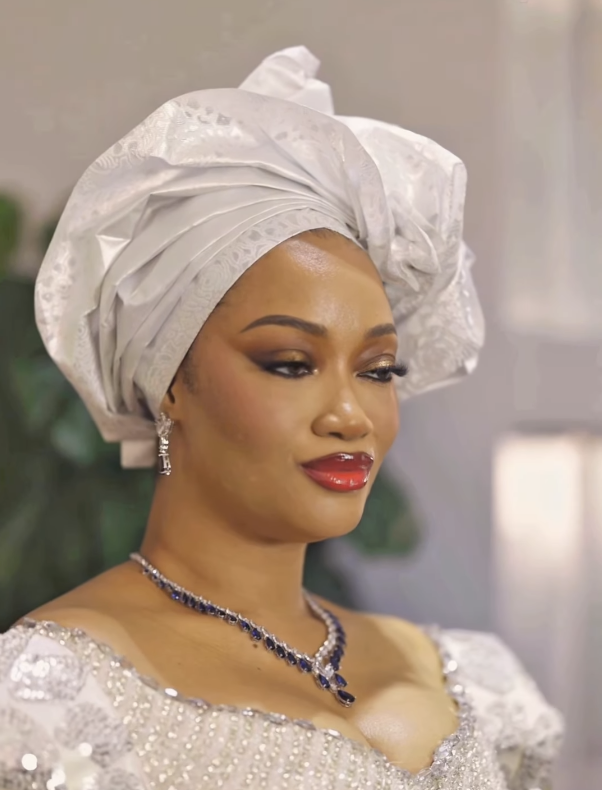
Ichafu is a common name for traditional headgear in Alaigbo, being the prime fashion accessory for Igbo women for over a century and a half. This article explores the history, origins, etymology and influence of Ichafu on modern-day Nigerian fashion.
The written record
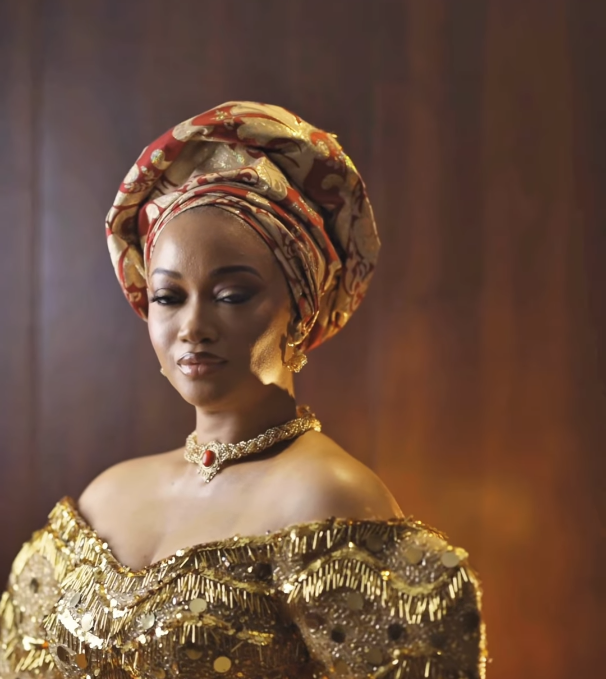
The History and Etymology of Ichafu
Before the widespread use of the term ‘‘Ịchàfụ̀’’, headgear in precolonial Igbo society was known by various names depending on dialect. These include Ụ́narị (also rendered as Ụ́nalị, Ụ́larị, or Ị́larị), as well as terms such as ‘‘aka-isi’’, ‘‘okaraisi’’, and ‘‘ihe-isi’’, all of which refer broadly to head coverings or headgear.
Historical context
Etymology
The term Ịchàfụ̀ is a native Igbo compound noun derived from two verb roots:
- Ịchị – meaning “to gather”, “to bunch”, or “to collect”
- Ịfụ or Ịfọ – meaning “to wrap”, “to bind”, or “to enclose”
Together, they form the descriptive action phrase ‘‘Ịchị àfụ́ isi’’, meaning “to gather and wrap the head”. This reflects the physical process involved in creating the headgear.
In Igbo morphology, the prefix Ì- is used to nominalise verbs, forming concrete nouns from verbal expressions. Thus, ‘‘Ịchàfụ̀’’ refers to the object produced from the act of gathering and wrapping fabric around the head.
The structure of Ichafu;
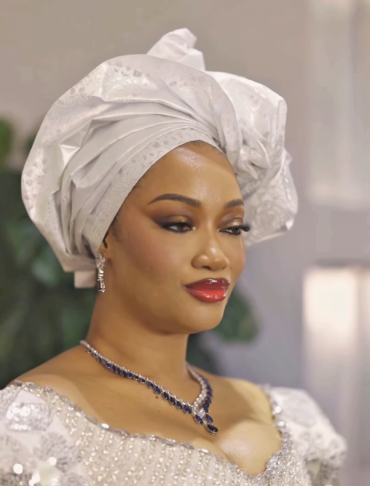
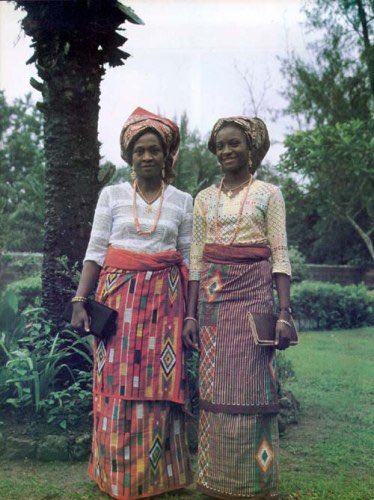
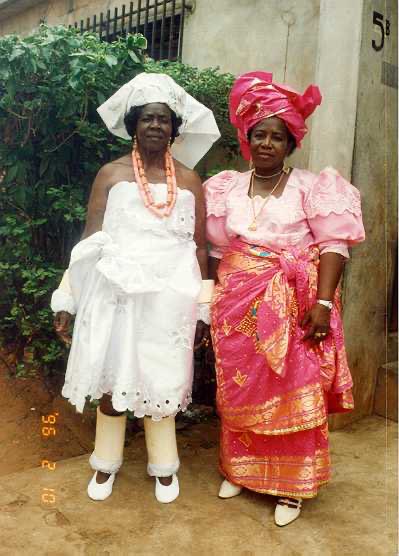
Ichafu is usually big, bold and not patterned to be even or straight. Unlike flat or evenly patterned head ties, it is typically arranged in voluminous folds that rise upward, It’s mostly tied to sprouting up like the tall raised feathers of a peacock. Which symbolizes the pride and prestige that Igbo women are well known for.
Occasions That Demand The Tying Of Ichafu
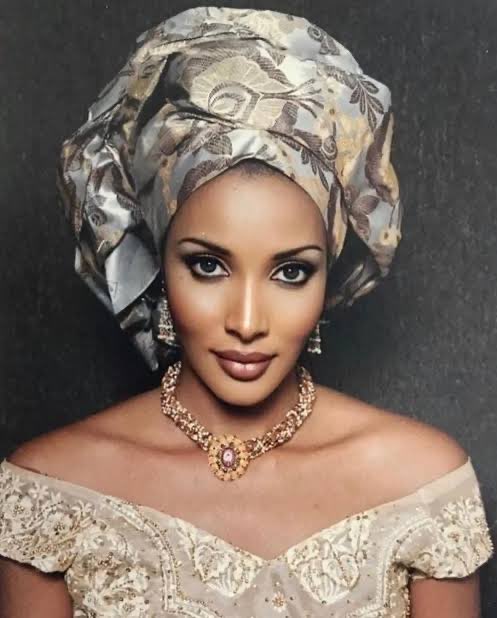
Most times igbo women tie ichafu for occasions like
Traditional weddings: Igbo women tie ichafu for their igba nkwu ( which is the celebratory stage of the marriage process), where they get to dress their best, while the ichafu sits elegantly as a crown on their head.
Funerals: Ichafu is also tied during burials as a fashion statement and sometimes in support of the family of the deceased, representing their age group, etc.
Title Taking: Ichafu is a status symbol for titled women and those who would take up titles as well. This can be seen with ndi “odu” and ndi ekwe at events or at title takings
Materials used for Ichafu
Ịchàfụ̀ is made from various fabrics, with damask being the most commonly used due to its stiffness, sheen, and ability to hold elaborate shapes. Other materials include:
- George fabric
- Brocade
- Ankara
- Velvet
- Lace
- Akwete – a traditional handwoven textile of the Igbo people, known for its durability and intricate patterns[10]
- Akwaocha – a culturally significant white cloth associated with purity, ritual, and status in Igbo society[2]
In some cases, decorative elements such as beads may be used as alternatives or complements to headgear styling.
The Influence Of Ichafu On Modern-Day Fashion:
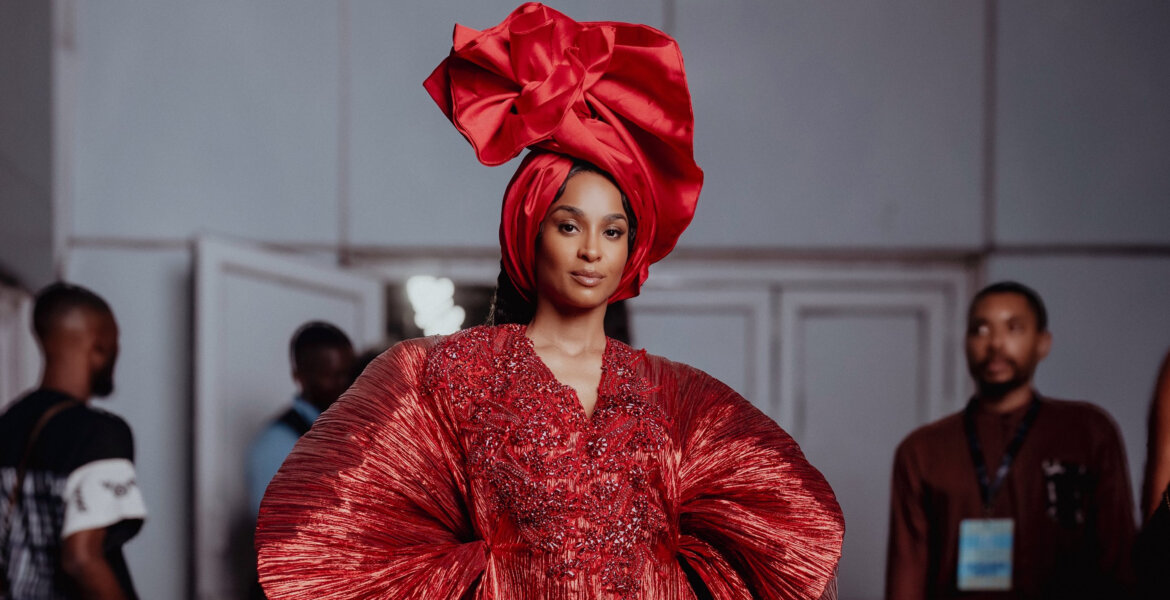
Ichafu has made a comeback in the Nigerian fashion scene, with its peculiar silhouette, bold and beautiful, high-standing pattern. From brides like Akwaugo rocking it on her wedding, to Ciara walking down the runaway crowned with ichafu, with Gozie Okeke’s akanchawa blasting in the background, paying homage to the origins of Ichafu. It shows that Ichafu has come here to stay, and it will be here for a long time to come.
Sources and references
- Chika, O. (2018). The Headtie – The Tie that Binds Us. Bellanaija.
- Maazị, O. O. (2023). Headtie or headgear in Igbo is called ịchafu, right?-X (formerly known as twitter)
- Kingsgate (2023). Embrace the Culture: Explore the Elegance of Igbo Women’s Attire
Cite this article
Discussion
Sign in to join the discussion
Comments are checked by an editor before they appear. Leave a source or a correction and it is read first.
Continue reading
Related histories
 Cultural HeritageEleven Days of Nwafor Ogidi: Inside the Festival Keeping an Old Igbo Tradition AliveRead history →
 Cultural HeritageIli Ji Nkpor Obododike: The Indigenous Agricultural Ritual CycleRead history →
 Cultural HeritageMusic and Drum Traditions: Tracing the “Igbo Drum” in the AmericasRead history →
No comments yet
Nothing has been approved on this record yet. Comments are checked by an editor before they appear, so one written now shows on this page after that check.