 Ozikoro
 Biography · Published history
Ifeanyi Ifoegbuna: Biography, Literature, and the Reflection of Igbo Culture
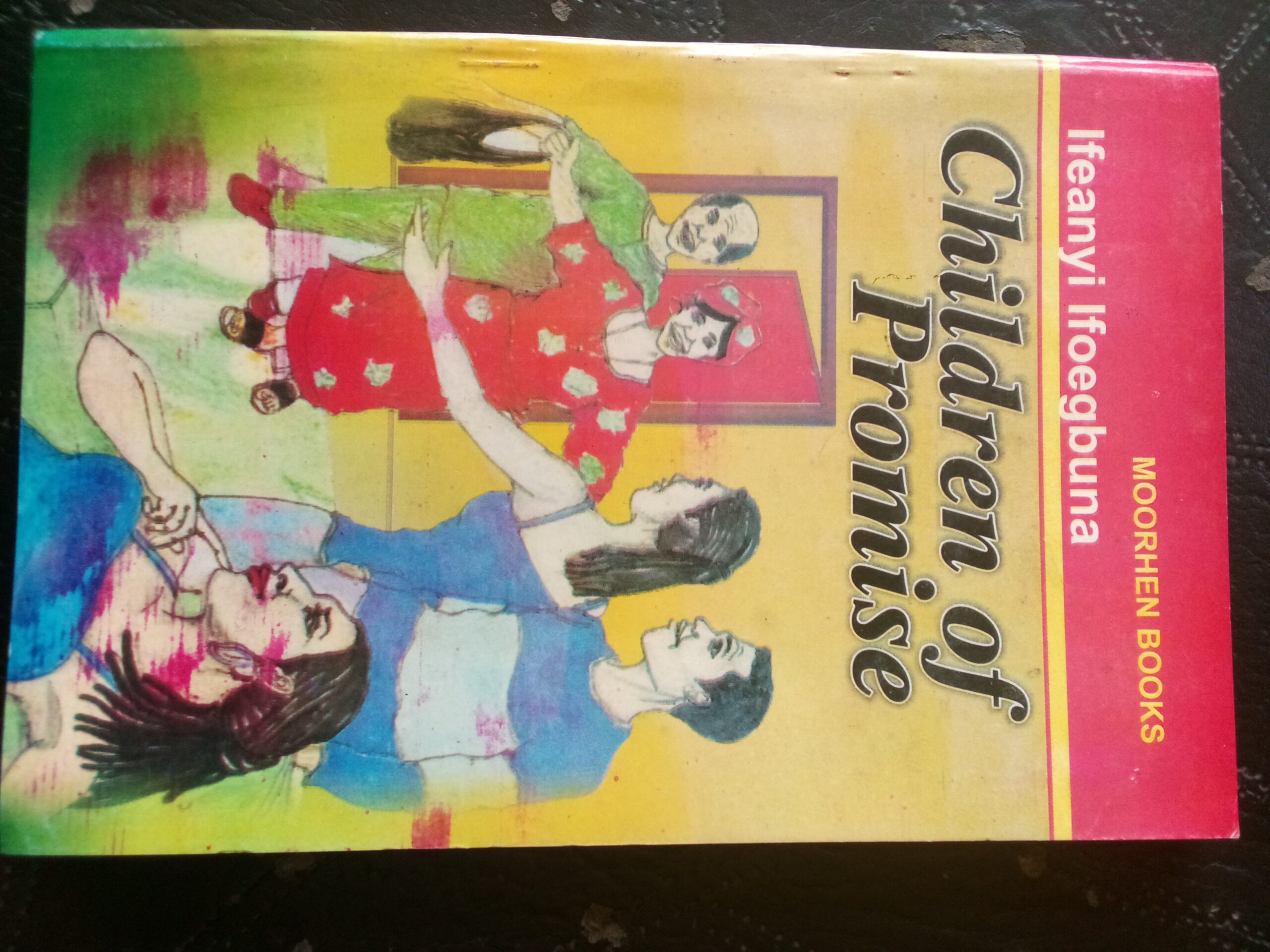
Ifeanyi Ifoegbuna is an important Nigerian author whose works especially in children’s literature and drama contributes significantly to Nigerian literary expression. His stories address themes such as family responsibility, gender roles, education, and societal expectations, all situated in Nigerian cultural realities that often reflect Igbo identity and community values. Although not widely documented in major open encyclopaedias like Wikipedia, Ifeanyi Ifoegbuna’s published works and public library records attest to his influence in Nigeria’s literary scene.
The written record
Historical context
Biographical Background
Ifeanyi Ifoegbuna is a Nigerian author, banker, and playwright known for his prolific contributions to Nigerian literature, particularly within the Lantern Book series. His work often explores themes of morality, social justice, and traditional African values. Ifoegbuna worked as a senior manager at Union Bank of Nigeria. He studied at the Yaba College of Technology, Lagos, and the University of Nigeria, Nsukka, specializing in Economics and despite not studying English formally, he has authored over 15 titles, including drama and prose, with 11 of his works published in the Lantern Book Series.
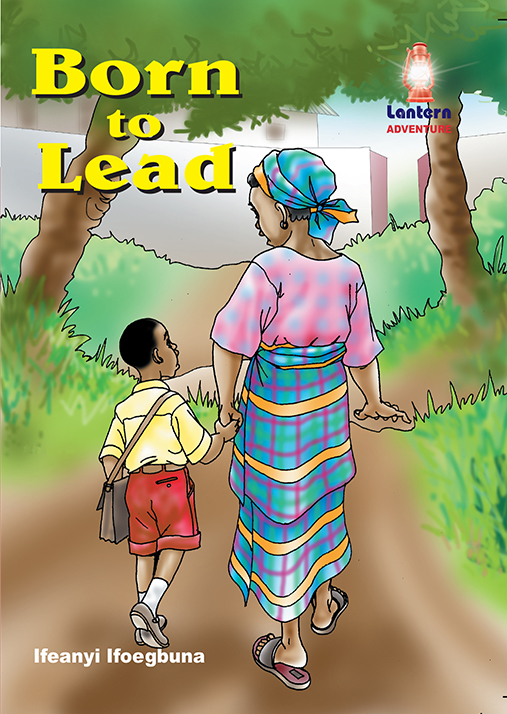
Ifeanyi Ifoegbuna is a Nigerian writer whose works span children’s fiction, drama, and narrative plays. Bibliographic collections list several of his writings including titles such as The Elixir, Chasing Shadows, The Cycle of Power, Folake and Her Four Brothers, A Blessing in Disguise, Trials of Kelechi, A Woman of Substance, A Man for All Seasons, A Man of Destiny, Born to Lead, and The Trial of Emeli. These records indicate that Ifoegbuna’s work has been in circulation since at least the early 1980s, with multiple editions appearing over decades.
Because Ifoegbuna’s personal life is not well covered in mainstream online encyclopaedia entries, much of what is known about him comes from library catalogues, published books, and academic studies of Nigerian children’s literature. His published work illustrates a literary career dedicated to both entertainment and moral instruction, cultivating narratives that address youth experiences and family structures in Nigerian contexts.
Major Literary Works
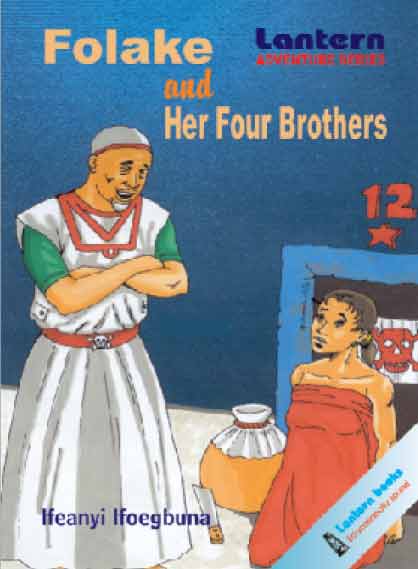
Among Ifoegbuna’s works, Folake and Her Four Brothers stands out as one of his best-known children’s novels. First published in 1994, it forms part of the educational and adventure series aimed at young readers by Lantern Books and others. The story follows Folake, a determined young girl with aspirations for education, and her four brothers, who struggle within societal expectations around career, gender roles, and social mobility.
In Folake and Her Four Brothers, Folake’s desire for a university education contrasts sharply with the limitations placed on her family by poverty, tradition, and gender expectations. The narrative places Igbo cultural elements at the centre of its exploration of identity and aspiration. Here, Ifoegbuna uses setting, family dynamics, and gendered expectations to both entertain and instruct, inviting readers to consider how traditional values interact with modern aspirations.
His other works such as The Elixir, Chasing Shadows, and A Blessing in Disguise similarly use narrative tension and drama to probe interpersonal relationships, moral challenges, and societal pressures. Many of these titles engage with themes of personal fate, morality, and ethical decision-making, common motifs in African literature that aim to build character and social awareness in young readers and adults alike.
Although Ifoegbuna’s works are written in English, they often reflect cultural values rooted in Igbo and broader Nigerian storytelling traditions. Nigeria’s literary landscape has long drawn from oral performance, folklore, and indigenous expressions. Igbo literature, specifically, grew out of both oral traditions and formal written texts that preserve language, proverbs, and community values. Writers such as Pita Nwana, Flora Nwapa, and Chinua Achebe have paved the way for authors like Ifoegbuna by demonstrating how narrative can capture cultural complexity within local contexts.
In Folake and Her Four Brothers, the family structure with fathers, mothers, and siblings influencing plot direction, echoes the extended family communal ethic characteristic of Igbo culture. The importance placed on education, varied gender roles, and the negotiation between tradition and modernity further reflects Nigerian cultural tensions similar to those found in academic studies of children’s literature and cultural identity. Indeed, scholars explicitly reference Ifeogbuna’s work when analysing Igbo notions of masculinity and cultural roles in children’s literature, noting how such texts serve as vehicles for transmitting cultural norms and expectations about gender, family duty, and social behaviour.
Cultural Themes and Societal Reflection
Ifoegbuna’s narratives do more than tell stories; they function as mirrors of societal values. For example, Folake’s struggle with societal expectations reflects broader conversations about female empowerment and gender equity in traditional African societies. Within Igbo culture, as in many Nigerian ethnolinguistic groups education is often a site of negotiation between traditional roles and evolving economic opportunities. Folake’s insistence on schooling, even as her father considers early marriage as a family strategy, highlights the tension between cultural norms and individual aspirations. This interplay is a recurring motif in children’s and youth literature that seeks to expand readers’ understanding of identity and social change.
Moreover, the presence of brothers with traditional masculine roles and pursuits stands in conversation with academic observations about Igbo literature’s role in constructing masculine identity. Research on Nigerian children’s literature explicitly notes how oral traditions and narrative forms convey ideas about strength, honour, protection, and respect attributes tied to community life and cultural expression.
Ifoegbuna’s storytelling thus participates in a larger cultural continuum where narrative becomes a tool not only for entertainment but for affirming, questioning, and reshaping the cultural values of younger generations.
Literary Influence and Legacy
While Ifoegbuna may not have widespread global recognition like some Nigerian authors, his literary output has earned him a place in educational and literary circles. His books are found in library catalogues and school reading lists, and his storytelling has contributed to Nigeria’s growing body of children’s literature. By combining narrative adventure with cultural reflection, Ifoegbuna’s works resonate with readers seeking stories grounded in African experience and moral exploration.
His contributions are especially important in the context of Nigeria’s vibrant but under-documented children’s literature tradition, where authors engage with cultural identity, community expectations, and societal change.
Ifeanyi Ifoegbuna’s literary career stands as a testament to the power of narrative to combine culture, moral inquiry, and human development. Through works like Folake and Her Four Brothers and numerous other titles, he has woven stories that reflect Igbo cultural values, including family life, communal responsibility, gender roles, and educational aspiration. Although not widely profiled in major online encyclopaedia entries, Ifoegbuna’s presence in bibliographic records and literary analysis underscores his role in shaping children’s and adult literature in Nigeria.
By capturing everyday experiences rooted in Nigerian and implicitly Igbo cultural dynamics, Ifoegbuna’s narratives continue to help readers explore identity, community values, and the transformative power of literature.
Sources and references
- Ayodabo, S. J. (2021). Culture and Igbo notions of masculinity in Nigerian children’s literature (DOI:10.17159/tl.v58i2.8804).
- Google Books. (n.d.). Folake and Her Four Brothers – Ifeanyi Ifoegbuna.
- Open Library. (n.d.). Ifeanyi Ifoegbuna.
Cite this article
Discussion
Sign in to join the discussion
Comments are checked by an editor before they appear. Leave a source or a correction and it is read first.
Continue reading
No comments yet
Nothing has been approved on this record yet. Comments are checked by an editor before they appear, so one written now shows on this page after that check.