 Ozikoro
Ethnohistory · Published history
Igba Boyi: How the Igbo People Turn Apprentices into Successful Entrepreneurs
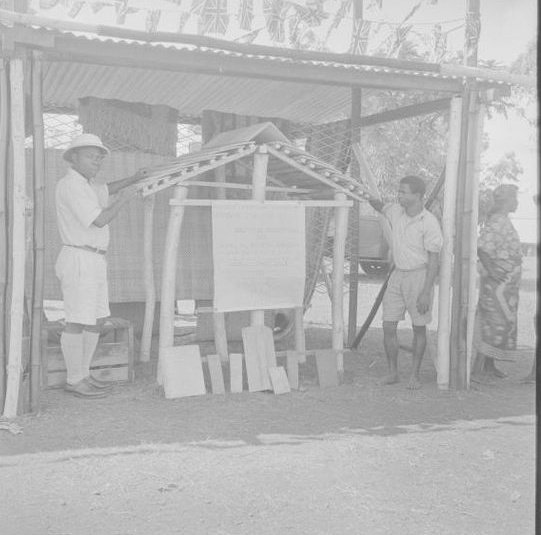
In Nigeria, especially in the southeastern region, there’s a powerful and unique way young people learn how to do business — it’s called the Igbo Apprenticeship System, also known as Igba Boi or Imu Ahia. This apprentice system is primarily practiced in the southeast because the region is well-known for commerce.
The written record
It’s more than just training; it’s a system that turns ordinary young people into successful entrepreneurs. The majority of the most successful Igbo businesspeople passed through this stage. This traditional system has helped thousands of Igbo men and women rise from having nothing to owning thriving businesses. It’s one of Africa’s most effective models for teaching entrepreneurship and building wealth from the ground up.
Historical context
What Is the Igbo Apprentice System?
The Igbo Apprentice System is a type of business mentorship program where a young person (called an apprentice) is trained by an experienced business owner (called an Oga). The Oga teaches the apprentice everything about running a business — how to buy and sell, manage customers, handle money, and build trust.
The apprentice usually lives with the Oga for several years, helping with both business and home activities. When the training period ends, the Oga rewards the apprentice by giving them startup funds , a shop/outlet or goods to begin their own business. This final act is called a “settlement” .
How It All Begins: The Three Main Stages
1. Talent Identification
It starts when a family notices that their child is business-minded or cannot continue school for financial reasons. The family then finds a successful trader or craftsman — someone respected in the community — who agrees to take the young person as an apprentice.
Before the apprentice leaves, a simple traditional ceremony takes place. The family hands the boy over to the Oga, and both sides agree on how long the training will last and what is expected, although the agreement is usually not written. This marks the beginning of a life-changing journey.
2. Learning and Training (The Apprenticeship Period)
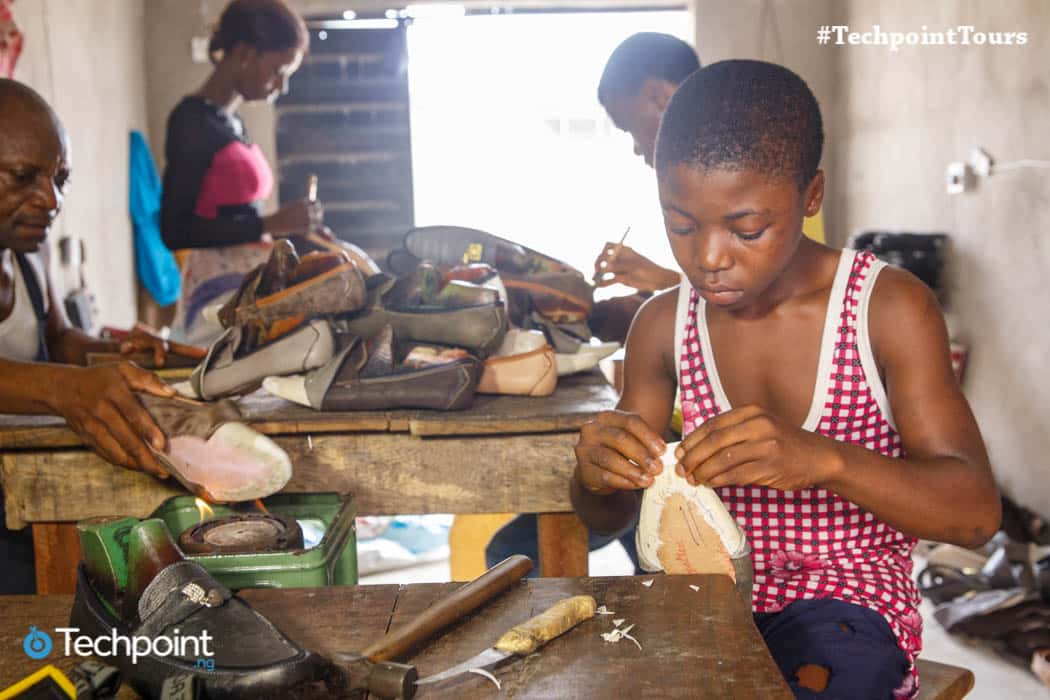
This is the longest and most important part. The apprentice begins by helping in the shop or workshop — running errands, carrying goods, cleaning, and learning by observation.
Over time, the Oga starts teaching real business skills like:
- How to talk to customers and bargain prices
- How to keep records and manage money
- How to buy goods in bulk and handle suppliers
- How to stay honest and loyal in business
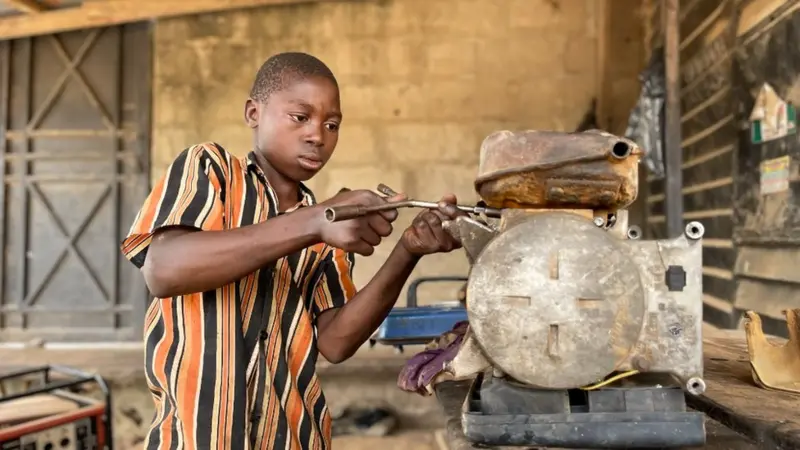
The apprentice learns not just about trade, but also about discipline, patience, and responsibility. These lessons prepare them for the real business world.
3. Graduation and Settlement
After serving faithfully for several years (usually 5 to 7 years), the apprentice is due for settlement. During a small ceremony, the Oga provides the apprentice with startup capital, goods, or both to help them open their own shop.
This stage is called “settlement,” and it’s a proud moment for both the Oga and the apprentice. It shows that hard work, loyalty, and honesty always pay off. Once settled, the apprentice becomes a business owner — and in time, may also train others. This is how the cycle continues, creating generation after generation of entrepreneurs.
Why the Igbo Apprentice System Works
What makes this system special is that it’s built on trust, loyalty, and mentorship — not certificates or university degrees. Every Oga was once an apprentice, so they understand the struggles and value of the process.
Here’s why it works so well:
- It gives young people real-life business experience.
- It teaches discipline and financial management.
- It helps people start businesses without needing bank loans.
- It builds strong communities, as successful apprentices often help others.
In many Nigerian markets — from Onitsha to Aba — most shop owners and traders started through this same system.
Modern Changes and Challenges
Today, the Igbo Apprentice System is still very active, but it faces some challenges:
- Lack of written agreements between Ogas and apprentices.
- Due to economic reasons, some Ogas provide only small capital for settlement, which can be challenging.
- Some people look down on apprenticeships as “for those who can’t go to school.”
- A few mentors do not train their apprentices properly.
Even with these problems, the system remains one of the most successful grassroots business models in Africa. It continues to produce hardworking entrepreneurs who build businesses from scratch — using lessons learned through real experience, not classrooms. It stands to be one of the most localized business training + localized venture capital system, where the profit for the “oga” is the successful business life of his retired apprentice.
Sources and references
- Ajaero, Chris. “The Igbo Apprenticeship System: The World’s Largest Business Incubator.” BBC News , 2022.
- Ndubuisi Ekekwe. “How the Igbo Apprenticeship System (IAS) Works.” Harvard Business Review , 2021.
Cite this article
Discussion
Sign in to join the discussion
Comments are checked by an editor before they appear. Leave a source or a correction and it is read first.
Continue reading
Related histories
 EthnohistoryGbam, Chai, Ewo: How Igbo Expressions Became the Language of Nigerian Pop CultureRead history →
 EthnohistoryAro Merchant Network: Historical Trade Integration in the Cross-Niger RegionRead history →
 EthnohistoryTransition to Commodities in the aro confederacy(e.g., Palm Oil, Ivory, Cloth)Read history →
No comments yet
Nothing has been approved on this record yet. Comments are checked by an editor before they appear, so one written now shows on this page after that check.