 Ozikoro
 Cultural Heritage · Published history
Igbo Ancestral Halls: Why They Matter and Their Different Names
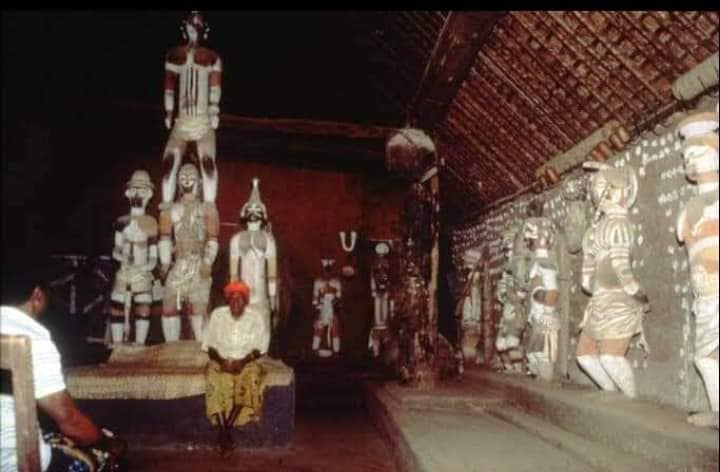
The Igbo people of Nigeria love their culture, family, and ancestors. A big part of this is their ancestral halls, called names like Obu, Obi, Ịbaa, Obiri, and Ovu in different Igbo areas. These halls are special places where people honour ancestors, have meetings, and celebrate traditions. This article explains why these halls are important, their names and shows how they vary across Igbo communities.
The written record
Historical context
Why Ancestral Halls Matter
Ancestral halls are not just buildings. They are holy places where Igbo people believe they can talk to their ancestors, who guide and protect them. The halls often have shrines with items like the ọfọ (a stick that shows power) or ikenga (a carved figure for strength).
People use them for events like weddings, settling family fights, or celebrating festivals like the New Yam Festival (Iri Ji).
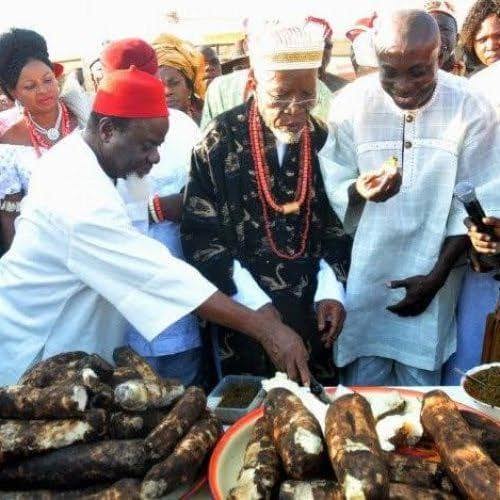
Photo Credit: Steemit – The Iri-Ji Mbaise Festival
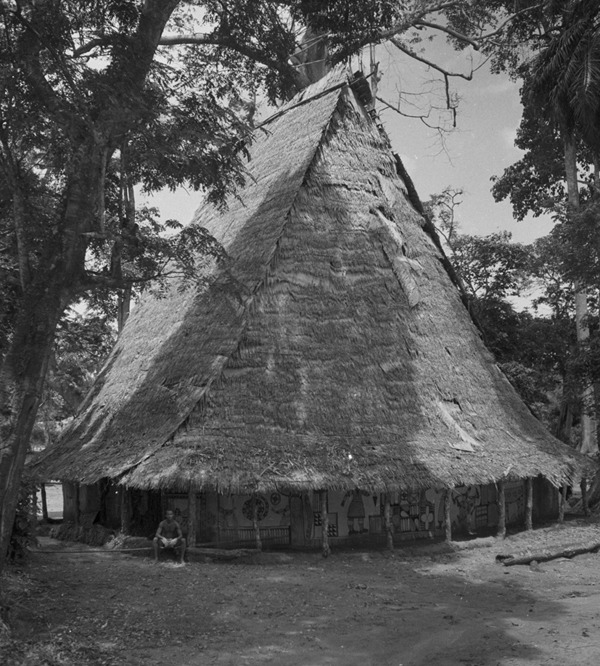
The halls also show who’s in charge. They are usually tied to the family or community leader, called the Ọkpara or Diokpa, who keeps traditions alive and leads meetings. The halls are made with simple things like mud, wood, or thatch, but they have symbols that show Igbo beliefs.
Different Names for Ancestral Halls
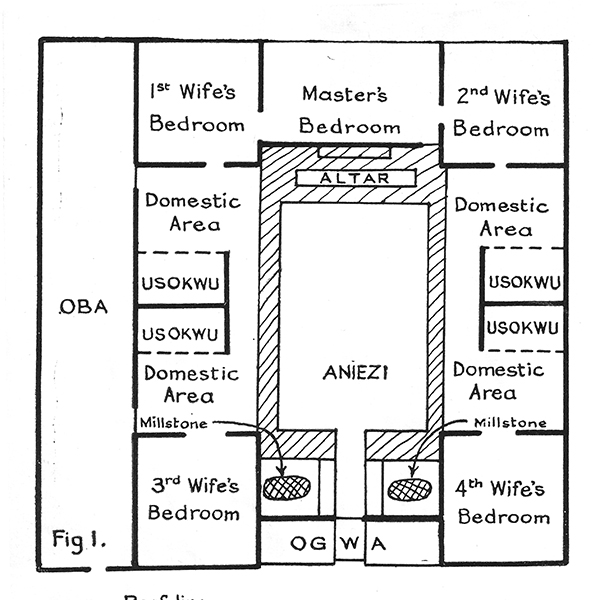
Igbo communities are different from each other, and each area has its own name for these halls. A well-known list of these names shows how diverse Igbo culture is. Here’s a simple breakdown of each name and where it’s used, with extra details for clarity:
- OBU : Igbo Izugbe
- Obi : Isuama
- Obi : Nnewi, Aguata, Anaocha
- Ịbaa : Onitsha, Ogbaru
- Obu : Ohafia, Ẹbịrịba
- Obu Nkoro : Awgu,
- Obu : Awka
- Obu : Ndoki
- Obiri : Ikwerre, Asa
- Obiri, Obokoro : Echie
- Obiri, Ịbarị – Uratta (Owerri)
- Obiri-ama, Obokoro – Mbanọ, Obowo
- Obiri, Ọbụma, Obokoro – ikeduru
- Ịbaa – ihiala
- Ịbari, Obuma – Mbaitoli
- Ịbarị, Ịbaga – Agwa, Ohaoma(Ejemekwuru, Izombe)
- Ịbarị, Obiri – Ohaji
- Ịbaala – Ndokwa
- Obi, Ọgwa – Anịọcha
- Obu-ọgwa – Nsụkka-Asadu
- Ovu – Ọhụhụ(Mbaise)
- Ovu – Ngwa
1. OBU: Igbo Izugbe
- Igbo Izugbe means the shared Igbo culture or language. The Obu is a common name for a hall where people meet, pray to ancestors, or hold events. It’s an idea all Igbo people understand.
2. Obi: Isuama, Nnewi, Aguata, Anaocha
- In Isuama, the Obi is the family leader’s home, used for decisions and ancestor prayers.
- In Nnewi, a busy trading area, the Obi is a fancy place for family meetings and fixing problems. It shows Nnewi’s pride.
- In Aguata and Anaocha, the Obi is similar, but in Anaocha, it might have carvings linked to the old Benin Kingdom.
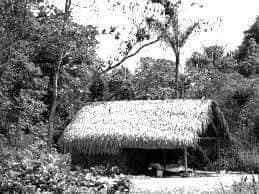
3. Ịbaa: Onitsha, Ogbaru, Ihiala
- In Onitsha and Ogbaru, the Ịbaa is a special spot in the family compound for praying to ancestors. Onitsha, a big trading city, uses it for blessings during events like births.
- In Ihiala, the Ịbaa is a private place for elders to do rituals, keeping family traditions strong.
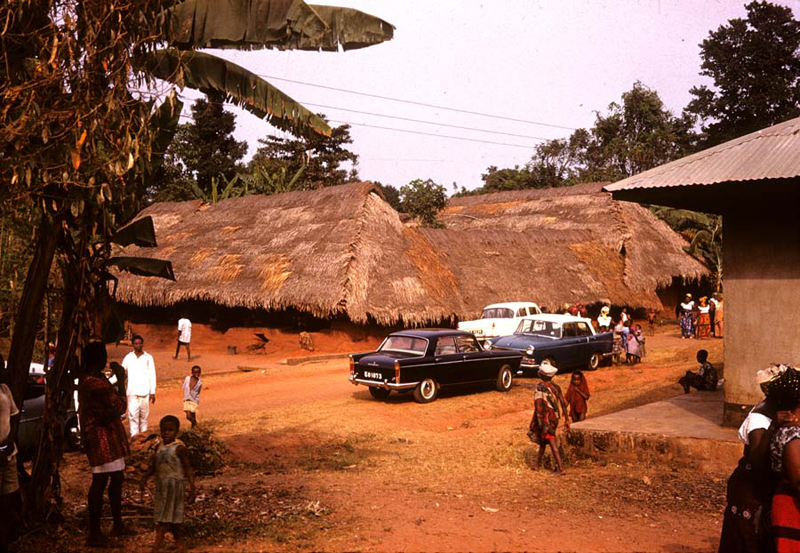
4. Obu: Ohafia, Ẹbịrịba, Awka, Ndoki, Awgu (Obu Nkoro)
- In Ohafia, the Obu is a main place for the chief (Ezieogo) and gets decorated for festivals, like war dances.
- In Ẹbịrịba, the Obu is for meetings and cultural events, showing the area’s unique style.
- In Awka, known for blacksmiths, the Obu is for prayers and community choices.
- In Ndoki, the Obu is for honoring ancestors and gatherings, tied to their river life.
- In Awgu, Obu Nkoro is a special hall, maybe for local traditions.
5. Obiri: Ikwerre, Asa, Uratta (Owerri), Ohaji
- In Ikwerre and Asa, the Obiri is a community hall where elders talk about important things. Ikwerre has its own Igbo style.
- In Uratta (Owerri), the Obiri (with Ịbarị) is for prayers and community events, showing Owerri’s lively culture.
- In Ohaji, the Obiri (with Ịbarị) is for rituals and farming gatherings.
6. Obiri, Obokoro: Echie
- In Echie, Obiri is for spiritual events, and Obokoro is a bigger meeting place for the community, showing Echie’s special ways.
7. Obiri-ama, Obokoro: Mbanọ, Obowo
- In Mbanọ and Obowo, Obiri-ama means “community hall,” and Obokoro is for gatherings and prayers, showing how close these areas are.
8. Obiri, Ọbụma, Obokoro: Ikeduru
- In Ikeduru, Obiri, Ọbụma, and Obokoro are different halls. Ọbụma might be a private shrine, and Obokoro is for public meetings, showing Ikeduru’s complex traditions.
9. Ịbari, Obuma: Mbaitoli
- In Mbaitoli, Ịbari is for spiritual rituals, and Obuma is for community meetings, helping keep the area organized.
10. Ịbarị, Ịbaga: Agwa, Ohaoma (Ejemekwuru, Izombe)
- In Agwa and Ohaoma (Ejemekwuru, Izombe), Ịbarị and Ịbaga are simple halls with palm fronds and clay altars, showing their farming life and humble beliefs.
11. Ịbaala: Ndokwa
- In Ndokwa, the Ịbaala is a hall for honouring ancestors during festivals, showing Ndokwa’s unique Igbo identity.
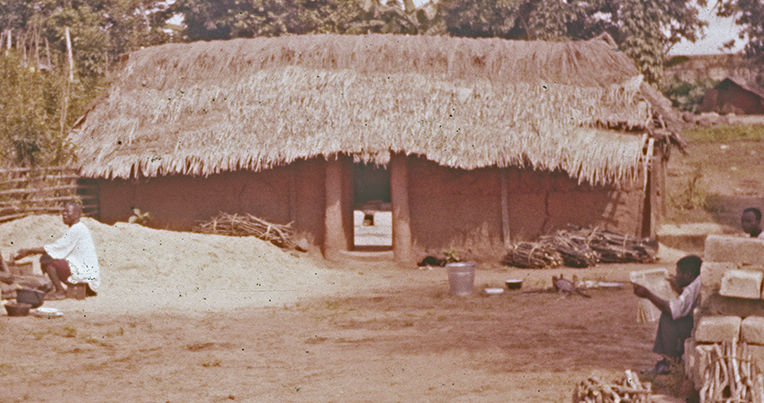
12. Obi, Ọgwa: Anịọcha
- In Anịọcha, the Obi is the family leader’s home, and Ọgwa is an open space for events like masquerade dances.
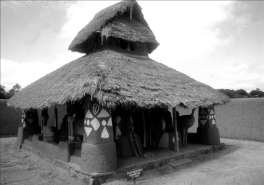
13. Obu-ọgwa: Nsụkka-Asadu
- In Nsụkka-Asadu, the Obu-ọgwa is an open courtyard for masquerades, stories, and meetings, showing Nsụkka’s love for storytelling.
14. Ovu: Ọhụhụ (Mbaise), Ngwa
- In Ọhụhụ (Mbaise), the Ovu is a family shrine for ancestor offerings, important in Mbaise’s close families.
- In Ngwa, the Ovu is a family meeting place, especially during farming festivals, tied to Ngwa’s farming roots.
How the Halls Look and What They Mean
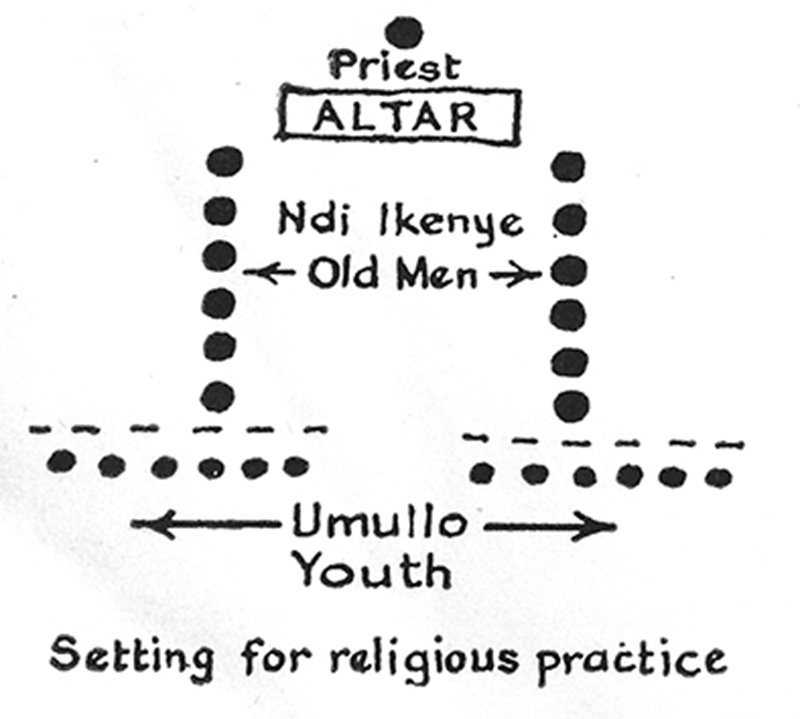
Most halls are made with local materials like mud, wood, or thatch, but some now use cement. They have a courtyard for big gatherings, a main room for meetings, and small spaces for shrines.
They have special symbols like:
- Low Doors: People bow to enter, showing respect for ancestors.
- Shrines: Decorated with chalk (nzu), palm fronds, or offerings, showing purity and spiritual ties.
- Carvings: In places like Nnewi or Onitsha, doors might have carvings of animals or stories, keeping family history alive.
Challenges and Changes Today
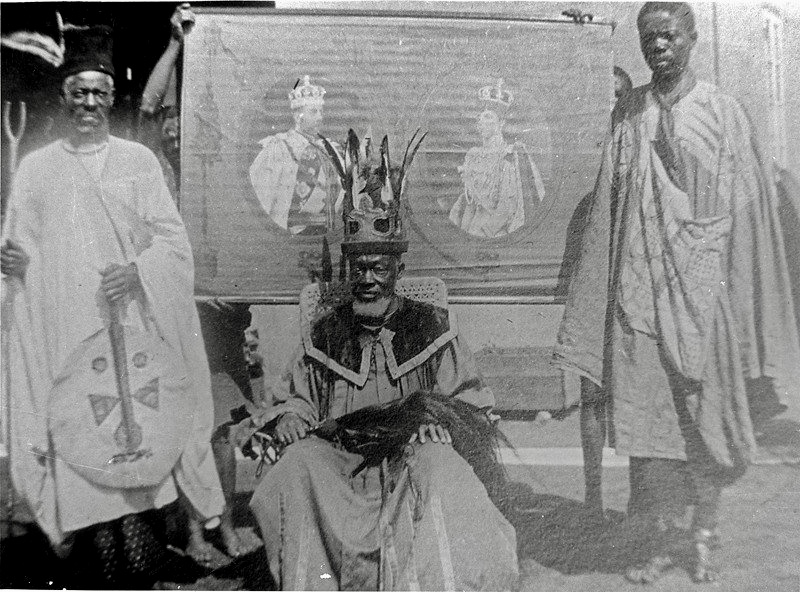
City life, Christianity, and global changes make it hard for ancestral halls to stay the same. Some Igbo people follow Christianity, which can clash with ancestor worship, so halls are sometimes turned into community centres or museums. Igbo people in cities build modern halls that mix old symbols with new designs. Social media helps share Igbo culture and keep it alive.
Keeping the Halls Alive
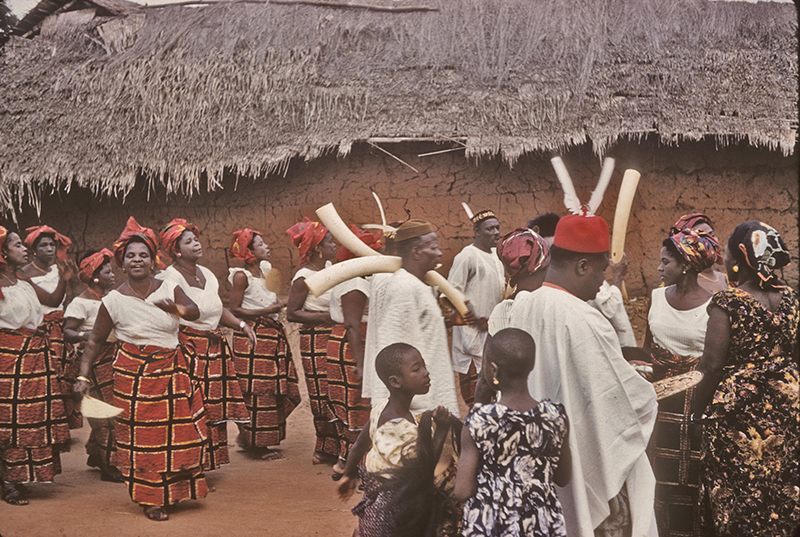
Groups like Ohanaeze Ndigbo work to save ancestral halls by writing down their history and fixing them up. Festivals like Iri Ji or masquerade events show how important the halls are. Schools and communities teach kids about these traditions to keep them going.
Igbo ancestral halls, whether called Obu, Obi, Ịbaa, Obiri, or Ovu, are key places that hold Igbo culture, family, and ancestor connections together. Each name shows the special style of different Igbo areas, but they all have the same goal. Even with modern changes, these halls stay important, thanks to festivals, community work, and efforts to share Igbo culture.
Sources and references
- A mighty tree. (n.d.). Ancestral house: Iba . https://amightytree.org/ancestral-house-iba/
- Alozie, N. (2024, August 31). Igbo meeting/ancestral hall
Cite this article
Discussion
Sign in to join the discussion
Comments are checked by an editor before they appear. Leave a source or a correction and it is read first.
Continue reading
Related histories
 Cultural HeritageEleven Days of Nwafor Ogidi: Inside the Festival Keeping an Old Igbo Tradition AliveRead history →
 Cultural HeritageIli Ji Nkpor Obododike: The Indigenous Agricultural Ritual CycleRead history →
 Cultural HeritageMusic and Drum Traditions: Tracing the “Igbo Drum” in the AmericasRead history →
No comments yet
Nothing has been approved on this record yet. Comments are checked by an editor before they appear, so one written now shows on this page after that check.