 Ozikoro
Cultural Heritage · Published history
Igbo Identity and the Bonds of Homeland and Diaspora: “Onye aghala nwanne ya”
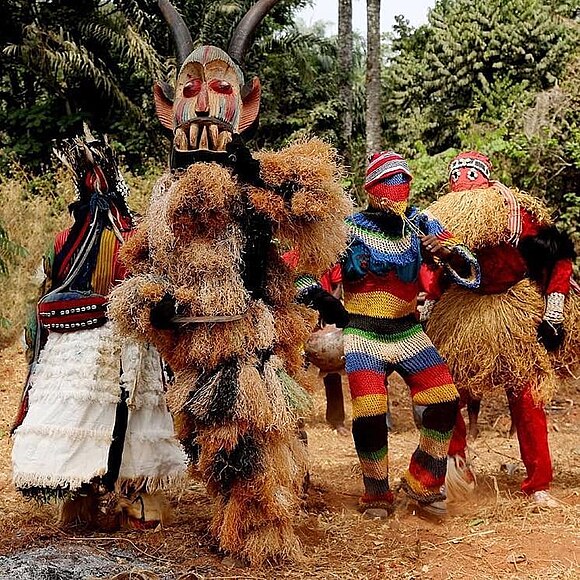
Onye aghala nwanne ya(Let no one be left behind). It is more than a moral command; it is a philosophy of kinship that has sustained Igbo people across slavery, colonization, migration, and globalization. Today, it remains the thread linking Igboland with its far-flung diaspora.
The written record
The Igbo are one of Africa’s most widespread peoples, not only in population but also in global presence. From the yam farms of Enugu to the streets of Houston and London, the Igbo story stretches across continents. This identity was forged through centuries of resilience: from pre-slavery traditions, to the trauma of the Atlantic trade, to the rebuilding of life in the Americas. Today, the question remains: what does it mean to be Igbo in a global world?
Historical context
Memory of the Diaspora
The Atlantic slave trade scattered the Igbo far and wide. From Virginia to Jamaica, from Brazil to Haiti, Igbo descendants formed communities that still echo ancestral traditions.
- Eboe Landing (Georgia): Remembered as a sacred site of Igbo resistance.
- Jamaica: Festivals like Jonkonnu preserve Igbo masquerade roots.
- Haiti: Vodou ceremonies carry Igbo spiritual elements.
- Gullah Geechee South Carolina: Creole words and practices show Igbo continuity.
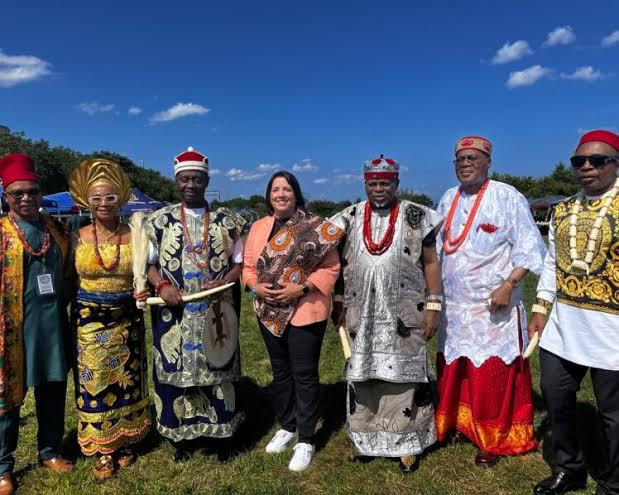
Igbo cultural festival abroad with traditional attire in Massachusetts, USA. Image: IG: @massltgov
These diaspora identities remain tied to the memory of homeland, even after centuries of distance.
Homeland Igbo: Culture in Continuity
Back in Igboland, cultural traditions continue to flourish:
- New Yam Festival: Celebrated across Nigeria and by diaspora communities abroad.
- Masquerades (Mmanwụ): Both spiritual and entertaining, connecting ancestors with the living.
- Markets (Eke, Orie, Afor, Nkwo): Still central to social and economic life.
- Kinship (Ụmụnna & Umuada): Family remains the core of Igbo society, influencing migration networks abroad.
These traditions provide the cultural foundation that Igbo people abroad reconnect with.
Diaspora and Modern Identity
Today, Igbo identity is expressed in global and modern ways:
- Diaspora Associations: In the United States, the UK, and beyond, Igbo unions preserve language and support development projects in Nigeria.
- Language Revival: Online platforms teach Igbo language to second-generation diaspora children.
- Cultural Festivals Abroad: Events like Igbo Day in Houston, London, and Toronto celebrate food, music, and heritage.
- Digital Storytelling: Social media has become a new marketplace of Igbo proverbs, music, and storytelling.
As the Igbos say: “Ihe a na-amaghị ka na-ebu mmadụ ibu.” (What one does not know is what weighs them down.) For many young Igbos abroad, reclaiming language and culture lifts the burden of disconnection.
Challenges of Identity
Despite resilience, Igbo identity faces challenges:
- Language Endangerment: Many young Igbos abroad cannot speak the language fluently.
- Generational Gaps: Elders emphasize tradition, while youths embrace modernity.
- Globalization: Migration disperses families, weakening kinship ties.
- Historical Trauma: The memories of slavery and colonialism complicate identity for diaspora descendants.
Yet, each challenge has also inspired renewal, through Igbo schools, diaspora literature, and cultural exchange programs. “Egbe bere ugo bere, nke si ibe ya ebena nku kwaa ya.” (Let the kite perch and let the eagle perch; if one denies the other, may its wings break.)
Homeland–Diaspora Connections Today
Links between Igbo at home and abroad continue to grow:
- Remittances and Development: Diaspora contributions fund schools, roads, and businesses in Igboland.
- Cultural Exchange: Igbo descendants abroad travel back for weddings, funerals, and festivals.
- Pan-African Solidarity: Igbo voices connect with wider African diaspora struggles, from civil rights to decolonization movements.
These interactions ensure that Igbo identity remains dynamic, not static. The Igbo identity today is not confined to geography. It is a living heritage carried in proverbs, festivals, digital spaces, and diaspora gatherings.
Sources and references
- Falola, T., & Njoku, R. C. (Eds.). (2016). Igbo in the Atlantic world: African origins and diasporic destinations. Indiana University Press.
- Isichei, E. (1976). A history of the Igbo people. Macmillan.
- Gomez, M. A. (1998). Exchanging our country marks: The transformation of African identities in the colonial and antebellum South. University of North Carolina Press.
Cite this article
Discussion
Sign in to join the discussion
Comments are checked by an editor before they appear. Leave a source or a correction and it is read first.
Continue reading
Related histories
 Cultural HeritageEleven Days of Nwafor Ogidi: Inside the Festival Keeping an Old Igbo Tradition AliveRead history →
 Cultural HeritageIli Ji Nkpor Obododike: The Indigenous Agricultural Ritual CycleRead history →
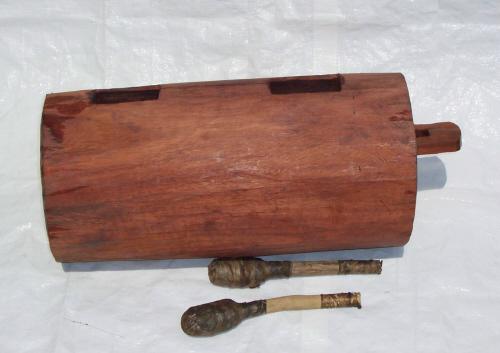 Cultural HeritageMusic and Drum Traditions: Tracing the “Igbo Drum” in the AmericasRead history →
No comments yet
Nothing has been approved on this record yet. Comments are checked by an editor before they appear, so one written now shows on this page after that check.