 Ozikoro
 Cultural Heritage · Published history
Igbo Water Divinities: Guardians of Rivers and Lakes
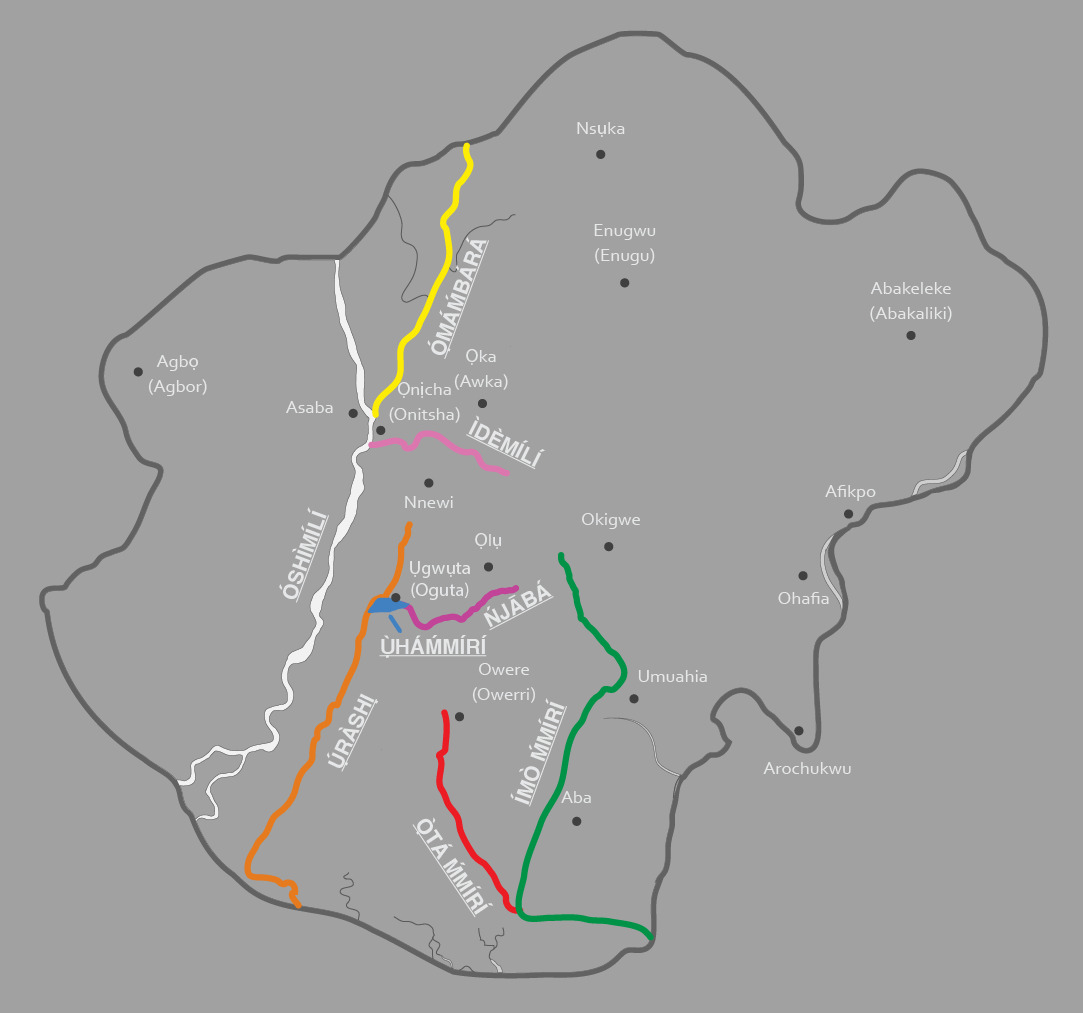
In Igbo culture, rivers and lakes are more than just water—they’re alive with powerful spirits. These water divinities, often called river gods and goddesses, are sacred to the Igbo people of southeastern Nigeria. They represent fertility, wealth, beauty, and power, and their presence shapes the lives of communities near major water bodies. From the mighty Niger River to the serene Ụ́gwụ́tá Lake, each water spirit has a unique story, personality, and role. This article dives deep into the world of Igbo water divinities, exploring their significance, myths, and rituals, with a focus on the most prominent spirits like Ńjābá, Ímò Ḿmírí, and others.
The written record
Historical context
The Role of Water Divinities in Igbo Culture
Water is life in Igbo land, nourishing farms, connecting villages, and sustaining communities. For the Igbo, every significant river or lake has a spirit, often seen as a god or goddess with fluid gender identities.
These divinities are not distant figures; they’re active forces in daily life, influencing everything from farming to childbirth. They embody ideals like fertility (helping women have children), wealth (bringing prosperity), beauty (inspiring awe), and power (commanding respect).
Igbo water divinities are tied to specific water bodies, and their influence grows with the size and importance of the river or lake. For example, the Niger River’s spirit, Ósìmírí, commands widespread devotion due to the river’s vastness, while smaller rivers like Ọ̀tá Ḿmírí have local but devoted followings. Communities honour these spirits through shrines, festivals, and offerings, seeking blessings or protection from floods and other water-related dangers.
The fluidity of gender in these divinities reflects Igbo cosmology, where balance and duality (like male and female) are central. Many spirits, like Ímò Ḿmírí, can appear as male or female, showing their versatility and connection to all aspects of life. This fluidity also makes them relatable, as they mirror the diverse roles people play in society.
Major Igbo Water Divinities
Below is a detailed look at the most prominent Igbo water divinities, Each spirit is tied to a specific water body and has unique traits, myths, and rituals.
1. Ńjābá: The Mighty Guardian of Ụ́gwụ́tá Lake
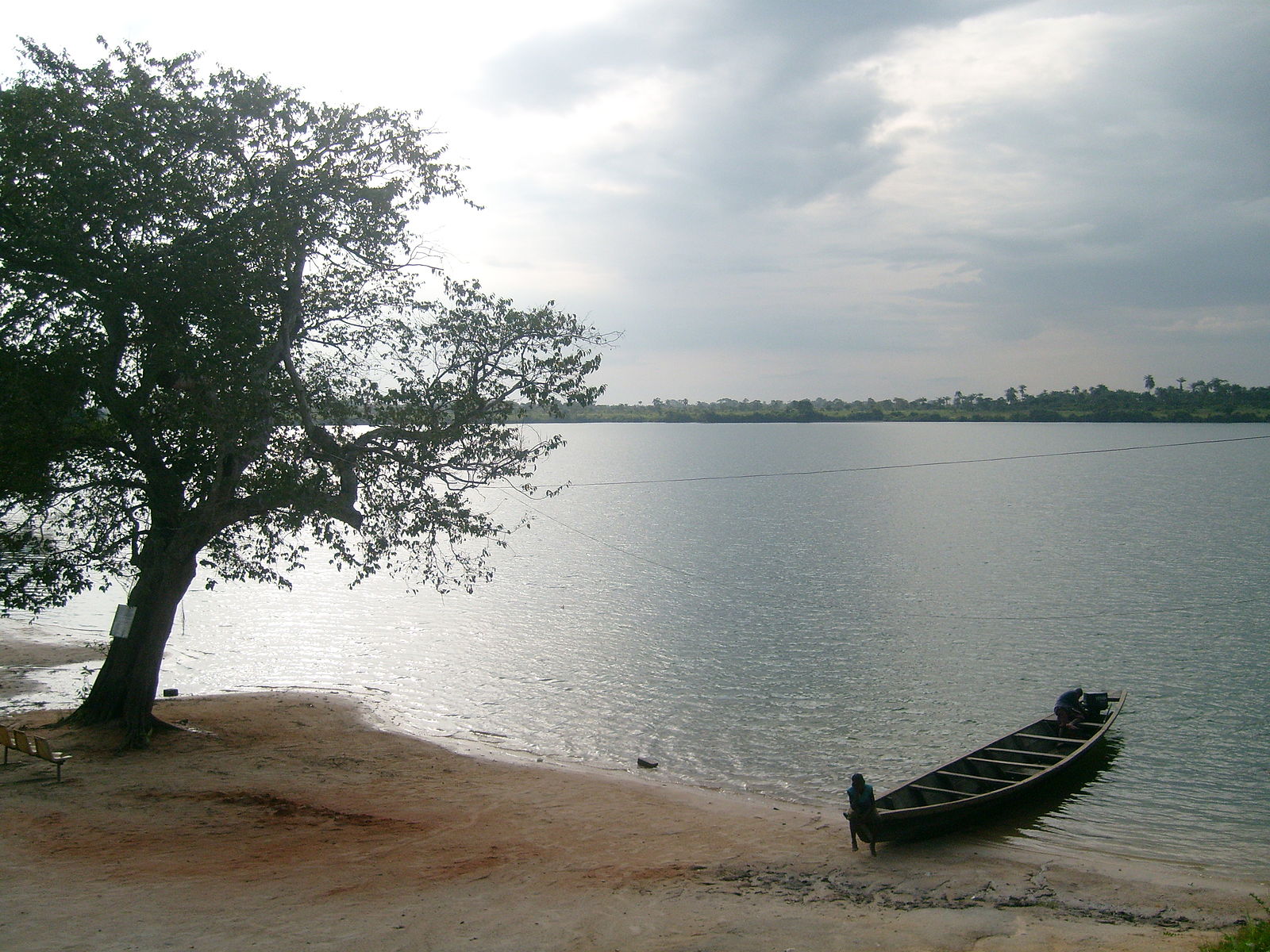
Ńjābá is one of the most powerful water divinities, especially in southwestern Igbo communities around Ụ́gwụ́tá (Oguta) Lake in Imo State. This male spirit guards the Ńjābá River, a major tributary of the lake, and is so revered that he sometimes outranks Àlà, the Earth Mother goddess. Ńjābá is a symbol of strength and protection, and his cult is deeply rooted in local traditions.
- Sacred Animal: The royal python, called Éké, is sacred to Ńjābá. Communities see these snakes as his messengers or even his physical form. Harming an Éké is taboo, and violators face heavy fines and must fund a human-sized burial for the snake, complete with rituals to appease Ńjābá.
- Rituals and Myths: Devotees offer sacrifices like goats or white cloth to Ńjābá’s shrines, often located near the river. Myths portray him as a fierce protector who ensures the lake’s abundance but can unleash floods if angered. His connection to Éké ties him to fertility, as pythons are seen as symbols of life and renewal.
- Cultural Impact: In Oguta, Ńjābá’s influence shapes community laws, with his priests (dibia) enforcing taboos. His pairing with Ụ̀háḿmírí, the lake’s female spirit, shows the Igbo emphasis on balance between male and female forces.
Photo – Dolphyb A Scene from the bank of Oguta Lake capturing everyday human activities like motorcycle washing and the transportation of goods and people.
Photo – Dolphyb A view of the Oguta Lake bank highlighting surrounding farmland and lush vegetation.
Photo – Dolphyb A view of the opposite bank of Oguta Lake shows buildings and housing infrastructure.
Photo – Dolphyb Different means of water transportation, including canoes and a speedboat, are displayed at the sloping point bar of Oguta Lake.
Photo – Dolphyb A loaded pontoon carrying goods, cars, and people at Oguta Lake.
Photo – Dolphyb Housing structures at Oguta Lake.
Photo – Dolphyb Swimming activity and buckets at Oguta Lake.
Photo – Dolphyb Cassava fermentation process by rural women and canoes at Oguta Lake.
Photo – Dolphyb
2. Ímò Ḿmírí: The Benevolent Spirit of the Imo River
Ímò Ḿmírí, the spirit of the Imo River, is a beloved feminine divinity whose influence spans Imo and Abia States, where the river flows into the Atlantic. Named after her, Imo State reflects her importance.
Pictures of Imo River from the top of the road bridge leading to Umuahia in Abia State.Photo – Emmanuel Obiajulu
She is a fertility goddess, known for her kindness and connection to the powerful Ibinukpabi oracle of Arochukwu, often called the “Long Juju” during the Atlantic Slave Trade.
- Myths and Stories: One myth tells of Ímò Ḿmírí creating a divide between the Ngwa people of Abia and their kin in Imo, as the river rushed between them, symbolising both separation and connection. She often appears as a beautiful maiden, offering blessings to those who honour her.
- Rituals: Devotees, especially women seeking children, offer sheep, eggs, or black cloth to Ímò Ḿmírí’s shrines. During the river’s annual floods (May to July), communities pray for wealth, fertility, and protection. Those who drown in the Imo are buried on its banks, believed to be claimed by Ímò Ḿmírí.
- Unique Traits: Ímò Ḿmírí can take forms like a python or crocodile, reflecting her versatility. Her link to the Ibinukpabi oracle ties her to justice, as people swore oaths at her shrines, fearing drowning or water-related diseases if they lied.
Photo – Emmanuel Obiajulu Sub-section of the Malaysian Market for timber, located close to the Imo River.
Photo – Emmanuel Obiajulu
3. Ósìmírí: The Fertility Goddess of the Niger River
Ósìmírí (also Órìmílí, Órìmírí, or Oshimili) is the female spirit of the Niger River, one of Africa’s largest waterways. Her name, meaning “great water” in Igbo, reflects her vast influence across Igbo land. As a fertility goddess, she is central to myths about creation and migration.
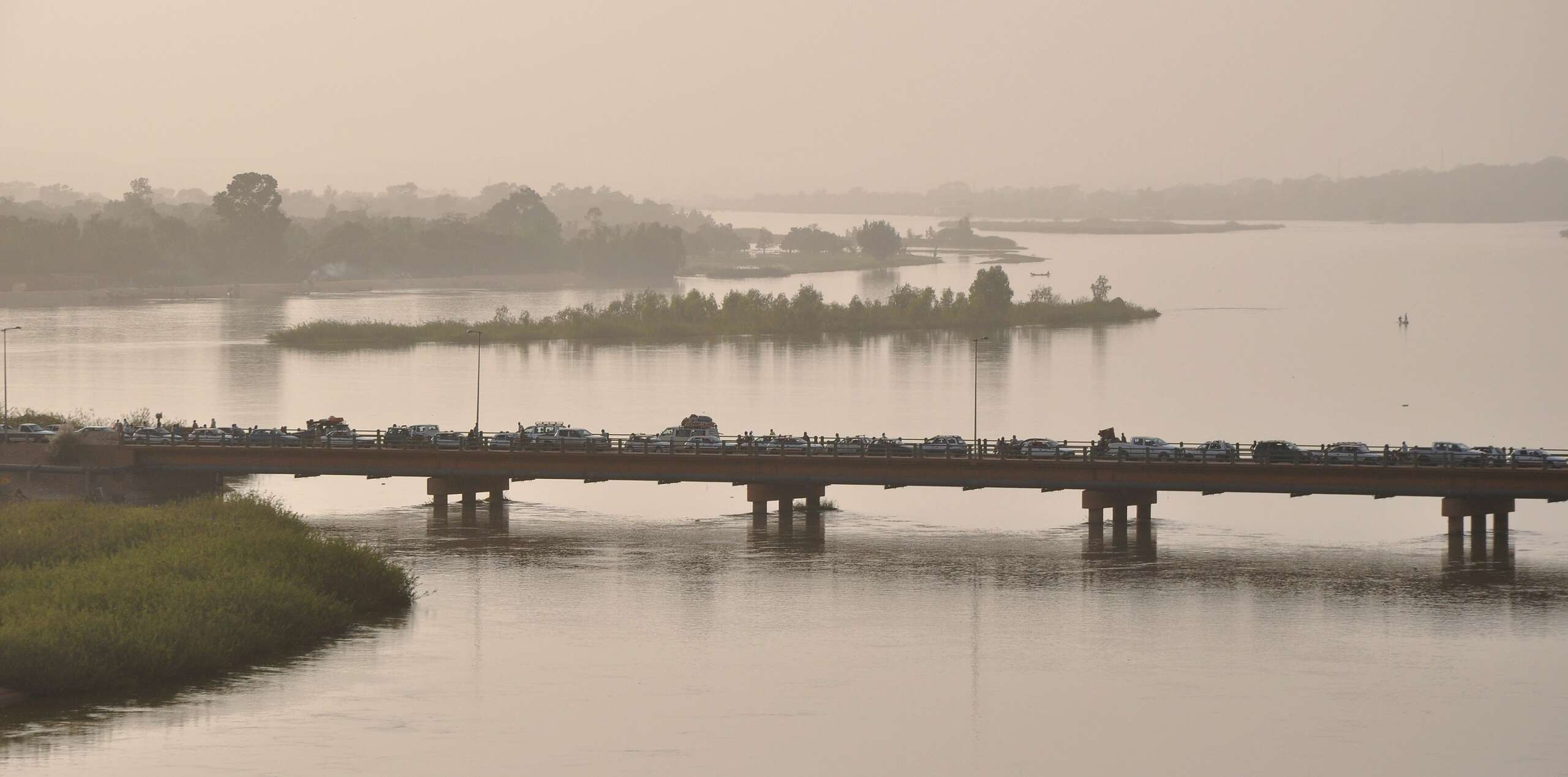
Photo – NigerTZai
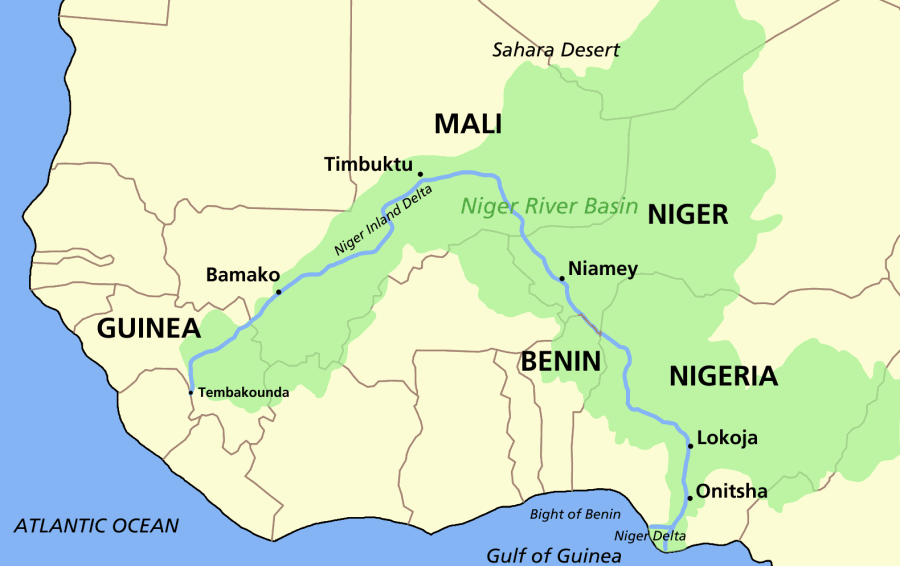
- Historical Significance: The confluence of the Niger and Anambra Rivers, called Èzù nà Ómáḿbálá, is a sacred site where Èrì, the ancestor of the Umuleri and Umunri Igbo people, is said to have settled after migrating from the north. Ósìmírí is seen as their protector.
- Rituals: Communities along the Niger offer white chickens, yams, or palm wine to Ósìmírí’s shrines, seeking abundant harvests or safe river travel. Her priests perform cleansing rituals to ward off floods, which she may send as punishment.
- Symbolism: Ósìmírí embodies wealth and beauty, often depicted as a radiant woman adorned with beads. Her fluidity—both in gender and form—mirrors the river’s ever-changing nature.
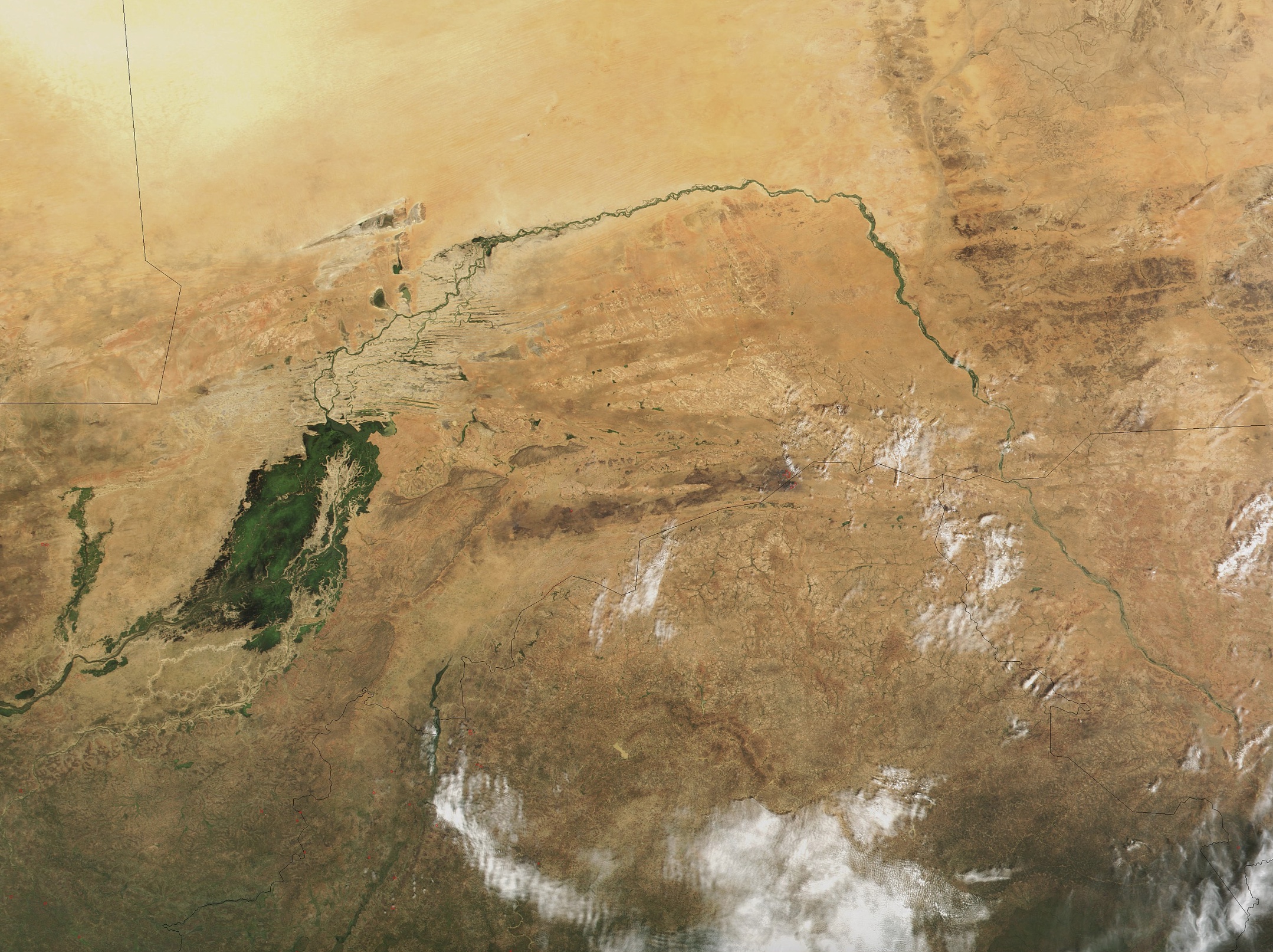
Photo – Jacques Descloitres, MODIS Land Rapid Response Team, NASA/GSFC
Photo – Jialiang Gao Boy bringing back his canoe on the Niger River (2022).
Photo – Mohamed Yves Diarra
4. Ìdèmmílí: The Pillar of Waters
Ìdèmmílí, the female spirit of the Idemmili River in Anambra State, is named “pillar of waters” (ídè means pillar, mmílí means water), symbolising her power to hold back rain clouds or unleash floods. She is a fertility goddess with a strong local following.
Map of the Idemili River Basin.Photo – ResearchGate
- Myths: Ìdèmmílí often appears as a maiden, granting blessings to those who respect her river. One story tells of her saving a village from drought by guiding them to her waters, but she can also flood fields if neglected.
- Sacred Animal: Like Ńjābá, Ìdèmílí holds Éké (royal pythons) sacred, called Éké Ìdèmmílí. Harming them invites her wrath, often in the form of water-related disasters.
- Rituals: Her shrines, adorned with red and white cloth, host festivals where women dance and offer kola nuts or goats. Priests (dibia) invoke Ìdèmmílí to ensure fertility or protect against floods.
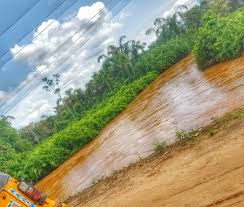
5. Ụ̀háḿmírí: The Shining Beauty of Ụ́gwụ́tá Lake
Ụ̀háḿmírí, also known as Ògbúìdè (“deep floodwater”), is the feminine spirit of Ụ́gwụ́tá Lake, paired with Ńjābá. Her name translates to “shining beauty of the waters,” reflecting her allure, wealth, and happiness. Unlike other fertility goddesses, she is childless, making her a unique symbol of achievement, especially for women in Oguta.
- Cultural Role: Ụ̀háḿmírí is a patron of successful women, particularly traders and entrepreneurs in Ụ́gwụ́tá. Devotees, mostly women, seek her blessings for prosperity and social status.
- Rituals: Her shrines, marked with red and white cloth, receive offerings like mirrors or jewelry, symbolizing her beauty. Annual lake festivals feature boat races and dances to honor her.
- Myths: Stories depict Ụ̀háḿmírí as a radiant woman who rewards loyalty but punishes disrespect with storms. Her husband, Okita, is less prominent, highlighting her dominance.
6. Ụ́ràshị̀: The Male Spirit of the Orashi River
Ụ́ràshị̀ (also Ụ́làsị̀ or Ụ́ràsị̀) is the male spirit of the Orashi River, flowing through Imo and Rivers States. He is a protector of communities along the river, known for his strength and justice.
Women washing by the Orashi River. Photo – Dolphyb- Sacred Grove: Ụ́ràshị̀’s shrines, like Ụ̀háḿmírí’s, are marked with red and white cloth, symbolising purity and power. Communities offer palm wine or roosters to seek his favour.
- Role: Ụ́ràshị̀ ensures safe fishing and travel on the river. He is also invoked in disputes, as his shrines are places to swear oaths, with liars facing his watery judgment.
- Myths: Ụ́ràshị̀ is often portrayed as a stern but fair guardian, calming the river for devotees but stirring waves against enemies.
Photo – Dolphyb
7. Ọ́máḿbálá: The Spirit of the Anambra River
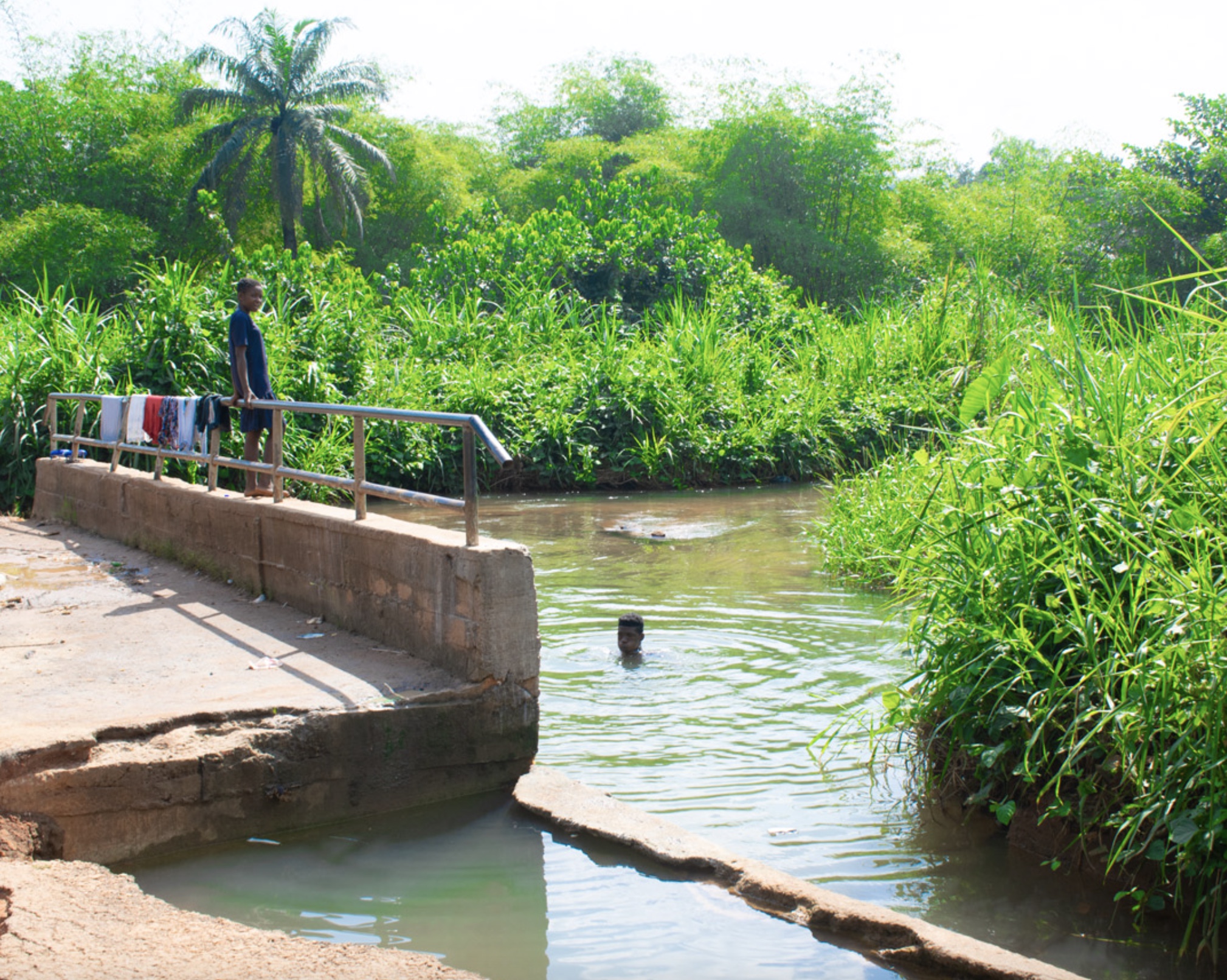
Ọ́máḿbálá is the spirit of the Anambra River, which runs through northern Anambra State and joins the Niger. Less prominent than Ósìmírí, she is still vital to the Anam-Igbo people.
Anambra River (Ọmambala) flows 210 km into the Niger River and later into the Atlantic through the Niger Delta. Photo – Ndukwe Victor Izuchukwu- Significance: The Anambra River is a lifeline for fishing and farming, and Ọ́máḿbálá is seen as its nurturing spirit. She is often female, embodying fertility and care.
- Rituals: Communities offer fish or yams to her shrines, praying for bountiful harvests. Her festivals include singing and drumming to celebrate the river’s gifts.
- Myths: Ọ́máḿbálá is said to have guided early settlers to fertile lands, making her a symbol of community survival.
8. Ọ̀tá Ḿmírí: The Son of Àlà
Ọ̀tá Ḿmírí is the male spirit of the Otamiri River, flowing through Imo State, particularly among Ụ́ràtà-Igbo communities. He is unique as the son of Àlà, the Earth Mother, linking water and land divinities.
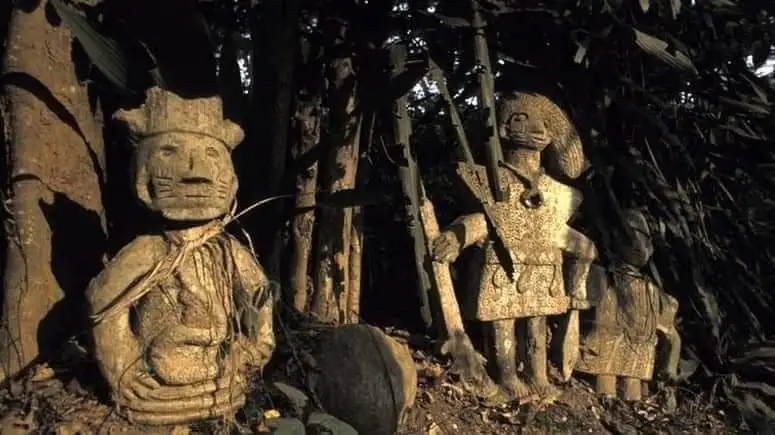
Otamiri River and its tributaries. Photo – Aymatth2- Connection to Ḿbárí Shrines: In Ụ́ràtà, Ḿbárí shrines honor Àlà, but Ọ̀tá Ḿmírí plays a key role, receiving offerings for safe rains and river health. His shrines often feature clay figures or stones.
- Role: Ọ̀tá Ḿmírí protects farmers and fishermen, ensuring the river supports agriculture. He is less fearsome than other spirits, seen as a supportive figure.
- Rituals: Devotees offer kola nuts or palm oil, and his festivals align with planting seasons, celebrating the synergy of earth and water.
Photo – Innocent Chidera Shammah Front view of Otamiri River. Photo – Bembety Otamiri River showing the drainage system where wastewater is discharged into the river. Photo – Dolphyb
The Spiritual and Cultural Significance
Igbo water divinities are more than myths—they’re living forces that shape community life. Their shrines, often near riverbanks or lakes, are centres of worship, with priests (dibia) acting as mediators. These priests interpret the spirits’ will, perform sacrifices, and enforce taboos, like protecting Éké pythons or banning fishing on sacred days.
The divinities also reflect Igbo values:
- Fertility and Creation: Most water spirits, especially female ones like Ósìmírí and Ìdèmílí, are tied to childbirth and abundance, mirroring the life-giving role of water.
- Balance and Duality: The pairing of male and female spirits, like Ńjābá and Ụ̀háḿmírí, shows the Igbo belief in harmony between opposites.
- Justice and Morality: Spirits like Ímò Ḿmírí and Ụ́ràshị̀ punish oath-breakers, reinforcing community ethics.
- Wealth and Beauty: Divinities like Ụ̀háḿmírí inspire ambition, especially among women, linking spirituality to social success.
Festivals for these spirits, like the Imo River flood rites or Ụ́gwụ́tá Lake celebrations, bring communities together. They feature dances, boat parades, and offerings, strengthening cultural identity. The use of red and white cloth at shrines symbolises purity and spiritual power, a common thread across Igbo rituals.
Historical and Regional Context
The worship of water divinities predates colonial times and remains vibrant today. During the Atlantic Slave Trade, oracles like Ibinukpabi, linked to Ímò Ḿmírí, were centres of power, drawing pilgrims from across southeastern Nigeria. The Aro people, who controlled the oracle, spread Ímò Ḿmírí’s influence, blending spirituality with trade.
Regionally, water divinities vary in prominence. In southern Igbo areas like Oguta, Ńjābá, and Ụ̀háḿmírí dominate due to the lake’s economic and cultural importance. In Anambra, Ósìmírí and Ìdèmílí are central, tied to the Niger’s vastness and the Idemili’s local significance. These variations show the diversity of Igbo culture, united by a shared reverence for water.
Modern Challenges and Adaptations
Igbo water divinities face challenges from Christianity, urbanisation, and environmental changes today. Many Igbo people are Christian, and some churches discourage traditional worship, viewing it as pagan. Urban migration to cities like Lagos or Port Harcourt pulls people away from river-based rituals. Pollution and dam construction also threaten sacred water bodies, weakening the divinities’ physical presence.
Yet, these traditions endure. Communities adapt by holding festivals in urban centres or using social media to share stories. Organisations like Ohanaeze Ndigbo promote cultural preservation, document rituals, and educate the youth. Some Christians blend water spirit worship with their faith, seeing divinities as aspects of God’s creation.
Environmental efforts also support these traditions. Cleaning rivers like the Imo or Niger not only protects ecosystems but also honors spirits like Ímò Ḿmírí and Ósìmírí. These efforts show how Igbo spirituality can align with modern conservation.
Why Water Divinities Matter Today
Igbo water divinities are a testament to the resilience of Igbo culture. They connect people to their ancestors, land, and values, offering a sense of identity in a changing world. For women, spirits like Ụ̀háḿmírí and Ìdèmílí provide empowerment, celebrating their roles as creators and leaders. These divinities foster unity for communities, as festivals and shrines bring people together.
Globally, Igbo water divinities resonate with those interested in African spirituality, environmentalism, and gender fluidity. Their stories of balance, justice, and beauty offer universal lessons, making them relevant beyond Igbo land. By honouring these spirits, the Igbo preserve a rich heritage that continues to inspire.
Sources and references
- Africa Is Home. (2021, September 5). Female deities in Igbo spirituality .
- Culture Nigeria . (2022, July 15). The significance of water in Igbo culture .
- Igbo Wiki. (n.d.). Igbo mythology .
- Nigerian Infopedia. (2023, April 10). Igbo traditional religion and beliefs .
- Ụkpụrụ. (2018, March 18). Igbo water divinities . Tumblr.
- Wikipedia contributors. (n.d.). Oguta Lake. Wikipedia.
Cite this article
Idenze Ezeme. “Igbo Water Divinities: Guardians of Rivers and Lakes.” Ozikoro, 2025. https://ozikoro.com/igbo-water-divinities-guardians-of-rivers-and-lakes/Discussion
Sign in to join the discussion
Comments are checked by an editor before they appear. Leave a source or a correction and it is read first.
Continue reading
Related histories
 Cultural HeritageEleven Days of Nwafor Ogidi: Inside the Festival Keeping an Old Igbo Tradition AliveRead history →
 Cultural HeritageIli Ji Nkpor Obododike: The Indigenous Agricultural Ritual CycleRead history →
 Cultural HeritageMusic and Drum Traditions: Tracing the “Igbo Drum” in the AmericasRead history →
No comments yet
Nothing has been approved on this record yet. Comments are checked by an editor before they appear, so one written now shows on this page after that check.