 Ozikoro
 Cultural Heritage · Published history
Ijaw in the Diaspora: Maintaining Identity in a Globalized World

Global migration has reshaped the cultural landscapes of communities across the world, including the Ijaw people of the Niger Delta region of Nigeria. While the Ijaw have traditionally been rooted in the riverine environments of Bayelsa, Delta, and Rivers States, increasing migration for education, employment, and political reasons has expanded their presence across Africa, Europe, North America, and beyond. As globalization accelerates cultural blending and transnational mobility, diasporic communities face the challenge of sustaining cultural identity.
The written record
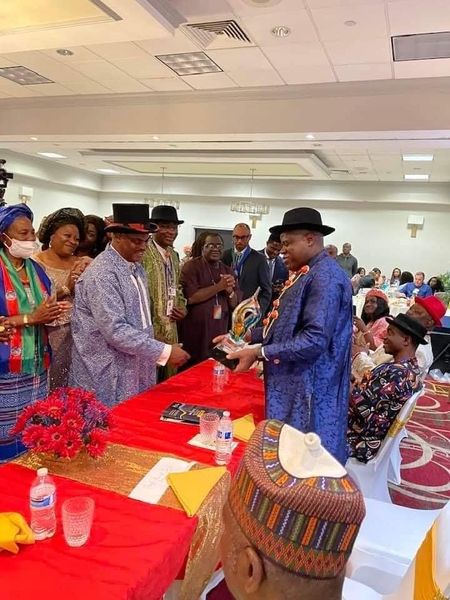
Photo credit;bayelsawatch.com
Historical context
Historical Context of Ijaw Migration
Ijaw migration is not entirely new. Historically, the Ijaw have been a mobile people due to their fishing economy, trade relations, and inter-community networks. However, the scale and pattern of migration shifted significantly in the late 20th century. Economic decline, environmental degradation from oil exploration, and political conflicts such as the Niger Delta crisis, pushed many Ijaw individuals to pursue opportunities abroad. In addition, the global expansion of universities and international scholarship programs led many young Ijaw people to pursue higher education in countries such as the UK, the United States, Canada, and Malaysia.
Cultural Identity and Community Building in the Diaspora
Ethnic Associations and Unions;
Ethnic associations play a central role in preserving Ijaw identity abroad. Organizations such as the “Ijaw National Congress (INC) Diaspora Chapters” and “Ijaw Diaspora Council” provide communal spaces where members connect, discuss homeland issues, and celebrate cultural events. According to Alagoa, community networks remain essential to Ijaw social structure, and these networks adapt and survive even in foreign environments. Such associations organize annual meetings, festivals, leadership conferences, and political advocacy campaigns.
Festivals and Cultural Celebrations;
Cultural events such as the celebration of Adumbrisi, traditional dance festivals, and masquerade reenactments, helps transmit Ijaw traditions to younger generations born abroad. These gatherings often feature traditional foods, music, storytelling, and attire, thereby reinforcing cultural continuity.
Language Preservation;
Language is one of the most crucial markers of Ijaw identity. However, global migration poses challenges due to the dominance of English in the diaspora. Parents often struggle to transmit the Ijaw language (“Ịjọ”) to children who grow up in English-speaking environments. To address this, some diaspora groups have initiated weekend language classes, digital learning resources, and home-based language immersion practices.
Scholars emphasize that language loss accelerates cultural erosion, making these preservation efforts critical. Digital platforms such as WhatsApp groups, YouTube storytelling sessions, and Zoom language lessons now serve as modern tools for teaching idioms, lullabies, and proverbs.
Religion and Spiritual Continuity;
Christianity is widely practiced among the Ijaw, but traditional spiritual values remain embedded in cultural memory. In the diaspora, religious institutions, especially Ijaw-led churches double as cultural hubs. These churches incorporate Ijaw songs, liturgy, and communal prayer traditions. While overt worship of traditional deities does not commonly continue abroad, ancestral respect, moral philosophies, and cultural rituals still shape the communal identity of Ijaw families.
Cuisine and Domestic Cultural Preservation;
Food remains a powerful medium of identity transmission. Dishes such as Banga soup, Fisherman soup, Kekefiyai, smoked fish delicacies, and plantain-based meals are prepared in diaspora households. Women’s associations and cultural groups often organize cooking classes and cultural dinners to help younger members learn significant recipes.
Because some ingredients are scarce outside Nigeria, many Ijaw families rely on African stores or import dried fish, spices, and palm oil from home. Cuisine thus serves as a tangible connection to memory, homeland, and collective identity.
Digital Platforms and Transnational Identity;
With globalization has come digitization, which has allowed the Ijaw diaspora to maintain strong ties across borders. Facebook groups, Instagram pages, TikTok creators, and WhatsApp broadcast channels serve as spaces for sharing news, oral histories, cultural performances, and political commentary. These platforms strengthen what Brah calls “diaspora space”, a networked zone where identity is constantly negotiated.
For many Ijaw youths born abroad, digital media is the entry point into understanding their roots. Online storytelling, documentaries about the Niger Delta, and recordings of traditional dance ensembles help them develop a sense of belonging.
Political and Economic Contributions to the Homeland;
Diaspora communities actively participate in Niger Delta politics, development initiatives, and advocacy campaigns. Through remittances, philanthropy, and community projects, the Ijaw diaspora contributes to education, infrastructure, and humanitarian causes.
Advocacy and Resource Control Movements;
Some diaspora-led organizations engage in international advocacy regarding environmental justice, oil pollution, and human rights in the Niger Delta. They amplify local voices, engage with international NGOs, and pressure multinational oil companies to adhere to environmental standards. This aligns with Obi’s observation that diaspora activism reinforces global awareness of Niger Delta struggles.
Support for Education and Youth Development;
Scholarship funds, mentorship programs, and technology donations from diaspora groups help bridge educational gaps in Ijaw communities. Professionals abroad such as doctors, engineers, and academics, often collaborate on capacity-building initiatives.
Challenges Facing the Ijaw in the Diaspora
Identity Dilution;
Second and third generation Ijaw youth may experience weakened ethnic identity due to assimilation pressures. Without intentional cultural exposure, many do not learn the language or engage with cultural practices.
Balancing Integration and Heritage;
Immigrants must navigate the tension between adapting to their host country and preserving cultural heritage. Work pressures, distance from traditional elders, and limited community concentration in certain countries can hinder cultural transmission.
Stereotypes and Reinvention;
Some Ijaw individuals strive to counter stereotypes about the Niger Delta such as militancy and oil conflict, by representing positive cultural values. However, combating such narratives can create additional pressure on identity management.
The Ijaw diaspora is an evolving and dynamic community that negotiates identity within a rapidly globalizing world. Despite the challenges of assimilation, geographical distance, and cultural dilution, the Ijaw people have developed resilient strategies to sustain their heritage. Through cultural associations, digital networks, festivals, language initiatives, religious institutions, and political advocacy, diaspora Ijaw’s maintain a strong connection to their homeland. Their efforts reinforce the idea that cultural identity is not fixed but continuously rebuilt across borders, generations, and global contexts. As globalization deepens, the Ijaw diaspora will continue to shape the future of Ijaw identity both at home and abroad.
Sources and references
- Alagoa, E. J. (2005). A history of the Niger Delta: An historical interpretation of Ijo oral tradition. Onyoma Research Publications.
- Brah, A. (1996). Cartographies of diaspora: Contesting identities. Routledge.
- Fishman, J. A. (1991). Reversing language shift: Theoretical and empirical foundations of assistance to threatened languages. Multilingual Matters.
- Obi, C. (2009). Nigeria’s Niger Delta: Understanding the complex drivers of violent oil-related conflict. Africa Development, 34(2), 103–128.
- Obi, C. (2010). Oil extraction, dispossession, resistance, and conflict in Nigeria’s oil-rich Niger Delta. Canadian Journal of Development Studies, 30(1-2), 219–236.
Cite this article
Discussion
Sign in to join the discussion
Comments are checked by an editor before they appear. Leave a source or a correction and it is read first.
Continue reading
Related histories
 Cultural HeritageEleven Days of Nwafor Ogidi: Inside the Festival Keeping an Old Igbo Tradition AliveRead history →
 Cultural HeritageIli Ji Nkpor Obododike: The Indigenous Agricultural Ritual CycleRead history →
 Cultural HeritageMusic and Drum Traditions: Tracing the “Igbo Drum” in the AmericasRead history →
No comments yet
Nothing has been approved on this record yet. Comments are checked by an editor before they appear, so one written now shows on this page after that check.