 Ozikoro
 Ethnohistory · Published history
Ijaw Material Culture: Canoes, Fishing, and the Architecture of the Mangrove
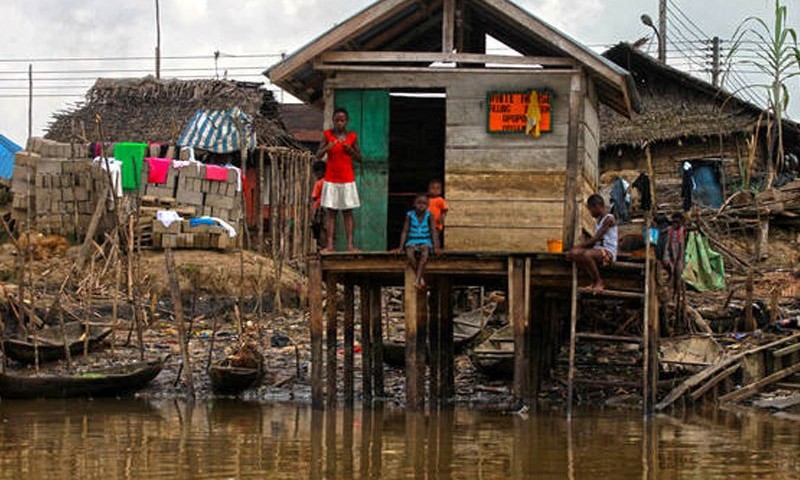
The Ijaw people, one of the oldest ethnic groups in Nigeria and the largest in the Niger Delta, have developed a distinctive material culture shaped almost entirely by their riverine environment. Surrounded by creeks, estuaries, mangrove swamps, and waterways, the Ijaw have historically depended on the river for transportation, food, economic survival, and spiritual meaning. Their canoes, fishing technologies, and unique architecture reflect centuries of adaptation to the wetland ecosystem.
The written record
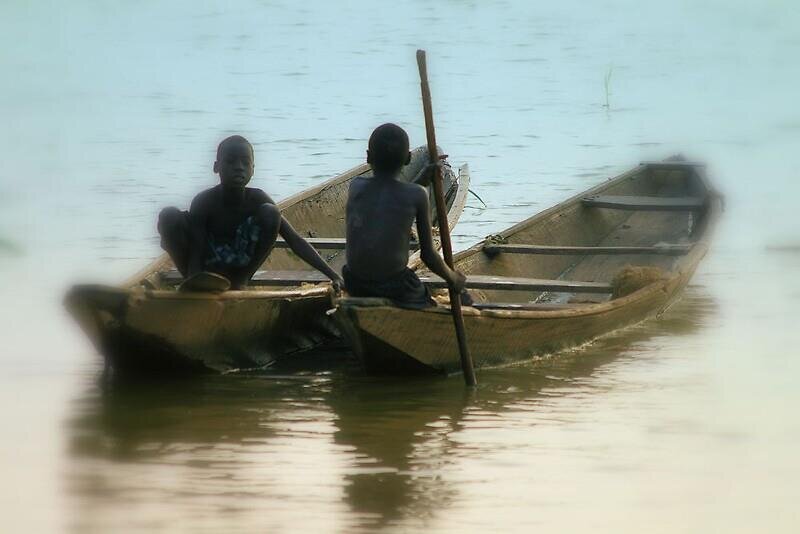
Photo credit: Research gates.
Historical context
Environmental Context and Cultural Adaptation
The Niger Delta’s environment is defined by tidal waterways, dense mangrove forests, and marshlands. According to Alagoa, Ijaw settlements evolved in areas where the land meets water, requiring specialized techniques for mobility, shelter, and livelihood. The alternating wet and dry seasons, unpredictable tidal patterns, and aquatic biodiversity shaped a culture deeply intertwined with the environment.
Ijaw material culture can therefore be understood as a sophisticated response to environmental challenges. Canoes allow mobility through narrow creeks; fishing implements exploit diverse aquatic resources; while stilt houses and mangrove wood architecture withstand flooding and erosion. The interplay between environmental conditions and cultural innovation reveals the Ijaw as master navigators and ecological experts of the Delta.
Canoes: Vessels of Mobility and Identity
Canoes (polo) are at the heart of Ijaw life. In many communities, children learn to paddle before they learn to walk confidently on land. Canoes serve as the primary means of transportation, linking villages, markets, fishing grounds, and ceremonial spaces.
Craftsmanship and Technique
Ijaw canoes are traditionally carved from a single large log, typically sourced from hardwood trees such as iroko, mahogany, or cotton tree. Carving is a specialized craft inherited through generations. The process involves selecting a mature tree, carving the exterior shape, hollowing the interior, smoothing the edges, and treating the wood with oil or resin for durability.
Horton notes that canoe carvers possess ritual knowledge and often make spiritual invocations before cutting down trees, acknowledging nature’s sacredness and the river’s spirit beings. Some canoe types are long and slim for speed, while others are wide-bodied for transporting goods or carrying multiple passengers.
Canoes are also cultural symbols. They appear in folktales, masquerade performances, songs, and rites of passage. Owning a large, beautifully carved canoe is traditionally associated with prestige, fishing success, or leadership. In certain communities, canoes are part of marriage ceremonies and burial rites, symbolizing life’s journey across waters.
Fishing Technologies and Aquatic Knowledge
Fishing is both an economic activity and a cultural tradition among the Ijaw. The Delta’s waters provide fish, crustaceans, oysters, and periwinkles, forming the basis of local cuisine and trade.
Fishing Gear and Implements
The Ijaw have developed numerous fishing tools adapted to specific aquatic environments:
1. Nets
Different types include:
Cast nets (gbarain),
Drift nets,
Fixed nets placed near tidal channels. Nets vary in mesh size depending on the target species.
2. Traps
Fish traps (akasa) made from woven bamboo or raffia are set in shallow waters and tidal pathways. Crab traps are also common.
3. Hooks and Lines
Line fishing is practiced around deeper waters, especially during the dry season when water levels drop and visibility improves.
4. Basket Fishing
Large baskets woven from mangrove roots are used in communal fishing. These baskets are placed in rivers at low tide and retrieved at high tide, trapping fish and shellfish.
Bethlehem emphasizes that Ijaw fishing techniques demonstrate detailed ecological knowledge, including fish migration patterns, tidal rhythms, and seasonal changes.
Fishing is also communal and ritualized. Families often fish together, and certain fishing festivals honor water spirits believed to guide and protect fishermen. Songs, chants, and taboos regulate behavior on the water, reinforcing spiritual respect for aquatic life.
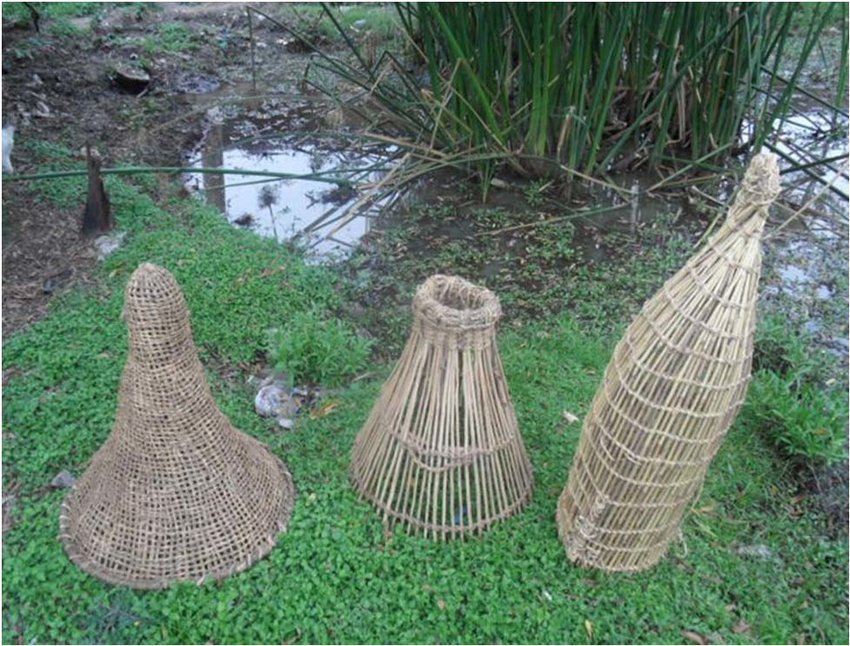
Photo credit: Research gates.
Mangrove Architecture: Living With Water
One of the most recognizable features of Ijaw material culture is their architectural adaptation to the mangrove ecosystem. Rather than resisting water, the Ijaw build homes and settlements that coexist with it.
Stilt Houses (Pile Dwellings)
Traditional Ijaw houses are built on stilts made from mangrove wood, which is resistant to rot and tidal erosion. These stilts elevate the structures above water level, protecting them from flooding and allowing tidal flows beneath the house.
Houses typically include wooden walkways,a central elevated platform, woven walls made from palm fronds or mangrove slats, thatched or zinc roofs. Mangrove wood is preferred because of its durability and ability to withstand humidity.
Ijaw villages often consist of clusters of houses connected by narrow wooden bridges, central communal spaces, canoe moorings directly below houses, fishing sheds and smokehouses.
This layout makes water-based transportation efficient and supports their fishing lifestyle.
Other architectural forms include smokehouses for drying fish, canoe workshops near the shoreline, shrines dedicated to water deities, market stalls built on raised platforms.
These structures emphasize how architecture supports not just daily living but also spiritual and economic life.
These material culture canoes, fishing tools, and mangrove architecture are more than functional technology; it is a reflection of identity, cosmology, and communal values.
While modernization has introduced motorized boats, concrete buildings, and nylon nets, traditional practices remain vibrant. Canoe-carving guilds continue to train apprentices. Many communities still build stilt houses, especially in rural areas. Traditional fishing festivals and rituals remain integral to cultural identity.
However, climate change, coastal erosion, and oil pollution threaten the survival of traditional crafts and ecosystems. Scholars such as Alagoa warn that environmental degradation undermines the ecological foundation of Ijaw culture. Efforts by local communities to restore mangroves and protect waterways are crucial for sustaining future generations.
The material culture of the Ijaw expressed through their canoes, fishing practices, and mangrove architecture, reveals a people deeply attuned to their environment. Their mastery of watercraft, ecological knowledge, and architectural ingenuity demonstrates centuries of adaptation to the complex Niger Delta landscape. These cultural expressions serve as markers of identity, sources of economic sustenance, and symbols of spiritual connection to the river. As environmental challenges intensify, preserving the Ijaw’s material cultural heritage becomes essential not only for the Ijaw themselves but for Nigeria’s cultural diversity and history.
Sources and references
- Alagoa, E. J. (2005). A history of the Niger Delta: An historical interpretation of Ijo oral tradition. Onyoma Research Publications.
- Bethlehem, L. (1999). Indigenous resource practices in the Niger Delta: History and continuity among the Ijo. Journal of Delta Studies, 4(1), 23–41.
- Horton, R. (1969). From fishing village t o city-state: A social history of the Niger Delta. Africa, 39(3), 187–205.
Cite this article
Discussion
Sign in to join the discussion
Comments are checked by an editor before they appear. Leave a source or a correction and it is read first.
Continue reading
Related histories
 EthnohistoryGbam, Chai, Ewo: How Igbo Expressions Became the Language of Nigerian Pop CultureRead history →
 EthnohistoryAro Merchant Network: Historical Trade Integration in the Cross-Niger RegionRead history →
 EthnohistoryTransition to Commodities in the aro confederacy(e.g., Palm Oil, Ivory, Cloth)Read history →
No comments yet
Nothing has been approved on this record yet. Comments are checked by an editor before they appear, so one written now shows on this page after that check.