 Ozikoro
 Cultural Heritage · Published history
Ije Udo Onicha Mmili: The Sacred Journey of Peace and Kingship
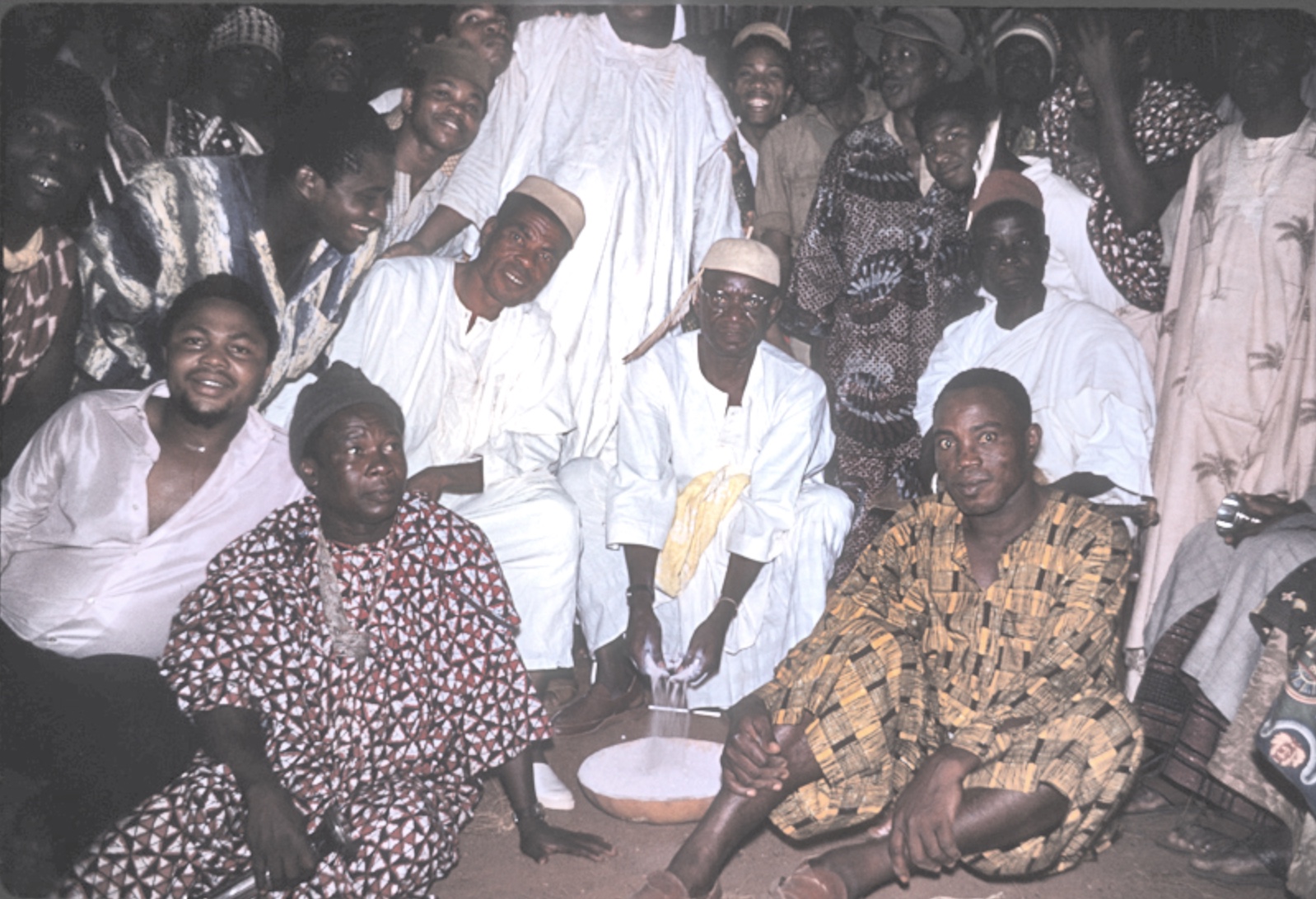
The Igbo people of southeastern Nigeria have a rich tradition of rituals that blend spirituality, culture, and governance. Among these, the Ije Udo ceremony in Onitsha (Onicha Mmili) stands out as a deeply symbolic rite. Known as the “Journey to Udo,” this sacred pilgrimage is a vital step in the coronation of the Obi, the traditional king of Onitsha. Far more than a ceremonial act, Ije Udo represents a spiritual covenant, tying the king to the ancestral deity Udo, the guardian of peace, and affirming that leadership in Igboland is rooted in humility, justice, and ancestral wisdom.
The written record
Historical context
Udo: The Spirit of Peace and Harmony
In Igbo cosmology, Udo is a revered ancestral spirit, often called Odozi Obodo, meaning “he who brings harmony to the land.” Udo embodies peace, order, and social balance, serving as a divine force that ensures community well-being. In Onitsha, Udo holds a special place as a spiritual arbiter whose blessing is essential for legitimate kingship. The deity is not merely a symbol but a living presence, believed to guide the community and its leaders toward justice and harmony.
The Udo shrine in Onitsha is a sacred site, central to the community’s identity. Oral traditions recount that the Onitsha people migrated from the Benin Kingdom centuries settling in their current location after the Oba desecrated their Udo shrine, an act so grave that it prompted their departure to preserve their spiritual heritage. This story underscores Udo’s role as a guardian ancestor, whose presence is vital for the prosperity and unity of Onitsha.
Understanding Ije Udo
Ije Udo, meaning “Journey to Udo,” is a mandatory spiritual pilgrimage undertaken by the Obi-elect before his public coronation as the king of Onitsha. This sacred journey to the Udo shrine is a rite of initiation, ensuring the king’s alignment with the ancestral spirit of peace and his commitment to lead with fairness and humility. The ceremony is a public declaration of the Obi’s readiness to serve, rooted in spiritual legitimacy rather than mere political power.
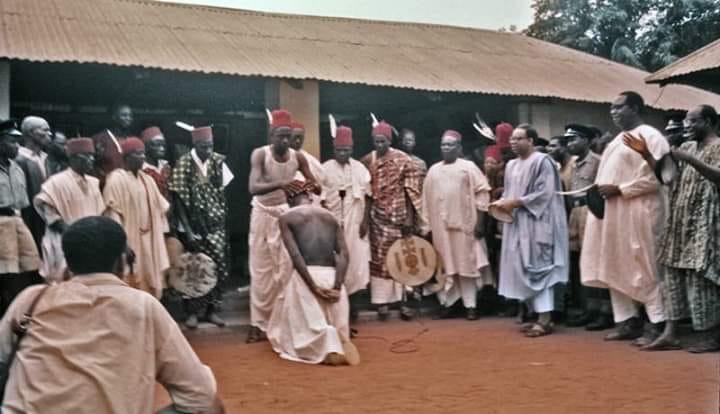
The journey is not a solo endeavor. The Obi-elect is accompanied by elders, chiefs, and custodians of tradition, including priests who maintain the Udo shrine. This procession symbolizes both humility and the collective support of the community, reinforcing that kingship is a shared responsibility. During the ritual, the Obi-elect seeks three key blessings:
- Spiritual Endorsement: The approval of Udo and other ancestors, confirming the Obi’s divine right to rule.
- Moral Clarity: The wisdom to govern justly, without bias or favoritism.
- A Covenant of Peace: A commitment to maintain harmony and unity among the people of Onitsha.
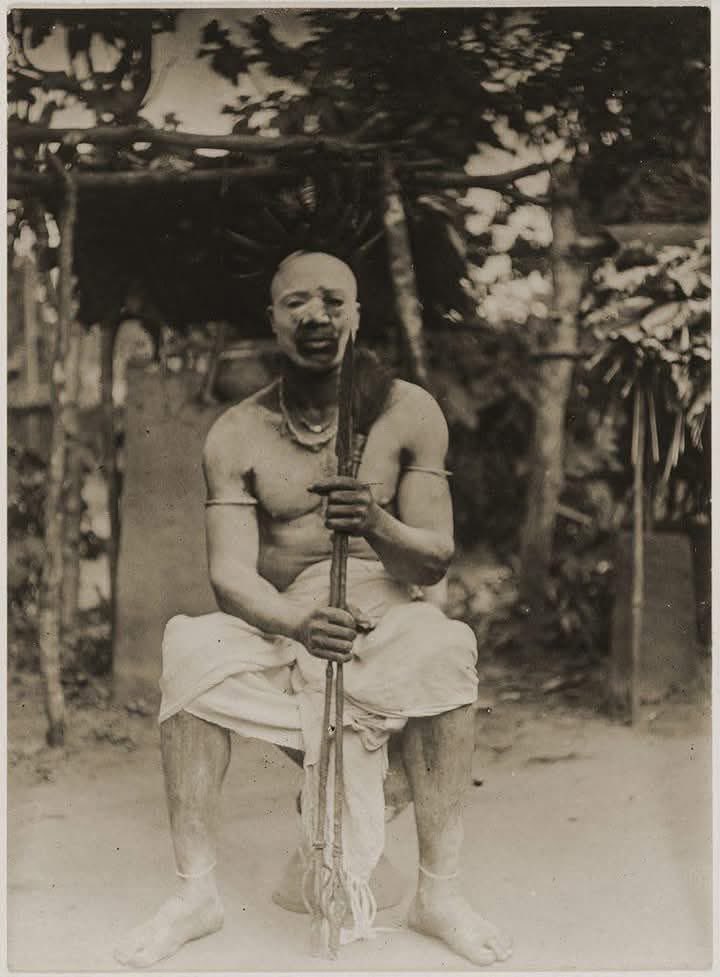
The ceremony is steeped in symbolism. The Obi-elect wears white cloths to signify purity of heart and intent. Libations and offerings, such as kola nuts and palm wine, are presented at the shrine to honor the ancestors and invite their favor. Unlike public coronations, which may involve pomp, Ije Udo is deliberately simple—no fanfare or armed escorts are allowed, emphasizing that leadership is a service, not a conquest.
The 1961 Ije Udo Conflict
The significance of Ije Udo was vividly demonstrated during a royal succession crisis in Onitsha in 1961. Two candidates, Joseph O. Onyejekwe and John Enwezor, competed for the throne of the Obi. Onyejekwe’s supporters organized a public Ije Udo ceremony, taking him to the Udo shrine to perform the ritual. This act was seen as a powerful declaration of his spiritual legitimacy, signaling that he had the ancestors’ blessing to lead.
The ceremony swayed public and traditional opinion. Many elders viewed Onyejekwe’s completion of Ije Udo as proof of his destined leadership, reinforcing the belief that no Obi could ascend without this sacred journey. Even in the context of colonial and postcolonial influences, which introduced Western governance systems, the Ije Udo remained a defining factor in determining legitimate kingship. The 1961 crisis highlighted the enduring power of spiritual tradition in Igbo society, showing that ancestral endorsement outweighed political or state-backed claims.
Symbolism and Rituals of Ije Udo
Ije Udo is rich with symbolic elements that reflect its spiritual and cultural importance:
- White Attire: The Obi-elect and his entourage wear white, symbolizing purity, humility, and a clean heart. This underscores the moral integrity required of a leader.
- Offerings and Libations: At the Udo shrine, offerings such as kola nuts, palm wine, and sometimes livestock are presented to honor the ancestors. These acts invite blessings and reaffirm the covenant between the living and the dead.
- Humble Procession: The absence of fanfare or armed escorts emphasizes that leadership is a humble service to the community, not a display of power.
- Communal Participation: The presence of elders, chiefs, and priests highlights the collective nature of Igbo kingship, where the king’s authority is supported by the community’s trust and ancestral guidance.
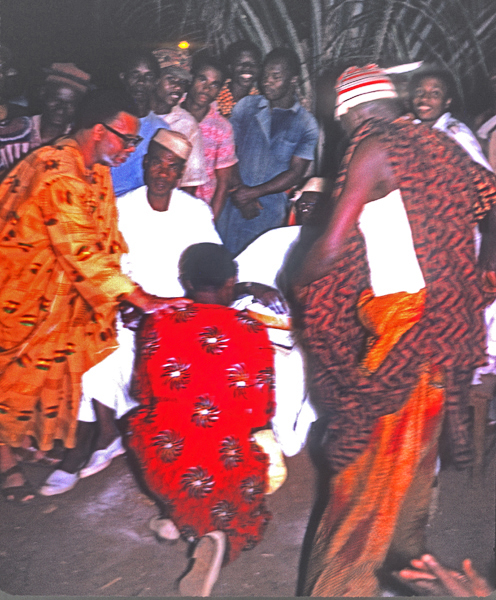
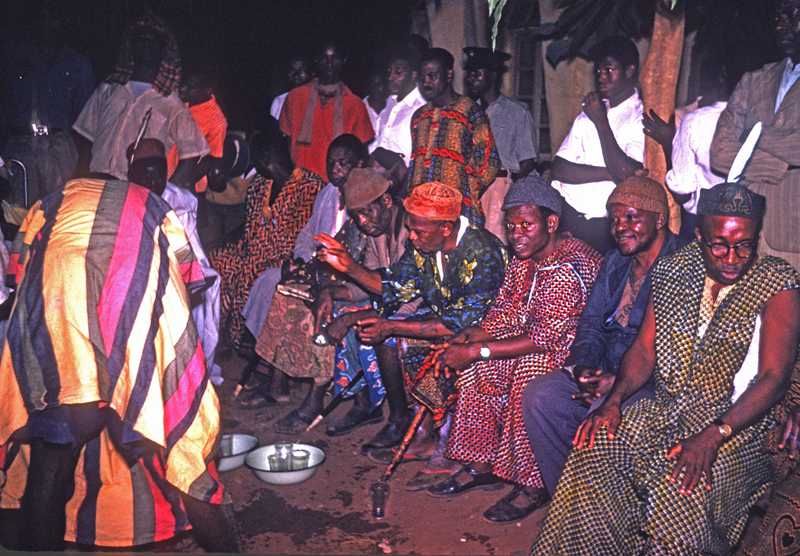
The journey itself is both physical and spiritual. The Obi-elect must approach the shrine with reverence, often walking barefoot to demonstrate humility before the ancestors. The rituals performed at the shrine, guided by traditional priests, involve prayers and invocations to Udo, seeking protection and wisdom for the king’s reign.
Udo as the Anchor of Onitsha Identity
The Udo shrine is more than a religious site—it is the spiritual heart of Onitsha. The migration story from the Benin Kingdom, where the desecration of the Udo shrine prompted the Onitsha people to leave, illustrates the deity’s central role in their identity. Udo is seen as a guardian ancestor, whose presence ensures the community’s prosperity and moral order. The shrine, located in a sacred grove, is maintained by priests who serve as custodians of its traditions, ensuring that rituals like Ije Udo are performed correctly.
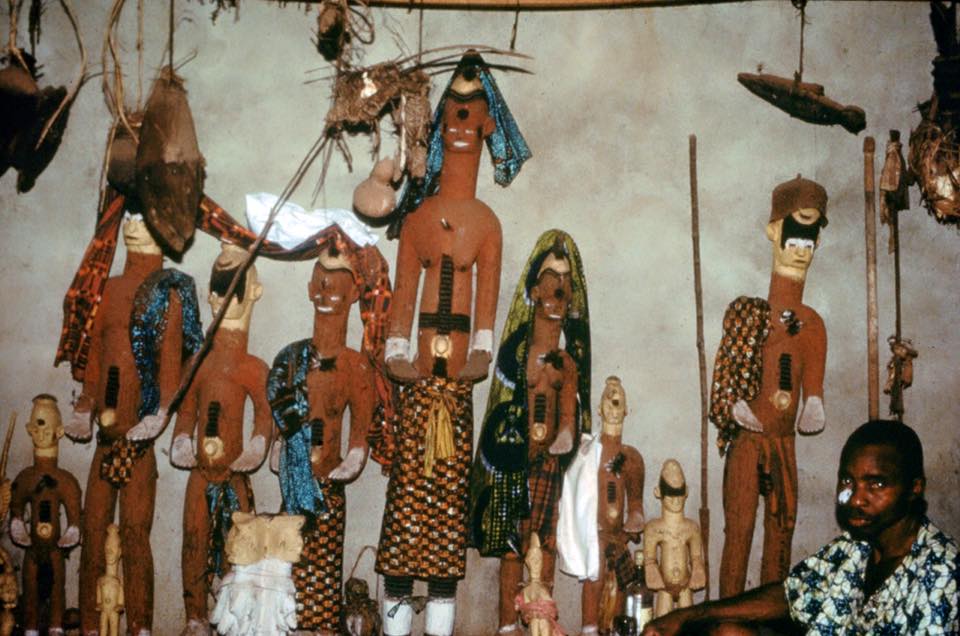
Udo’s influence extends beyond the coronation process. The deity is invoked in community disputes, ceremonies, and festivals, reinforcing its role as a symbol of peace and justice. For the people of Onitsha, honoring Udo through rituals like Ije Udo is essential for maintaining harmony and preventing discord within the community.
Historical and Cultural Context
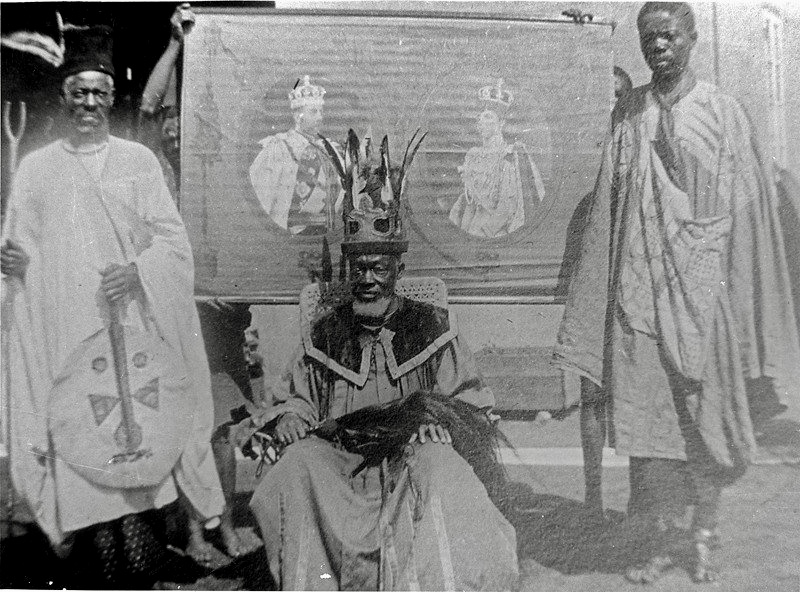
The Ije Udo ceremony reflects the broader Igbo system of governance, which integrates spiritual and political authority. In traditional Igbo society, leadership was not solely about power but about maintaining balance between the human and spiritual realms. The Obi of Onitsha, as a divine king, is both a political leader and a spiritual intermediary, responsible for upholding the community’s moral and cultural values.
The Ije Udo also highlights the decentralized nature of Igbo governance. Unlike centralized kingdoms like Benin, Igbo communities, including Onitsha, operated as segmentary societies where authority was shared among elders, priests, and titled individuals. The Obi’s role was to unify these elements, and the Ije Udo ensured that his leadership was sanctioned by the ancestors, reinforcing his legitimacy within this complex system.
Historically, the Udo shrine and its associated rituals predate colonial influence, with roots in the early migrations of the Igbo people. The shrine’s significance was so profound that it shaped the migration patterns of Onitsha’s ancestors, who prioritized their spiritual heritage over remaining under a ruler who disrespected it. This historical context underscores the resilience of Igbo traditions in the face of external pressures.
Ije Udo in Modern Times
Today, Ije Udo remains a cornerstone of the coronation process for the Obi of Onitsha. Despite the influence of modernity, Christianity, and Western governance systems, the ritual continues to hold deep significance. No Obi can be considered legitimate without completing the journey to the Udo shrine, as it is seen as a sacred contract between the king, the ancestors, and the people.
The ceremony also serves as a reminder of Onitsha’s cultural identity in a rapidly changing world. While some urban residents may view traditional rituals as outdated, rural communities and traditionalists in Onitsha continue to uphold Ije Udo as a vital link to their heritage. Cultural festivals, such as the Ofala festival, often incorporate elements of the Ije Udo, celebrating the king’s role as a spiritual and communal leader.
Challenges and Preservation
The Ije Udo, like many Igbo traditions, has faced challenges from colonial legacies and the spread of Christianity. During the colonial era, missionaries often discouraged traditional practices, viewing them as pagan. The introduction of Western governance systems also shifted some aspects of Igbo leadership, emphasizing state-backed authority over spiritual legitimacy. Despite these pressures, the Ije Udo has endured, largely due to the commitment of traditional custodians and community leaders.
Efforts to preserve the ritual are ongoing. Cultural organizations, scholars, and the Onitsha traditional council actively promote the significance of Ije Udo through education, festivals, and documentation. For example, the Ofala festival, which celebrates the Obi’s reign, often includes references to the Udo shrine, keeping its importance alive for younger generations. These efforts ensure that the Ije Udo remains a living tradition, connecting modern Onitsha to its ancestral roots.
Ije Udo Onicha Mmili is more than a ritual—it is a sacred journey that binds the Obi of Onitsha to the spirit of Udo, the ancestors, and the people. It embodies the Igbo belief that true leadership is rooted in humility, justice, and spiritual legitimacy. In a world where politics and spirituality are often separated, Ije Udo stands as a powerful reminder of indigenous governance, where the king’s authority is inseparable from his covenant with the divine and the community. As Onitsha continues to navigate modernity, the Ije Udo remains a beacon of cultural identity, ensuring that the values of peace, harmony, and ancestral wisdom endure.
Sources and references
- A Mighty Tree. (n.d.-a). Ije-Udo Crowning Another .
- A Mighty Tree. (n.d.-b). Ije-Udo Enwezor .
- Okeke, C. (2020). Igbo traditional religion and culture: A study of Onitsha . Journal of African Cultural Studies, 32(3), 245–260.
- Onwuejeogwu, M. A. (1981). An Igbo civilization: Nri kingdom & hegemony . Ethnographica .
- Uchendu, V. C. (1965). The Igbo of southeast Nigeria . Holt, Rinehart and Winston.
Cite this article
Discussion
Sign in to join the discussion
Comments are checked by an editor before they appear. Leave a source or a correction and it is read first.
Continue reading
Related histories
 Cultural HeritageEleven Days of Nwafor Ogidi: Inside the Festival Keeping an Old Igbo Tradition AliveRead history →
 Cultural HeritageIli Ji Nkpor Obododike: The Indigenous Agricultural Ritual CycleRead history →
 Cultural HeritageMusic and Drum Traditions: Tracing the “Igbo Drum” in the AmericasRead history →
No comments yet
Nothing has been approved on this record yet. Comments are checked by an editor before they appear, so one written now shows on this page after that check.