 Ozikoro
Biography · Published history
Ikenga Super Stars of Africa: Pioneers of Igbo Highlife
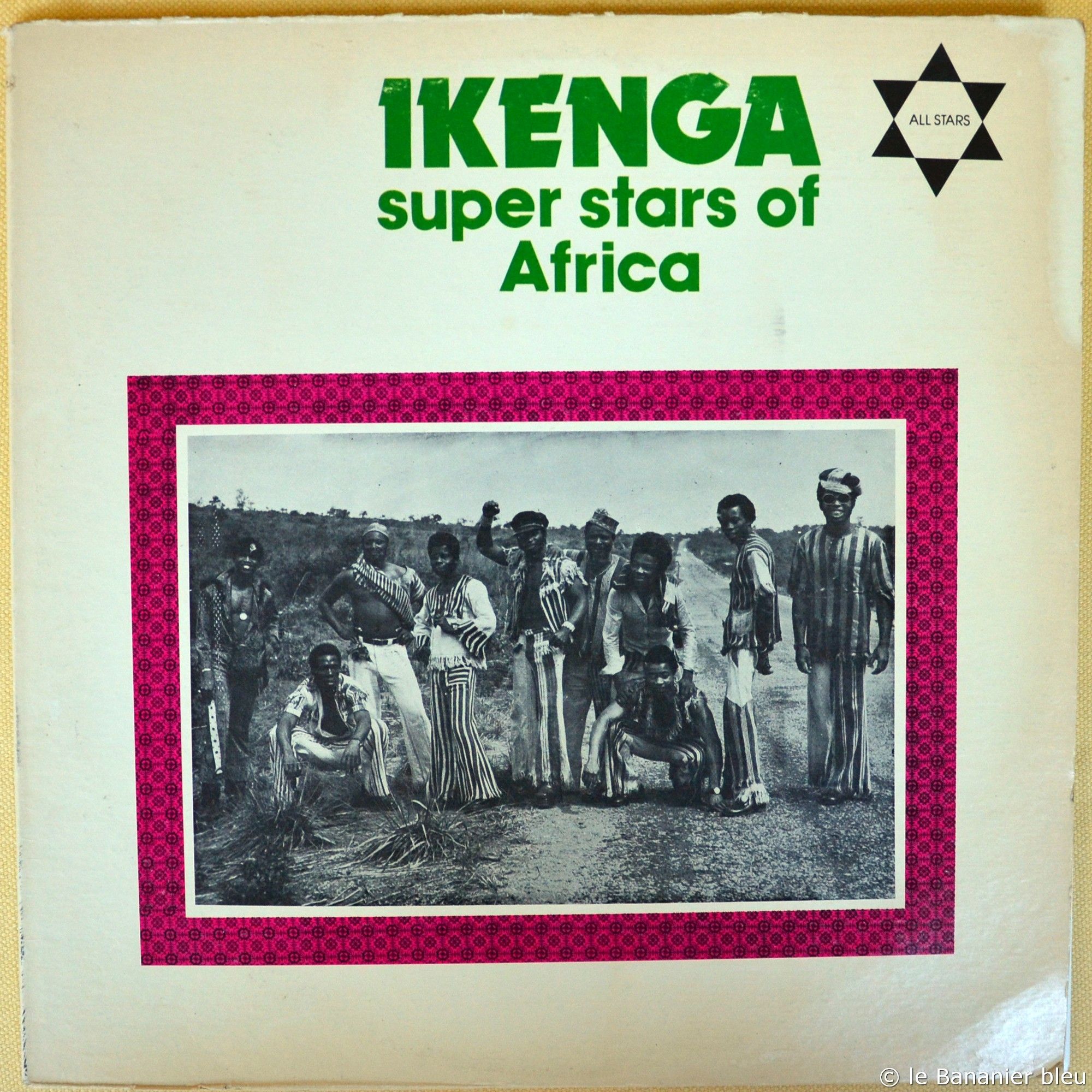
When you talk about powerful, energetic, and deeply cultural Igbo highlife, you simply can’t skip the Ikenga Super Stars of Africa. This legendary group brought a unique blend of rhythm, guitar sweetness, and storytelling that made them stand out from the crowd. Their sound had that unmistakable Igbo spirit, strong, proud, and full of life.
The written record
Historical context
How the Ikenga Super Stars Emerged
The band was formed in the early 1970s, a period when Igbo highlife was booming once again after the Nigerian Civil War. Led initially by musicians like James Ezebuiro “Warrior” Odionu, the group carved a niche for themselves with a refreshing, fast-paced sound that felt both modern and traditional.
Their name, Ikenga, reflects strength, success, and personal achievement in Igbo cosmology. In many ways, the band lived up to that name.
They weren’t just musicians; they were cultural ambassadors who carried the Igbo identity into dance halls, radio stations, and festivals across West Africa.
The Ikenga Super Stars of Africa, led by Vincent Okoroego, a former member of Steven Osita Osadebe’s Nigeria Sound Makers were a leading Igbo “guitar highlife” group of the seventies and eighties in Nigeria. The Ikengas called their style of music “Ikwokilikwo”, a fast-paced form of highlife popularized by Oliver de Coque and Godwin Kabaka Opara of the Oriental Brothers, amongst others.
The band went on to record several LP’s, while establishing themselves as one of the most beloved Nigerian groups of all time, not only in their homeland but across Africa and in Europe as well.
It has long been rumored that “Nkengas in London” was an Osita Osadebe master tape hijacked by Okoroego and other members of the Nigeria Sound Makers who defected in the early seventies. Absent any evidence to the contrary, this seems likely. “Nkengas in London” sounds not at all like other Ikengas recordings, for instance, “Ikenga in Africa.” The vocals, the instrumentation, even the spoken comments at the beginning of the songs, are all classic Osadebe.
The Ikengas have had numerous personnel changes and defections over the years and while they were basically an “Igbo” group, over time they took on a broader character, enlisting musicians from other ethnic groups and Cameroun. In this sense they were part of a broader movement in Nigerian music in the late seventies and early eighties that I call “Pidgin Highlife,” a trend that included artists like Prince Nico Mbarga who sang mainly in “pidgin” or “broken” English rather than vernacular languages. As this genre faded away in the early eighties, so did the Ikengas.
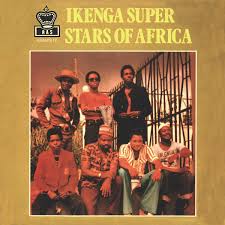
Musical Style: Fast, Fierce, and Full of Culture
What made the Ikenga Super Stars so special was their signature style; a “sweet but energetic” highlife groove. Their music mixed:
Driving percussion with traditional Igbo rhythms
Lively guitar patterns influenced by Afrobeat and classic highlife
Catchy call-and-response vocals
Cultural proverbs and praise chants
Danceable tempo that made it impossible to sit still
Songs like “Ikenga Special,” “Onye Kwulu Okwu,” and “Ogbu Ife” became staples at ceremonies, village gatherings, and radio shows.
The group became known for their high energy, and once they hit the stage, the crowd followed.
The Ikenga Super Stars didn’t just sing for dancing, they sang to teach, to advise, and to celebrate identity. Many of their songs revolve around:
Pride in Igbo culture
Moral lessons and warnings
Praise of good character
Stories of community life
Social commentary
They had a unique way of making philosophy feel like a party.
One thing that made the Ikenga Super Stars stand out is how far their music travelled. They performed in various West African countries and influenced bands across Ghana, Cameroon, and Côte d’Ivoire. Many of their records sold impressively across the region, helping to elevate Igbo highlife into a continental genre.
Their popularity proved that highlife wasn’t just for local listeners, it had global appeal.
At their peak, Ikenga Super Stars were in healthy rivalry with groups like: Oriental Brothers, Prince Nico Mbarga & Rocafil Jazz, The Great Empire Band, Stephen Osita Osadebe’s group
This competition pushed each band to innovate and stay relevant.
And like many big bands of that era, the Ikenga group also experienced internal disagreements, which led to: Changes in leadership, Creation of splinter groups, Variation in musical direction over the years
However, despite the splits, the original name remained respected.
Even decades later, the Ikenga Super Stars remain one of the most beloved highlife groups. Their music is still played at cultural events, weddings, and traditional ceremonies. Younger musicians continue to sample their style, especially the lively guitar strumming and drum patterns.
The band paved the way for the next wave of highlife musicians and preserved a sound that defines a whole era of Igbo culture.
Whenever someone hears an Igbo highlife beat with fire in it, chances are the Ikenga influence is somewhere inside.
Sources and references
- Eze, P. (2010). Highlife reborn: Igbo bands and post-war musical identity. Enugu: Melody Heritage Press.
- Nwankwo, J. (2015). “The Ikenga Super Stars and the rise of modern Igbo highlife.” African Music Review, 18(1), 22–41.
- Okoro, S. (1978). Ikenga special [Album]. Lagos: Afro-Highlife Records.
- West African Melody Magazine. (1982, April). “The evolution of the Ikenga Super Stars of Africa.” West African Melody Magazine.
Cite this article
Discussion
Sign in to join the discussion
Comments are checked by an editor before they appear. Leave a source or a correction and it is read first.
Continue reading
No comments yet
Nothing has been approved on this record yet. Comments are checked by an editor before they appear, so one written now shows on this page after that check.