 Ozikoro
 Cultural Heritage · Published history
Iko Mbara: Concubinage and the Social Order among the Ngwa Igbo
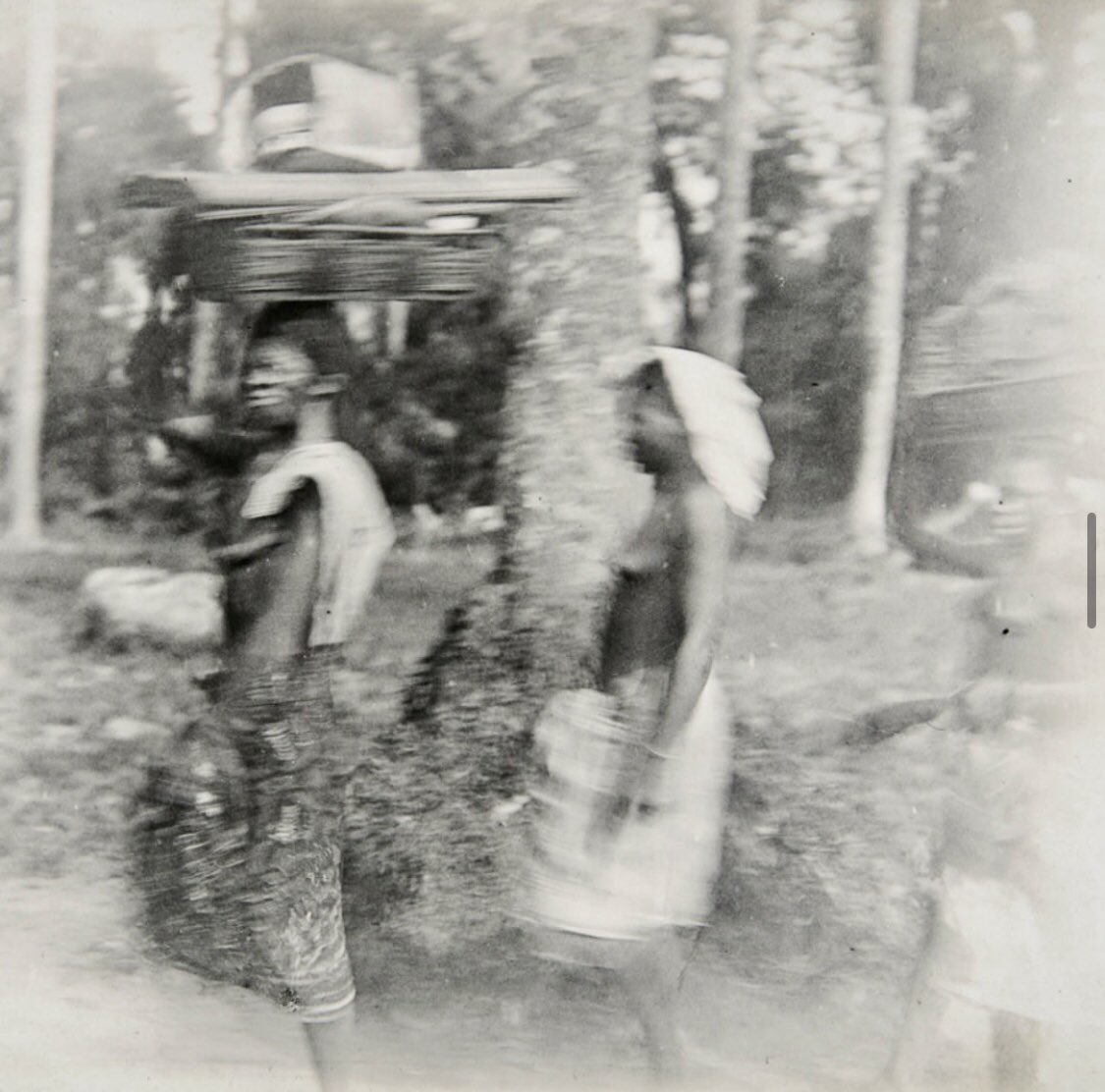
In the cultural life of the Ngwa Igbo, a significant Igbo sub-group in present-day Abia State, relationships between men and women have always reflected more than personal affection. They express an entire social philosophy of kinship, morality, and economic balance. Among these relationships, one of the most misunderstood yet socially structured institutions was iko mbara, concubinage.
The written record
In Western thought, the word “concubinage” often carries notions of immorality or exploitation. But within traditional Ngwa society, as Victor C. Uchendu observed in his classic 1965 study, iko mbara was neither secretive nor sinful. It was a legitimate social arrangement that reflected a deeply rational system of human relationships, one designed to meet emotional, economic, and reproductive needs in ways that strengthened, rather than weakened, the social fabric.
Historical context
Marriage and the Balance of Rights
To understand Iko Mbara, one must first grasp the Ngwa view of marriage. Marriage was not simply a romantic union; it was a contract between two lineages. Once a man paid bridewealth to a woman’s family, he gained the social rights to her labour, her companionship, and, most importantly, her reproductive capacity. Children born to her, even through another man, belonged to her husband’s lineage.
This system gave men lineage security but also allowed women a degree of social independence that surprises many modern readers. Ngwa women traded in markets, owned property, and even married other women in a system known as woman marriage, a form of social reproduction that allowed a wealthy or childless woman to “husband” another woman to raise heirs through her.
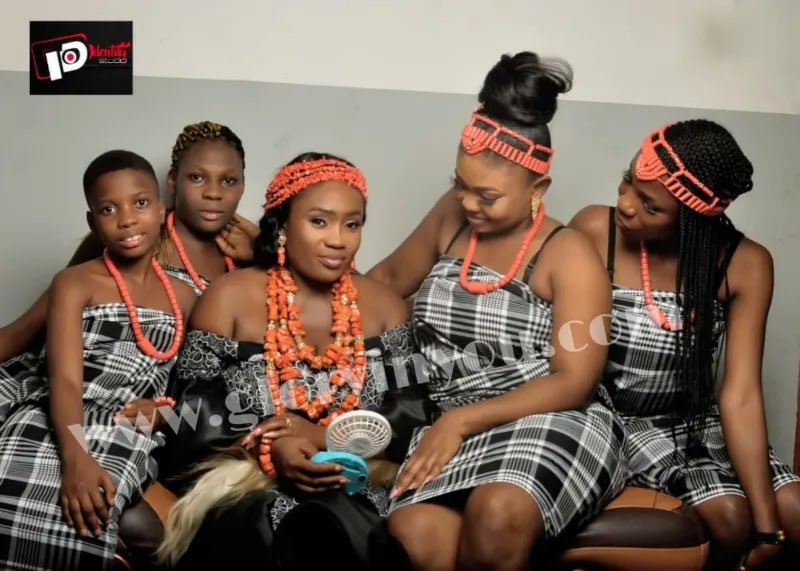
The Meaning of Iko Mbara
Within this flexible moral and kinship system, iko mbara, concubinage, had its place. It was an arrangement that allowed a married woman, with her husband’s consent or knowledge, to form a relationship with another man. Far from being adultery, it was recognised, regulated, and often beneficial to all parties involved.
The man involved, called the paramour, might offer gifts or farming help to the woman. He could assist her with trade or provide protection, while the husband retained legal and social rights over her and any children born from the relationship. As Uchendu wrote, the Ngwa “did not see sex as a matter of guilt but of social order.” What mattered was legitimacy, whether a relationship was socially sanctioned and did not threaten lineage stability.
Types and Forms of Concubinage
Uchendu described several variations of iko mbara, each shaped by social class, personal situation, and purpose:
- Oke Iko (“great paramour”) was the dignified form practised among titled or wealthy individuals. It was non-residential and carried out discreetly, often involving exchanges of gifts and mutual respect.
- Tukwuo Lie (“separate when tired”) was a temporary or working-class form, where both partners lived together for a time and parted when circumstances changed.
- Nketara (“inherited”) referred to a man or woman chosen to bear children on behalf of a deceased relative’s lineage, maintaining continuity for the dead.
- Utugbara (“penis bought”) represented a freer form of companionship, focused mainly on sexual satisfaction and emotional support.
Each variation carried its own moral logic. None was considered inherently wrong, provided it did not breach communal consent or deny the husband’s or lineage’s recognised rights.
Moral Philosophy and Social Function
The Ngwa worldview placed morality not in sexual restriction but in social responsibility. Sexual relationships were judged by whether they respected communal order, kinship structure, and fairness, not by notions of chastity. A woman in Iko Mbara was not stigmatised; she could still attend meetings, participate in markets, and hold social honours. The arrangement might elevate her status through access to resources and broader social networks. Similarly, for men who could not afford bridewealth, becoming a concubine’s partner offered a socially acceptable way to enter adulthood and form emotional ties.
Concubinage also served as a stabilising force in polygynous homes. When tensions arose between co-wives or a husband grew indifferent, Iko Mbara allowed a woman companionship without threatening her husband’s authority. It provided emotional and economic equilibrium, preserving the harmony of extended households.
Colonial and Christian Disruption
With colonialism and Christian missionary influence came a moral reinterpretation of iko mbara. Missionaries condemned it as adultery, while colonial courts, applying English legal codes, outlawed such unions. Western education and Christian marriage introduced ideals of monogamy and sexual exclusivity, reshaping the moral landscape of Ngwa society.
But even as churches preached against concubinage, many rural communities quietly preserved it under new forms. African Independent Churches, which blended Christian teaching with traditional customs, were more accommodating. Among older generations, Iko Mbara continued to exist as a quiet assertion of cultural logic, a reminder that moral order could exist without Western notions of sin.
Gender, Power, and Modern Reflections
What emerges from Uchendu’s ethnography is a portrait of a society that had already achieved a subtle gender balance before colonial interference. Ngwa women enjoyed forms of sexual and social autonomy that challenged European gender hierarchies. They could be wives, traders, political organisers, and concubines, all within moral bounds defined by community reason rather than external religious dogma.
Today, as gender studies re-evaluate African societies beyond colonial moral frameworks, Iko Mbara invites more profound reflection. It reveals that precolonial Igbo societies, far from being patriarchal in the Western sense, managed a sophisticated system of gender and sexuality rooted in reciprocity, responsibility, and social cohesion.
Uchendu’s conclusion still resonates: in a culture where opportunities for social advancement were open to both men and women, it was “difficult to maintain a double standard of morality.” Ngwa concubinage, therefore, was not a mark of moral decay but an expression of cultural pragmatism, a living philosophy that bound intimacy to justice and desire to duty.
Sources and references
- Uchendu, V.C. (1965). Concubinage among the Ngwa Igbo of Southern Nigeria. Africa: Journal of the International African Institute, 35(2), 187–197.
- Amadiume, I. (1987). Male Daughters, Female Husbands: Gender and Sex in an African Society. London: Zed Books.
- Afigbo, A.E. (1972). The Warrant Chiefs: Indirect Rule in Southeastern Nigeria 1891–1929. London: Longman.
- Meek, C.K. (1937). Law and Authority in a Nigerian Tribe. London: Oxford University Press.
- Ottenberg, S. (1962). Culture and Society in Central Africa. Evanston: Northwestern University Press.
Cite this article
Discussion
Sign in to join the discussion
Comments are checked by an editor before they appear. Leave a source or a correction and it is read first.
Continue reading
Related histories
 Cultural HeritageEleven Days of Nwafor Ogidi: Inside the Festival Keeping an Old Igbo Tradition AliveRead history →
 Cultural HeritageIli Ji Nkpor Obododike: The Indigenous Agricultural Ritual CycleRead history →
 Cultural HeritageMusic and Drum Traditions: Tracing the “Igbo Drum” in the AmericasRead history →
No comments yet
Nothing has been approved on this record yet. Comments are checked by an editor before they appear, so one written now shows on this page after that check.