 Ozikoro
 Cultural Heritage · Published history
Ikwezi: A Cultural Invitation To Womanhood In Mgbidi
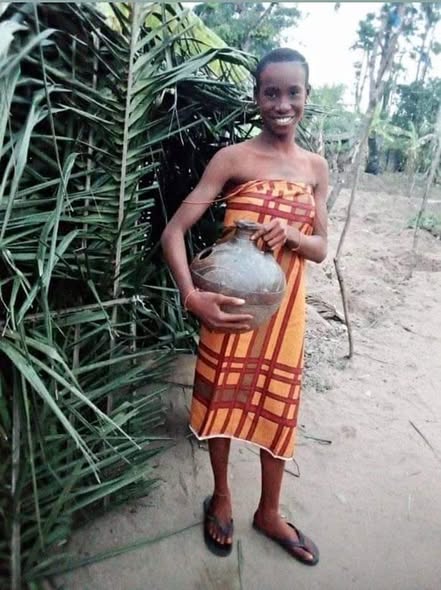
Ikwezi is a coming of age ceremony done for young pubescent women between January to June every year in Mgbidi. It is performed by every clan in Mgbidi except the Aro clan . It’s highlight is the izu ahia ezi that happens at the end of the duration of the program.
The written record
Historical context
Historical Background
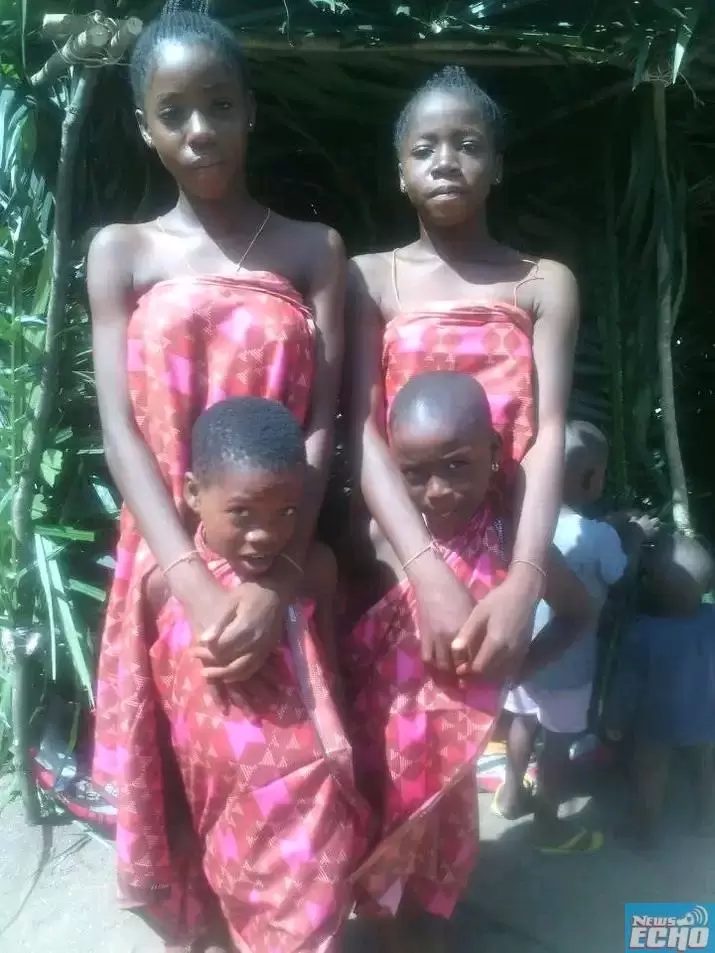
Innocent Duru (2017), a reporter for The Nation Online Newspaper, writes that Chief Festus Orji Achonu, the Principal Palace Secretary to the traditional ruler of obi mgbidi, revealed in an interview that the practice started with the beautiful daughter of a peasant as a result of her beauty, because many people were jealous of her. The beautiful girl eventually became pregnant out of wedlock; this presented the elders to converge and declare the act (pregnancy out of wedlock) a taboo and they resolved that she should be banished from the town. Her helpless father cried but found no help; resigned to the fate of his daughter, he swore that nothing would ever put an end to Ikwe-ezi in the land. And that marked the beginning of the Ikwe-ezi rite of passage. Moreover, the gods gave their consent and that is why nobody has been able to stop the Ikwe-ezi Mgbidi rite of passage since then.
The Stages of Ikwezi:
- Igbawa udu ego:
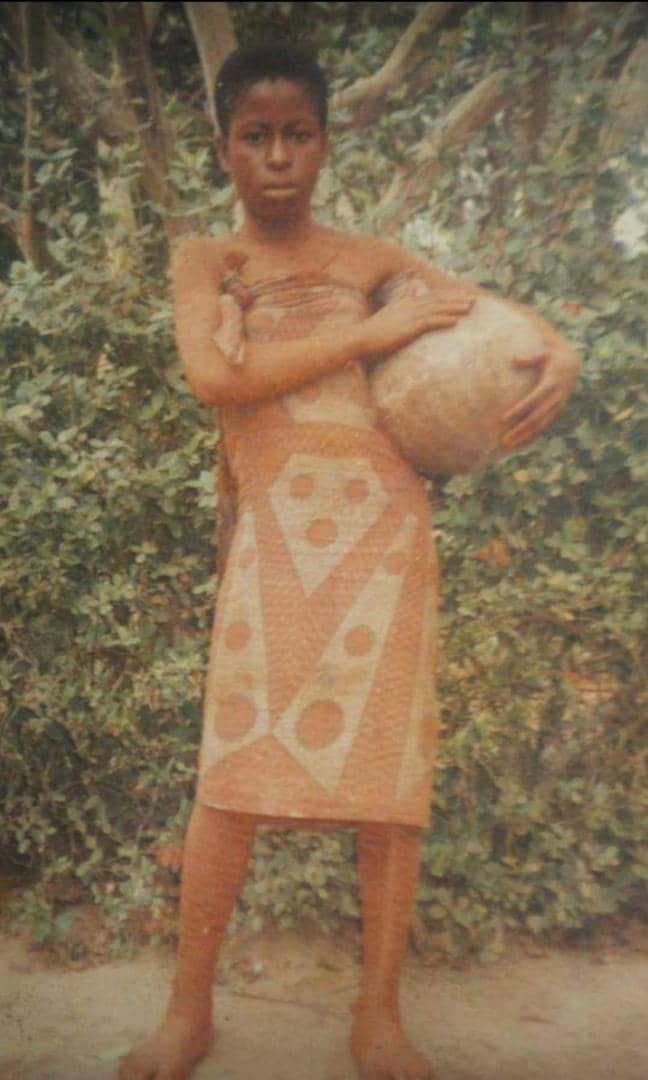
Here the family of the pubescent girl is informed of her pioneer menstrual cycle, then a hut or makeshift shed is built out for her. After which her parents were mandated to notify the entire community with one or two gunshots.
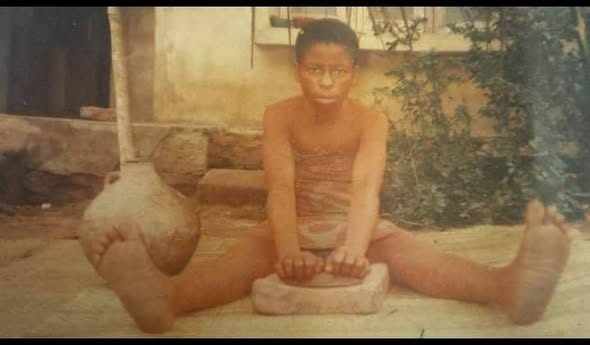
A ritual is performed for her which ends with her grinding Uhie ( a medicinal plant used in bone setting, physiotherapy, skincare ).

Photo credit : @omenalaigbo on instagram
Throughout this period, special delicacies and delicious meals were prepared by her mother for her to eat to enhance her health . Ikwezi lasts for “izu uka na ano” , that is ( 4 weeks of 4 days of the igbo calendar =16 days). She is then ushered into the makeshift hut/shed which would serve as her fattening room.
Every Eke weekday within those 4 weeks, family, (ikwu na ibe) friends and well wishers come together to celebrate , eat and drink. . On these days, the girl is required to give out a coconut and a fish to her guests who came to congratulate her. The guests may have reciprocated her good gesture by giving her money
- Purity Call :
This is kick started a day to the final day, she is escorted by the mother, women of the family ‘umuada na umunwanyi alubatara “ ( who have spent four market weeks mentoring her during her fattening on womanhood) to mmiri nwataoma where she dips her feet to signify purity with a small yam which was thrown into the river as a gift to the goddess Obana. This also signifies spiritual cleansing ahead of her sojourn to womanhood.

photo ctredit : youtub
- Izu ahia ezi:
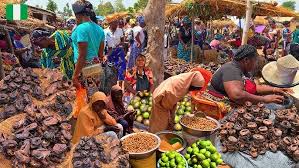
This marks the final day of the process, here she’s presented to the world as a new entrant into womanhood. Here friends and well wishers buy fabrics , personal belongings and every other thing a woman needs for her, strangers who meet her as she walks through the market for her shopping are encouraged to support and also buy for the celebrant.
Significance of ikwezi
This cultural practice appreciates that a girl’s journey into womanhood is not just biological but spiritual and communal. Infact, a woman’s place as nwa ada mgbidi is not complete until ikwezi has been done. Which means that she cannot participate fully in traditional gatherings, communal decision-making, or certain women’s groups. It’s also a period of teaching self care, discipline, sisterhood, home management etc to prepare her for her role in society as an ada.

The influence of christianity on this cultural practice
Christian missionaries and authorities found several aspects of the Ikwe-ezi ritual objectionable from the early 1900s. As Christianity spread and gathered momentum in Mgbidi, the church saw a need either to abolish or to modify the Ikwe-ezi rites of passage to suit Christian doctrines. First they objected to the fact that the girls were required to perform part of this ritual nude, then they could not accept the girls’ dealings with Obana, goddess of the river, particularly that they had to go to the stream, dip their feet into the water, and then visit the shrine of the goddess. Christians sought to eradicate the ritual and initially the Traditionalists resisted. Sadly, this resulted in the outbreak of violence because the church involved the colonial authorities to impose a ban and many lives were lost. Eventually, for the sake of peace, and in order to preserve and transmit for future generations the Ikwe-ezi rite of passage, the Traditionalists accepted the reformation of the ritual.
Sources and references
- Mfon, E. E. (2023). The influence of Christian religion on the rite of passage of Ikwe-ezi in Mgbidi of Imo State, Nigeria. Matrix: A Journal for Matricultural Studies , 3 (1), 165–191.
- Obi-Onwurah, C. (2025, November 28). Ikwe-Ezi in Mgbidi: Meaning, cultural significance and Igbo tradition . Nnewi City: African Culture and Traditions.
Cite this article
Discussion
Sign in to join the discussion
Comments are checked by an editor before they appear. Leave a source or a correction and it is read first.
Continue reading
Related histories
 Cultural HeritageEleven Days of Nwafor Ogidi: Inside the Festival Keeping an Old Igbo Tradition AliveRead history →
 Cultural HeritageIli Ji Nkpor Obododike: The Indigenous Agricultural Ritual CycleRead history →
 Cultural HeritageMusic and Drum Traditions: Tracing the “Igbo Drum” in the AmericasRead history →
No comments yet
Nothing has been approved on this record yet. Comments are checked by an editor before they appear, so one written now shows on this page after that check.