 Ozikoro
 Cultural Heritage · Published history
Ila Oso Festival Uzuakoli: A Dynamic Display of Igbo Culture and Unity
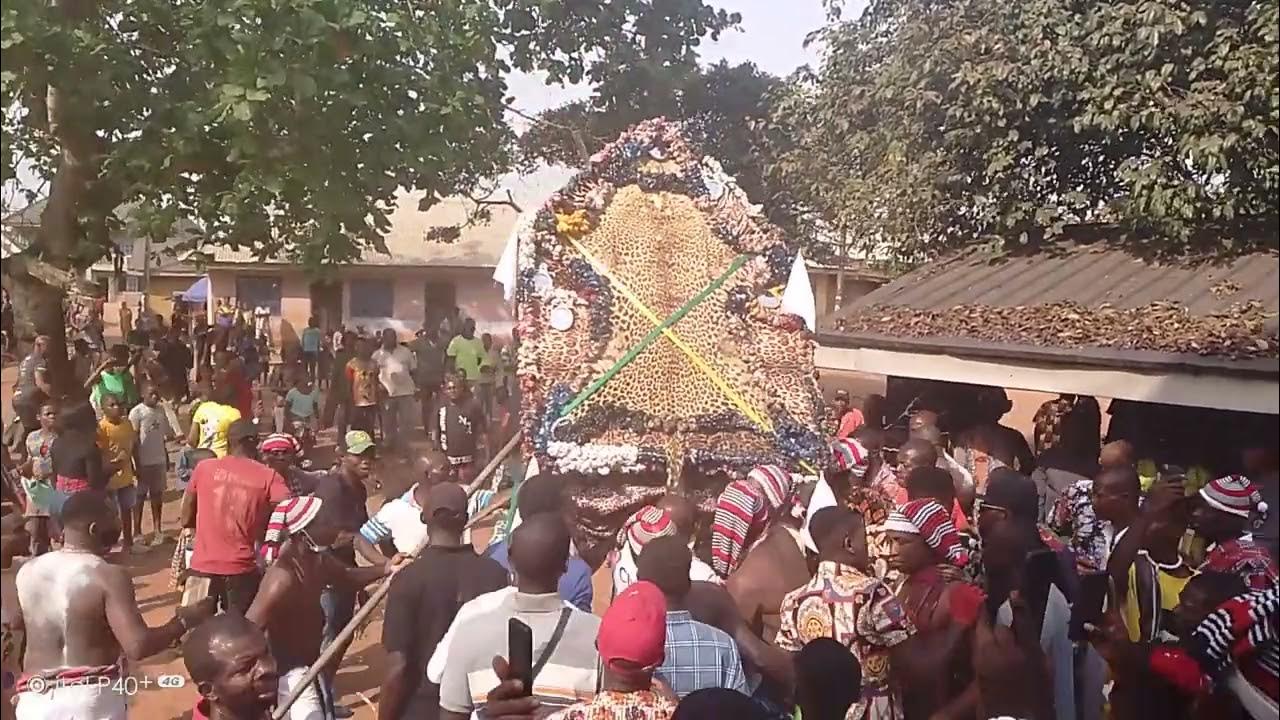
The vibrant town of Uzuakoli in Abia State, Nigeria, bursting into life with the rhythmic beat of drums and the spirited march of age groups under the December sky. This is the Ila Oso Festival, a captivating cultural celebration that transforms Uzuakoli into a stage of tradition, pride, and community spirit. Picture the streets filled with colorful displays, families reuniting, and the air rich with the aroma of festive meals—held annually from the second week of December until just before Christmas, this festival is a dynamic showcase of Igbo heritage. It’s a time when Uzuakoli shines, drawing locals, diaspora, and cultural enthusiasts to witness a tradition that honours artistic talent and communal bonds in the heart of Abia State.
The written record
Historical context
A Tradition Rooted in Cultural Pride
The Ila Oso Festival, sometimes referred to as Ila Ose, has its origins in the rich Igbo culture of Uzuakoli, a community in Bende Local Government Area. While exact historical records are sparse, oral traditions and local accounts suggest it began as a cultural display to celebrate the talents and achievements of the town’s people, evolving into a formalized festival over two centuries ago. The name “Ila Ose” may reflect a local term for a gathering or war dance, aligning with its competitive nature, though some interpret it as a celebration of peace and prosperity. Celebrated annually from the second week of December to a few days before Christmas, it coincides with the dry season, a time of reflection after the harvest.
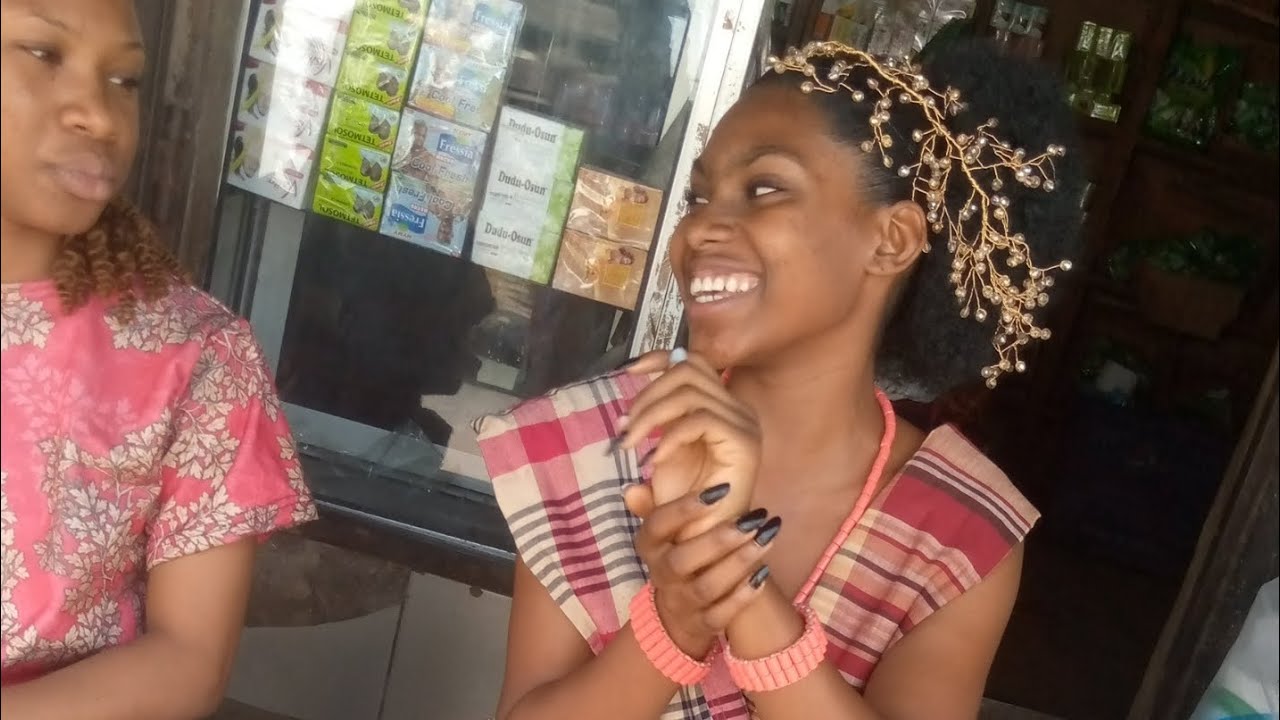
Historically, the festival served as a platform for age groups—from the youngest children to the eldest elders—to showcase their skills through marches, dances, and artistic displays. Uzuakoli, known for its Methodist College and historical significance, uses this event to unite its five villages—Amuzu, Ngodo, Elu, Umuebere, and Afara—fostering a sense of rivalry and camaraderie. While some sources hint at a biennial alternation with the Iza Mbara Ama festival, recent community engagement suggests it’s an annual event, adapted to modern times while retaining its cultural essence.
Preparing for the Festive Showcase
Preparation begins in early December. Families gather resources for the festivities, with women cooking traditional dishes like pounded yam, pepper soup, and palm wine. Young and old prepare their traditional regalia—akwa george wrappers, beads, nzu (white chalk), and uri (camwood)—to march in pride. Each of Uzuakoli’s five villages assigns a day for its age groups to perform, with rehearsals filling the weeks before.
The community sets the schedule, ensuring the festival spans from the second week of December to just before Christmas, with elders coordinating to maintain its competitive spirit. The town welcomes indigenes returning from Umuahia, Port Harcourt, Abuja, Enugu, Lagos, or abroad, their homes opening to host the influx. By mid-December, Uzuakoli is alive—streets decorated, spirits high, and hearts ready for a week of celebration.
A Week of Marches, Dances, and Unity
The Ila Ose Festival unfolds over several days, starting in the second week of December and ending a few days before Christmas. Each of the five villages—Amuzu, Ngodo, Elu, Umuebere, and Afara—takes a day to showcase its age groups, with the event peaking in a grand finale at the main square. The festivities begin with a ceremonial march, where participants, from toddlers to elders, display their talents—dances, songs, and artistic feats—competing for recognition.
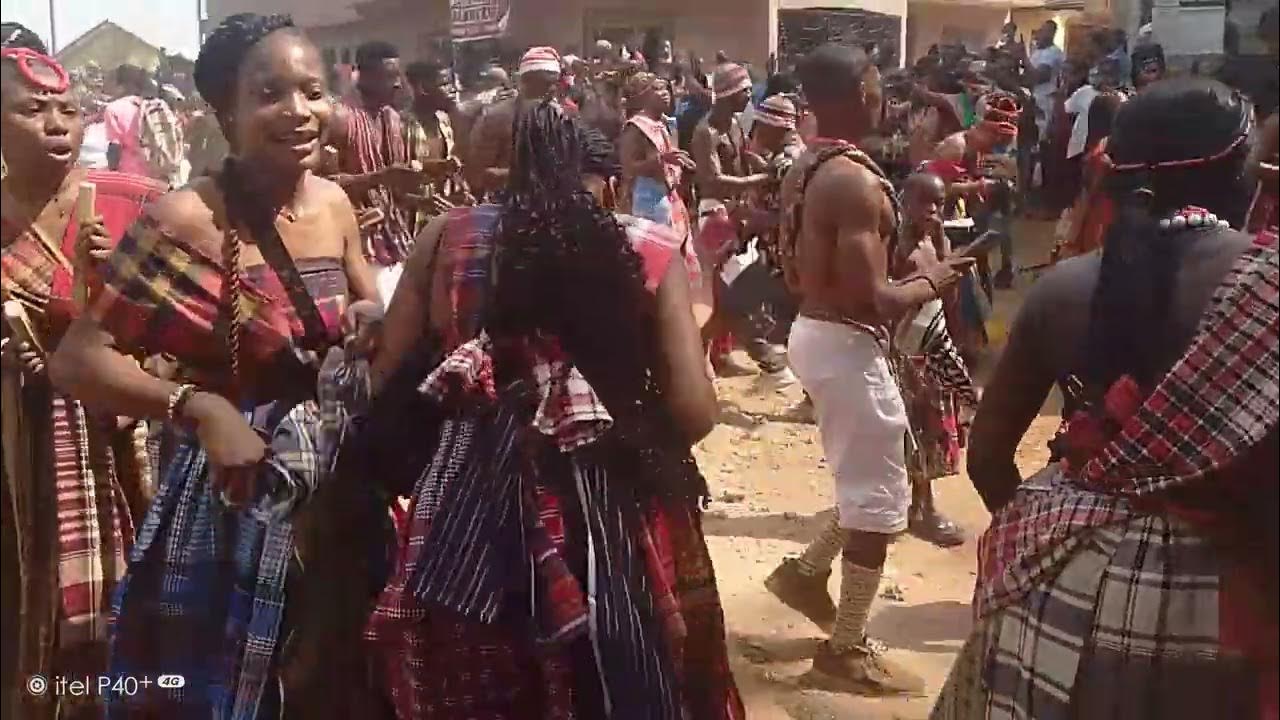
The streets buzz with energy as age groups parade in colorful attire, their movements synchronized to the beat of drums and ogene gongs. The crowd cheers, children mimic the steps, and adults offer praise, fostering a spirit of rivalry and camaraderie. The final day brings all villages together for a spectacular display, blending individual village pride with collective unity. Food stalls serve yam dishes and palm wine, extending the celebration into evening gatherings with storytelling and feasting.
A Festival with Purpose and Challenges
Ila Oso is Uzuakoli’s cultural lifeline. The age-group marches connect the community across generations, reinforcing Igbo values of pride, unity, and artistic expression. It unites the five villages, pulling indigenes home and attracting tourists who marvel at its dynamic displays. The festival also boosts local pride, with leaders encouraging cultural preservation amidst modern influences.
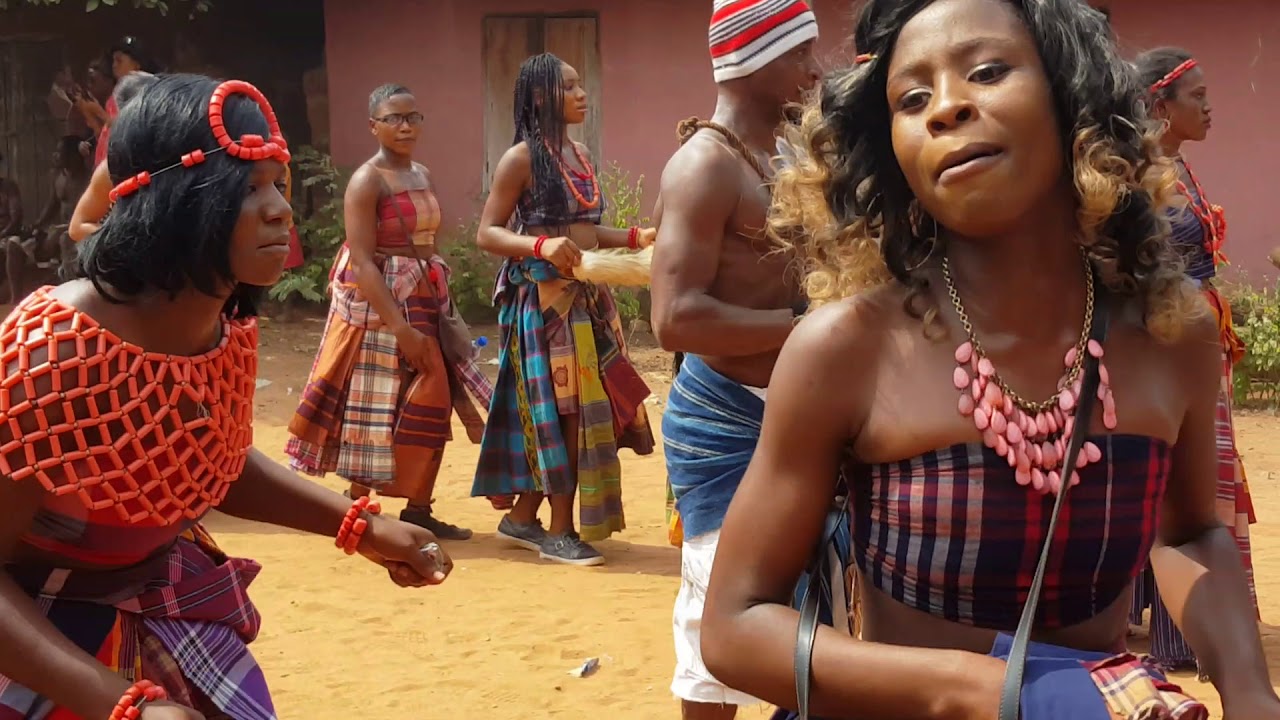
Economically, it spurs tourism, filling local markets, though it faces challenges. Some Christian factions question its traditional elements, given its proximity to the Methodist heritage, but Uzuakoli’s people see it as a cultural celebration, not a religious rite. Security ensures safety, addressing rare incidents, ensuring the festival’s growth as a regional highlight.
Uzuakoli: A Town of History and Heart
Uzuakoli, part of Bende LGA, is a historic Igbo community known for its Methodist College, established in 1923, and its role in education and trade. With its five villages and a legacy of missionary influence, it balances tradition with progress. The Ila oso Festival amplifies this legacy, drawing visitors to its vibrant villages.
Tourists love the festival’s energy—music, dances, and age-group displays—pairing well with nearby Umuahia’s attractions. For Uzuakoli, it’s a chance to shine, a dynamic reminder of its roots.
A Festival That Endures
As the drums fade and the marches end, Ila Oso leaves Uzuakoli glowing. It’s a cultural tribute, a reunion, and a community triumph all in one. In a changing world, this festival holds firm—a testament to Igbo resilience. Next December, the rites will resume, the dances will flow, and Uzuakoli will welcome all. If you’re in Abia State, follow the beat—you’ll find a celebration that’s pure magic.
Sources and references
- KadmusArts. (n.d.). Ila Oso Uzuakoli.
- Offiong, E. E. (2007, April 20). The ‘Ila-Oso’ Festival in Uzuakoli: An appraisal. Sophia: An African Journal of Philosophy.
- Wikipedia. (2022, April 20). Uzuakoli.
Cite this article
Discussion
Sign in to join the discussion
Comments are checked by an editor before they appear. Leave a source or a correction and it is read first.
Continue reading
Related histories
 Cultural HeritageEleven Days of Nwafor Ogidi: Inside the Festival Keeping an Old Igbo Tradition AliveRead history →
 Cultural HeritageIli Ji Nkpor Obododike: The Indigenous Agricultural Ritual CycleRead history →
 Cultural HeritageMusic and Drum Traditions: Tracing the “Igbo Drum” in the AmericasRead history →
No comments yet
Nothing has been approved on this record yet. Comments are checked by an editor before they appear, so one written now shows on this page after that check.