 Ozikoro
 Cultural Heritage · Published history
Ineh Festival of Ogwashi-Ukwu: A Radiant Celebration of Igbo Culture and Heritage
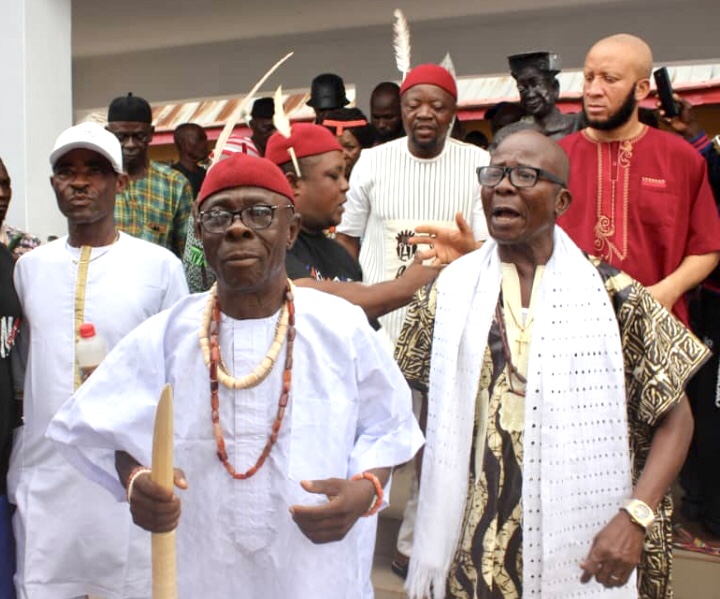
Imagine a vibrant town in Delta State, Nigeria, where October arrives with warmth, celebration, and the steady rhythm of drums that echo across ancient quarters. This is Ogwashi-Uku, an Igbo-speaking Anioma community in the Aniocha South Local Government Area, a place where tradition breathes through the land. Every year, the town hosts the Ineh Festival, a deeply rooted cultural thanksgiving that marks the new yam season and ushers in a new traditional year.
The written record
For the people of Ogwashi-Uku, Ineh is not merely an event; it is identity, memory, and renewal. Families travel home, compounds are swept clean, and age-old songs fill the air. It is a seven-day communal celebration that unites the town’s major and minor Ogbe (quarters), each taking its turn to honour the season.
Historical context
A Tradition Rooted in Gratitude and Renewal
The Ineh Festival belongs to the cultural heritage of the Enuani Igbo people, who have celebrated yams, the backbone of their subsistence, for generations. Oral tradition describes Ineh as a yearly thanksgiving that closes the agricultural cycle and opens a new spiritual year. The name “Ineh” is often associated with reflection, gratitude, and communal renewal. Celebrated in early October, it aligns with the end of the rainy season, when the fields have yielded their harvest and families can pause to give thanks.
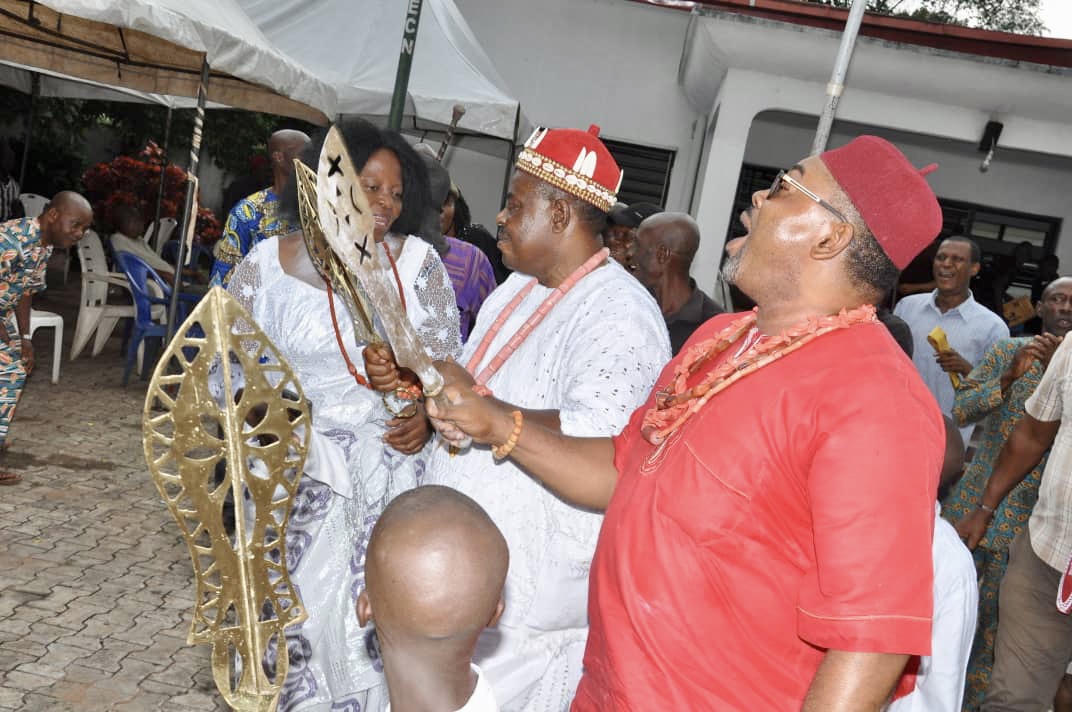
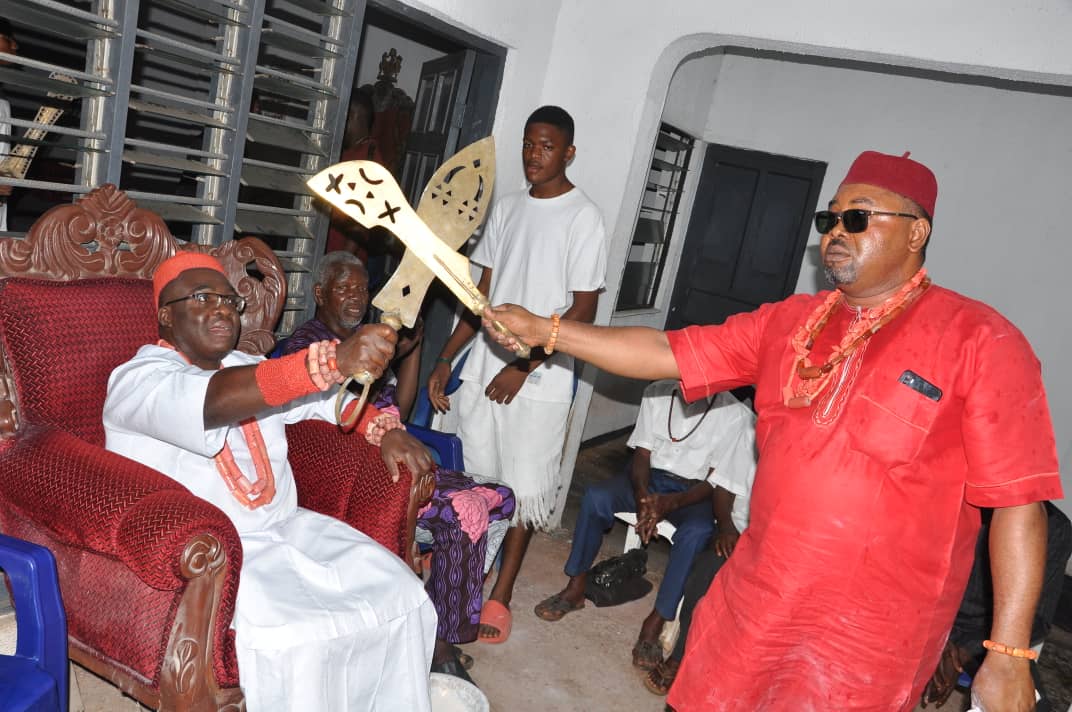
Historically, the festival was a sacred event led by the Obi, the traditional king, to honour ancestors and deities for a successful harvest. Today, under the leadership of His Royal Majesty Obi Ifechukwude Aninshi Okonjo, it’s a vibrant community affair that blends spirituality with festivity. It’s a moment to reflect on the past, pray for the future, and strengthen bonds among Ogwashi-Ukwu’s 11 villages, including Ikelike, Umu Dei, and Ogbe Akwu.
Dispelling Misconceptions: Ineh Has No Masquerade Tradition
A common misconception—often repeated by non-indigenes—is that the Ineh Festival features masquerade performances.
However, Ogwashi-Uku does not perform masquerades during Ineh, and this is crucial to the integrity of the tradition.
As indigenes emphasise:
-
Apart from the Olobor masquerade carnival in December, Ogwashi-Uku does not have a masquerade performance tradition tied to Ineh.
-
The festival’s expression is rooted instead in dance, music, communal feasting, and ritual thanksgiving.
Thus, all perceptions of Ineh involving towering masquerades, raffia figures, or masked spirits do not reflect the true Ogwashi-Uku experience.
Preparing for a Week of Celebration
Preparations for Ineh begin long before October. Each Ogbe—from Ogbe Ofu to Ogbe Ubu, Ogbe Akwu, Ogbe Nwulu, and others—organises its dancers, elders, and age grades for its designated day of celebration.
Families gather yams, clean their compounds, and prepare meals such as:
-
pounded yam
-
pepper soup
-
palm wine
-
native soups that accompany festive gatherings
The atmosphere grows increasingly festive as the festival approaches. Returning indigenes are welcomed home, and the palace begins its flurry of traditional activity in anticipation of the Obi’s leading role.
The Seven-Day Sequence of Ineh
The true Ineh Festival follows a seven-day cycle, with each day owned by a major Ogbe.
Day One — The Obi’s Day
The festival opens at the palace in Ogbe Ofu.
The Obi, flanked by chiefs and elders, performs the ceremonial breaking of the new yams, offering prayers for:
-
peace
-
prosperity
-
unity
-
the well-being of all quarters of Ogwashi-Uku
This marks the official start of the new yam-eating season.
Days Two to Six — Celebrations Across the Major Ogbe
Each major Ogbe in the kingdom takes its turn to celebrate. These days are marked by:
-
traditional dance performances
-
music
-
communal feasting
-
age-grade displays
-
homage to elders
-
storytelling and reunions
With no masquerades involved, the focus remains on the living community, ancestral gratitude, and artistic expression.
Day Seven — Ineh Mkpakor-Mkpakor
The last day belongs to all the minor Ogbe, hence the name Mkpakor-mkpakor, meaning “the bringing together of the small quarters.”
This final day is festive, colourful, and joyous, a communal closing ceremony where every lineage has space to participate.
A Festival of Dance, Prayer, and Unity
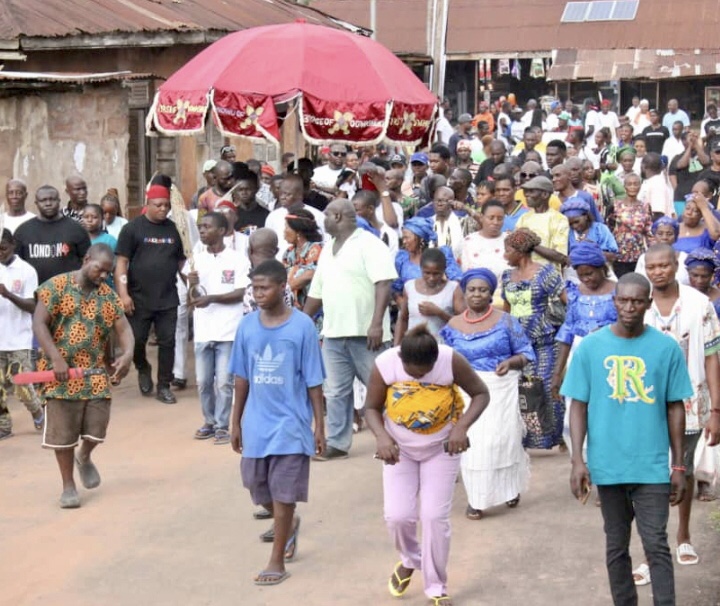
The Ineh Festival typically spans a few days, with its peak often on a Wednesday, as seen in the colourful 2021 edition. It begins with a solemn ceremony at the Ogwashi-Ukwu palace in Ogbe Ofu Quarters, where the Obi, flanked by titled chiefs, offers prayers to bless the new yams and the community. The first yam is presented, symbolising the official start of the eating season, a ritual that echoes across Igbo land.
The streets then come alive with masquerade parades, their dances a mix of grace and power that draw cheers from the crowd. Children giggle as they chase the figures, while adults toss coins in appreciation. Cultural performances—wrestling matches, maiden dances, and storytelling—fill the days, showcasing Ogwashi-Ukwu’s artistic spirit. Food stalls pop up, serving yam dishes and palm wine, and the atmosphere buzzes with reunions and laughter.
The festival’s highlight often includes homage to community leaders, like the Iyase, Chief Mike Nwaukoni, who in 2021 prayed for peace and prosperity. It ends with a final blessing, the masquerades retreating as the town reflects on its shared heritage.
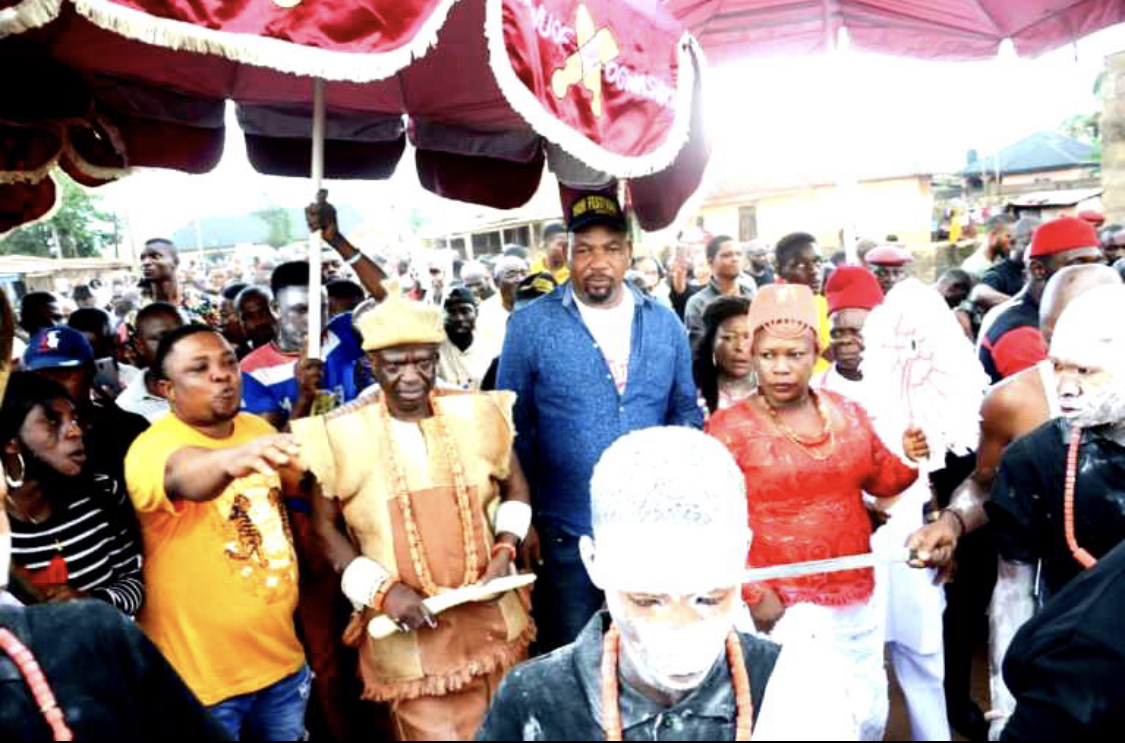
Photo Credit: Vanguard News
A Celebration with Purpose
Ineh is Ogwashi-Ukwu’s cultural lifeline. The masquerades and prayers connect the living to their ancestors, reinforcing values of gratitude and community. It’s a unifier, pulling indigenes home from cities like Lagos or abroad, and welcoming visitors who marvel at the Enuani Igbo traditions. The festival also boosts local pride, with leaders like the Commissioner of Police, CP Johnson Adenola, praising the town’s peace-loving spirit in 2021.
Economically, it’s a lift—hotels fill, vendors thrive, and tourists snap photos of the cultural displays. Yet, it faces challenges. Some Christian factions label it fetish, sparking debates, but locals argue it’s a celebration of identity, not religion. Violence, like the rare incidents reported, prompts better security, ensuring the festival’s safety and growth.
Ogwashi-Ukwu: A Town of History and Harmony
Ogwashi-Ukwu, west of Asaba, is a historic Anioma town with a population exceeding 50,000. Its 11 villages trace back to ancient migrations, with ties to Benin and Nri influences shaping its Enuani Igbo culture. Known for farming and fishing, it’s home to notable figures like Ngozi Okonjo-Iweala and Jay-Jay Okocha, adding to its prestige. The Ineh Festival amplifies this legacy, drawing visitors to its vibrant streets and rich heritage.
Tourists love the festival’s energy—music, food, and the chance to see Delta Igbo life. Paired with nearby Asaba’s attractions, it’s a cultural stop worth exploring. For Ogwashi-Ukwu, it’s a chance to shine, a radiant reminder of its roots.
A Festival That Endures
As the drums fade and the masquerades depart, the Ineh Festival leaves Ogwashi-Ukwu glowing. It’s a Thanksgiving, a reunion, and a cultural triumph all in one. In a changing world, this festival stands firm—a beacon of Igbo resilience. Next October, the prayers will rise again, the dances will flow, and Ogwashi-Ukwu will welcome all. If you’re in Delta State, follow the beat—you’ll find a celebration that’s pure magic.
Sources and references
- Atlanticnewsonline.com. (2021, October 19). Ogwashi-Uku community marks annual ‘Ineh’ festival in grand style.
- Grassrootspublishers.com. (2021, October 8). Ogwashi-Uku community holds new yam festival, as Iyase sues for peace.
- Nigerianobservernews.com. (n.d.). Delta’s Ogwashi-Uku people called to abide in their culture.
- Wikipedia. (2015, May 12). Ogwashi Ukwu.
Cite this article
Discussion
Sign in to join the discussion
Comments are checked by an editor before they appear. Leave a source or a correction and it is read first.
Continue reading
Related histories
 Cultural HeritageEleven Days of Nwafor Ogidi: Inside the Festival Keeping an Old Igbo Tradition AliveRead history →
 Cultural HeritageIli Ji Nkpor Obododike: The Indigenous Agricultural Ritual CycleRead history →
 Cultural HeritageMusic and Drum Traditions: Tracing the “Igbo Drum” in the AmericasRead history →
No comments yet
Nothing has been approved on this record yet. Comments are checked by an editor before they appear, so one written now shows on this page after that check.