 Ozikoro
 Cultural Heritage · Published history
Inodu Nwoke: Umuada Way of Disciplining Straying Men in the Community.
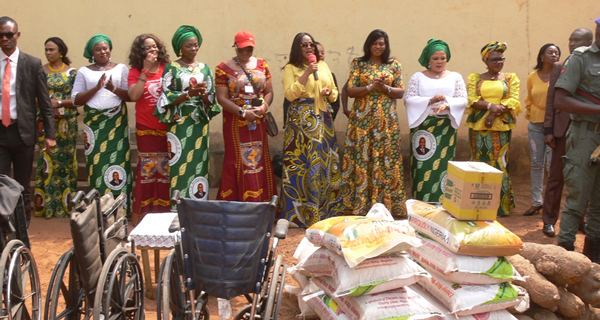
In traditional Igbo society, social order and moral conduct were maintained through overlapping networks of kinship, age-grades, and gender-based institutions that worked collaboratively to uphold community values. One of the most significant of these institutions was the Umuada, the collective of daughters born into a lineage or village whose roles extended far beyond ceremonial observances to include moral regulation and discipline of wayward men and women. Among the mechanisms through which Umuada exerted corrective social influence was Inodu Nwoke, a cultural practice whereby community daughters intervened in cases where men violated social norms, abused family members, or threatened communal harmony. This article explores the origins, procedures, and social meaning of Inodu Nwoke within the broader institution of Umuada, drawing on ethnographic accounts, cultural analyses, and comparative practices within Igbo society.
The written record
Historical context
Understanding the Umuada Institution in Igbo Society
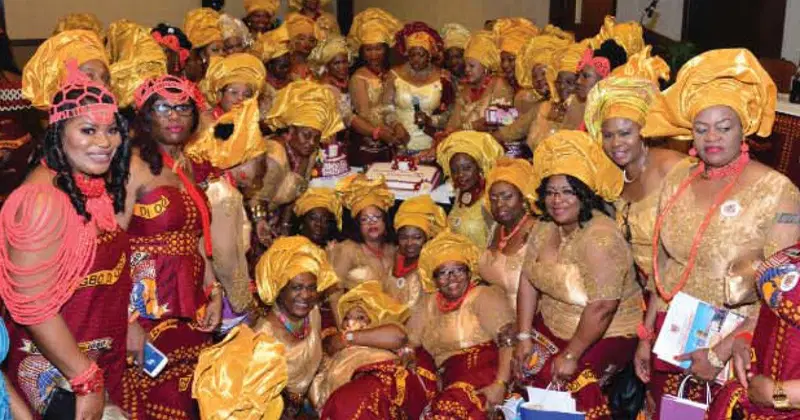
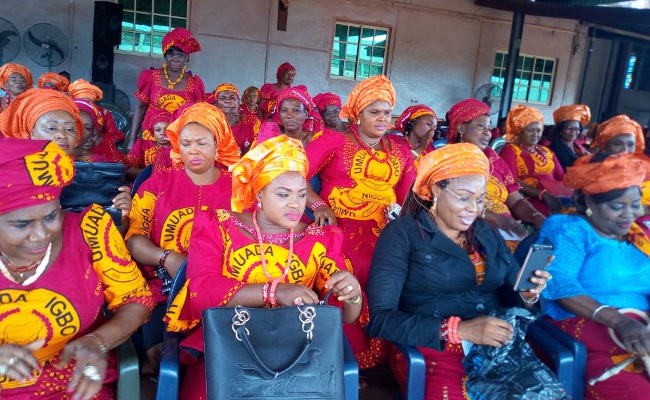
The Umuada (“daughters of the community”) is a social institution deeply rooted in Igbo socio-cultural systems. Linguistically, Umuada comes from “Umu” (many) and “Ada” (daughter), denoting all women born into a given kinsfolk or village, irrespective of whether they marry out of the community. As daughters of the land, members of the Umuada maintain enduring rights and responsibilities toward their ancestral village even after marriage. They form a powerful collective that intervenes in disputes, presides over rites of passage, and safeguards family dignity and moral conduct.
Studies suggest that the Umuada were not peripheral to governance but acted as a parallel socio-political force alongside male elders (Umunna) and age-grade systems in Igbo communities. Despite the male dominance typically associated with public leadership roles in Igboland, women in the Umuada institution had significant influence in conflict resolution, peace-making, and enforcing collective norms.
Inodu Nwoke: Discipline, Correction, and Public Reproach
While academic literature does not use “Inodu Nwoke” as a standard term, the practice it implies is widely documented through studies of Igbo women’s social enforcement mechanisms. Essentially, Inodu Nwoke describes a process where Umuada collectively challenge and discipline men accused of immoral behaviour, ranging from domestic abuse to broader violations of community norms. This practice is part of the Umuada’s moral regulatory function and closely related to customs such as “sitting on a man”, a recognized form of public shaming used by Igbo women against both men and women who contravened social expectations.
“Sitting on a man” refers to an assembly of women at the man’s compound or workplace, during which they sing, dance, and perform symbolic acts (e.g., pounding walls or removing hut thatching) to publicly shame the individual until he acknowledges wrongdoing and restores harmony. This custom reflects a broader cultural acceptance that women, acting collectively, can hold men publicly accountable when other formal channels fail.
Inodu Nwoke operates in a similar spirit. When a male relative or community member strays, whether by infidelity, abuse, refusal to support family obligations, or general misconduct the Umuada may mobilise to address the issue. This mobilisation does not merely entail private admonition; it is a ritualised public intervention that draws upon the moral authority of Umuada within the community.
Cultural Logic Behind Female Collective Discipline
The disciplinary power of Umuada, including Inodu Nwoke, is deeply connected to Igbo conceptions of family, kinship, and female agency. In Igbo culture, daughters maintain a lifelong affiliation with their natal community even after marriage, giving them a legitimate stake in how family members behave across social domains. Because they remain “home women,” Umuada are widely respected as neutral mediators (compared to husbands or male elders who may be seen as biased) and derive legitimacy from longstanding cultural norms prescribing their involvement in moral adjudication.
Additionally, the Umuada’s role in disciplinary actions is acknowledged in academic studies as part of the social control mechanisms within Igbo society. They enforce acceptable conduct through mediation, arbitration, and, when necessary, socially-visible censure. Their involvement in matters of marital infidelity, domestic abuse, and public misconduct demonstrates that they act not merely as advocates for women, but as custodians of communal morality, responsible for ensuring peace and stability.
Procedures and Symbolism of Umuada Intervention
When Umuada gather to discipline a man, they do so through a set of recognised social practices. These include:
- Public summon and assembly:
Umuada are called to convene when a complaint is lodged against a man whose behaviour threatens family or community harmony. They may meet at a central space or at the offender’s compound.
- Use of song and dance:
Performance elements such as singing and dancing are not incidental; they are embedded in Igbo cultural expression and serve to communicate collective displeasure and moral rebuke.
- Symbolic acts:
In disciplines like “sitting on a man,” women may make noise, pound walls, or remove roofing elements to express their displeasure and compel the offender to respond publicly.
- Restorative aims:
Though the practice involves public reproach, the goal is reconciliation and restoration of order. Once the offender acknowledges wrongdoing and accepts terms of reconciliation (which may include compensation or restitution), peace is restored.
Such procedures reflect the cosmological foundations of Igbo social life, where community harmony is valued over individual ego, and corrective action through collective engagement is seen as beneficial to the social fabric rather than punitive only.
Relevance in Contemporary Igbo Communities
In modern times, the practice of Umuada discipline, including Inodu Nwoke, has evolved but remains relevant. Reports from contemporary Igbo communities show that Umuada still intervene in disputes, marital issues, and conflicts that men and women in the community find difficult to resolve on their own. They are often called on to mediate when male judges, village elders, or statutory courts are perceived as ineffective or biased.
Furthermore, the continued invocation of traditional practices in urban diasporic contexts suggests that the institution of Umuada remains a living cultural force that adapts to present circumstances while maintaining its symbolic and moral authority.
Gender Dynamics and Cultural Power
Modern analysis of Umuada highlights how this institution provided a female counterbalance to male governance structures in a patriarchal society. Although Igbo society is patrilineal, with male lineages (Umunna) historically holding formal authority over land, rituals, and political decisions, the Umuada exercised informal but potent power in shaping social outcomes and disciplinary norms.
Their ability to publicly challenge men underscored a cultural belief that collective female voices were essential for societal equilibrium.
This dynamic also demonstrates that gender authority in Igbo culture was neither entirely hierarchical nor unilateral; instead, authority could be exercised through different channels depending on context, lineage, and communal needs.
Inodu Nwoke, as expressed through the broader institution of Umuada, represents a culturally sanctioned mechanism for disciplining men who stray from communal norms. Rooted in the age-old belief that peace, harmony, and moral conduct are collective responsibilities, the Umuada system allowed women to assert social authority through public intervention, mediation, and moral exhortation. Far from being mere remnants of tradition, practices like Inodu Nwoke demonstrate the dynamism of Igbo cultural governance and the capacity of traditional institutions to evolve while still asserting moral influence within communities. Today, as Igbo people navigate the intersection of modern law and customary practice, the legacy of Umuada continues to inform how families and communities address disputes, enforce normative behaviour, and preserve cultural identity.
Sources and references
- Changing Patterns in the Roles of Umuada in Igbo Social Formations. (2020). Socialscientia: Journal of Social Sciences and Humanities.
- Why Umuada is powerful and respected in Igbo land. (2021). Vanguard News.
- The Influence Of The Umu Ada Sect In Igboland. (n.d.). Guardian Life.
- Sitting on a man. (n.d.). In Wikipedia.
Cite this article
Discussion
Sign in to join the discussion
Comments are checked by an editor before they appear. Leave a source or a correction and it is read first.
Continue reading
Related histories
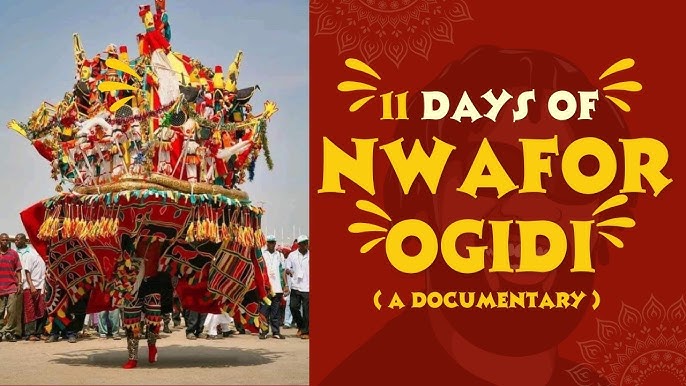 Cultural HeritageEleven Days of Nwafor Ogidi: Inside the Festival Keeping an Old Igbo Tradition AliveRead history →
 Cultural HeritageIli Ji Nkpor Obododike: The Indigenous Agricultural Ritual CycleRead history →
 Cultural HeritageMusic and Drum Traditions: Tracing the “Igbo Drum” in the AmericasRead history →
No comments yet
Nothing has been approved on this record yet. Comments are checked by an editor before they appear, so one written now shows on this page after that check.