 Ozikoro
 Cultural Heritage · Published history
Itsekiri Women’s Groups: The Role of Women in the “House System” of Trade
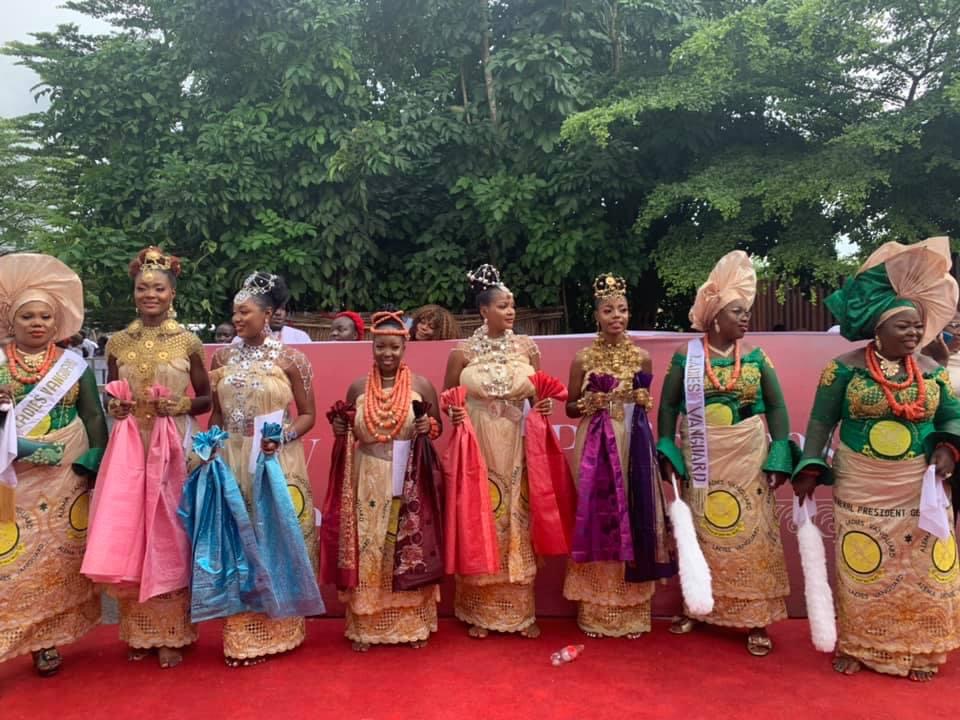
The Itsekiri people of the western Niger Delta developed one of the most sophisticated commercial cultures in pre-colonial West Africa. While the historical narrative often highlights the economic activities of male merchant elites especially the Oloyes and powerful trading houses such as those led by Chief Nana Itsekiri women also played a fundamental, though sometimes understated, role in sustaining commerce. Their participation was structured through what scholars refer to as the “House System”, an economic and social network through which families engaged in long-distance trade, credit operations, production, and distribution.
The written record
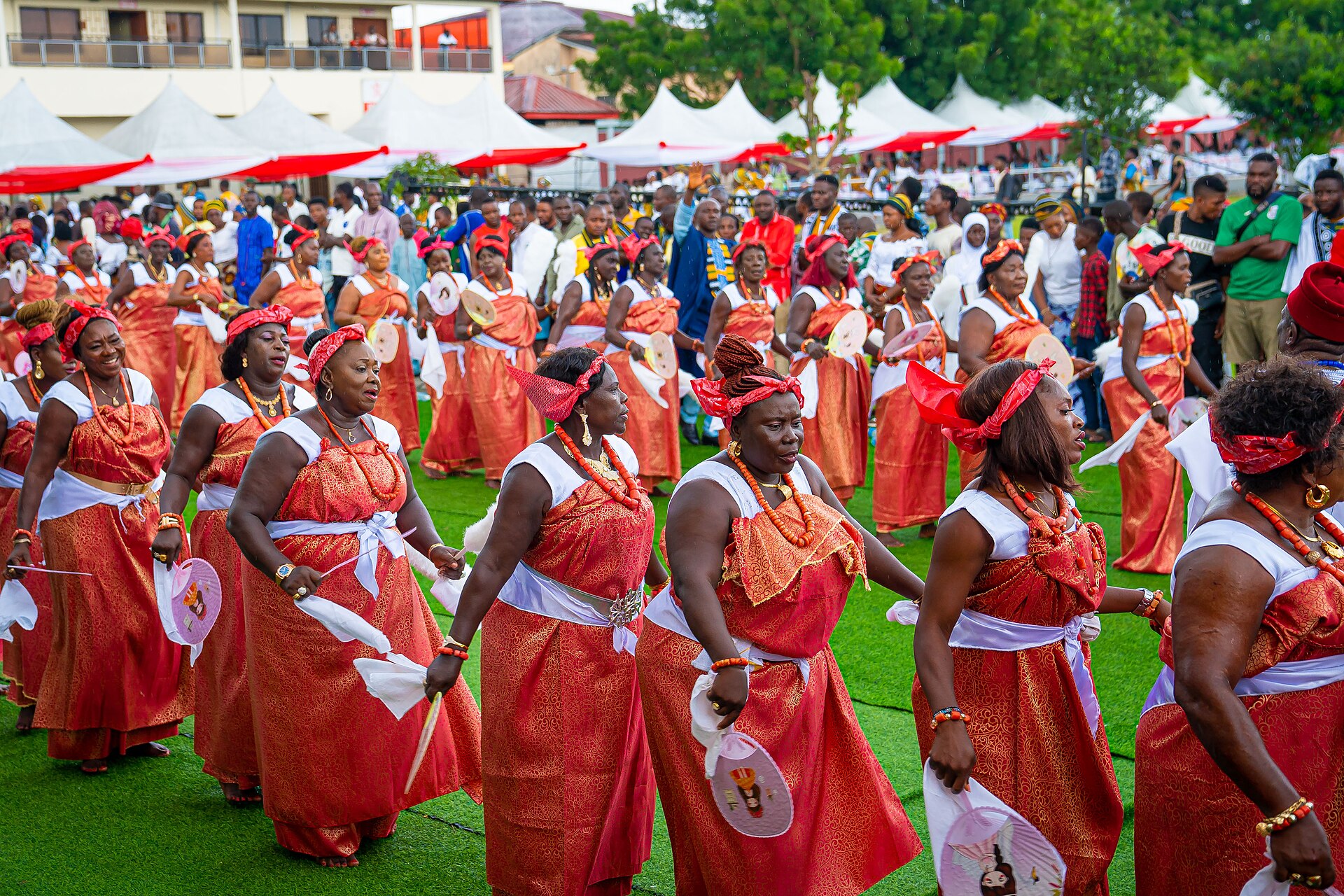
Photo credit: Blackmeister via Wikimedia Commons.
Historical context
Understanding the Itsekiri House System
- Definition and Structure of the House System
The Itsekiri House System resembled similar coastal trading structures found among the Ijaw, Efik, and Kalabari people. Each House (ile or idimi) functioned as an economic and kinship unit headed by a chief or merchant prince. According to Ikime, these Houses were involved in coastal and inland trade, storage and redistribution of goods, credit and debt relationships with European merchants, management of dependents, servants, and slaves.
Though headed by men, many internal economic activities depended heavily on women.
- Women’s Embedded Position Within the House
Women belonged to Houses through birth, marriage, or adoption. They formed subgroups within each House that handled specialized activities, such as processing of goods for export, local retail exchange, market price negotiations, hospitality for trade partners and ritual obligations tied to prosperity.
This system gave women economic agency and social status within their kinship networks.
Economic Roles of Itsekiri Women in Trade
- Women as Producers and Processors
Itsekiri women were central to the production and processing of commodities that fueled the region’s economy. These included:
Palm oil (cleaning, boiling, storage),
Fish (smoking and drying for long-distance transport),
Salt (in some riverine settlements),
Cloth weaving and dyeing,
Food provisioning for trading expeditions. Their processing work transformed raw materials into valuable trade goods, directly contributing to House revenue.
- Women as Retail Traders and Market Negotiators
While men often handled large-scale transactions with European ships or inland delegations, women controlled local marketplaces at Ode-Itsekiri and surrounding settlements. Women negotiated prices, managed inventory, and regulated exchange rates for smaller commodities. Through this role, they ensured a steady internal flow of goods, supporting the liquidity of their respective Houses.
- Women as Administrators of Female Labor
Senior women, often the wives of chiefs or wealthy traders, oversaw groups of younger women, including dependents and bonded laborers. These senior women managed allocation of work, distribution of profits, food supplies for workers, training in trade skills. This administrative system reinforced hierarchy but also produced a stable female labor force essential for commercial success.
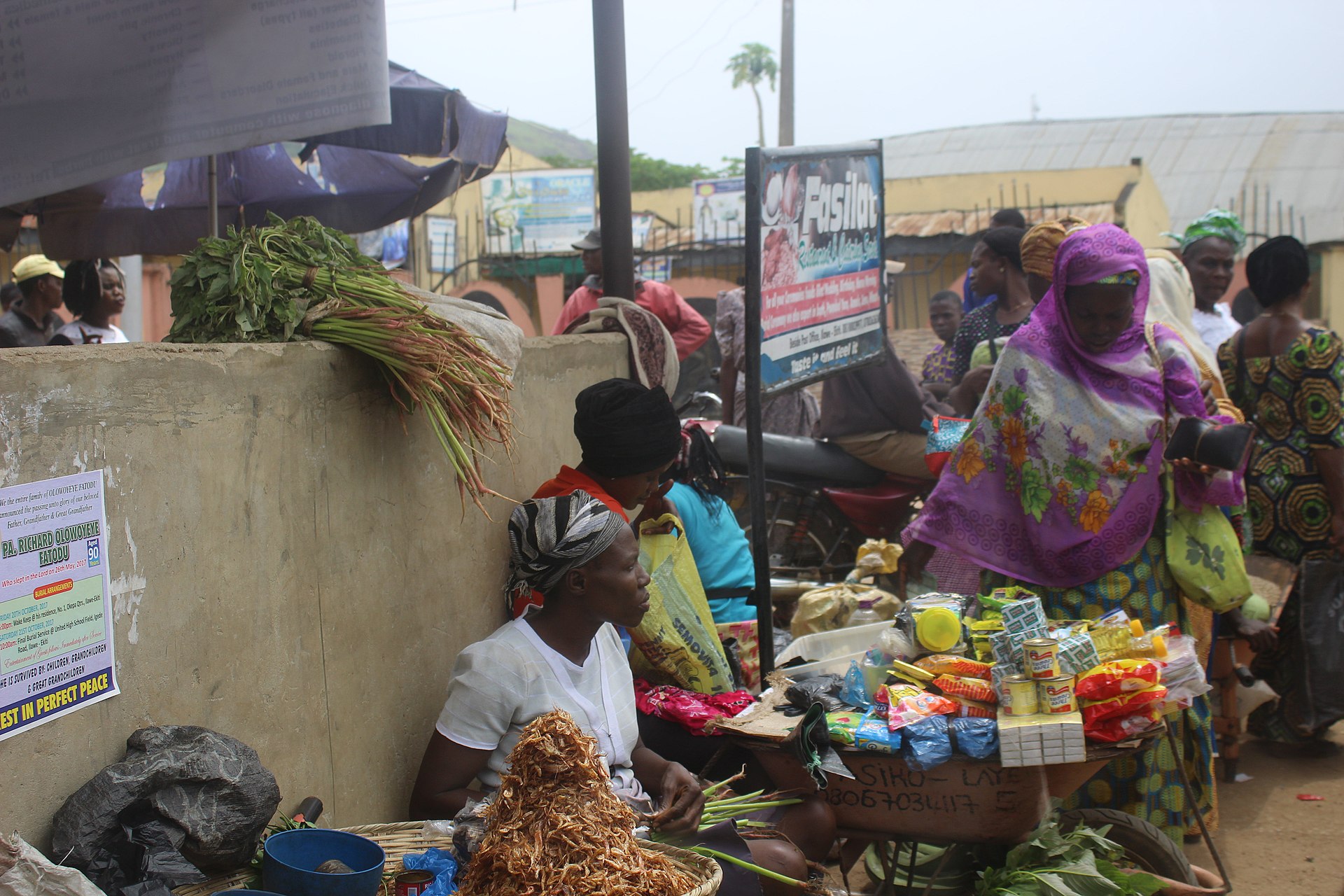
Photo credit: Ifreshanyi via Wikimedia Commons.
Social and Cultural Dimensions of Women’s Trade Activities
- Women and Rituals of Prosperity
Prosperity in the House System was not only economic but spiritual. Women performed rituals connected to Umalokun, deity of wealth and the sea, Oritse, the Supreme Being, Ancestor veneration specific to the trading House. They were also custodians of household shrines and performed rites for safe trade journeys. Their religious duties symbolized their moral authority over the flow of wealth.
- Marriage as a Commercial Alliance
Women were sometimes strategically married into other trading Houses to secure alliances. Through these marriages:
Trade partnerships were strengthened,
Disputes between Houses could be resolved,
Women acted as peacekeepers and economic intermediaries. This is consistent with coastal West African patterns described by Talbot, where women operated as stabilizing agents in merchant families.
- Education and Literacy in Later Centuries
By the 19th century, with increased missionary contact, Itsekiri women in coastal towns gained literacy through Christian schools. Educated women helped keep trade records, translate between local traders and missionaries, manage written contracts as colonial rule expanded. Their literacy strengthened the administrative capacity of trading Houses.
Women’s Groups and Collective Organization
- Cooperative Labor Units
Women often worked in cooperatives or age-grade groups associated with a House. These cooperatives shared labor responsibilities, organized fishing expeditions, coordinated processing work, supported widows and female dependents.
This system prevented economic isolation and strengthened solidarity.
- Leadership of Senior Women
Within each House, a senior woman (often called Erelu in related Yoruba-speaking regions, though titles varied in Warri) served as the head of female affairs. Her duties included resolving disputes among women, liaising with the House head (chief), organizing contributions during festivals, ensuring discipline and productivity among female workers. These female leaders wielded real authority and were deeply respected.
Women in the Atlantic and Niger Delta Trade Context
- Trading with European Companies
Although European traders usually negotiated with male chiefs, women were not absent from ship-side exchanges. They provided:
Hospitality services to crews,
Translation assistance (especially those of mixed,
Portuguese-Itsekiri descent). Logistical support, such as supplying food to European ships. This aligns with Wikipedia’s description of early Portuguese-Itsekiri relations.
- Women and the Transition to Palm Oil Commerce
As the slave trade declined in the 19th century, palm oil became the major export. Women became even more crucial because:
They processed most of the palm oil,
They controlled local sale chains, and
Their labor underpinned the wealth of leading Houses. Without women, the success of merchants like Chief Nana would have been impossible.
Women are indispensable actors in the Itsekiri House System. Their economic activities ranging from production to administration ensured the survival of trading Houses and enriched the kingdom’s commercial stability. Beyond economics, they shaped alliances, rituals, social structure, and the cultural survival of their communities. Although less documented than male merchant elites, the influence of Itsekiri women was profound, far-reaching, and essential to the development of Warri’s maritime economy.
Sources and references
- Ekeh, P. P. (2008). Warri City and British Colonial Rule in the Western Niger Delta. Urhobo Historical Society.
- Ikime, O. (1968). Merchant Princes of the Niger Delta. Heinemann.
- albot, P. A. (1926). The Peoples of Southern Nigeria. Oxford University Press.
- Pee l, J. D. Y. (2016). Christianity, Islam, and the Orisa Religion. University of California Press.
Cite this article
Discussion
Sign in to join the discussion
Comments are checked by an editor before they appear. Leave a source or a correction and it is read first.
Continue reading
Related histories
 Cultural HeritageEleven Days of Nwafor Ogidi: Inside the Festival Keeping an Old Igbo Tradition AliveRead history →
 Cultural HeritageIli Ji Nkpor Obododike: The Indigenous Agricultural Ritual CycleRead history →
 Cultural HeritageMusic and Drum Traditions: Tracing the “Igbo Drum” in the AmericasRead history →
No comments yet
Nothing has been approved on this record yet. Comments are checked by an editor before they appear, so one written now shows on this page after that check.