 Ozikoro
Cultural Heritage · Published history
Itu Uli na Ikwa Ozu – The Art of Paying Homage to In-laws During Their Funeral.
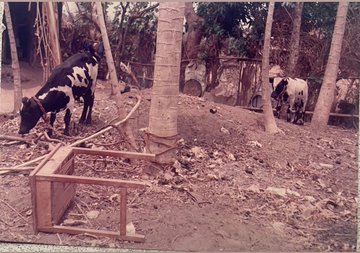
Itu uli is a tradition carried out during burial rites in alaigbo, it is carried out by the in-laws of the deceased. to pay homage to the deceased.
The written record
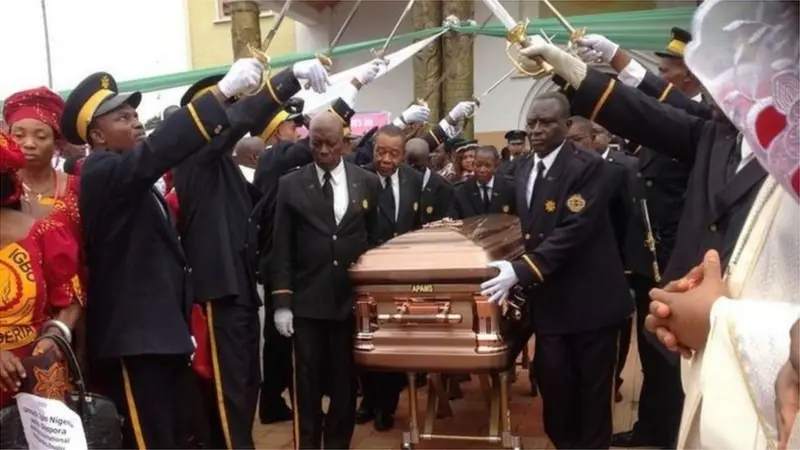
Symbolism of Itu-Uli
Itu uli is done to pay homage to the deceased by his or her in laws, it is a way of showing that the deceased was loved, respected and well regarded by the in law when he or she was alive.
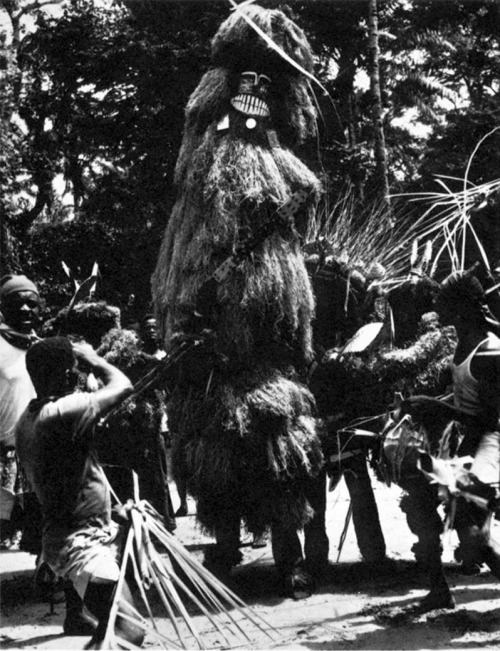
Meki Nzewi; Some Social Perspectives of Igbo Traditional Theatre (1978)
Historical context
Trajectory of Itu Uli
- Izi Ozi-ozu
Itu uli starts with a call by the (Dibulo) or family head and relative of the deceased to their in-laws to inform them of the passing of their loved one. After the message is passed, the in-law is required by tradition to visit the family of the deceased, this is called Mgba-ru.
- Mgba-ru
Mgba-ru (condolence visit) comes after Izi ozi ozu, where friends and well wishers or in this case the in law visits the family he/she married into to condole and ask about the plans around burning the deceased. While on this visit, the in-law is required to inquire about Ihe-eji atu uli, which are items he would use to pay homage to the deceased on the funeral day.
During Mgbaru the in-law is also duly informed of the burial date by the family.
Itu Uli
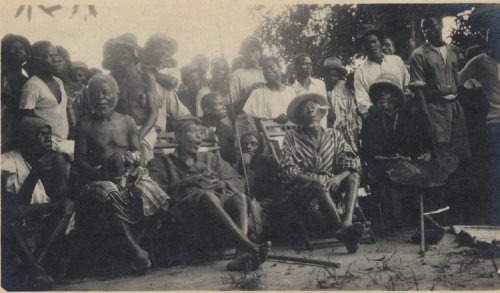
On the burial day, itu uli usually done after the body has been buried, where the in-law is escorted by his family with items (ihe eji atu uli) to come and pay homage to the deceased , this is done after ili-ozu (burying the body of the dead) and accompanied by music, dance and praise of the in law and what he/she has brought to some of the items like;
- Ewu/Ehi – Goat/cow
- Akwa ogodo-(wrappers)
- Ose-oji- Alligator pepper
- Oji-igbo- kola nut
- Manyi -ngwo – Palmwine.
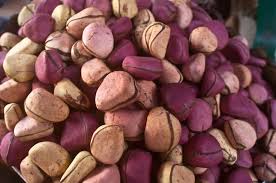
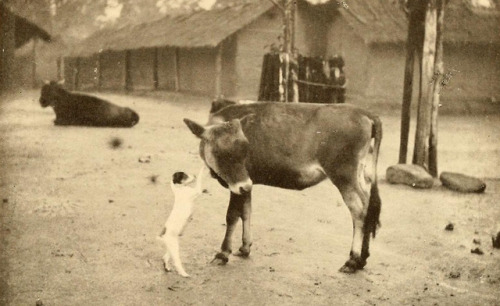
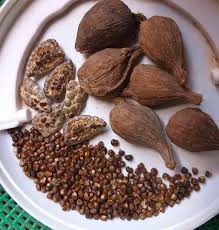
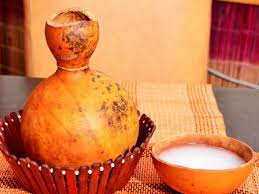

The number or plentifulness of this item varies from clan to clan, family to family. It is also dependent on the status of the deceased, so if the deceased is a titled man or woman, the items may be in larger amounts than when its for an ordinary person or Onye ogbenye . Sometimes the family of the deceased may consider the financial status of the in-law and renegotiate the ihe eji akwa ozu to fit into the pockets of the not so financially buoyant inlaw.
Igbako Ihe Uli
the person that takes up the “ihe ejiri tu uli” is the person who got married into the family coming to pay homage. all the items brought for itu uli belongs to the family member that his/her inlaws brought ihe ejiri tu uli. no matter what was used to pay homage , it belongs to the family member who is married to those who came to condole with them. This is because such gesture would be repaid if his or her own inlaws passes, which why itu uli is highly valued. It is a reproach not to.
Relevance of itu uli today
Itu uli holds huge relevance in alaigbo today because it highlights
- Family ties and connections in a modern world where everyone has travelled far and wide and don’t know much about their umure-nne or Ikwunne (Maternal home) or even Be-nna-ha (paternal home).
- Highlights the status of deceased and allows his/her inlaws to show the importance of the deceased to them and the society at large.
- Brings together families of these inlaws and promotes socialization among the family and people they must have seen last when the marriage between their son/daughter and into the family of the deceased.
- It is also a time to show solidarity with the family of the deceased.
Sources and references
- BBC News. (2019, July 10). Igbo funeral rites: Usoro e ji eli nwaanyị n’ala Igbo [Igbo funeral rites: The process of burying a woman in Igboland]. https://www.bbc.com/igbo/afirika-48937064
- BBC News. (2021, July 16). Igbo burial rites: Ihe mere nwaanyị anaghị eli ozu n’ala Igbo [Igbo burial rites: Why women do not bury the dead in Igboland]. https://www.bbc.com/igbo/tinye-onu-57850550
- Ezeme, I. (2024, December 30). Traditional funeral rites: How Igbos bury their dead .
- Ken-Anaukwu, C. (n.d.). Igbo burial rites: Honoring the ancestors .
Cite this article
Discussion
Sign in to join the discussion
Comments are checked by an editor before they appear. Leave a source or a correction and it is read first.
Continue reading
Related histories
 Cultural HeritageEleven Days of Nwafor Ogidi: Inside the Festival Keeping an Old Igbo Tradition AliveRead history →
 Cultural HeritageIli Ji Nkpor Obododike: The Indigenous Agricultural Ritual CycleRead history →
 Cultural HeritageMusic and Drum Traditions: Tracing the “Igbo Drum” in the AmericasRead history →
No comments yet
Nothing has been approved on this record yet. Comments are checked by an editor before they appear, so one written now shows on this page after that check.