 Ozikoro
 Biography · Published history
James Africanus Beale Horton
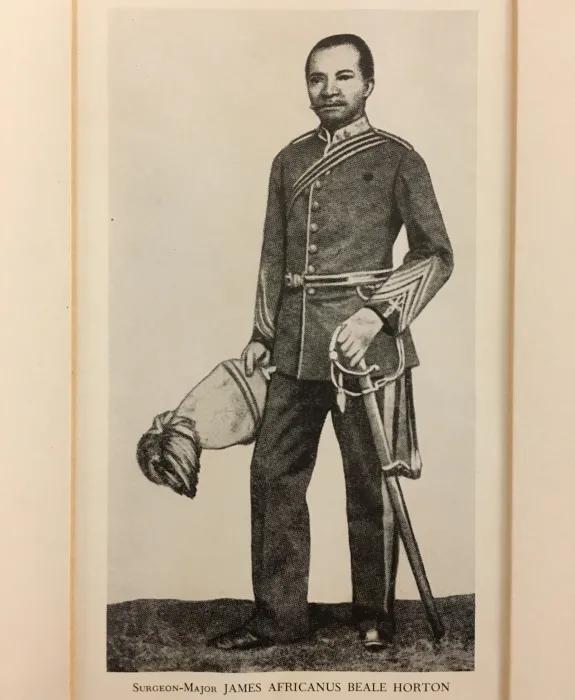
James Africanus Beale Horton (1835–1883) was one of the earliest African intellectuals to challenge colonial ideology and advocate for African self-government. A trained medical doctor, British Army officer, political theorist, and writer, Horton became a pioneering voice in African nationalism and Pan-African political thought during the nineteenth century. Born in Sierra Leone to parents of Igbo descent who had been liberated from slavery, Horton used his education and intellectual work to argue that Africans were capable of governing themselves and developing modern societies. His writings on politics, economics, medicine, and race made him one of the earliest advocates of African self-determination long before the twentieth-century independence movements.
The written record
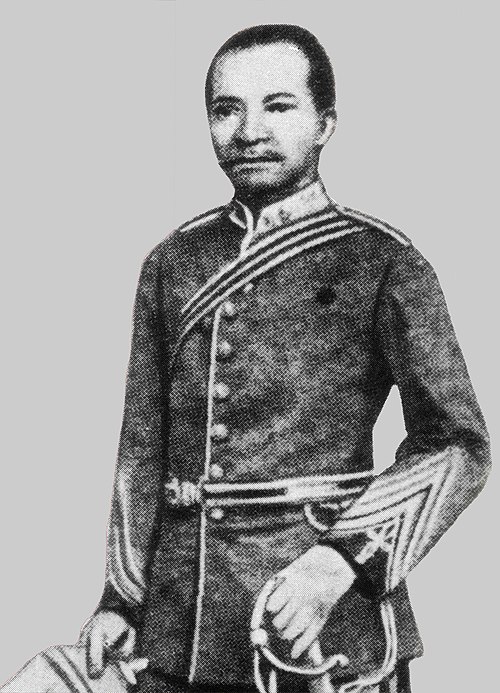
Through works such as The Political Economy of British West Africa (1865) and West African Countries and Peoples (1868), Horton criticized colonial policies and proposed political and economic reforms that would enable Africans to build independent and prosperous states. His ideas contributed significantly to early Pan-African thought and influenced later generations of African nationalists.
Historical context
Early Life and Background
James Africanus Beale Horton was born on 1 June 1835 in Gloucester Village near Freetown, Sierra Leone. His parents were part of the group known as “recaptives”, Africans who had been freed from slave ships by the British Royal Navy and resettled in Sierra Leone. Horton’s father, an Igbo man, had been captured during the transatlantic slave trade before gaining freedom in Sierra Leone. Horton grew up in a Christian missionary environment and attended local mission schools before enrolling at the Sierra Leone Grammar School, an institution run by the Church Missionary Society. His education included classical subjects such as Greek, Latin, mathematics, and philosophy, which prepared him for advanced studies. During this period, he adopted the name “Africanus” to emphasize his pride in African identity and to counter the prevailing European belief that Africans were inferior.
This early exposure to both African heritage and Western education shaped Horton’s intellectual outlook and his lifelong mission to defend African dignity and capability.
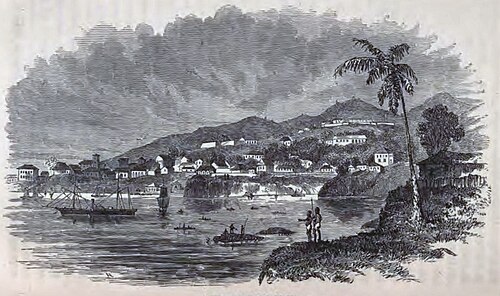
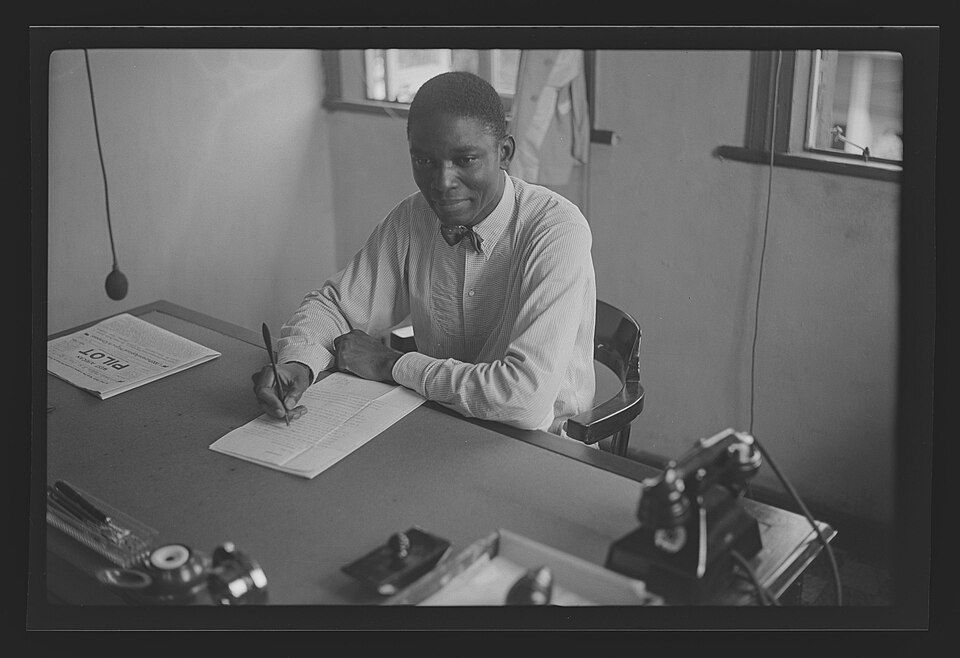
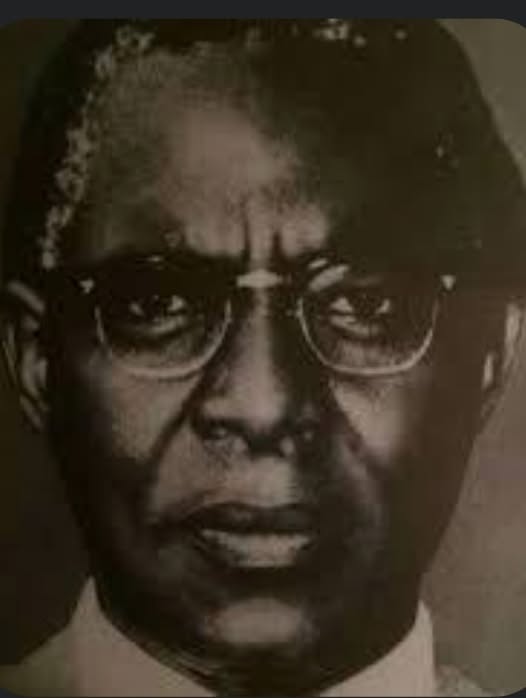
Photo credits; Wikimedia commons
Education in Britain and Medical Training
In 1855 Horton received a War Office scholarship to study medicine in Britain. The British government sponsored a small number of African students to train as medical officers who could serve in tropical regions where European soldiers often died from disease.
Horton first studied at King’s College London and later continued his medical education at the University of Edinburgh, one of the most prestigious medical schools in Europe. In 1859, he earned a Doctor of Medicine (MD) degree. His doctoral thesis, titled “On the Medical Topography of the West Coast of Africa,” examined the relationship between environment, disease, and health conditions in West Africa.
By obtaining an advanced medical degree from a European institution, Horton challenged contemporary racist assumptions that Africans were intellectually incapable of mastering modern science. His academic success became a powerful symbol of African intellectual potential.
Military Career and Experience in West Africa
After completing his studies, Horton joined the British Army Medical Service as a surgeon in the West India Regiments. During his military career, he served in several British colonies including Sierra Leone, Lagos, the Gold Coast (modern Ghana), and the Gambia. While serving in these locations, Horton witnessed firsthand the realities of colonial rule and the exploitation of African societies. He also participated in military campaigns such as the Anglo-Ashanti Wars, which further exposed him to the political tensions between African states and European colonial powers.
These experiences greatly influenced his later political writings. Horton began to argue that Africans should govern their own territories and develop institutions suited to their social and cultural realities.
Political Thought and Advocacy for African Self-Government
Horton is widely regarded as one of the earliest African political thinkers to advocate for self-government in West Africa. In his writings, he rejected the racist theories circulating in Europe during the nineteenth century that claimed Africans were intellectually inferior and incapable of civilization.
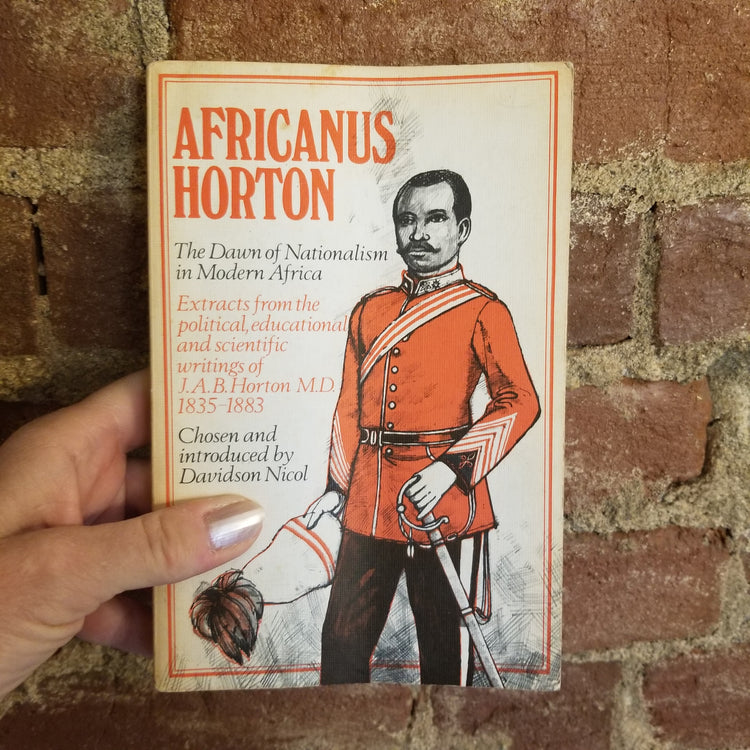
One of his most influential works was The Political Economy of British West Africa (1865). In this book, Horton criticized British colonial policies and argued that African colonies possessed the resources and intellectual capacity to govern themselves. He proposed the creation of African-led governments with constitutional structures, including elected leadership and representative assemblies. Horton believed that political independence must be accompanied by economic development, education, and public health reforms.
His ideas anticipated the nationalist movements that would emerge nearly a century later, making him one of the pioneers of African political nationalism.
Major Writings and Intellectual Contributions
Horton produced several important books that addressed African politics, race, and medicine. Among his most notable works are:
1. The African Race (1864)
This book defended Africans against racist European theories and argued that Africans possessed the same intellectual and moral capacities as Europeans.
2. The Political Economy of British West Africa (1865)
In this work Horton analyzed the economic structure of British colonies in West Africa and proposed reforms that would allow Africans to control their own resources and trade networks.
3. West African Countries and Peoples (1868)
This book examined the political and cultural systems of African societies and proposed the development of modern African states.
4. Notes on the Diseases of Tropical Africa (1868)
Horton also made important contributions to tropical medicine by documenting diseases common in West Africa and suggesting medical treatments based on both scientific observation and local knowledge.
Through these writings, Horton not only challenged European racism but also laid intellectual foundations for Pan-Africanism, the movement advocating unity and cooperation among African peoples worldwide.
Economic Activities and Entrepreneurship
After retiring from the military, Horton returned to Sierra Leone and became involved in business and finance. He established the Commercial Bank of West Africa, one of the earliest African-owned banking institutions in the region. Horton also invested in mining ventures and other commercial enterprises, eventually becoming one of the wealthiest Africans in West Africa during the late nineteenth century. His entrepreneurial activities reflected his belief that economic independence was essential for political freedom.
Legacy and Historical Significance
James Africanus Beale Horton died on 15 October 1883 in Freetown, Sierra Leone, at the age of forty-eight. Despite his relatively short life, his intellectual influence was profound.
Historians now recognize Horton as:
- One of the first West Africans to earn a European medical degree
- A pioneer of Pan-African political thought
- An early advocate of African self-government
- A defender of African intellectual equality
- A significant contributor to the development of tropical medicine. His ideas about African nationalism and self-determination later influenced twentieth-century African leaders and independence movements across the continent.
James Africanus Beale Horton stands as one of the most remarkable African intellectuals of the nineteenth century. Through his achievements as a doctor, soldier, writer, and political thinker, he challenged the racist assumptions of his time and argued for the dignity, capability, and independence of African peoples. His writings on African governance, economic development, and education anticipated many of the ideas that would later shape African nationalism and Pan-Africanism. Today, Horton is remembered as a visionary scholar whose work helped lay the intellectual foundations for modern African political thought.
Sources and references
- Horton, J. A. B. (1835–1883). (n.d.). BlackPast. Retrieved March 11, 2026, from https://blackpast.org/global-african-history/horton-james-africanus-beale-1835-1883
- University of Edinburgh. (n.d.). James Africanus Beale Horton (1835–1883). Retrieved March 11, 2026, from https://global.ed.ac.uk/uncovered/1800-1859/james-africanus-beale-horton
- University of Massachusetts Boston ScholarWorks. Retri eved March 11, 2026, from https://scholarworks.umb.edu/africana_faculty_pubs/13/
Cite this article
Discussion
Sign in to join the discussion
Comments are checked by an editor before they appear. Leave a source or a correction and it is read first.
Continue reading
No comments yet
Nothing has been approved on this record yet. Comments are checked by an editor before they appear, so one written now shows on this page after that check.