 Ozikoro
 Biography · Published history
James Iroha – Life and Legacy
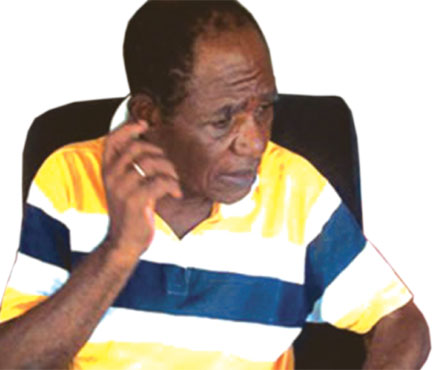
James Iroha was one of the pioneers of Nigerian television comedy and an influential figure in the development of modern Nigerian entertainment. Popularly known by his stage name “Giringory”, he gained national fame for his role in the classic television sitcom The New Masquerade. As an actor, scriptwriter, producer, and director, Iroha played a crucial role in shaping early Nigerian television drama and comedy. His work not only entertained audiences but also reflected Nigerian social life through satire, humor, and cultural storytelling. Over a career spanning more than four decades, Iroha became a household name and left a lasting legacy in Nigerian popular culture and television history.
The written record
Historical context
Early Life and Education
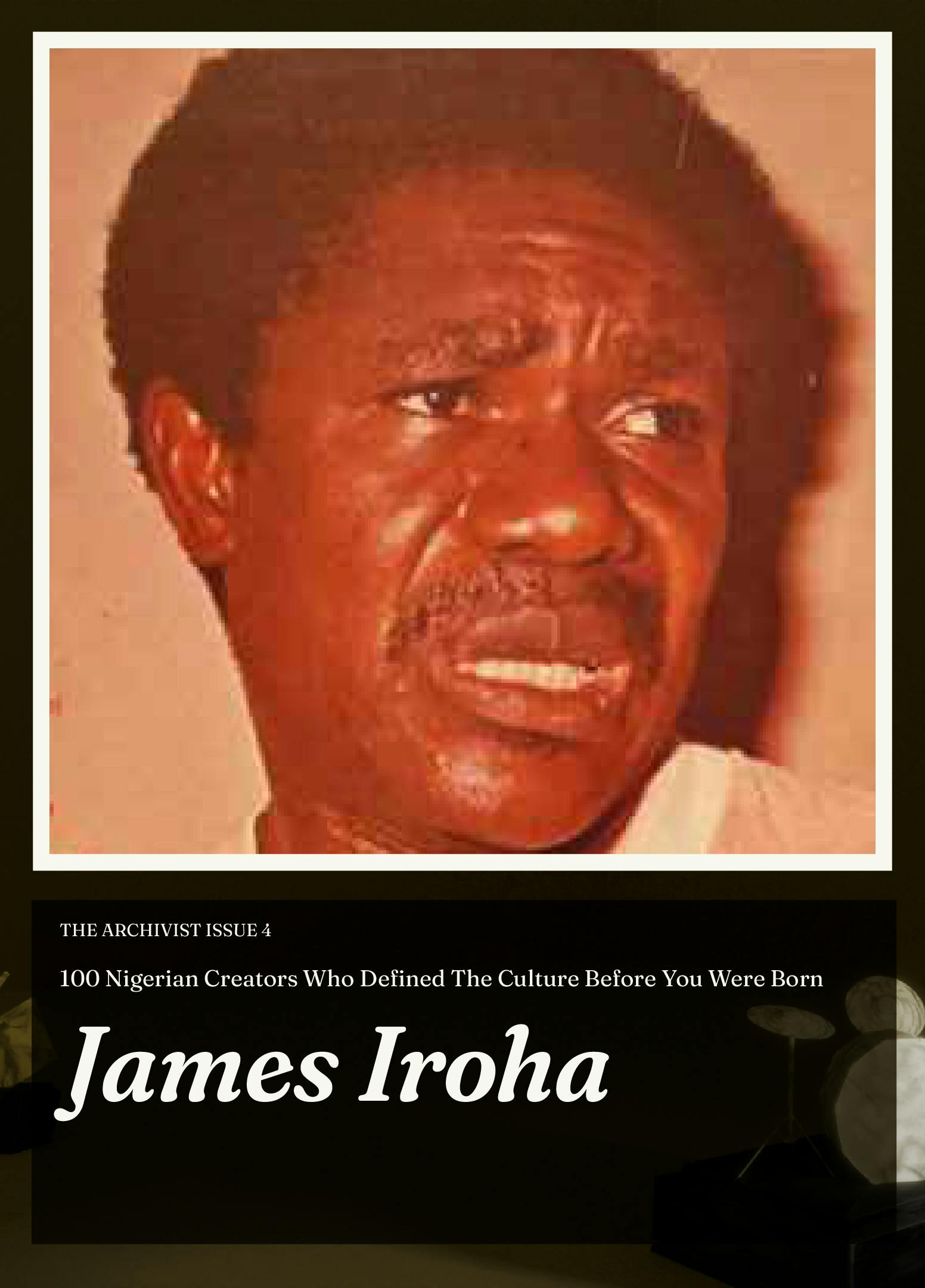
James Akwari Udensi Iroha was born on 12 October 1942 in Amaokwe Item, located in present-day Abia State, Nigeria. From an early age, he demonstrated a strong interest in performance and storytelling, often entertaining friends and family with humorous acts. His passion for drama eventually led him to pursue formal education in theatre.
Iroha later attended the University of Ibadan, one of Nigeria’s foremost universities, where he studied Theatre Arts and graduated in 1966 as one of the top students in his class. His academic training helped refine his natural talent and prepared him for a professional career in acting and media production. Even before completing his university education, he had already begun developing his acting abilities, and the university environment provided an opportunity for him to further explore dramatic performance and scriptwriting.
Early Career in Broadcasting
After graduating from university, James Iroha began his professional career in 1967 at the Eastern Nigerian Broadcasting Service (ENBS) in Enugu. At the broadcasting corporation, he worked as a television producer and later rose through the ranks to become Director of Television and Deputy General Manager. His work at ENBS exposed him to the rapidly developing field of Nigerian broadcasting and allowed him to experiment with drama, comedy, and television production.
During the period following the Nigerian Civil War (1967–1970), the country was experiencing significant social and emotional recovery. Iroha believed that comedy could play an important role in restoring public morale. Motivated by this idea, he began developing a comedy series that would reflect everyday Nigerian life while making people laugh.
Creation of The New Masquerade
James Iroha’s greatest achievement came with the creation of The New Masquerade, one of the most iconic television sitcoms in Nigerian history. The show originally started as a radio program titled “Masquerade” before later being adapted for television. As its popularity increased, the program was eventually broadcast nationwide on the Nigerian Television Authority (NTA) under the title.
The sitcom ran from the mid-1970s to the mid-1990s, making it one of the longest-running television comedy shows in Nigeria. The show featured a memorable cast of characters, including the boastful but humorous Chief Zebrudaya Okoroigwe Nwogbo, played by actor Chika Okpala. Iroha himself appeared in the show as Giringory Akabogu, the witty houseboy known for his comic interactions and distinctive speech patterns. The show’s humor was built around social satire, cultural differences, and exaggerated characters representing different ethnic backgrounds in Nigeria. Through these elements, The New Masquerade promoted unity and cultural understanding among Nigerians while entertaining millions of viewers.
Acting Style and Cultural Impact
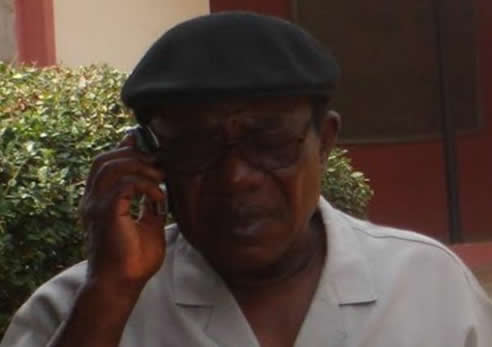
James Iroha’s acting style was characterized by expressive body language, sharp comedic timing, and the ability to deliver humor rooted in everyday experiences. His character Giringory became one of the most memorable figures in Nigerian television history.
Through satire and humor, The New Masquerade addressed social issues such as greed, corruption, family dynamics, and social mobility. The characters often used a mixture of English, pidgin English, and local languages, which made the show relatable to audiences across Nigeria. The sitcom also served as a platform for promoting Nigerian culture and storytelling traditions. By portraying everyday situations in a humorous way, Iroha helped create a style of television comedy that would later influence Nigerian film and television productions, including the development of Nollywood. Many comedians and actors who came after him were inspired by his pioneering work.
Contributions to Nigerian Film and Entertainment
Although best known for his television work, James Iroha also contributed to Nigerian cinema. He appeared in the Nollywood film “Nneka the Pretty Serpent” (1994) and Wale Adenuga’s Papa Ajasco series and other productions, demonstrating his versatility as an actor.
His career also included participation in international drama conventions and theatre productions, representing Nigeria in global artistic circles. Through these activities, he helped promote Nigerian performing arts beyond the country’s borders.
In recognition of his contributions to Nigerian entertainment and culture, Iroha received several honors. In 1981, he was awarded the Officer of the Order of the Niger (OON) by the Nigerian government during the administration of President Shehu Shagari. This national award acknowledged his impact on Nigerian television and the entertainment industry.
Personal Life and Challenges
James Iroha was married and had five children: Chimela, James Iroha Uchechukwu, Ugonma, Kelechi, and Akwari Iroha. Despite his fame and success in the entertainment industry, his later years were marked by serious health and financial challenges. He suffered from glaucoma and cataracts, which significantly affected his eyesight. Reports indicated that he struggled with medical expenses and financial difficulties during this period. These struggles highlighted broader issues related to the welfare of veteran actors and entertainers in Nigeria.
Death and Posthumous Recognition
James Iroha passed away on 28 February 2012 in a hospital in Onitsha, Anambra State, while receiving treatment for glaucoma. His death at the age of 69 marked the end of an era for Nigerian television comedy.
The news of his death was met with widespread mourning from fans, colleagues, and members of the Nigerian entertainment industry. Many actors and cultural commentators described him as one of the pioneers of Nigerian comedy and television drama.
In recognition of his influence, he was posthumously honored at the Zuma Film Festival in 2017, where he received the Rock of Fame Award for his contribution to Nigerian film and television.
Legacy
The legacy of James Iroha remains deeply embedded in Nigerian entertainment history. His creation, The New Masquerade, is widely regarded as one of the foundational programs that shaped television comedy in Nigeria. The show introduced unforgettable characters, influenced future comedians, and demonstrated the power of humor as a tool for social commentary. Beyond entertainment, Iroha’s work also played an important role in promoting Nigerian culture and storytelling. His use of satire to reflect social realities allowed audiences to laugh while reflecting on important societal issues. Today, many Nigerian comedians and filmmakers trace their inspiration to pioneers like James Iroha. His influence can be seen in modern Nigerian television comedy, stage performances, and Nollywood productions.
James Iroha was more than just a comedian or television actor; he was a cultural pioneer who helped shape the development of Nigerian television and comedy. Through his creativity, talent, and dedication to storytelling, he produced one of Nigeria’s most memorable television programs and entertained generations of viewers. Despite facing significant challenges later in life, his contributions to Nigerian culture and entertainment remain widely recognized. The life and legacy of James Iroha continue to inspire actors, writers, and filmmakers across Nigeria and beyond, ensuring that his influence on Nigerian television and comedy will not be forgotten.
Sources and references
- Pulse Nigeria. (2013). “Another Comic Icon Bows Out.”
- The Nigerian Voice. (2012). “The Passage of Gringory.”
Cite this article
Discussion
Sign in to join the discussion
Comments are checked by an editor before they appear. Leave a source or a correction and it is read first.
Continue reading
No comments yet
Nothing has been approved on this record yet. Comments are checked by an editor before they appear, so one written now shows on this page after that check.