 Ozikoro
 Biography · Published history
Justice Chukwudifu Oputa – Life and Legacy
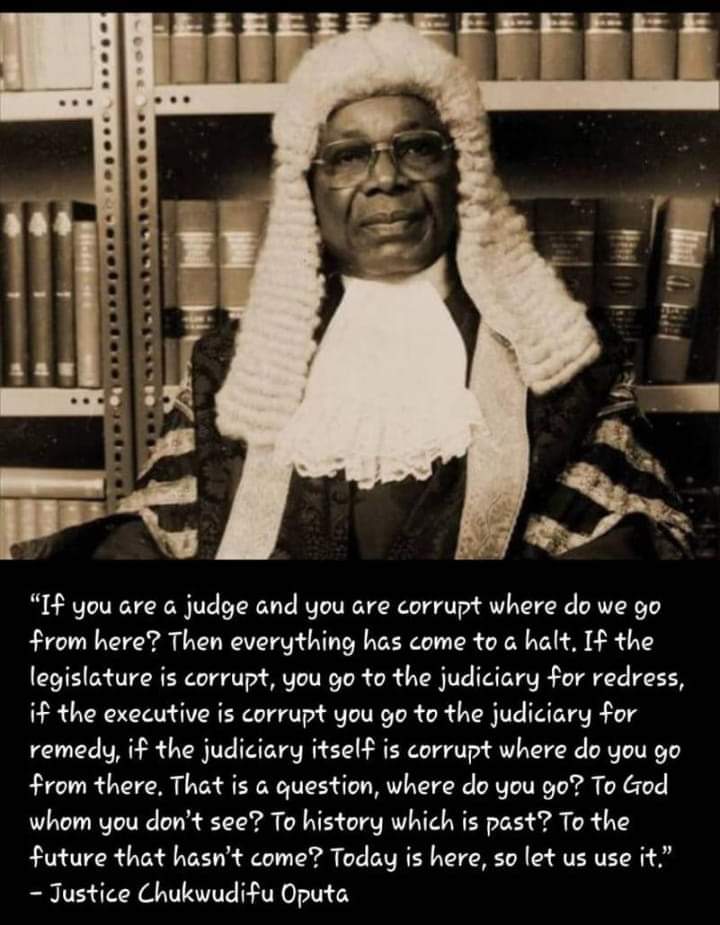
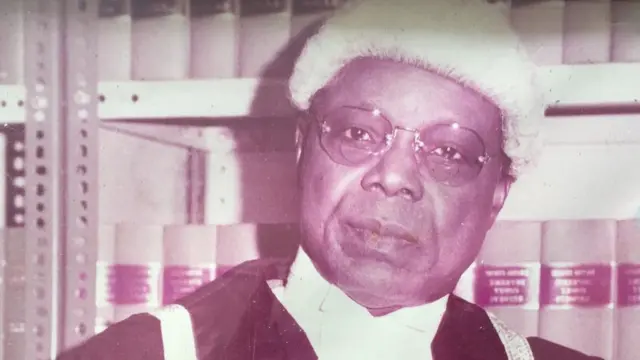
Justice Chukwudifu Akunne Oputa remains one of the most respected figures in the history of Nigeria’s judiciary. Renowned for his intellectual depth, moral courage, and commitment to justice, Oputa played a vital role in shaping Nigeria’s legal system. He served as a Justice of the Supreme Court of Nigeria between 1984 and 1989 and later chaired the Human Rights Violations Investigation Commission, widely known as the “Oputa Panel.” Through his judicial philosophy, advocacy for human rights, and dedication to the rule of law, Justice Oputa earned the nickname “the Socrates of the Supreme Court.” His life and work continue to influence legal thought and democratic governance in Nigeria.
The written record
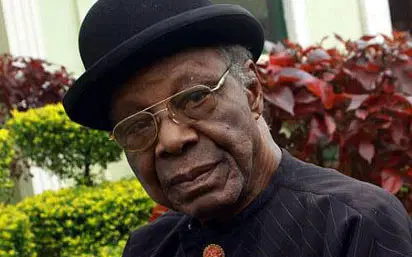
Photo credits; Vanguard news.
Historical context
Early Life and Education
Justice Chukwudifu Akunne Oputa was born on September 22, 1924, in Oguta, in present-day Imo State, Nigeria. He was born to Chief Oputa Uzukwu and Nwametu Oputa. Tragically, he lost both parents at a very early age; his father died when he was only three months old, and his mother passed away when he was about six months old. He was raised largely by relatives, particularly his grandmother, who played a crucial role in supporting his education and upbringing.
Oputa began his early education at Sacred Heart School in Oguta and later attended Christ the King College in Onitsha. He proceeded to Yaba Higher College in Lagos before continuing his studies at Achimota College in Ghana, where he earned a Bachelor of Science degree in Economics. Determined to pursue a career in law, he later travelled to the United Kingdom to study law at the University of London and was subsequently called to the Bar at Gray’s Inn in London in 1953. These academic experiences helped shape his intellectual outlook and laid the foundation for his distinguished legal career.
Early Legal Career
After returning to Nigeria in the 1950s, Oputa began his legal career in private practice. During this period, he handled several high-profile cases, including chieftaincy disputes such as the Oguta Chieftaincy dispute and the Amanyanabo dispute. These cases helped establish his reputation as a brilliant and principled lawyer.
Before fully entering legal practice, Oputa also worked as a teacher and administrator. He served as a teacher and later as principal at Kalabari National College in Buguma, Rivers State. His experience in education reinforced his belief in intellectual discipline and moral responsibility, qualities that later defined his judicial career.
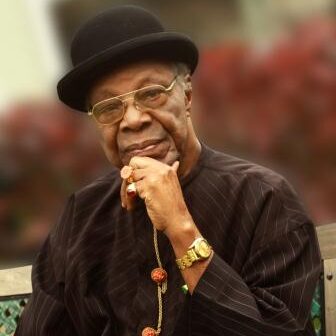
Judicial Career and Rise to the Supreme Court
Justice Oputa’s distinguished career on the bench began in 1966 when he was appointed a judge of the High Court of Eastern Nigeria. His judicial competence and integrity soon earned him recognition across the country.
In 1976, he became the first Chief Judge of Imo State following the creation of the state. In this role, he helped establish and strengthen the state’s judicial system during its formative years.
His excellence on the bench eventually led to his elevation to the Supreme Court of Nigeria in 1984. As a Justice of the Supreme Court, Oputa delivered numerous landmark judgments that demonstrated deep legal reasoning and philosophical insight. His colleagues and legal scholars admired his intellectual approach to the law, which combined legal principles with moral philosophy. Because of this intellectual depth, he was often described as the “Socrates of the Supreme Court”. Justice Oputa retired from the Supreme Court in 1989 after five years of distinguished service.
The Oputa Panel and Human Rights Advocacy
Perhaps Justice Oputa’s most famous contribution to Nigerian public life came after his retirement from the Supreme Court. In 1999, following Nigeria’s return to democratic rule, President Olusegun Obasanjo appointed him chairman of the Human Rights Violations Investigation Commission.
This commission, popularly known as the “Oputa Panel,” was established to investigate human rights abuses committed during Nigeria’s years of military rule from 1984 to 1999. The panel held public hearings across the country where victims of military oppression were able to recount their experiences. The hearings exposed numerous cases of torture, unlawful detention, and political persecution during military regimes.
Although the panel’s report was controversial and not fully implemented by the government, the initiative represented a major step toward national reconciliation and accountability. Justice Oputa’s leadership during the process reinforced his reputation as a defender of justice and human rights.
Philosophy of Law and Judicial Legacy
Justice Oputa was not only a judge but also a legal philosopher. He believed strongly that law should serve humanity and protect the weak and vulnerable. Many of his judgments reflected a commitment to fairness, equity, and the protection of fundamental rights.
Legal scholars have often described him as a judicial activist who was willing to interpret the law in ways that advanced justice and social equity. Alongside other prominent justices such as Kayode Eso and Andrew Obaseki, Oputa helped shape what many consider the “golden era” of the Nigerian Supreme Court.
Beyond his judicial decisions, Oputa also contributed to legal scholarship by publishing numerous lectures and papers on law, ethics, and governance.
Personal Life and Character
Justice Oputa was widely respected not only for his legal brilliance but also for his personal integrity. He was known for living a modest lifestyle and maintaining strong moral principles throughout his career. A devout Catholic, he received several religious honours, including the titles of Knight Commander of St. Gregory the Great and Knight of St. Mulumba. These honors reflected his deep commitment to faith and service. He was also the father of Charles Oputa, popularly known as Charly Boy, a Nigerian entertainer and social activist.
Death and National Recognition
Justice Chukwudifu Oputa died on May 4, 2014, at the age of 89. His death was widely mourned across Nigeria by legal professionals, political leaders, and members of the public.
Many national figures described him as one of the finest jurists Nigeria ever produced. His judgments, legal writings, and advocacy for justice continue to inspire generations of lawyers and scholars.
His legacy also lives on through the Justice Oputa Foundation, an organization dedicated to promoting ethical leadership, accountability, and respect for the rule of law. Justice Chukwudifu Oputa occupies a distinguished place in Nigeria’s legal history. From his early struggles as an orphan to his rise as a Supreme Court justice and champion of human rights, his life represents a powerful example of intellectual excellence and moral courage. His contributions to jurisprudence, democratic accountability, and human rights advocacy have left a lasting impact on Nigeria’s legal and political landscape. Today, he is remembered not only as a great judge but also as a philosopher of law and a symbol of justice in Nigeria.
Sources and references
- BLERF. (2017). “Oputa, Justice Chukwudifu Akunne”. Biographical Legacy and Research Foundation.
- Justice Oputa Foundation. (n.d.). “Profile of Hon. Justice Chukwudifu Akunne Oputa”.
- TheCable. (2014). “Retired Justice Oputa dies at 89”.
- Vanguard. (2014). “Oputa, one of the finest jurists on Nigeria’s bench — Falana”.
- Ekiti State Government. (2014). “Oputa, an incorruptible judge, says Fayemi”.
Cite this article
Discussion
Sign in to join the discussion
Comments are checked by an editor before they appear. Leave a source or a correction and it is read first.
Continue reading
No comments yet
Nothing has been approved on this record yet. Comments are checked by an editor before they appear, so one written now shows on this page after that check.