 Ozikoro
Biography · Published history
Kenneth Onwuka Dike: The Igbo Scholar Who Rewrote African History
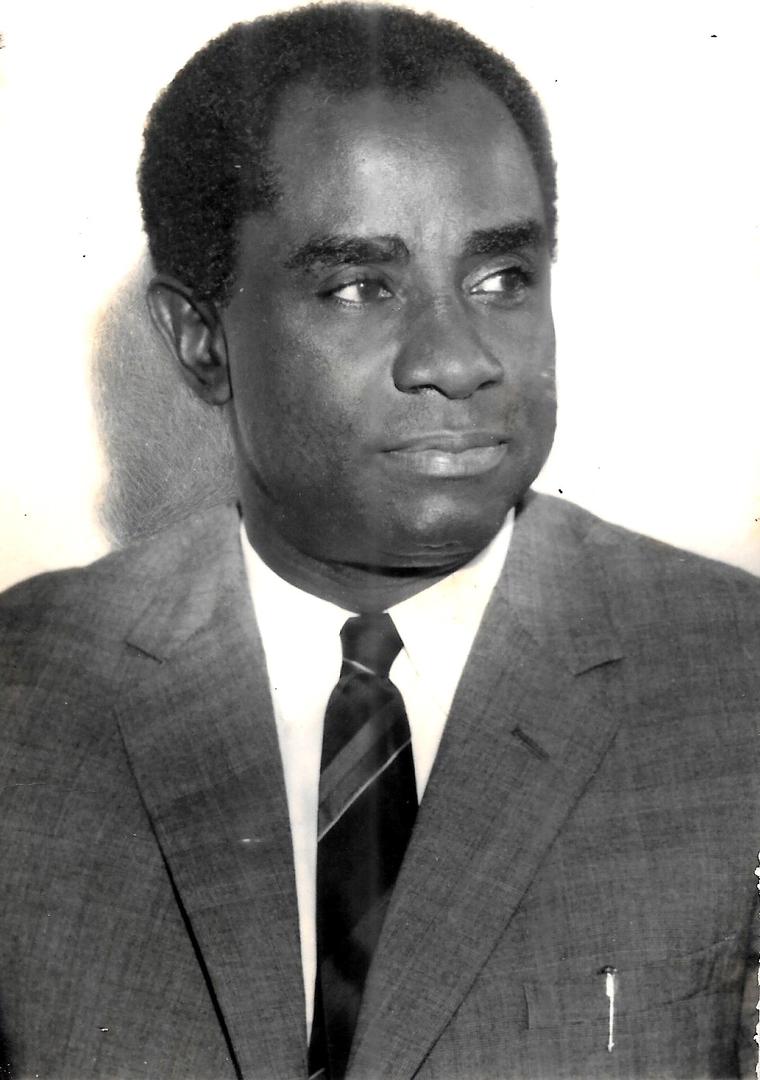
In the bustling colonial city of Ibadan in the 1950s, when British professors still ruled the lecture halls and African students learned their own past from foreign pens, a quiet revolution began, not in the streets, but in the archives.
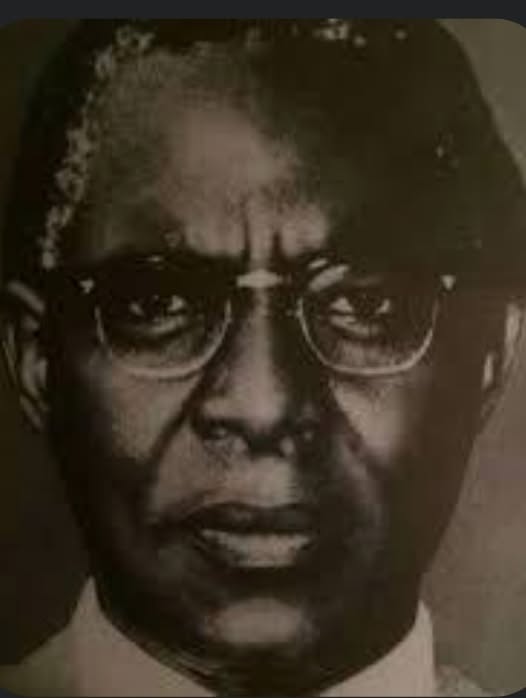
At its heart stood Kenneth Onwuka Dike, an Igbo scholar from Awka who dared to rewrite the story of Africa from within.
The written record
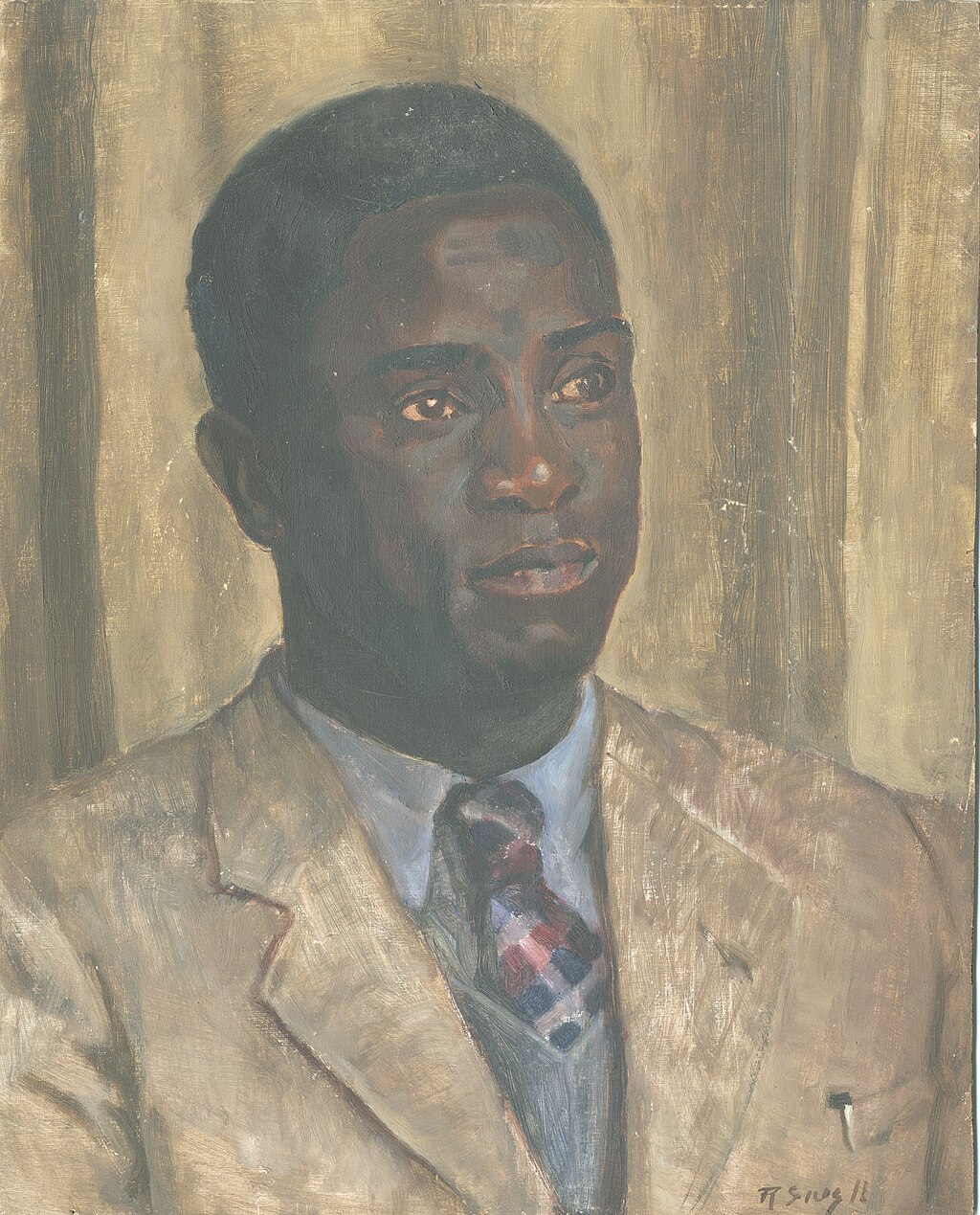
He was not a man of loud speeches or slogans, but of steady intellect and conviction. With every lecture and every page, he chipped away at the walls of colonial bias that had long confined African history. “Ọkpụkpụ mmadụ adịghị egbu, ihe na-egbu bụ okwu.” (It is not the bones of a person that kill, but words.) Through his words, Dike challenged an empire.
Historical context
Early Life and Journey to Scholarship
Born in 1917 in Awka, Anambra State, Dike’s story began amidst the shifting sands of colonial Nigeria. The son of devout parents, he grew up at a time when education was both a privilege and a weapon. After attending Government College, Umuahia, and later Achimota College in Ghana, he pursued history at the University of London and completed his PhD at the University of Aberdeen.
His doctoral work, later published as Trade and Politics in the Niger Delta, 1830–1885, changed the face of African studies. Until then, European historians had described African societies as chaotic, primitive, and passive recipients of Western “civilisation.” Dike shattered this myth. He showed, with meticulous research, that precolonial African societies had complex political systems, trade networks, and diplomacy.
He reminded the world that Africa was not discovered; it had always been there, thinking, trading, and thriving. “Ọ bụ onye mara ihe gara aga ka ga-ama ihe ga-eme.”
(He who knows the past will understand the future).
The Dike Revolution
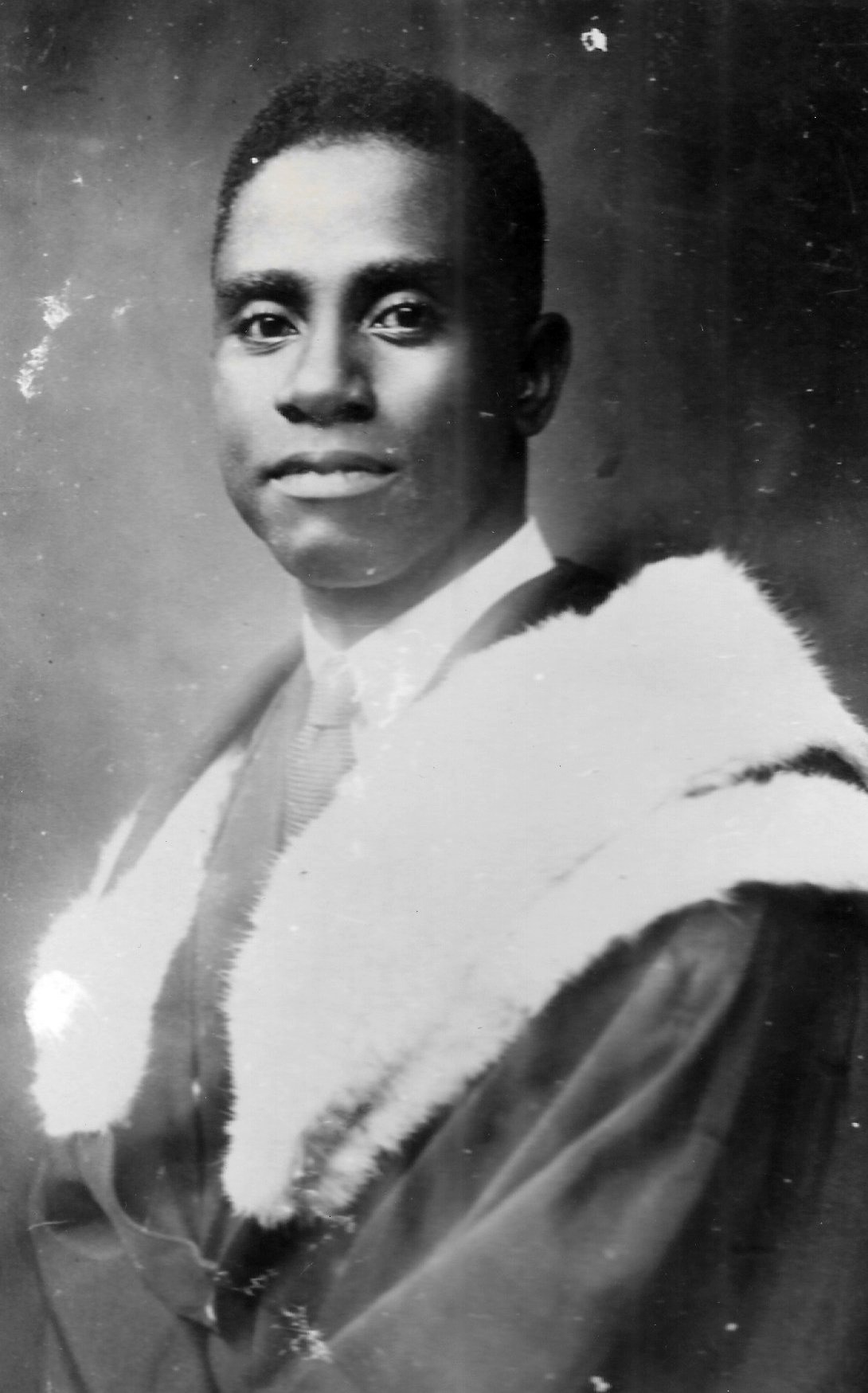
When Dike took the helm at the University of Ibadan as its first indigenous Vice-Chancellor in 1960, he was more than an administrator; he was a liberator of minds. He urged young Africans to research their own societies, to interview elders, and to write history from their people’s perspective.
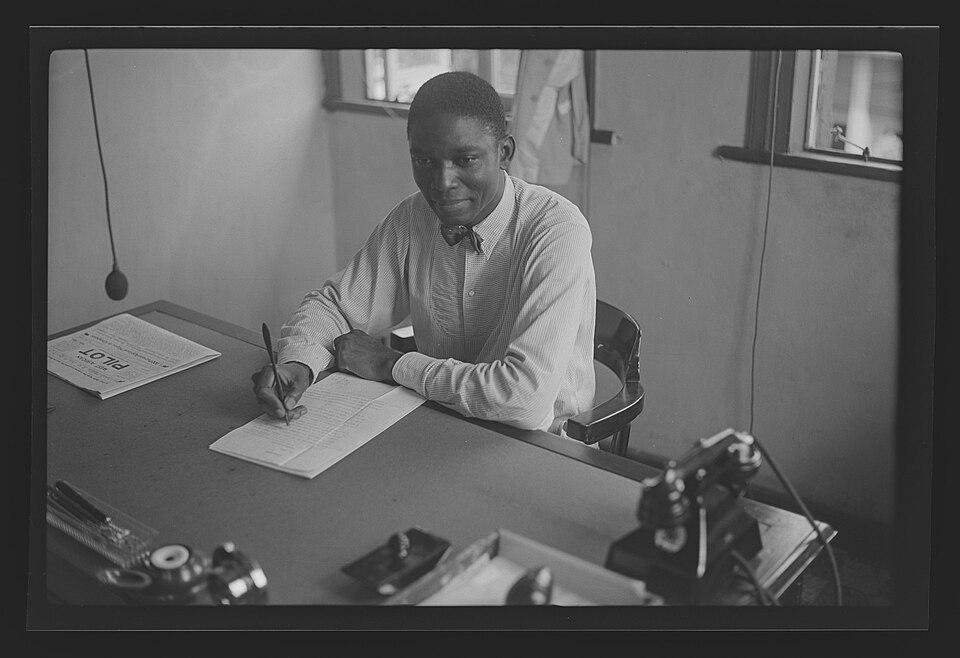
He also established the Nigerian National Archives, preserving local documents, letters, and oral traditions that would have otherwise been lost. Through these archives, Dike ensured that future generations could read history in their own handwriting, not through foreign interpretations.
This movement came to be known as the Dike Revolution, a shift from Eurocentric narratives to indigenous historiography. His students, including Adiele Afigbo, Tekena Tamuno, and Elizabeth Isichei, carried this torch across Africa. “A naghị ere akụkọ ihe mere eme; a na-echekwa ya.” (History is not sold; it is preserved). In classrooms from Nsukka to Nairobi, Dike’s voice echoed: “Africa must speak for herself.”
Beyond Academia: A Visionary Leader
Dike’s influence extended beyond the university walls. He served as the first Vice-Chancellor of the University of Ibadan, chaired Nigeria’s Historical Society, and advised international institutions on decolonising African education. His leadership during Nigeria’s independence era inspired both intellectual and national pride.
But even as his career rose to global acclaim, Dike remained grounded in humility; a true son of Awka who never forgot his roots. Those who studied under him described him as calm, disciplined, and deeply spiritual. As one of his students once said, “He taught us not just history, but how to find dignity in our stories. “Onye ajụjụ adịghị efu ụzọ.” (He who asks questions never gets lost). Through inquiry and truth, Dike lit a path for African scholarship.
Legacy and Reflection
Kenneth Dike’s work ignited a renaissance in African thought. He proved that the power of history lies not in who tells it first, but in who tells it truthfully. By reclaiming African agency, he reshaped global academia and restored pride to a continent long misrepresented. Today, every Nigerian student studying precolonial trade, every Igbo researcher examining oral tradition, and every African historian writing from an indigenous lens stands on Dike’s shoulders.
He passed away in 1983, but his spirit endures; in archives, in classrooms, and in every African story told with pride.“Ihe onye metere ka ọ ga-eri.” (What a person sows is what they shall reap).
And truly, Dike sowed truth, and his people continue to reap enlightenment.
In honouring Kenneth Onwuka Dike, we honour the freedom of African memory itself. For as the Igbo say: “Ebe onye dara, ka chi ya kwaturu ya.” (Where one fell is where their spirit rises again). Through Dike, Africa rose again, this time, with her own voice.
Sources and references
- Dike, K. O. (1956). Trade and politics in the Niger Delta, 1830–1885: An introduction to the economic and political history of Nigeria. Oxford University Press.
- HistoryVille. (2024). Kenneth Onwuka Dike: Nigeria’s first historian and pioneer of African history.
- Nnewi City. (2024). Kenneth Onwuka Dike: Nigeria’s first historian and pioneer of African history.
- Nwauwa, A. O. (2015). The role of Kenneth Onwuka Dike in the development of African historiography. Journal of African Studies and Development, 7(4), 95–103.
Cite this article
Discussion
Sign in to join the discussion
Comments are checked by an editor before they appear. Leave a source or a correction and it is read first.
Continue reading
No comments yet
Nothing has been approved on this record yet. Comments are checked by an editor before they appear, so one written now shows on this page after that check.