 Ozikoro
 Cultural Heritage · Published history
List of Igbo Women Traditional Hairstyles, Its Beauty and Significance
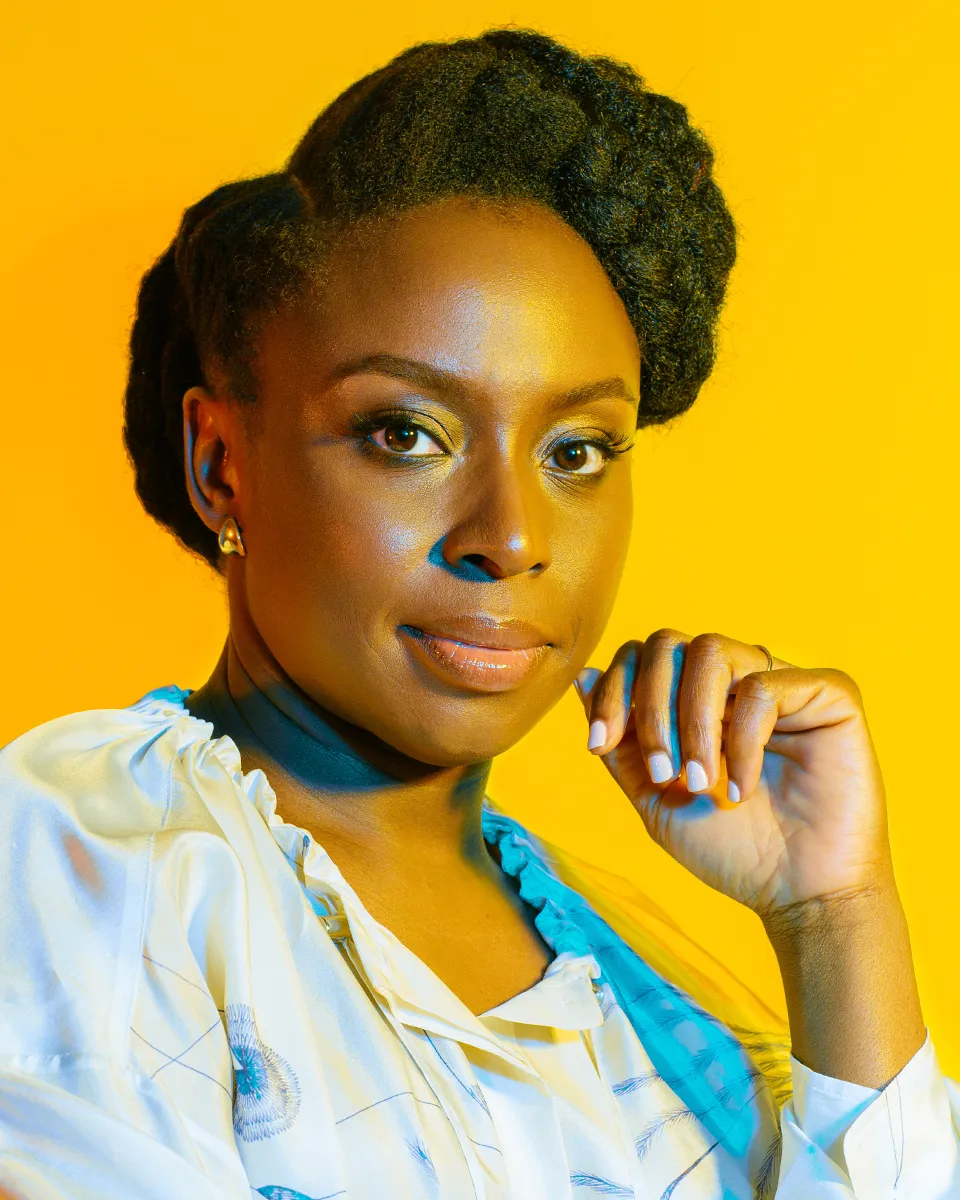
Igbo women’s traditional hairstyles hold an important place in the cultural heritage of the Igbo people. These hairstyles represent beauty, status, identity, and creativity and serve as an avenue for personal expression. For Igbo women, hair is not just an aesthetic; it communicates about age, marital status, social class, mood, and one’s occupation. Igbo women’s hairstyles have passionately expressed cultural identity, artistry, and social symbolism for over a century. From the detailed designs of the early 20th century down to the fusion of traditional and modern styles today, these hairstyles capture the resilience and creativity of Igbo culture.
The written record
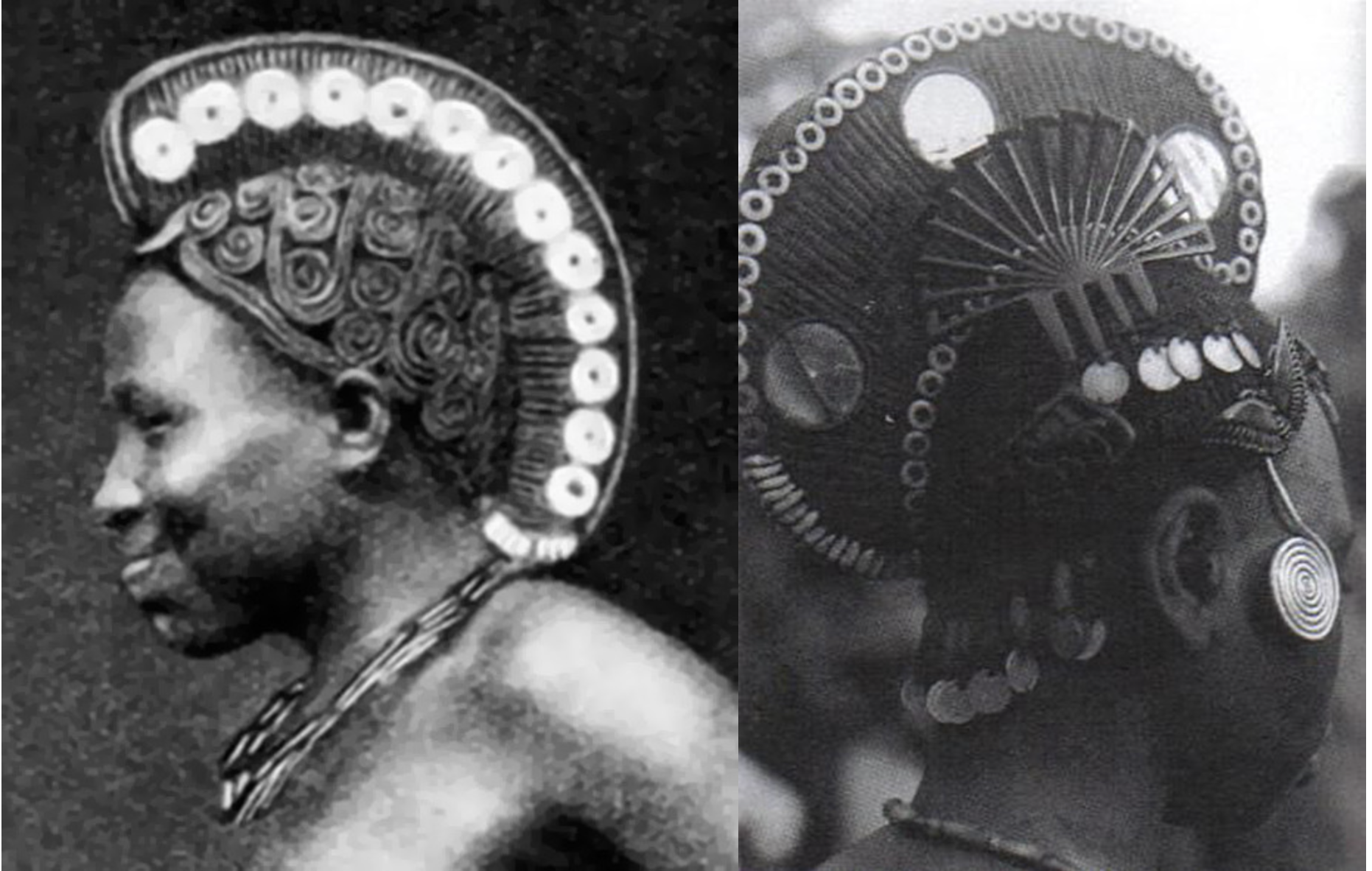
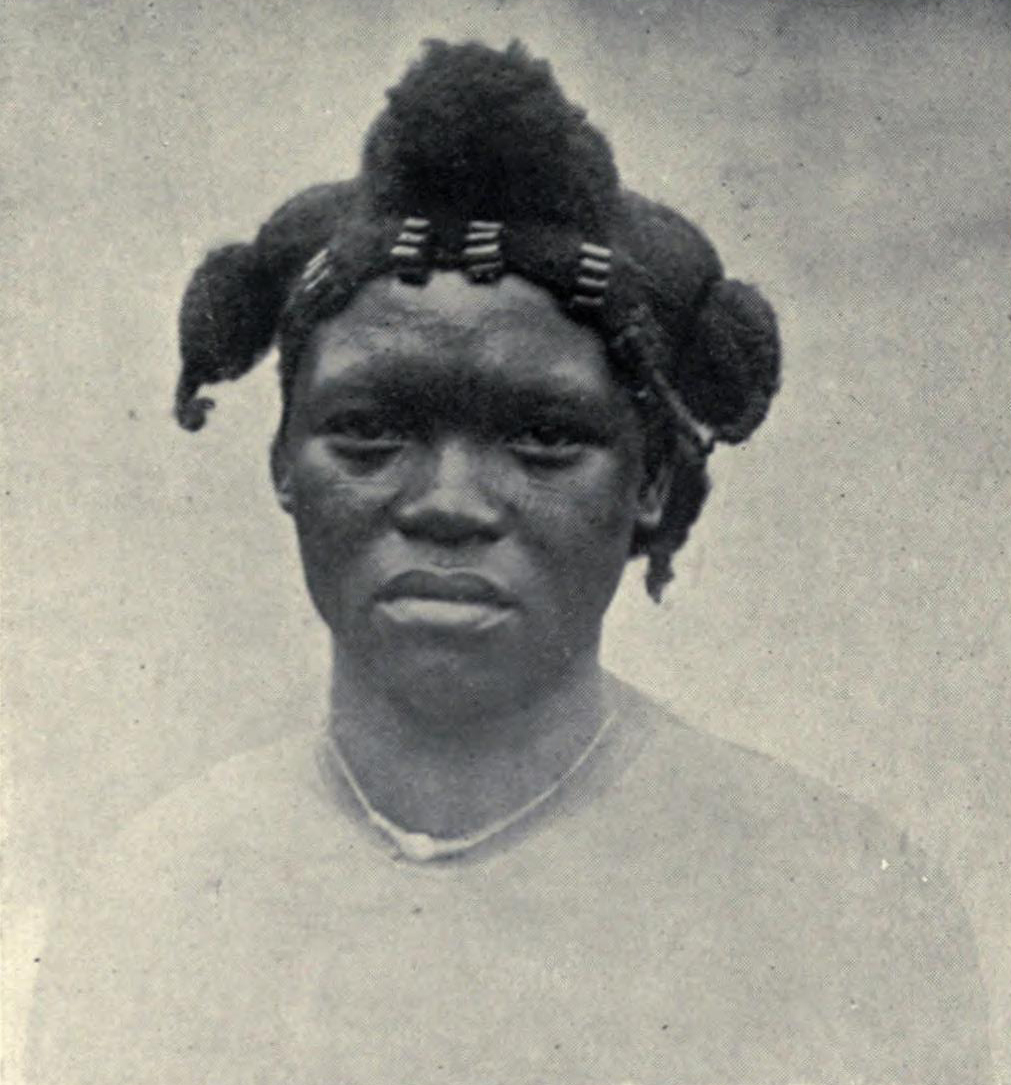
Dating back to the 1900s, Igbo hairstyles have evolved while maintaining their essence. Styles like Isi Owu and Ojongo emerged as visible identity, status, and age markers. Early photographs from this period depict elaborate designs created with natural materials like cowries, threads, and palm kernels. Often passed down through generations, these styles reflected Igbo life’s social and spiritual dimensions.
Historical context
The Significance of Igbo Hairstyles
- Aesthetic Significance: Igbo traditional hairstyles are celebrated for their beauty and creativity. They are considered a woman’s crowning glory and a symbol of her femininity, reflecting Igbo culture’s deep hair symbolism.
- Social Significance: Hairstyles communicate social messages. For instance, widows in Igbo society shave their heads as a sign of mourning, while younger girls change their styles frequently to reflect their age and attract suitors.
- Cultural Significance: Traditional hairstyles act as identifiers, signifying a woman’s village or tribe. Some hairstyles are tied to specific occasions, such as festivals and rites of passage. Igbo women’s hairstyles vary by a woman’s status, such as titleship, maidenhood, marriage, or pregnancy.
Unique Traditional Igbo Hairstyles
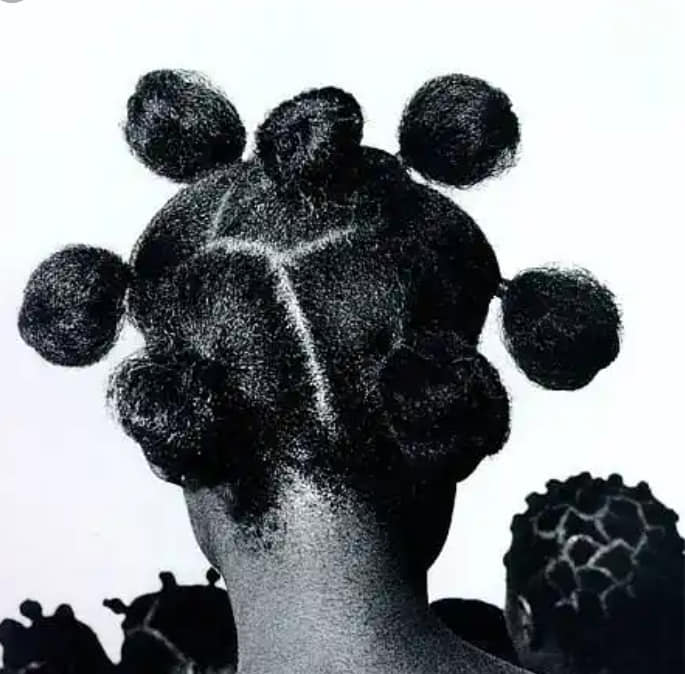
1. Isi ntukwu: Isi ntukwu in Igbo is what is generally known today as Bantu knots. Isi ntukwu is a traditional and widely admired hairstyle among Igbo women, and. it is often enhanced with coral beads for added elegance.
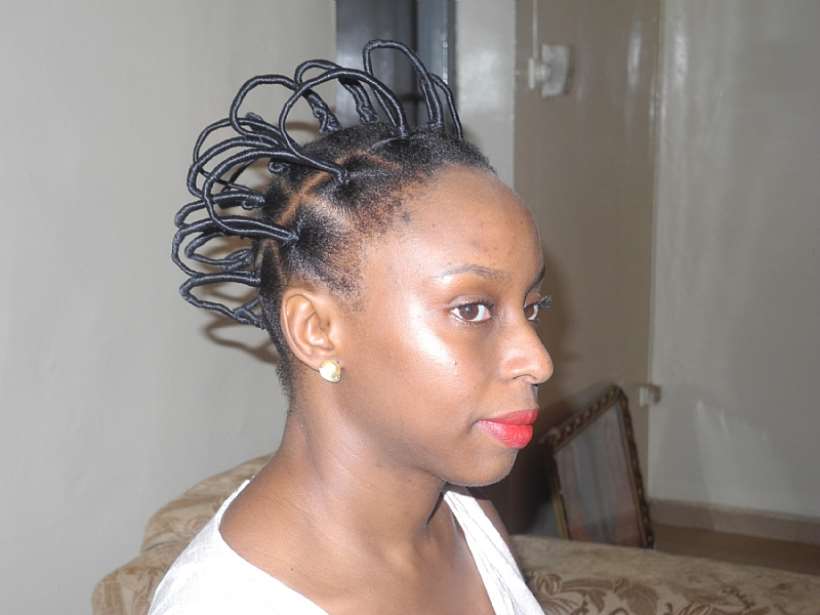
2. Isi Owu: This threaded hairstyle has been practised for centuries. It involves wrapping the hair with black thread and is traditionally worn by young unmarried girls, signifying youthfulness.
3. Ojiugo: This cornrow style dates back to 3000 BCE and has roots in West African cultures. Often associated with royalty, it represents elegance and tradition.
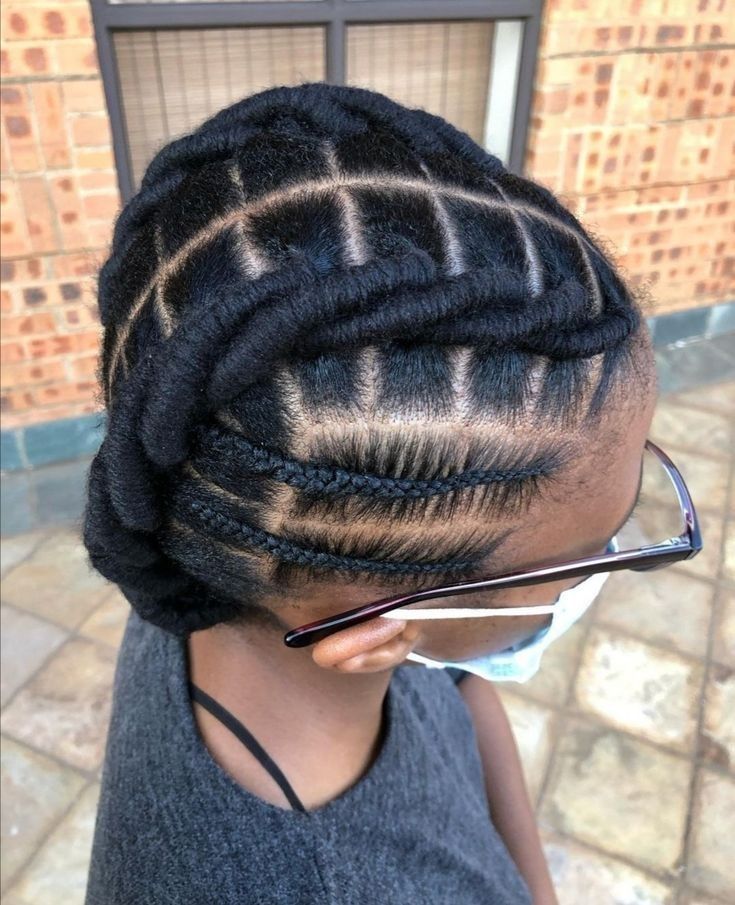
4. Ngala: Known for its artistic beauty, Ngala represents pride and beauty among Igbo women. It showcases the wearer’s creativity and cultural pride.
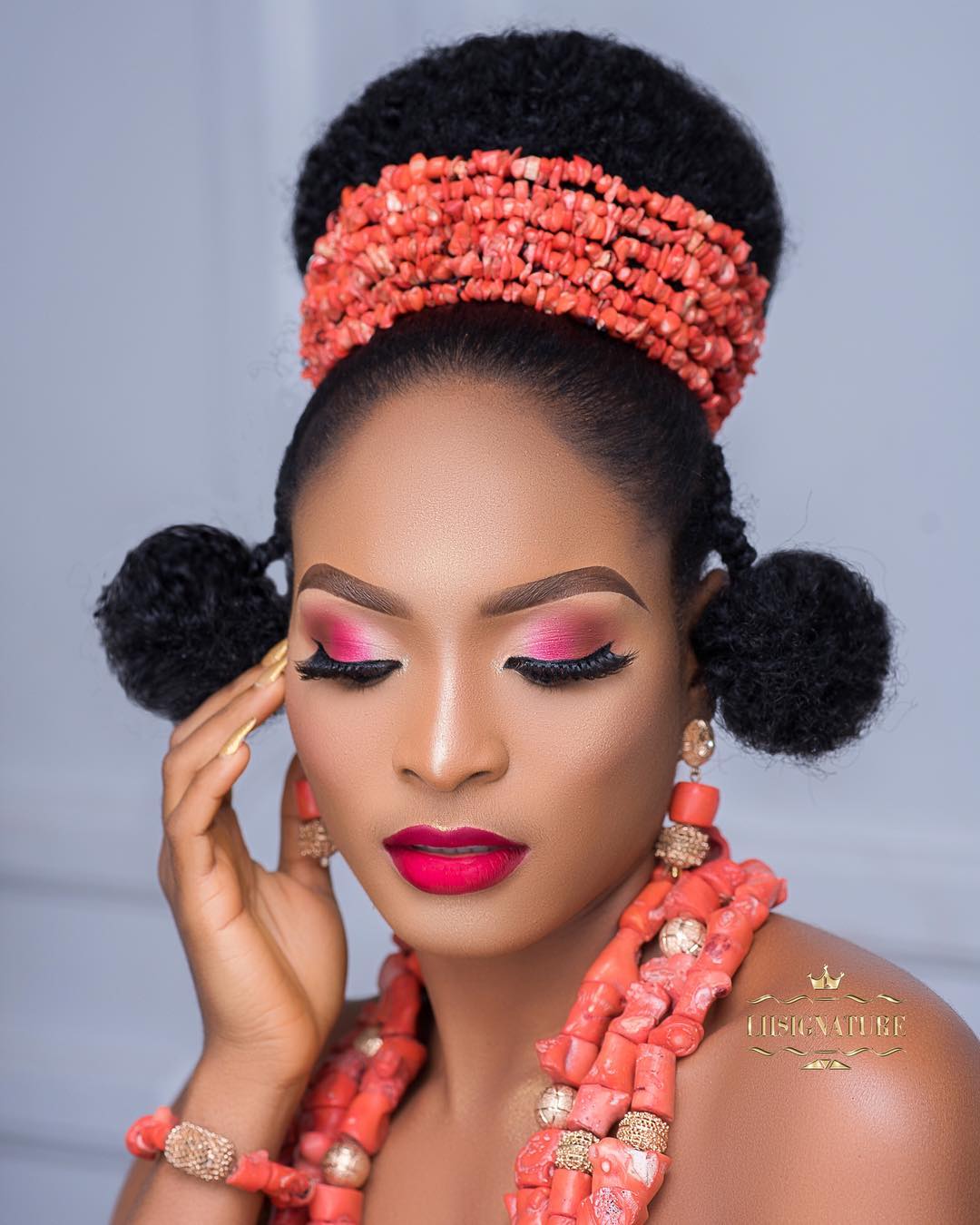
5. Ojongo: Also known as the crested hairstyle, this design was popular until the mid-20th century. It includes unique ornaments like beads, feathers, and shells.
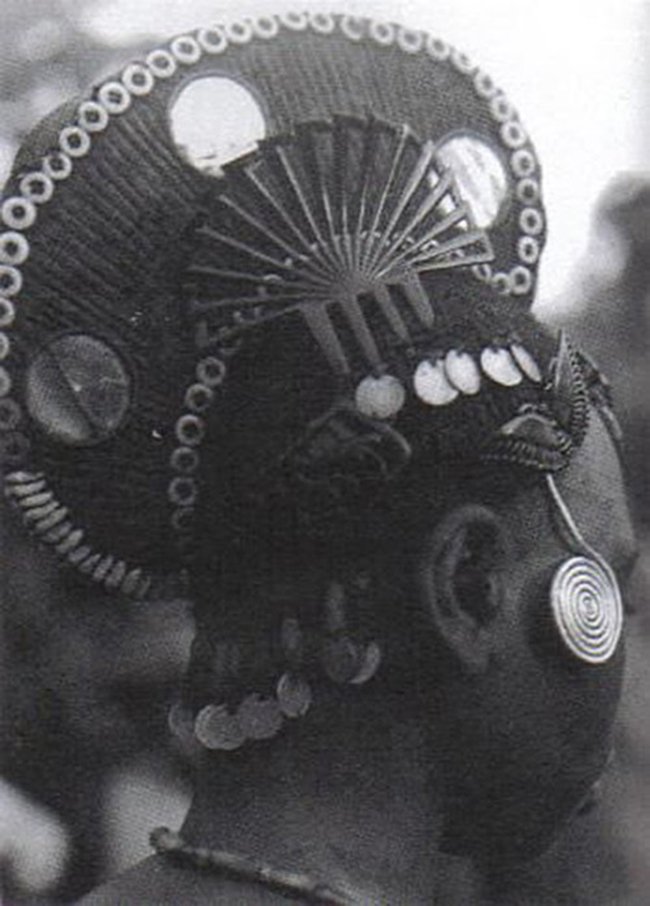
6. Ukpaka: This hairstyle, featuring palm kernels or woven materials, symbolises royalty and tradition. It has been a significant style since the 1700s.
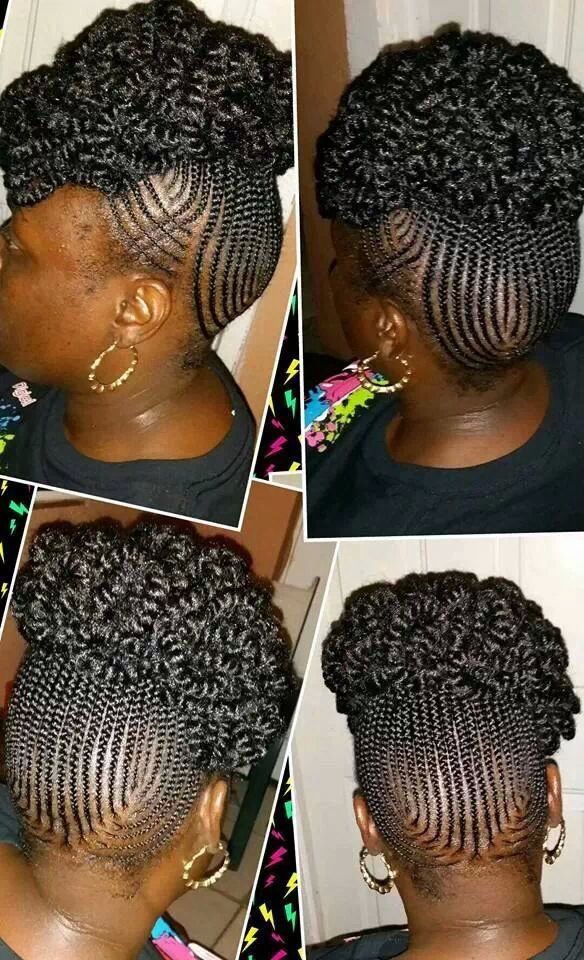
7. Odo Aboda: This hairstyle is characterised by its complex design, often involving carefully styled hair arranged into artistic patterns. Such hairstyles were not merely decorative but also held deep cultural significance, symbolising identity, age, marital status, and community belonging.
Modernisation and the Evolution of Igbo Hairstyles
From the late 20th century (late 80s), traditional Igbo hairstyles began to decline due to the introduction of chemical relaxers, hair extensions, and wigs. Western beauty standards dominated, and many abandoned their indigenous styles. However, there has been a recent resurgence of interest, with younger generations embracing these styles to reconnect with their heritage.
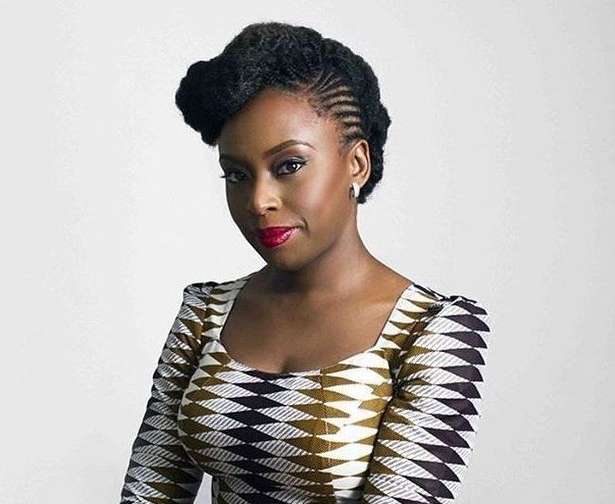
Active preservation is needed to ensure these hairstyles do not fade into history. Documentation through photographs, museum exhibits, and publications can help safeguard this cultural heritage.
Sources and references
- Igbo women and girls and their hairstyles. (2018, March). Ukpuru Blog.
- Exploring traditional Nigerian hairstyles with Ojeikere. (2022, July).
- Bailey, A. (2015). Capturing a half-century of Nigerian hairstyles.
- Williams, A. (2017). The connection between hair and identity in black culture.
- Hairstyles in African culture. (2012, September).
- Ogiri, A. E. (2013). Hairdo and styles. Blue Print Newspaper.
- Pre-colonial Nigerian cultures: Hairdressing as a work of art. (2019, January 18).
- Visual documentation of traditional Nigerian hairstyles and designs as a means of expressing social and cultural heritage through photography. (2015, June).
Cite this article
Discussion
Sign in to join the discussion
Comments are checked by an editor before they appear. Leave a source or a correction and it is read first.
Continue reading
Related histories
 Cultural HeritageEleven Days of Nwafor Ogidi: Inside the Festival Keeping an Old Igbo Tradition AliveRead history →
 Cultural HeritageIli Ji Nkpor Obododike: The Indigenous Agricultural Ritual CycleRead history →
 Cultural HeritageMusic and Drum Traditions: Tracing the “Igbo Drum” in the AmericasRead history →
No comments yet
Nothing has been approved on this record yet. Comments are checked by an editor before they appear, so one written now shows on this page after that check.