 Ozikoro
 Biography · Published history
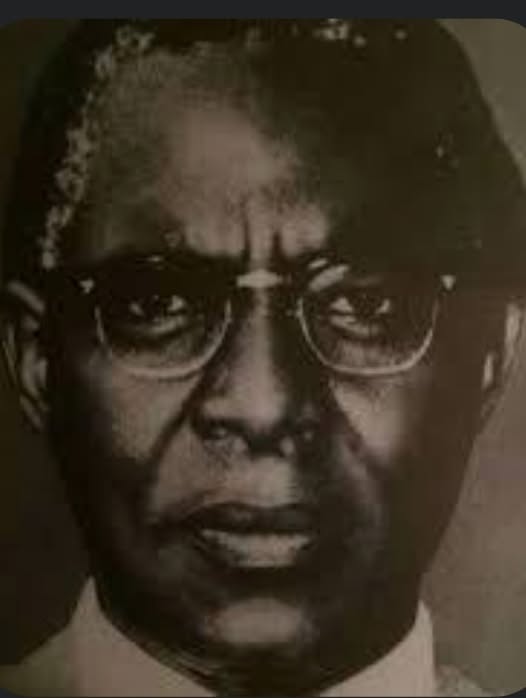
Mallam Umaru Altine: The Fulani Cattle Trader Who Became Enugu’s First Elected Mayor (1952–1958) – A Symbol of Pre-Independence Unity
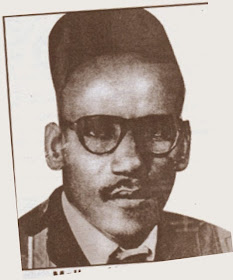
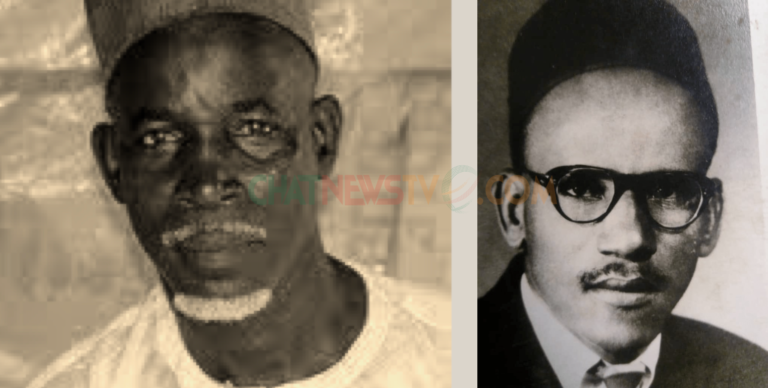
In the early 1950s, long before Nigeria’s independence in 1960, the city of Enugu, then the capital of the Eastern Region was a cosmopolitan hub of economic activity and interethnic cooperation. Against this backdrop of colonial administration and rising nationalist politics, an extraordinary figure emerged: Mallam Umaru Altine, a Fulani cattle trader from Sokoto Province who became the first elected Mayor of Enugu Municipal Council. Serving from 1952 to 1958, his leadership exemplified early efforts at national unity and cross-regional political representation in a deeply diverse Nigeria. His story reflects not only personal achievement but also a powerful symbol of pre-independence unity that transcended regional and ethnic divides.
The written record
Historical context
Migration, Trade, and Settlement in Enugu
Mallam Umaru Altine was originally from Sifawa in the old Sokoto Province, part of present-day northwestern Nigeria. Like many northern traders of his generation, he engaged in cattle trading, a profession deeply associated with Fulani economic activities across West Africa. Sources indicate that he moved to Enugu, one of the most economically dynamic cities in southern Nigeria as part of broader patterns of internal migration stimulated by British colonial infrastructure, including the railway network connecting northern cattle routes to southern markets.
In the coal mining and railway town environment of Enugu, northern traders including Fulani and Hausa settlers established themselves as significant participants in commerce. Their presence was part of a broader pattern of interregional exchange that linked Britain’s colonial economic interests to Nigeria’s internal labour and market systems. These traders serviced not only local demand for livestock and meat but also helped bridge the cultural gap between northerners and southern communities.
Political Engagement and the NCNC
Altine’s entrance into politics came through his involvement with the National Council of Nigeria and the Cameroons (NCNC), the dominant nationalist party in the Eastern Region led by luminaries such as Dr. Nnamdi Azikiwe. He became President of the Enugu branch of the NCNC Youth Association, demonstrating his early commitment to political activism and community leadership. His political activities were grounded not in ethnic self-interest, but in a broader vision of national unity and pan-Nigerian cooperation.
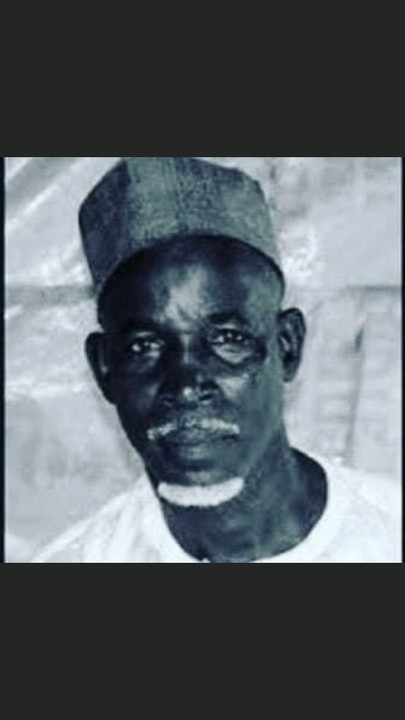
In 1952, Altine won election as a councillor in the Enugu Municipal Council. Though sources vary slightly on dates, many accounts agree that he was elected first as chairman of the council and later became the first Mayor of Enugu once the municipality was formally established. His election was remarkable in several respects: he had lived in the region for less than five years; he was from the northern Fulani ethnic group; and he was married to an Igbo woman named Esther Ozueh, reflecting a deep personal integration into the local community.
Leadership in a Cosmopolitan City
Enugu in the 1950s was not just the administrative capital of the Eastern Region, it was a thriving urban centre shaped by the railways and coal mining industry. These economic drivers had attracted migrants from across Nigeria and beyond, including southerners, northerners, and expatriate workers employed by colonial enterprises. In this environment, Umaru Altine’s leadership was both symbolic and practical: he represented the potential for a Nigeria in which ability and commitment mattered as much as regional identity.
As mayor, Altine presided over municipal governance at a time when Nigeria was transitioning from colonial rule toward self-government and eventual independence. His work involved mediating infrastructure development, urban planning, and civic responsibilities in a city where diverse interests had to be balanced. Scholars have characterized his tenure as a period of relative harmony that illustrated how colonial urban center’s could be spaces of integrated civic life even before independence.
Political Independence and Electoral Success
Altine’s political career was not without internal party conflict. According to several accounts, after serving his first term as an NCNC candidate, the party’s leadership attempted to replace him with another candidate in subsequent elections. He resisted this pressure, resigned from the NCNC, and ran as an independent candidate, ultimately defeating the NCNC nominee by a decisive vote margin. This episode underscored his popularity among the electorate and his resilience as a political leader who could command support beyond party lines.
Such insistence on independence in the political sphere illustrated both his confidence and his belief in democratic representation. It also demonstrated that political legitimacy in Enugu at the time was based on connections and performance rather than ethnic or regional identity alone, an important precedent for broader national integration.
Umaru Altine’s personal life also reflected Nigeria’s plural society. His marriage to an Igbo woman, Esther Ozueh, and his participation in both Islamic and Christian events demonstrated a synthesis of cultural identities that was unusual yet impactful in mid-twentieth century Nigeria. Married life with Esther and his command of multiple languages including Hausa, Fulfulde, and Igbo, helped him bridge communities as both a political leader and a social figure.
His ability to “detribalise” himself, embracing the culture, language, and social norms of his adopted city while retaining elements of his heritage made him a natural symbol of pre-independence unity.
Although Umaru Altine left office in 1958, shortly before Nigeria’s independence in 1960, his tenure left enduring impressions. Later commentators, such as public intellectuals and political advocates have cited his election as evidence of a Nigeria in which ethnic diversity could be transcended in favour of unity and shared civic purpose. His election is remembered or referenced as an example of cross-regional inclusivity that many feel has since been eroded in post-independence politics.
Moreover, as some accounts note, streets in Enugu historically bore his name, and his descendants remained part of the city’s social fabric for decades after his mayoral tenure. His story continues to be evoked in debates about national unity, public service, and political inclusivity.
Mallam Umaru Altine’s journey from a Fulani cattle trader in Sokoto Province to the first elected Mayor of Enugu is a remarkable chapter in Nigeria’s pre-independence history. His election was not simply a political oddity; it was a testament to the possibility of unity in diversity, an era when cross-cultural cooperation could achieve real civic leadership. At a time when Nigeria was negotiating the balance between colonial governance and emerging nationalism, Altine’s leadership provided a model of inclusive representation in one of the country’s most vibrant cities.
Today, his legacy stands as a symbol of what national politics might aspire to be: a system in which leadership is built not on narrow identity but on broad acceptance and shared vision. Beyond his individual achievements, Mallam Umaru Altine’s life offers enduring insight into the promise and challenges of unity in a multifaceted society.
Sources and references
- Governor Ugwuanyi and the Fulanis of Enugu State: The Authority editorial. (n.d.). The Easterner.
- Mallam Umaru Altine: First Mayor of Enugu Municipal Council, 1952-1958, By Femi Kehinde. (2024, December 1). ChatNewsTV.
- The Fulani Mayor of Enugu in 1952. (2021, June 29). Nairaland Forum.
- The Unknown Nigeria: Mallam Umaru Altine, First Mayor of Enugu. (2014, July 30). TheUnknownNigeriaBlog.
- Shehu Sani slams Nigerian elites on ethnic politics, says Fulani from Sokoto won first Enugu mayor in 1952. (2022, July 8). National Daily Newspaper.
Cite this article
Discussion
Sign in to join the discussion
Comments are checked by an editor before they appear. Leave a source or a correction and it is read first.
Continue reading
No comments yet
Nothing has been approved on this record yet. Comments are checked by an editor before they appear, so one written now shows on this page after that check.