 Ozikoro
Biography · Published history
Micheal Okpara And The Birth Of Nigeria’s Gas Industrial Revolution
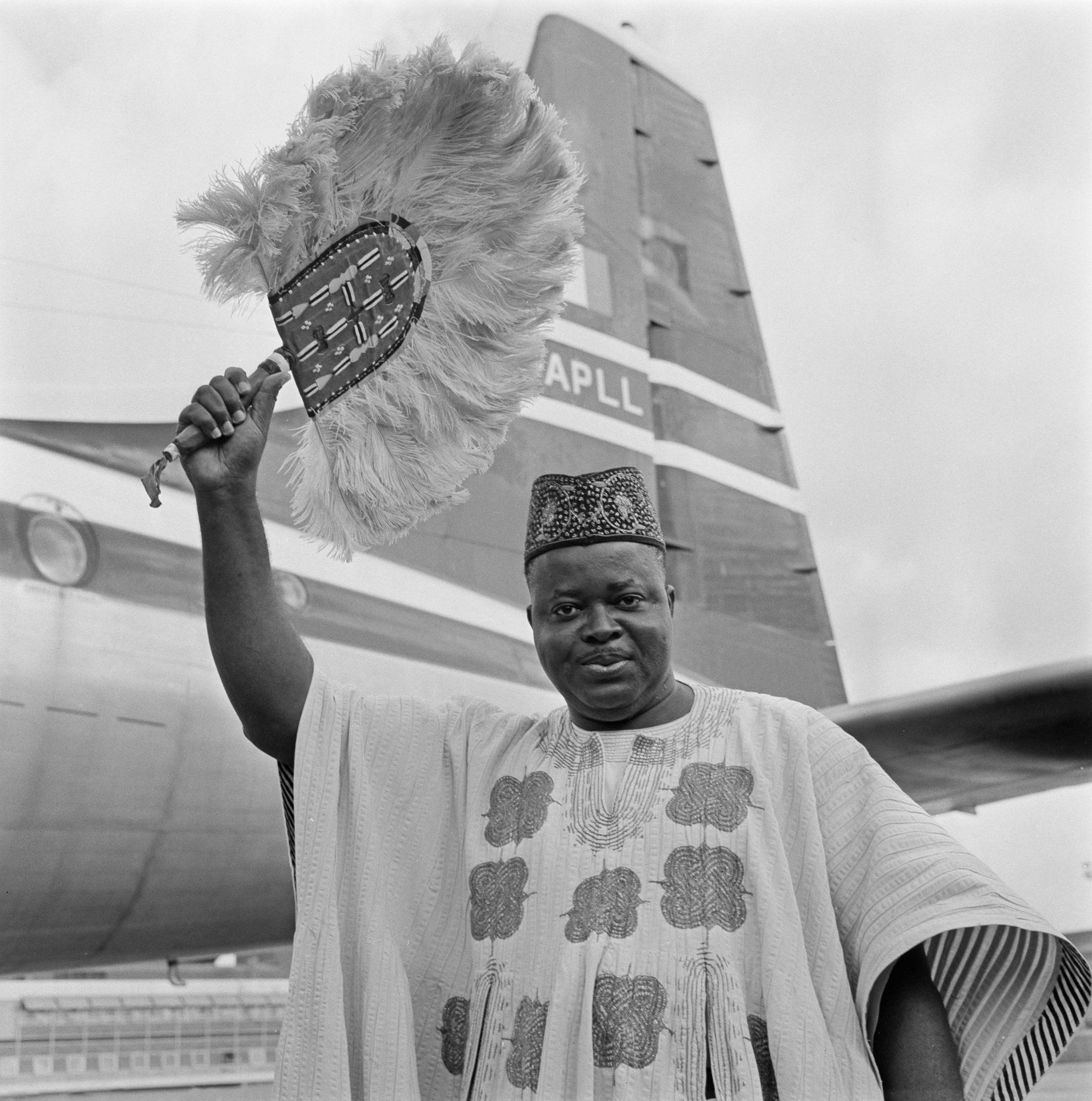
In Nigeria today, everyone talks about the age of industrialization using gas but one man had that vision way back in the 1960’s. Following the recommendation of the Eastern Nigeria Development Corporation, Dr. Micheal Okpara (the then Premier of the Eastern Region), set out to develop a unique one of a kind developmental plan for (the now defunct) Eastern region and he engaged the services of a U.S. consulting firm Arthur D. Little where they designed a plan focused on rapid industrialization based on his mantra of “Pragmatic Socialism” which was meant to deliver at least 9% gdp growth year on year , the implementation of this plan will go ahead to deliver the most outstanding results ever seen in the developing world.
The written record
Historical context
Foresight , Power Plants and Gas Pipelines;
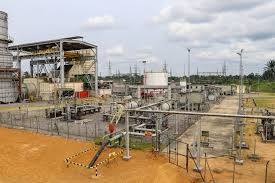
Following the presentation of the plan, Okpara and the ENDC set out to implement this, and first on their list to trigger the massive industrialization was to construct the Afam power station in Oyigbo. Delivered in record time by 1963, with an initial capacity of 56MW. This feat was not just historic in the sense of providing power for the port city of Port-harcourt, but was the first gas powered power plant in the whole country and also the back bone of one among the numerous industrial estates built by the Okpara administration.

In addition to this , the Okpara administration went ahead to deliver a gas pipeline built by Shell-BP Petroleum Development Company of Nigeria (SPDC) from Oyigbo to the Trans Amadi industrial layout which hosted Michelin Nigeria, Nigerian Breweries Limited (NBL), First Aluminium Company (Nigeria) Ltd, West African Glass Industry (WAGI), Nigerian Tobacco Company (NTC), Eastern Enamel Ware Factory among others, which were all energy intensive industries. its also important know that this pipeline was for Non-commercial use which means that the pipeline itself was built without cost to the end users ( the industries ) , but rather a form of gas utilization to minimize flaring and support domestic development. This was a reflection of the ideology of okpara’s Pragmatic socialism (Pragmatic socialism which was an ideology where the government facilitated economic development through public infrastructure and is made available to no cost to the wealth and job creators , eg cargo rails , highways for long haul trucks with no tolls). This was the driving force of the rapid industrialization of the region, starting with portharcourt.

Later on this policy on gas industrialization was extended to other places, with a network of pipeline going into aba and to Delta . The pipeline going to aba, was to supply numerous factories at the aba industrial layout which included, Nigerian Breweries Limited ( producers of Star Beer,Tango, Corolla, Tonic water and Soda water).
Impact of the Pioneer Gas Industrialization Policy;
These policies, along with many others implemented under D’Little’s plan, spurred job growth across the entire region and fast-tracked the economy, surpassing the performance of Taiwan and Singapore at the time and establishing the eastern region as the fastest-developing economy in the Third World. It is important to note that by 1966, the Eastern Region had a more diversified industrial base than it’s peers in the global south, ranging from consumer goods to intermediate products, achieving this in just 6 years overall from planning to execution. This continues to serve as a template for the Nigerian government today at different capacities to industrialize the nation and diversify the economy, but have they been able to achieve this stride of 6 years in more than 50 years after the war? It is yet to be seen.
Sources and references
- amahiasociety. (n.d.). Economic history of pre-1967 Eastern Nigeria .
- Biose, H. (2020). GAS PIPELINES IN NIGERIA: SINE QUA NON FOR ECONOMIC DEVELOPMENT. International Journal of Engineering Technologies and Management Research , 6 (4), 18–33.
- Igwe, A. U., & Okoro, K. C. (2022). Stimuli to the economic growth of Aba before 1970. Continental Journal of Arts and Humanities , 13 (1), 1–14.
- Mba, A. U., Anene, J., & Mba, C. A. (2025). Periscoping Dr. Michael Okpara’s Pragmatic Socialism in the Light of the Current Economic Development in Nigeria. International Journal of Advanced Academic Research , 11 (2), 39–48.
Cite this article
Discussion
Sign in to join the discussion
Comments are checked by an editor before they appear. Leave a source or a correction and it is read first.
Continue reading
No comments yet
Nothing has been approved on this record yet. Comments are checked by an editor before they appear, so one written now shows on this page after that check.