 Ozikoro
 Ethnohistory · Published history
Middlemen of the Oil Rivers: How the Itsekiri Dominated the Exchange Between the Hinterland and Europe
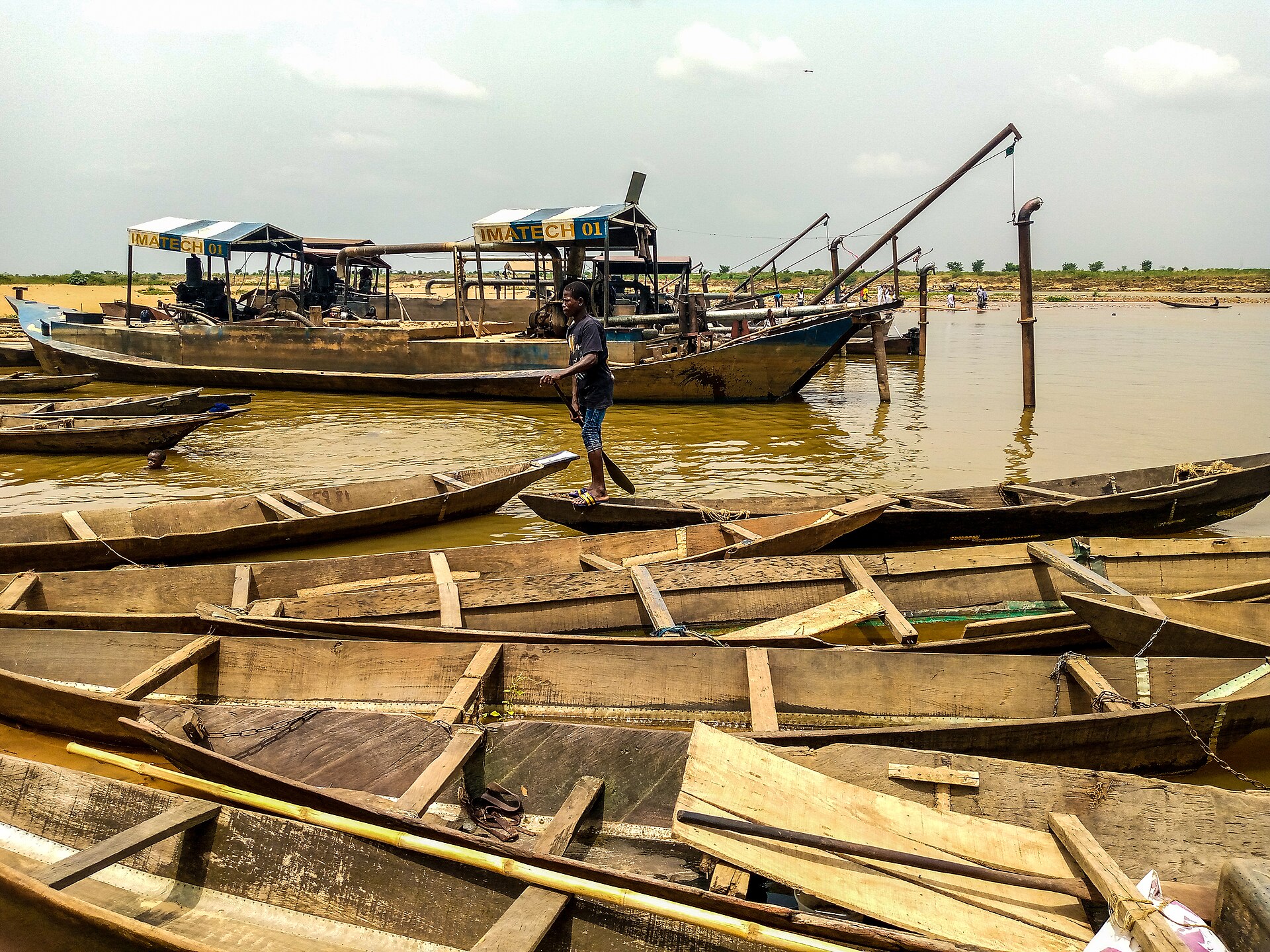
The Itsekiri people of the Western Niger Delta played an instrumental role in shaping West Africa’s early modern economy. From the 16th to the 19th century, they emerged as powerful commercial middlemen in the region historically known as the Oil Rivers, a network of deltaic waterways linking inland producers to foreign merchants along the Atlantic Coast. As stated in articles (“Itsekiri people”), their early contact with the Portuguese and later the Dutch and British positioned them as key intermediaries in the exchange of products such as palm oil, slaves (in earlier centuries), ivory, cloth, and later European manufactured goods. This article examines how the Itsekiri built, maintained, and defended their dominance in the Oil Rivers trade system, focusing on the political, economic, and maritime strategies that enabled their success.
The written record
Historical context
Historical Context of the Oil Rivers Trade
- The Rise of Coastal Commerce
From the 15th century onward, European ships frequented the Niger Delta not merely to trade directly with inland communities but to connect with established coastal intermediaries. The Itsekiri, located around Warri and the Escravos and Forcados Rivers, capitalized on this new global commercial environment. European interest grew especially after the 17th century when palm oil became a vital lubricant for the Industrial Revolution.
- Itsekiri Early Exposure to European Influence
Itsekiri contact with the Portuguese began as early as the late 15th century, resulting in Christian missions, literacy, and diplomatic exchanges. According to scholars, the Olu dynasty itself adopted some Portuguese cultural elements, which strengthened the kingdom’s ability to negotiate foreign trade.
This early exposure positioned the Itsekiri ahead of many other Delta peoples in adapting to the new economic opportunities.
Itsekiri Commercial Strategy as Middlemen
- Control of River Routes
One of the primary ways the Itsekiri maintained dominance was through their strategic control of the Escravos, Forcados, and Warri Rivers, the main waterways linking inland Uvwie, Urhobo, Isoko, and other communities to European ships.
By stationing chiefs, war-canoe houses, and patrols along these rivers, the Itsekiri ensured that all goods moving toward the coast passed through their territory. This allowed them to impose levies, regulate prices, and maintain political influence.
- Mastery of the Canoe-Warrior System
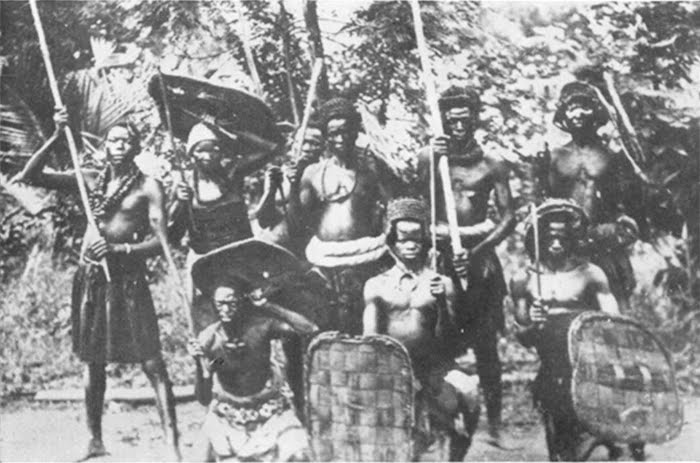
Itsekiri operated sophisticated “house” trading systems similar to those of the Ijaw. These houses owned large fleets of diplomatic and war canoes capable of navigating deep creeks and open waters.
These canoes enabled them to:
Escort European ships,
Enforce tolls,
Discipline inland suppliers who broke pricing agreements, and
Protect trading routes from rival ethnic groups. This maritime strength made Itsekiri commerce highly secure and reliable.
- Dominance Through Price Control Mechanisms
Historically, middlemen in the Oil Rivers often used pooling arrangements and coordinated price-setting networks to maintain control over profit margins. Itsekiri chiefs, especially by the 18th and 19th centuries, formed coalitions to negotiate collectively with Europeans.
Leaders like Chief Olomu, Nana Olomu, and other trading magnates played significant roles in monitoring inland supply chains and ensuring that European merchants did not bypass local intermediaries.
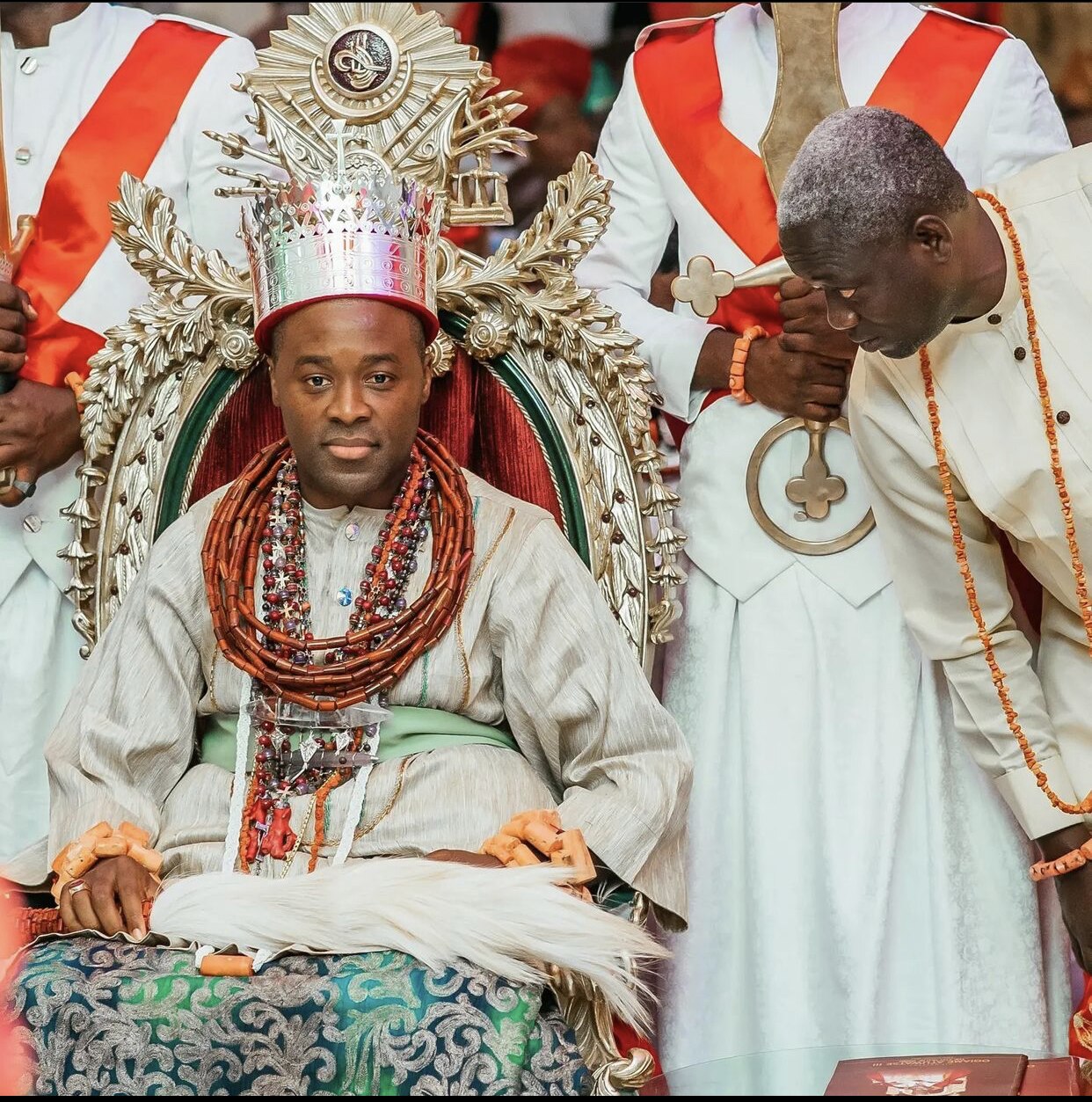
Photo credit: LordSnow242 via Wikimedia Commons
Diplomatic and Political Power
- The Role of the Olu of Warri
The monarchy acted as the unifying institution that regulated Itsekiri-European relations. The Olu provided:
Diplomatic legitimacy,
Conflict mediation,
Enforcement of trade contracts,
Blessing of trade expeditions. This central authority made the Itsekiri more cohesive than many other Delta polities.
- Alliance-Building With Inland Communities
To maintain a steady supply chain, the Itsekiri developed long-standing relationships with inland groups, including the Urhobo and Isoko. In many cases, they built kinship alliances through marriage or patron-client relationships. These ensured loyalty and kept the goods flowing to Warri.
- Managing Relations With European Companies
The Itsekiri chiefs quickly adapted to the shift from individual European traders to chartered companies, such as the Royal Niger Company in the late 19th century. They leveraged diplomacy, treaties, and negotiations to preserve their intermediary status even as Europeans attempted to penetrate inland markets directly.
Key Trading Commodities of the Oil Rivers
- Palm Oil and Kernel Trade
By the 1800s, palm oil had become the primary export of the Niger Delta. The Itsekiri dominated inland collection, storage and processing, canoe transport, final sale to European ships. Their efficiency and consistency made Warri one of the most important oil-exporting districts in the region.
- Slavery and Its Decline
Before the rise of palm oil, the Itsekiri participated in the trans-Atlantic slave trade, acting as intermediaries between inland captors and European buyers. Although morally problematic, this role significantly increased their wealth and influence.
The abolition of the slave trade in the early 19th century did not diminish their importance; instead, they seamlessly shifted into palm oil commerce.
- European Manufactured Goods
The Itsekiri imported and redistributed items such as cloth, alcohol, tobacco, iron bars and firearms. Their ability to determine which goods reached inland societies enhanced their political leverage.
Conflict, Competition, and Defense of Monopoly
- Rivalries With Other Delta Polities
The Itsekiri often clashed with the Ijaw, Urhobo, and later Nembe traders over pricing and access to European ships. Many conflicts centered on attempts to break the Itsekiri monopoly.
Examples include canoe skirmishes, trade embargoes, territorial disputes, large-scale battles involving war canoes and musketeers.
- The British Challenge to Itsekiri Dominance
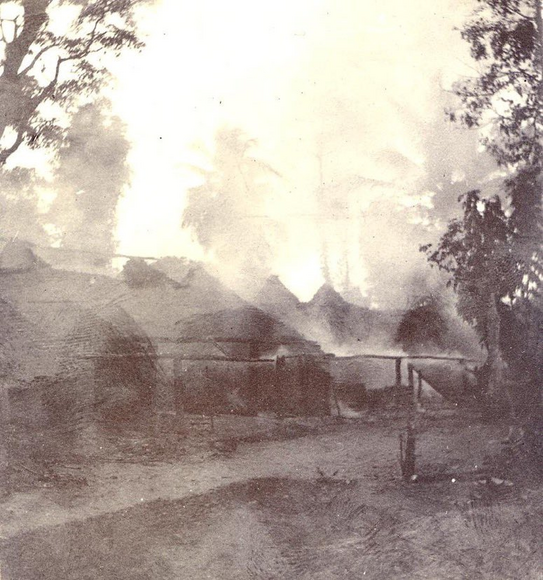
By the late 19th century, Britain attempted to “open” the Oil Rivers to direct trade. Chiefs like Nana Olomu resisted, enforcing traditional middleman rights by blockading inland trade and refusing to sell palm oil at British-imposed prices. The conflict culminated in the 1894 Ebrohimi War, when the British destroyed Nana’s stronghold to break the Itsekiri monopoly.
- Decline of Middleman Power
With colonial rule and steam-powered riverboats, Europeans penetrated inland markets directly. Although the Itsekiri lost their monopoly, their historical impact remained significant.
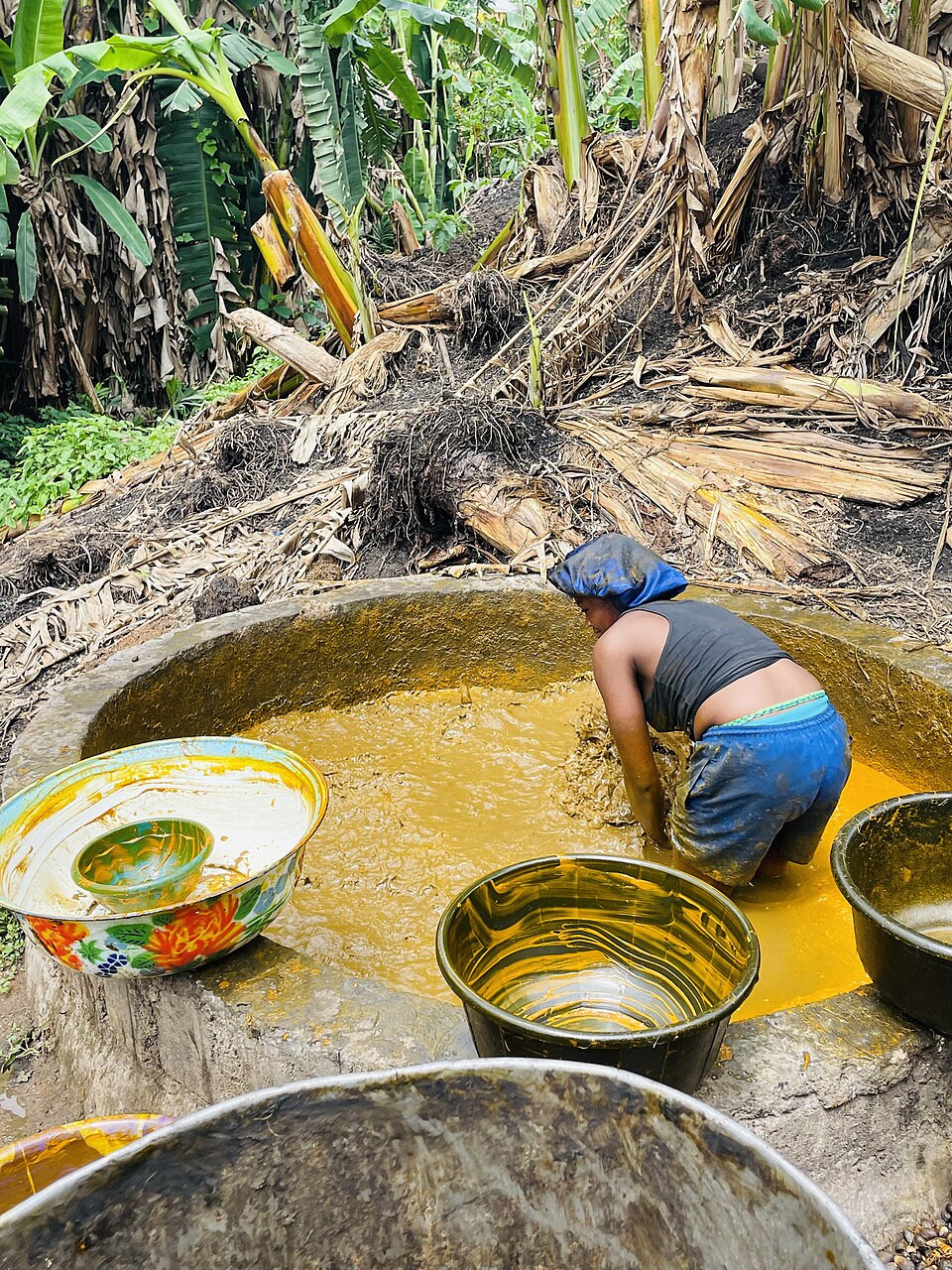
Photo credit:Abisoye81 Wikimedia Commons
Legacy of Itsekiri Middleman Trade
- Cultural Transformation
Participation in international trade brought early literacy, christianity, western education, cosmopolitanism. This gave the Itsekiri a cultural edge in the Niger Delta that persists today.
- Political Evolution
Trade wealth strengthened the Itsekiri monarchy and created powerful merchant-chiefs whose influence shaped colonial and post-colonial politics.
- Contribution to Regional Development
Warri evolved into a major commercial and administrative center, attracting migrants and becoming one of the most cosmopolitan regions in Nigeria.
For nearly four centuries, the Itsekiri were among the most powerful middlemen in the Oil Rivers region. Their strategic geographic position, maritime expertise, strong monarchy, diplomatic skill, and mastery of inland trade networks enabled them to dominate commercial exchange between the hinterland and Europe. Though their monopoly was eventually broken by colonial intervention, the Itsekiri legacy in shaping the regional economy and politics of the Niger Delta remains undeniable.
Sources and references
- Ekeh, P. P. (2008). Studies in Itsekiri History and Culture. Urhobo Historical Society.
- Falola, T. (2020). Culture and Customs of Nigeria. Greenwood Press.
- Horton, R. (1995). Patterns of Thought in Africa and the West. Cambridge University Press.
- Lloyd, P. C. (1957). The Itsekiri and the Edo -speaking peoples. International African Institute.
- Talbot, P. A. (1926). The Peoples of Southern Nigeria. Oxford University Press.
Cite this article
Discussion
Sign in to join the discussion
Comments are checked by an editor before they appear. Leave a source or a correction and it is read first.
Continue reading
Related histories
 EthnohistoryGbam, Chai, Ewo: How Igbo Expressions Became the Language of Nigerian Pop CultureRead history →
 EthnohistoryAro Merchant Network: Historical Trade Integration in the Cross-Niger RegionRead history →
 EthnohistoryTransition to Commodities in the aro confederacy(e.g., Palm Oil, Ivory, Cloth)Read history →
No comments yet
Nothing has been approved on this record yet. Comments are checked by an editor before they appear, so one written now shows on this page after that check.