 Ozikoro
 Biography · Published history
Mike Okiri: The Pioneer of Pidgin in Music

The history of modern West African music cannot be discussed without acknowledging the profound influence of Nigerian Pidgin English. While many artists have used Pidgin in popular songs, one name stands out as a foundational figure. Mike Okiri, often regarded as the pioneer who first elevated Pidgin English from casual street expression to a structured musical art form. His contribution shaped the linguistic identity of contemporary Nigerian music, influencing generations of artists who continue to integrate Pidgin as a marker of authenticity, cultural pride, and popular appeal.
The written record
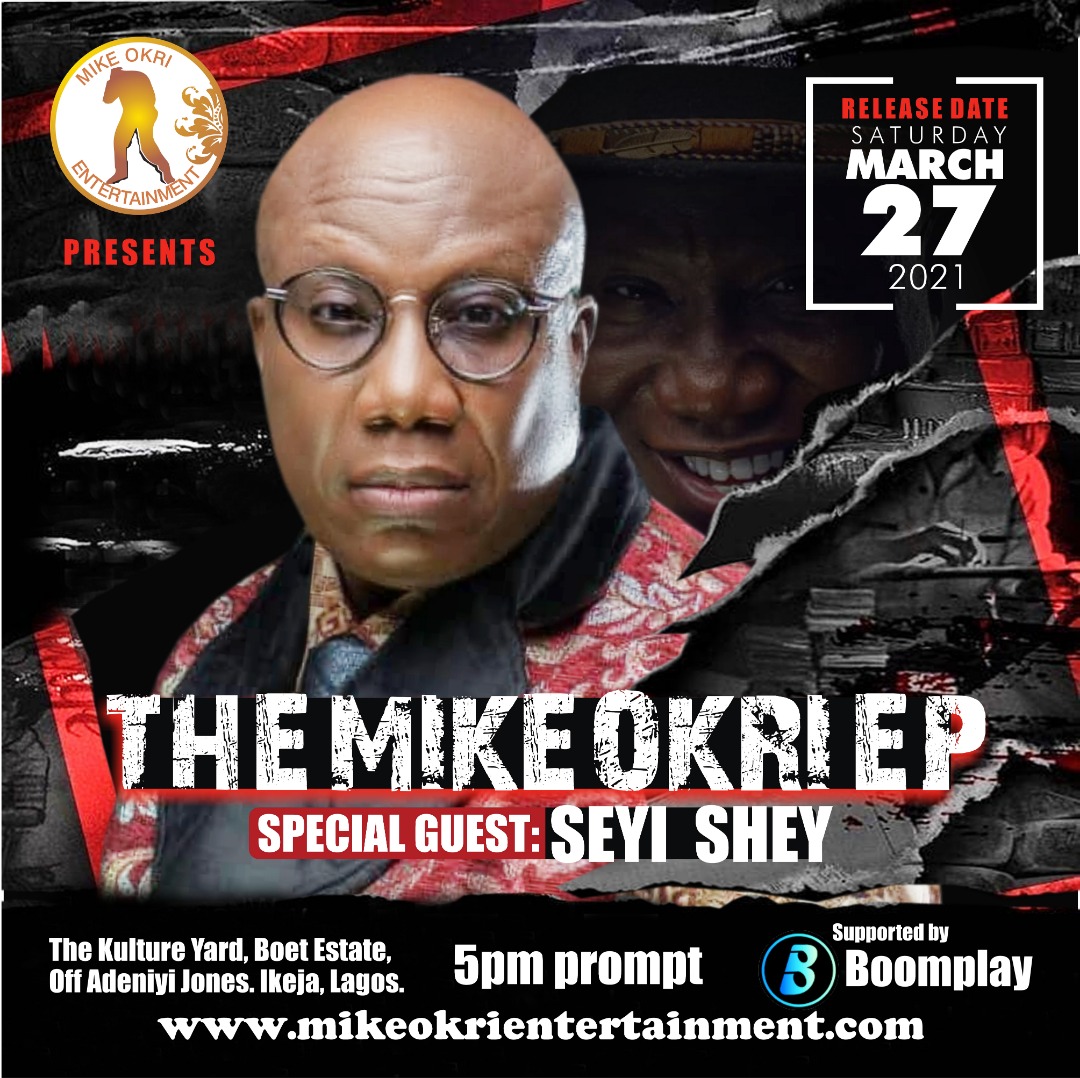
Historical context
Early Life and Cultural Background
Mike Okiri emerged from a culturally vibrant environment where indigenous languages, oral traditions, and evolving musical forms interacted. Growing up in a Nigeria marked by rapid urbanization, he was exposed early to the linguistic diversity that characterized major cities such as Lagos, Warri, Onitsha, and Port Harcourt. These areas were melting pots where Pidgin English served as a unifying bridge among ethnic groups. The young Okiri observed how Pidgin facilitated communication, storytelling, humor, and critique of social issues. This multilingual environment would later inspire his creative experimentation with sound and language.
Nigeria’s Linguistic Landscape and the Rise of Pidgin
Before the emergence of Pidgin music as a commercial genre, Pidgin English functioned mainly as a conversational tool for trade, street life, and interpersonal communication. It carried cultural meanings, emotional tone, and a sense of grassroots identity. Scholars argue that Pidgin’s strength lies in its accessibility and flexibility, making it a natural vehicle for artistic expression. However, for decades, mainstream musicians largely preferred English or indigenous languages, leaving Pidgin underutilized as a serious medium for musical composition.
Mike Okiri recognized the expressive potential of Pidgin long before it became fashionable. He understood its rhythm, humor, and narrative capability, and he believed that music crafted in Pidgin could resonate with everyday Nigerians irrespective of class or ethnicity.
Musical Career and Innovation
Mike Okiri’s musical journey began in local bands where he experimented with linguistic creativity. He became widely known for his decision to use Pidgin as the primary language in his compositions, a bold move at a time when many artists viewed Pidgin as too informal or “unrefined” for recordings. His early songs featured catchy phrases, streetwise expressions, and storytelling styles that mirrored the experiences of ordinary Nigerians.
One of Okiri’s key innovations was the intentional structuring of Pidgin to fit diverse musical styles such as highlife, Afrobeat, and funk. He demonstrated that Pidgin could be melodic, poetic, and rhythmically complex. Through this, he helped establish Pidgin as a serious creative tool, proving its suitability for both upbeat dance music and reflective social commentary.
His pioneering work provided a template that later inspired internationally famous artists like Fela Kuti, Majek Fashek, Daddy Showkey, Fada U-Turn, and contemporary stars who incorporated Pidgin into Afrobeats and hip-hop.
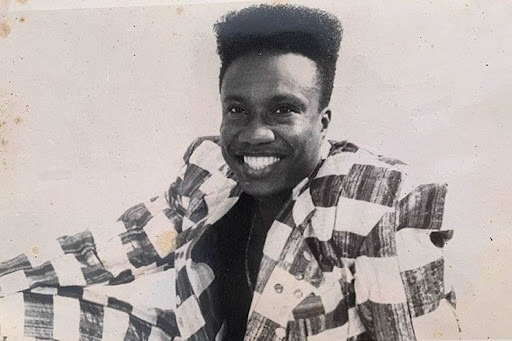
Influence on Nigerian Popular Culture
Mike Okiri’s influence extended far beyond music. By popularizing Pidgin in songs, he contributed significantly to its acceptance in media, entertainment, and comedy. Radio stations, MCs, and television presenters increasingly adopted Pidgin to connect with wider audiences. Linguistically, his work helped standardize certain phrases and expressions, some of which became cultural catchphrases repeated across communities.
More importantly, Okiri’s music reinforced the idea that cultural authenticity is a strength rather than a limitation. He demonstrated that one could achieve artistic success without abandoning local linguistic identity. In this sense, his work aligned with the broader Pan-African movement that encouraged Africans to embrace indigenous languages and cultural practices.
Contribution to Social Commentary
Pidgin music is not only entertaining; it is also a tool for social reflection. Mike Okiri used his songs to address everyday struggles such as economic hardship, corruption, inequality, and the resilience of ordinary Nigerians. Because Pidgin is widely understood, the messages in his music reached both literate and non-literate listeners. His songs often used humor, satire, and moral lessons, making them relatable across social classes.
Researchers note that popular musicians who use Pidgin effectively help democratize information and public discourse. Okiri can be considered among the earliest musicians to harness this potential deliberately, positioning music as a medium for collective awareness.
Mike Okiri’s legacy is visible in today’s global Afrobeats movement. Contemporary artists, whether Burna Boy, Wizkid, Davido, or Timaya, frequently use Pidgin to appeal to both local and international audiences. What was once considered “street language” has become a linguistic export, celebrated worldwide.
His pioneering work helped erase the stigma associated with Pidgin, proving that meaningful, impactful, and commercially successful music can be crafted in the language. The fact that Pidgin songs dominate Nigerian playlists today demonstrates the success of his early vision.
In academic circles, Okiri is increasingly recognized for his role in expanding the linguistic boundaries of African music. Scholars argue that his influence helped decolonize Nigerian music by reducing dependence on European linguistic structures (Adegbija, 1994). This cultural liberation through language continues to shape the creative identity of Nigerian artists.
Mike Okiri’s contributions to Nigerian music mark him as a foundational figure in the evolution of Pidgin as a respected musical language. Through his bold experimentation, linguistic creativity, and cultural sensitivity, he transformed Pidgin from an informal mode of communication into a vehicle for musical innovation and social commentary. His legacy lives on in the vibrant sounds of contemporary Nigerian music and in the growing global recognition of Pidgin as an expressive, dynamic, and culturally rich linguistic form. As Afrobeats and other African genres continue to gain global prominence, the pioneering role of Mike Okiri remains vital to understanding the linguistic and cultural evolution of modern West African music.
Sources and references
- Adegbija, E. (1994). Language attitudes in Sub-Saharan Africa. Multilingual Matters.
- Agheyisi, R. (1984). Language attitudes in Nigeria: A sociolinguistic survey of attitudes to Nigerian Pidgin English. University of Illinois Press.
- Igboanusi, H. (2008). Empowering Nigerian Pidgin: A challenge for status planning? World Englishes, 27(1), 68–82.
Cite this article
Discussion
Sign in to join the discussion
Comments are checked by an editor before they appear. Leave a source or a correction and it is read first.
Continue reading
No comments yet
Nothing has been approved on this record yet. Comments are checked by an editor before they appear, so one written now shows on this page after that check.