Ogbunike is a historic town located in the Oyi Local Government Area of Anambra State, Nigeria. The town is renowned for its rich cultural heritage, traditional leadership, and vibrant markets. It is home to the Plastic Products Dealers Society International Market, Ogbunike, one of the notable trading centres in the region. Over the years, Ogbunike has grown into an important suburban community serving the commercial city of Onitsha.
The written record
Credit: Ou Travel and Tour
Historical context
Location
Ogbunike is situated approximately 15 kilometres east of Onitsha, along the Onitsha–Enugu Expressway, which runs across its northern boundary. The town shares borders with several other communities: Umudioka in Dunukofia Local Government Area to the east, Umunya to the northeast, and Nkwelle–Ezunaka to the north, all within Oyi Local Government Area. To the west and south, it is bordered by Ogidi in Idemili North Local Government Area.
The area enjoys a fertile landscape, ample rainfall, and favourable weather for agriculture. Many residents engage in farming, growing various biannual crops that sustain both local consumption and trade.
Origin and Ancestry
The people of Ogbunike trace their ancestry to Iguedo, the daughter of Eri, a legendary ancestor believed to have arrived by canoe along the River Anambra. Eri established his settlement at Eri-Aka in Aguleri and had two wives.
From his first wife came four sons and a daughter, Agulu, the founder of Aguleri; Nri Ifiakuanim; Nri Onugu, the founder of Igbariam; and Ogbodudu, the founder of Amanuke. His daughter, Iguedo, gave birth to the founders of Ogbunike, Awkuzu, Nando, and Umueri, collectively known as the Umu-Iguedo clan.
Eri’s second wife, Oboli, gave birth to Onoja, who later left Anambra to become the founder of the Igala Kingdom.
The Ogbunike people have a rich spiritual and cultural heritage. They consider tortoises as sacred and, due to their alliance and intermarriage with Ogidi, they also revere pythons, which are never harmed in either community.
Credit:https:visaliv.com
Administrative Divisions
Ogbunike, like other towns of Eri-Aka origin in Igboland, is divided into three main sections: Ezi, Ifite, and Ikenga. Each of these sections comprises several villages.
Ezi includes the village of Amawa.
Ifite retains its own village name and has sub-sections such as Ndi-agu Ifite and Ifite-Quarters.
Ikenga is made up of Ukalor, Osile, Umueri, and Azu, with further divisions like Ndi–aguOsile and Ndi-uno Osile.
These divisions maintain their own community leadership and participate in town-wide decisions under the authority of the traditional ruler.
Traditional Leadership
In 1976, John Ositadimma Umenyiora, a successful businessman and son of a Protestant pastor, became the first Igwe (king) of Ogbunike, assuming the royal title Eze-di-ora-mma I.
Igwe Umenyiora played a major role in transforming Ogbunike. He developed market stalls at Oye Olisa, which later became the town’s central market. He also unified various markets, including Eke-Olisa(Ukalor) and Oye Ukalor, to promote economic growth and unity. In addition, he built a modern town hall, serving as a hub for civic meetings and cultural events.
The Igwe governs alongside a council of elders known as the Ndichie, who assist in representing the town’s interests to the government. The royal position is for life but not hereditary. When a new Igwe is needed, he is chosen by popular consensus. During the Igwe’s absence or emergencies, a chief known as Aka Eze Igwe assumes leadership duties.
Tourism and Cultural Significance
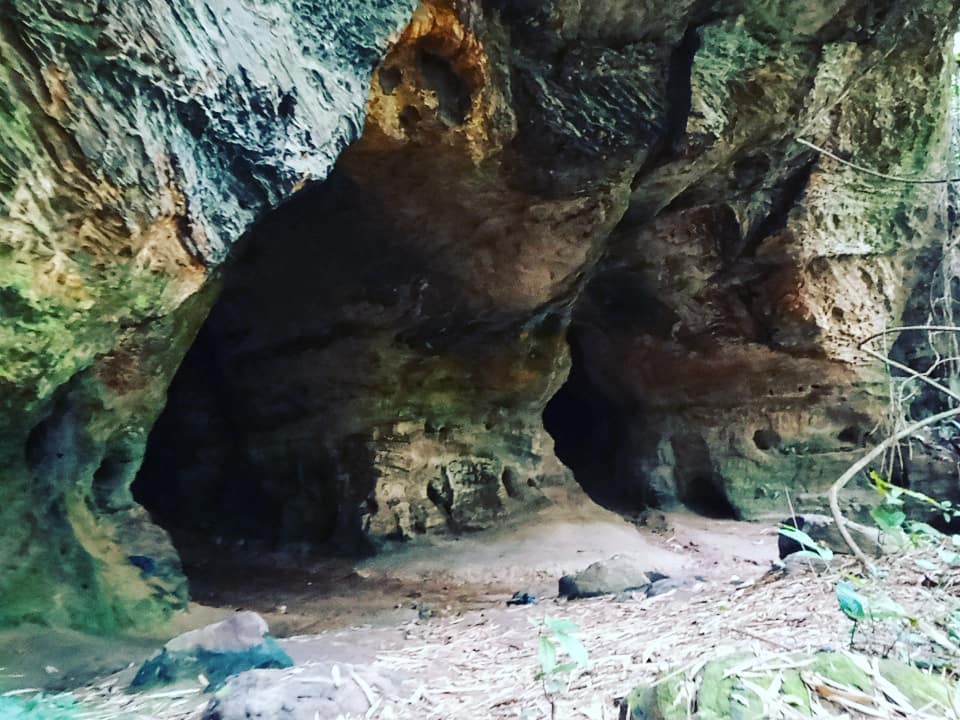
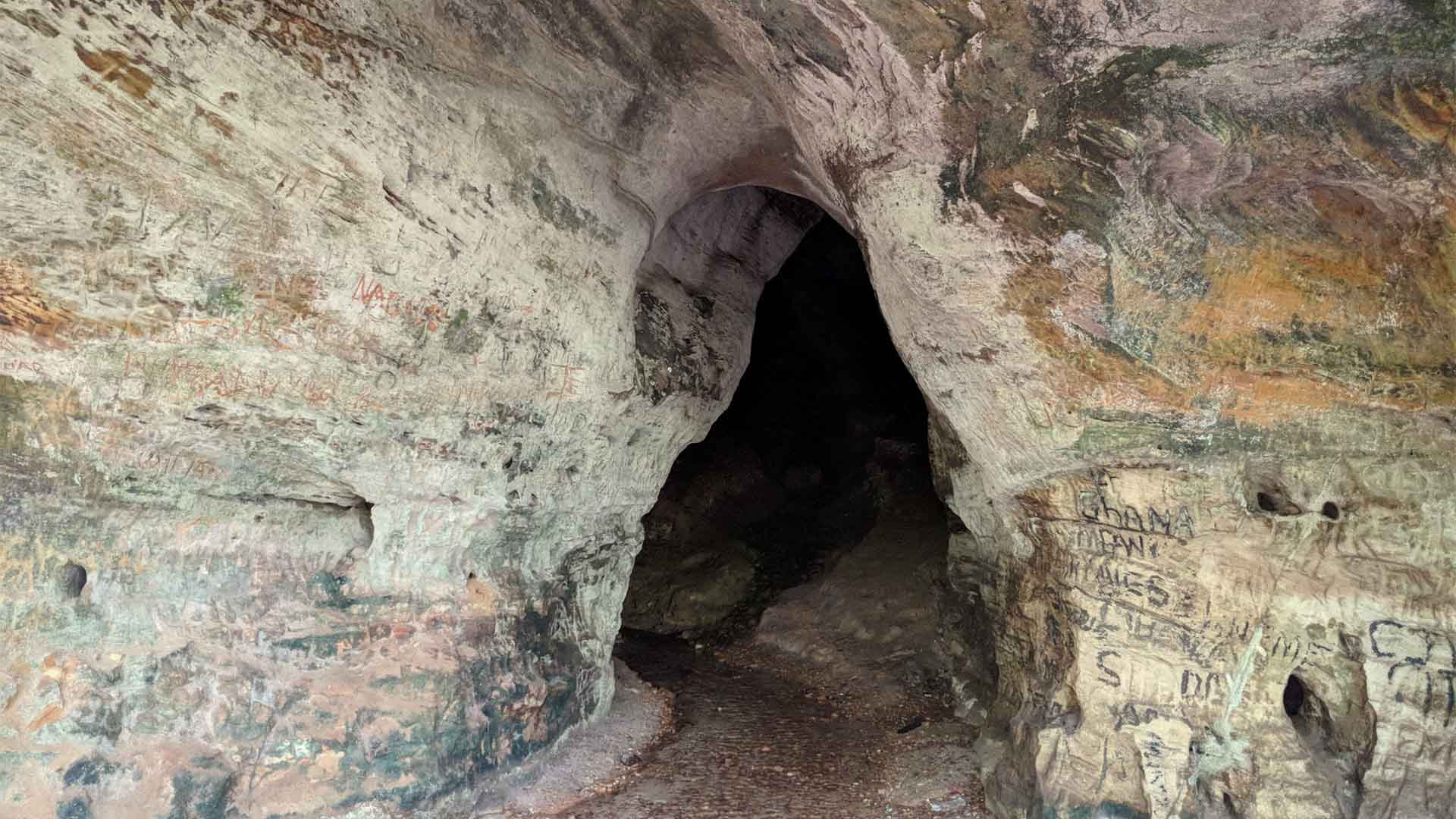
Ogbunike is home to one of Nigeria’s most fascinating natural wonders, the Ogbunike Caves. The caves are located at the edge of the town’s ancient boundary and serve as both a spiritual and tourist attraction.
According to local legend, a powerful deity named Ogba was said to reside within a massive rock in the cave. Ogba was believed to possess an all-seeing spirit capable of detecting crime, especially theft. In ancient times, accused individuals would enter the cave to prove their innocence, and those who were guilty, it was said, never returned.
Cultural customs once restricted menstruating women from entering the caves, as they were considered ritually impure at that time. Today, the Ogbunike Caves attract both pilgrims and tourists from around Nigeria and beyond, serving as a reminder of the town’s deep connection to tradition and spirituality.
Ogbunike remains one of the most historically and culturally significant towns in Anambra State. With its strong ancestral roots, organised leadership, and renowned tourist attractions, it continues to bridge the gap between the past and the present. The community’s unity, respect for tradition, and embrace of progress reflect the enduring spirit of the Umu-Iguedo clan and the legacy of Eri, the town’s ancestral founder.
Sources and references
Catholic Diocese of Onitsha. (2015, May 1). Episcopal ordination of Bishop Denis Chidi Isizoh.
Catholic Diocese of Onitsha. (2015, July 4). Priestly ordination of Fr. Charles Izuakor.
Catholic Diocese of Onitsha. (n.d.). St Vincent’s Church, Ogbunike
Cite this article
Kenechukwu Umeghalu. “Ogbunike: A Historical and Cultural Town in Anambra State.” Ozikoro, 2026. https://ozikoro.com/ogbunike-a-historical-and-cultural-town-in-anambra-state/
Discussion
Sign in to join the discussion
Comments are checked by an editor before they appear. Leave a source or a correction and it is read first.
Nothing has been approved on this record yet. Comments are checked by an editor before they appear, so one written now shows on this page after that check.
 Ozikoro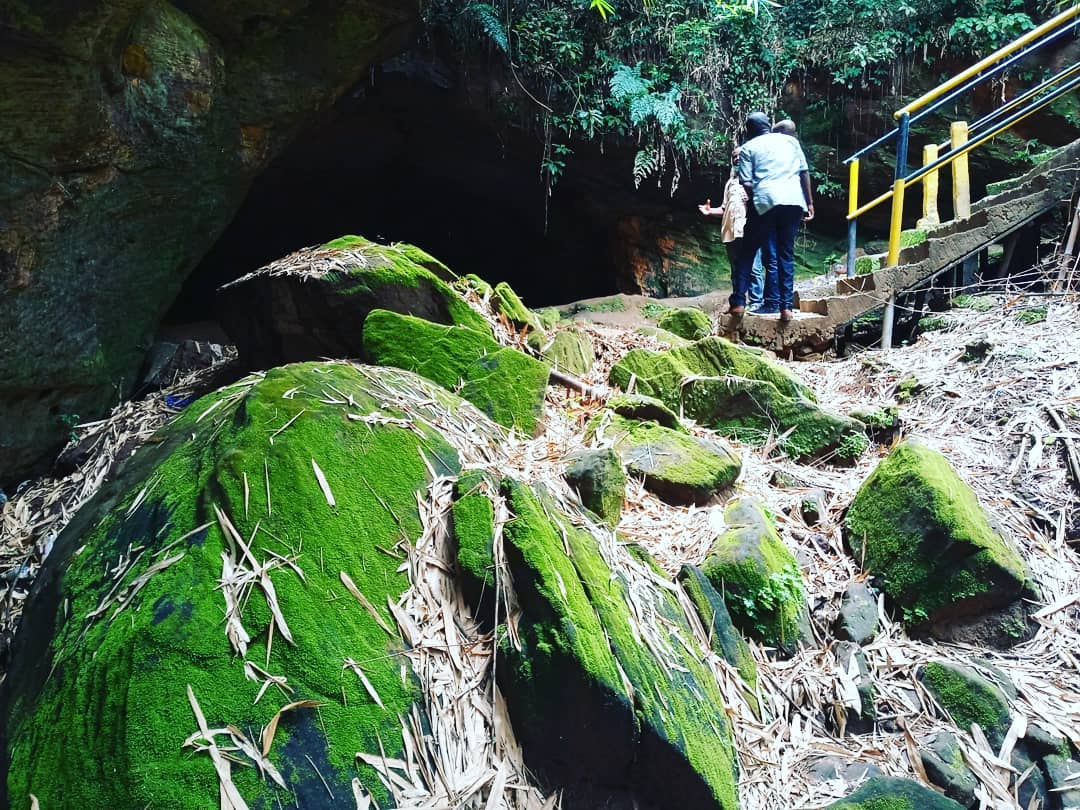
 Cultural HeritageEleven Days of Nwafor Ogidi: Inside the Festival Keeping an Old Igbo Tradition AliveRead history →
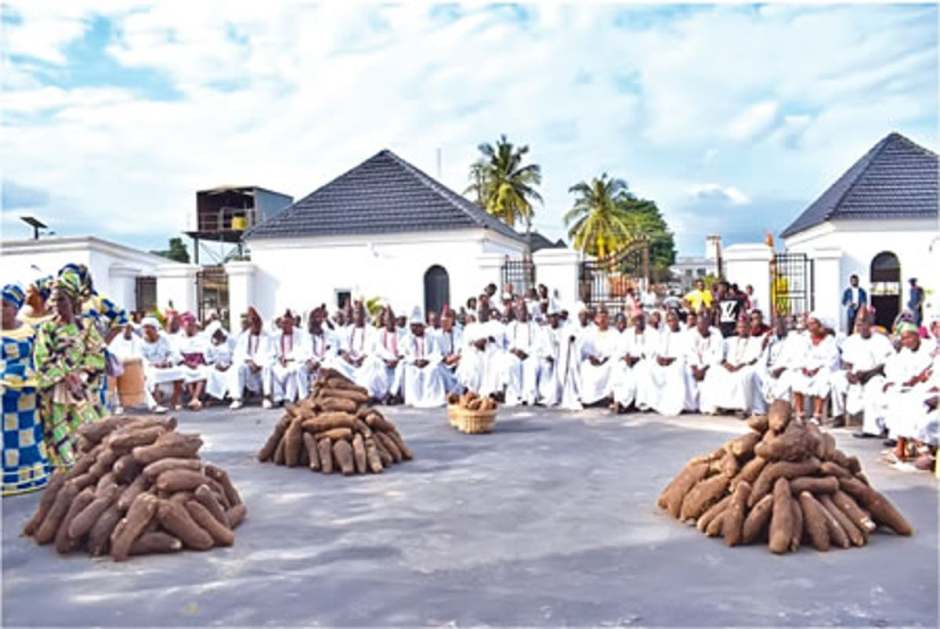 Cultural HeritageIli Ji Nkpor Obododike: The Indigenous Agricultural Ritual CycleRead history →
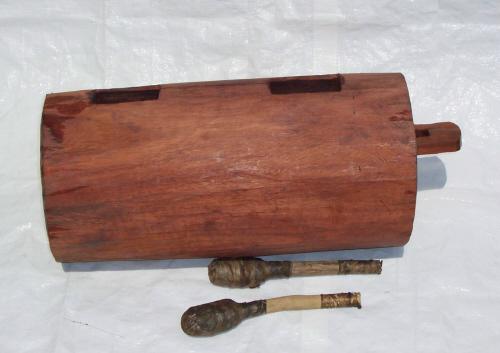 Cultural HeritageMusic and Drum Traditions: Tracing the “Igbo Drum” in the AmericasRead history →
No comments yet
Nothing has been approved on this record yet. Comments are checked by an editor before they appear, so one written now shows on this page after that check.