 Ozikoro
 Cultural Heritage · Published history
Ngene: The Guardian Spirit of Igbo Families
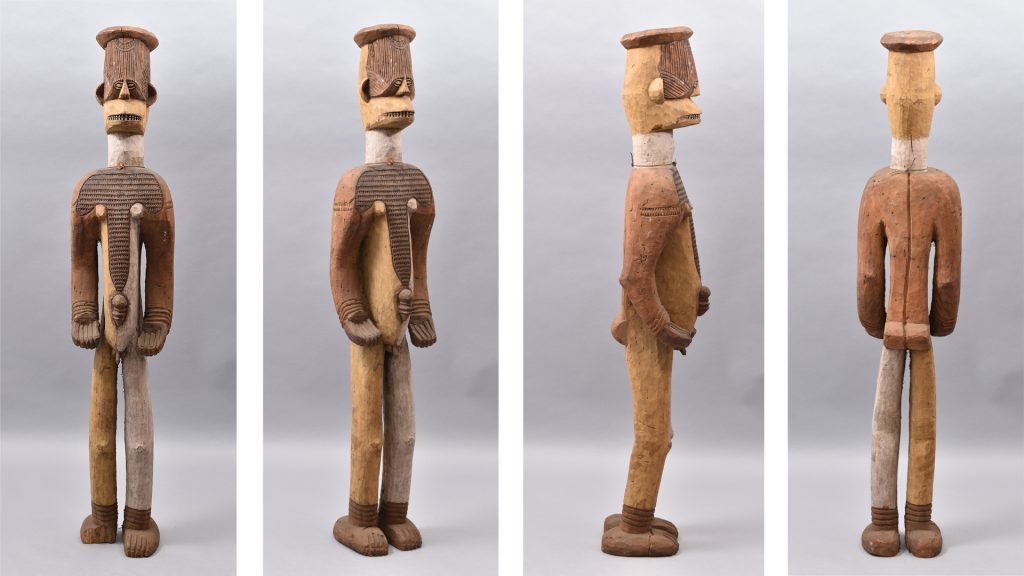
In Igbo culture, spirituality is deeply woven into daily life, and one of the most revered spiritual entities is Ngene, a powerful ancestral spirit known for its protective role in families and communities. Ngene represents a sacred connection between the living, their ancestors, and the natural world, displaying the Igbo belief in harmony with the universe. This article explores the significance of Ngene, its types, roles, and cultural importance in Igbo society while addressing modern challenges and the need to preserve this tradition.
The written record
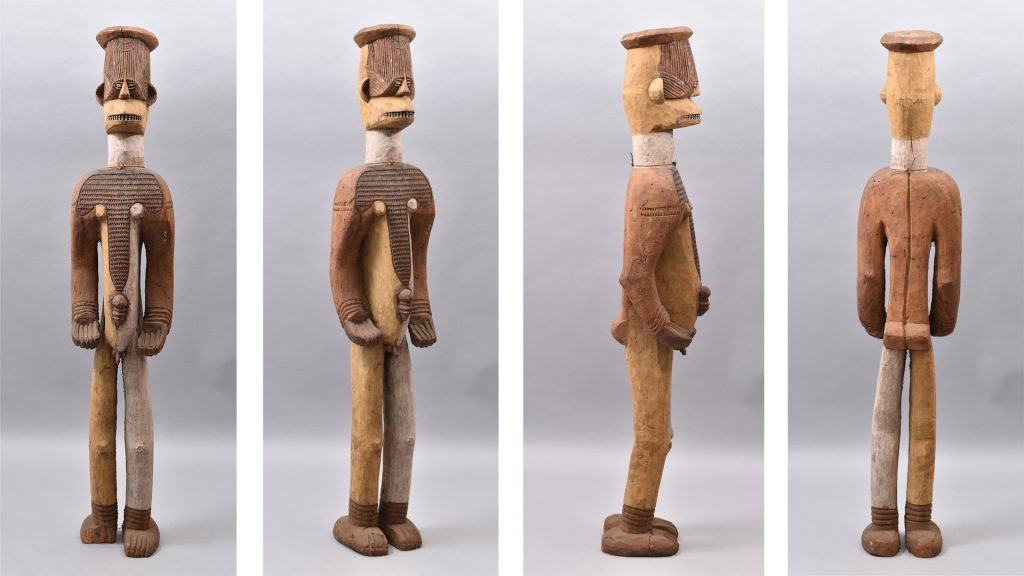
Photo: Re-entanglements
Historical context
Understanding Ngene in Igbo Spirituality
Ngene is an ancestral spirit venerated in Igbo communities as a protector and guardian of families. Unlike deities (alụsị), Ngene is not considered a god but a spiritual force tied to the ancestors, tasked with safeguarding the lineage. Every Igbo family typically dedicates a sacred space, known as okwu mmụọ (spirit altar), for Ngene within their compound. This altar serves as a place of communion where offerings, prayers, and sacrifices are made to maintain a bond with Ngene and ensure its protection.
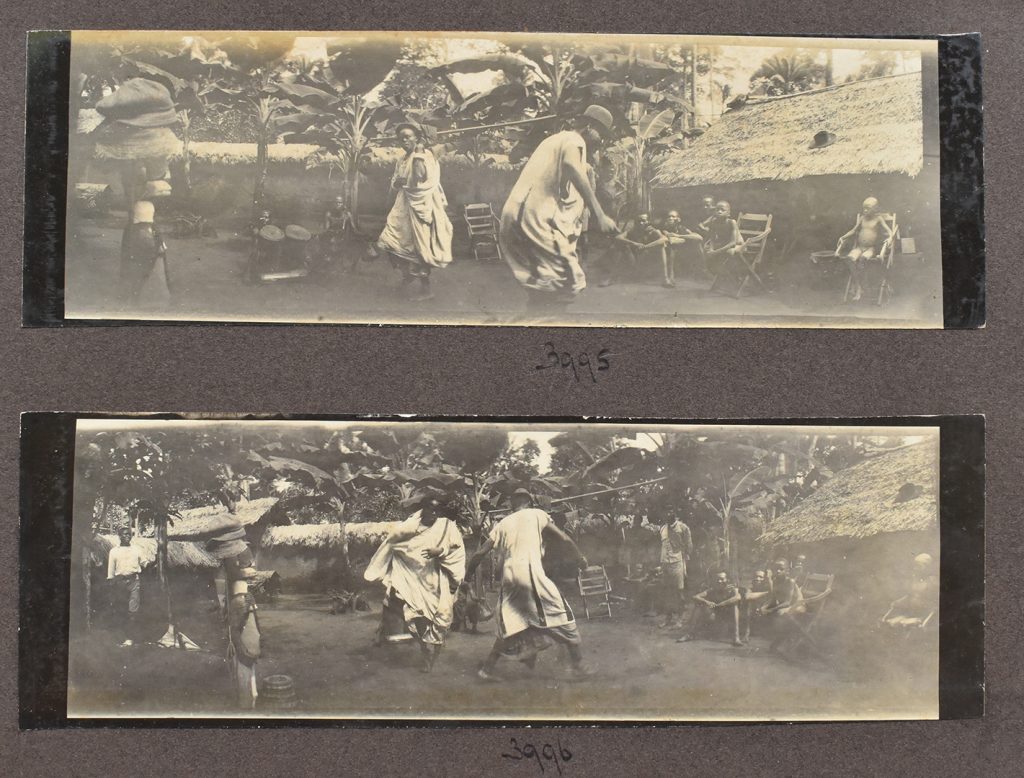
The Igbo worldview sees humans as part of a larger spiritual ecosystem, where ancestors, spirits, and nature work together. Before the influence of organised religions like Christianity, Igbo people revered nature as a divine creation, and Ngene was a key figure in this spiritual alignment. Families relied on Ngene to intervene in times of crisis, resolve disputes, and protect against physical and spiritual threats. The spirit’s presence reflects the Igbo philosophy of Ọdịnana, which emphasises living in harmony with the spiritual and physical worlds.
Types of Ngene
Ngene manifests in two primary forms: Ngene Mmili and Ngene Ndị Ichie. Each serves distinct yet overlapping roles in protecting families and upholding justice.

Ngene Mmili: The Water Spirit
Ngene Mmili (literally “Ngene of the water”) is associated with rivers, streams, and other water bodies. This spirit is particularly significant for communities living near water or those involved in water-related activities, such as fishing or trading. In Igbo cosmology, water is a source of life and spiritual power, and Ngene Mmili is believed to govern these domains.
For example, mariners and water priests or priestesses (ndị owu mmili) rely on Ngene Mmili for protection and guidance. In cases of spiritual conflicts, such as disputes involving a “marine husband” (a spiritual entity believed to form a bond with a human), Ngene Mmili must be consulted and appeased through rituals. Failure to honour this spirit can lead to unsuccessful spiritual interventions or disruptions in the family’s harmony.
In some Igbo communities, such as those in Anambra and Delta States, rivers like the Idemmili or Niger are believed to be inhabited by Ngene Mmili. These water bodies are sacred, and offerings like palm wine, kola nuts, or livestock are made to maintain a good relationship with the spirit. Women, however, are generally forbidden from consuming offerings dedicated to Ngene Mmili, as it is believed this could disrupt their menstruation or fertility, reflecting the spirit’s potent spiritual influence.
Ngene Ndị Ichie: The Ancestral Spirit
Ngene Ndị Ichie (Ngene of the ancestors) is the spirit that protects the family lineage and fights for justice on behalf of its members. This form of Ngene is invoked when families face external threats, such as disputes over inheritance or property. For instance, if a widow is unfairly treated by her late husband’s relatives, her family may call upon Ngene Ndị Ichie to intervene.
The process involves a ritual where a family member, typically a male elder like a father or uncle, presents the issue at the okwu mmụọ with offerings such as oji (kola nut) and palm wine. The spirit is believed to act swiftly, confronting the offenders—sometimes through spiritual means, such as causing misfortune, illness, or business failure—until justice is restored. This reflects the Igbo belief in the ancestors’ active role in the lives of the living, ensuring fairness and protecting their descendants.
The Role of Ngene in Igbo Society
Ngene’s significance extends beyond individual families to the broader community. Its roles include:
1. Protection and Justice
Ngene serves as a spiritual enforcer, protecting families from physical and spiritual harm. In cases of injustice, such as land disputes or maltreatment of vulnerable family members, Ngene is invoked to restore balance. For example, in communities like Nnewi or Onitsha, families rely on Ngene to resolve conflicts that human efforts cannot settle. The spirit’s intervention is seen as final and binding, reinforcing its authority in Igbo society.
2. Spiritual Alignment
Ngene connects the living with their ancestors, ensuring spiritual harmony. Families maintain regular communication with Ngene through offerings and prayers, especially during festivals like Ọnwa Asaa (a traditional Igbo festival) or family gatherings. These rituals strengthen the bond between the physical and spiritual realms, aligning the family with the will of the ancestors.
3. Cultural Preservation
Ngene is a symbol of Igbo Ọdịnana, embodying values like respect for ancestors, community unity, and reverence for nature. The rituals associated with Ngene, such as breaking kola nuts or pouring libations, are integral to Igbo identity. In towns like Awka or Oguta, Ngene altars are central to family compounds, serving as reminders of cultural heritage.
4. Support for Spiritual Practitioners
For ndị dibịa (traditional priests or healers), Ngene provides spiritual energy and protection. Those chosen to serve as spiritual leaders must align with Ngene Mmili or Ngene Ndị Ichie to gain insight, ward off spiritual attacks, and perform their duties effectively. This alignment is often achieved through initiation rituals, which involve offerings and prayers at the Ngene altar.
Ngene in Modern Igbo Society
The influence of Ngene remains strong in many Igbo communities, but modernisation and Christianity have posed challenges. Some Igbo people, particularly younger generations, view Ngene worship as outdated or incompatible with Christian beliefs. Churches often label traditional practices as “pagan,” discouraging participation in rituals involving Ngene. This has led to a decline in the maintenance of okwu mmụọ in some families, especially in urban areas.
![Left: Close-up of the Ngene spirit figure showing ichi marks on the forehead and paint in white, yellow, and reddish-brown colors.Right: Researchers from the \[Re:]Entanglements project, George Agbo and Paul Basu, looking at the Ngene figure at the Museum of Archaeology and Anthropology. (Photo by Katrina Dring)](/media/ozikoro/6995-Ngene_alusi_figure_Awgbu_MAA_stores_re-entanglements.net_-1024x576-2.jpg)
Right: George Agbo and Paul Basu (Both Researchers) looking at the Ngene figure at the Museum of Archaeology and Anthropology. (Photo: Katrina Dring)
Another challenge is the misconception that Ngene is an alụsị (deity). While some communities may elevate Ngene to this status, it is primarily an ancestral spirit, distinct from deities like Amadioha or Idemmili. Clarifying this distinction is crucial for preserving the authenticity of Igbo spiritual practices.
Consequences of Neglecting Ngene
In Igbo belief, failing to honour Ngene can lead to spiritual and physical consequences. Families that neglect their okwu mmụọ or fail to offer sacrifices may experience misfortunes, such as illness, financial struggles, or family disputes. For instance, a woman who eats offerings meant for Ngene Mmili may face health issues, as the spirit’s power is believed to be too strong for her to handle. Similarly, ignoring Ngene Ndị Ichie in matters of justice can result in prolonged conflicts or spiritual unrest.
To avoid these consequences, families consult ndị dibịa to perform appeasement rituals, which may involve offerings of livestock, palm wine, or kola nuts. These rituals restore harmony and ensure Ngene’s continued protection.
Preserving Ngene’s Legacy
To keep Ngene’s role alive, Igbo communities must educate younger generations about its importance. Cultural institutions, such as the Ohanaeze Ndigbo, can promote awareness through workshops, festivals, and publications. Families should also maintain their okwu mmụọ and involve children in rituals to pass down the tradition.
Modern technology, such as social media and online platforms, can be used to share stories and practices related to Ngene. Groups like Umu Igbo Unite have successfully used digital platforms to engage young Igbo people in cultural preservation efforts. By blending tradition with modernity, Ngene’s legacy can remain relevant in a changing world.
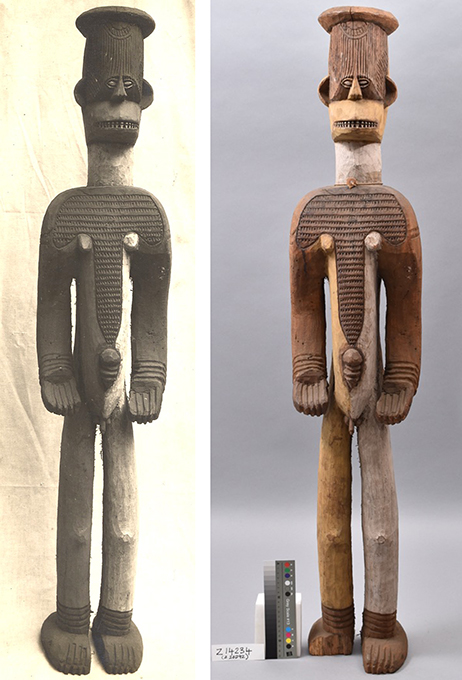
Right: A photo taken by George Agbo in 2018 at the Museum of Archaeology and Anthropology shows the figure with a broken foot. Photo: Re-entanglements
Ngene is more than an ancestral spirit; it is a pillar of Igbo identity, protecting families, ensuring justice, and preserving cultural heritage. Whether as Ngene Mmili or Ngene Ndị Ichie, this spirit embodies the Igbo values of unity, respect for ancestors, and harmony with nature. Despite challenges from modernisation, Ngene’s influence endures in Igbo communities, reminding us of the enduring power of Ọdịnana. By honouring Ngene and educating future generations, Igbo people can ensure that this guardian spirit continues to guide and protect their families.
Sources and references
- Dibia Nwangwu Uchendu. (2023, August 26). Ngene: Ancestral Spirit and Protector.
- Re :Entanglements . (n.d.). Ngene (Monologue 4) . Re-entanglements project.
Cite this article
Idenze Ezeme. “Ngene: The Guardian Spirit of Igbo Families.” Ozikoro, 2025. https://ozikoro.com/ngene-the-guardian-spirit-of-igbo-families/Discussion
Sign in to join the discussion
Comments are checked by an editor before they appear. Leave a source or a correction and it is read first.
Continue reading
Related histories
 Cultural HeritageEleven Days of Nwafor Ogidi: Inside the Festival Keeping an Old Igbo Tradition AliveRead history →
 Cultural HeritageIli Ji Nkpor Obododike: The Indigenous Agricultural Ritual CycleRead history →
 Cultural HeritageMusic and Drum Traditions: Tracing the “Igbo Drum” in the AmericasRead history →
No comments yet
Nothing has been approved on this record yet. Comments are checked by an editor before they appear, so one written now shows on this page after that check.