 Ozikoro
Biography · Published history
Ngozi Okonjo-Iweala: Igbo Woman, Global Leader
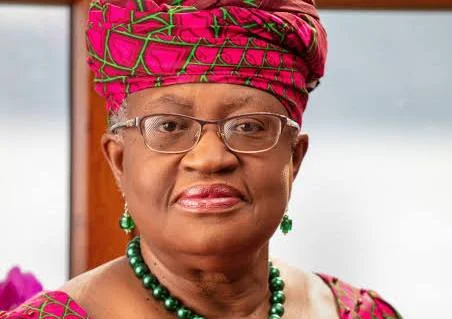
In the quiet town of Ogwashi-Ukwu, nestled within the rich cultural soil of Delta State, a girl was born who would one day hold the world’s attention. Her name, Ngozi, means “blessing” in Igbo; a fitting prophecy for a life that would uplift millions. Born on June 13, 1954, to Professor Chukwuka Okonjo, the Obi of Ogwashi-Ukwu, and Professor Kamene Okonjo, Nigeria’s first female sociology professor, she was raised in an environment that valued education and service.
The written record
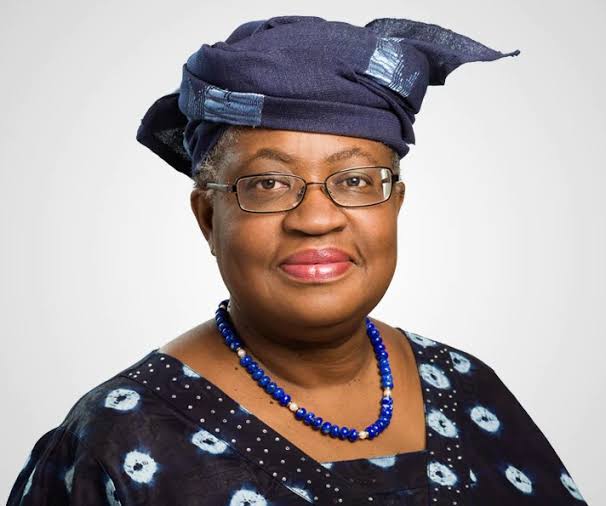
From an early age, Ngozi absorbed the Igbo adage, “Ebe onye dara ka chi ya kwaturu ya” (Where one falls is where one’s god lifts them up). It became a philosophy of resilience for her. Her childhood, touched by the Nigerian Civil War, taught her endurance and the power of identity. Even as her family faced displacement, young Ngozi’s curiosity remained alive; she wanted to know how societies rebuild after conflict.
Historical context
Academic Brilliance and a Calling Beyond Borders
Ngozi’s brilliance soon took her beyond the shores of Nigeria. She earned her Bachelor’s degree in Economics from Harvard University in 1976 and later, a PhD from the Massachusetts Institute of Technology (MIT) in 1981. Her education was not merely a personal triumph, but a fulfilment of the Igbo belief that “Ihe onye metere ka o jiri n’aka ya” (One’s achievement is the result of one’s own hands).
At Harvard, she was more than a student; she was an ambassador of African intellect. At MIT, her dissertation focused on development economics, a field she would later transform through action. Her studies were grounded in her Igbo upbringing; she viewed wealth not just in monetary terms, but as the capacity to improve community well-being.
A Servant Leader: Reforming Nigeria’s Economy
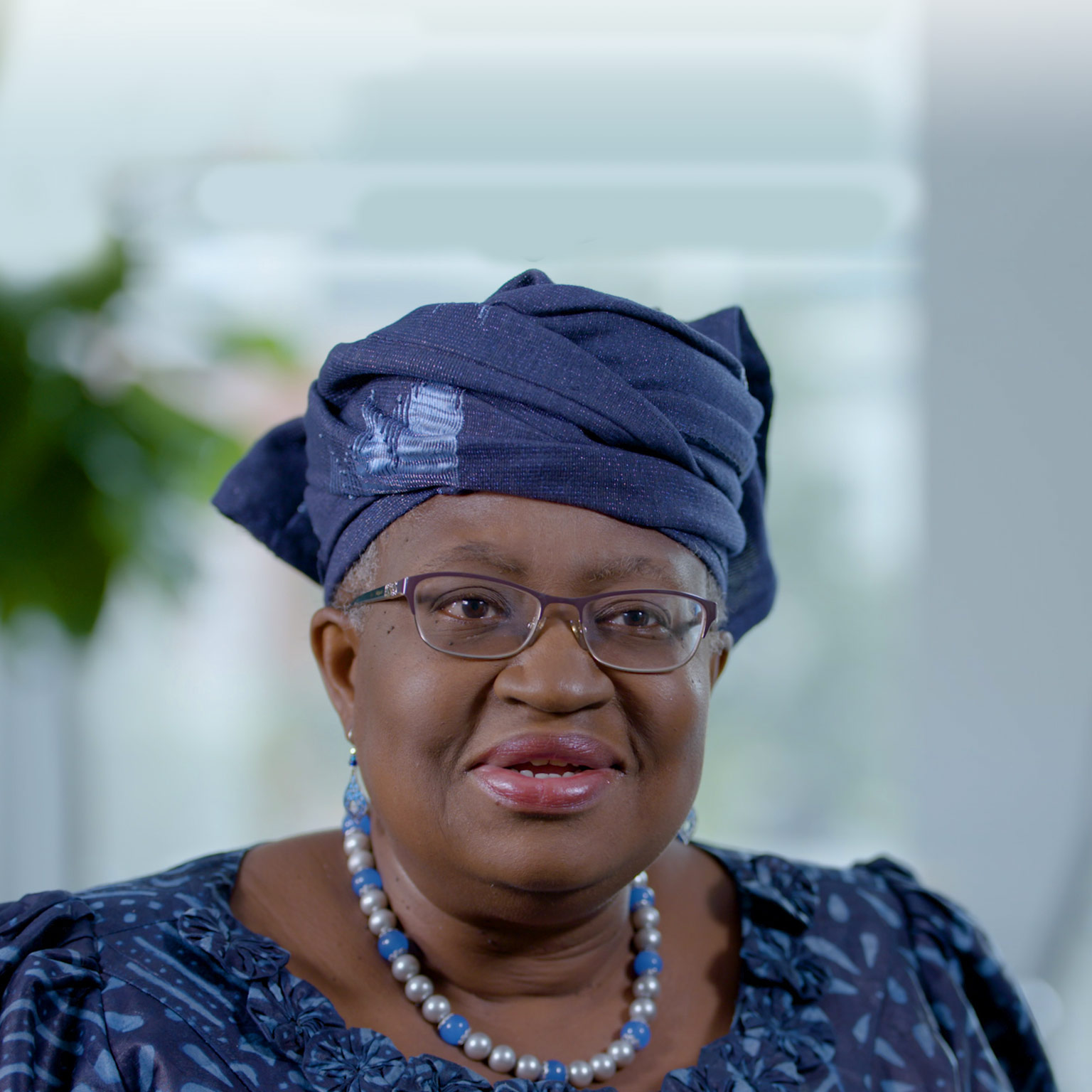
Returning to Nigeria, Dr Okonjo-Iweala joined the World Bank, where she rose through the ranks to become Managing Director, overseeing portfolios worth billions of dollars. Yet, her heart remained tied to Nigeria. She returned to serve as Minister of Finance under Presidents Olusegun Obasanjo and Goodluck Jonathan.
During her tenure, she implemented groundbreaking economic reforms, introduced transparency in governance, and negotiated Nigeria’s $18 billion debt relief with the Paris Club in 2005, a feat that restored fiscal dignity to the nation. Her leadership reflected the Igbo virtue of “ịrụ ọrụ nke ọma” (working diligently and with integrity). She championed initiatives to curb corruption and strengthen national reserves. Many Nigerians saw in her a rare blend of firmness and compassion; a true nwanyi Igbo (Igbo woman) who wielded power not with arrogance but with purpose.
From the Niger to Geneva: A Global Trailblazer
In March 2021, Ngozi Okonjo-Iweala became the Director-General of the World Trade Organisation (WTO), making history as both the first woman and the first African to hold that position. Her appointment was not just a personal achievement; it was a statement about the strength of African and Igbo identity in the global arena.
She brought to the WTO a vision rooted in equity and shared prosperity. In her inaugural speech, she declared, “Trade must work for everyone, everywhere.” Behind that message was the Igbo worldview that community and collaboration sustain progress. The world soon recognised her distinct leadership style: pragmatic, maternal, yet unyielding. Under her watch, the WTO began addressing vaccine inequality and global trade fairness during the post-pandemic recovery. The global stage had gained not just an economist, but a conscience.
Cultural Identity and Feminine Strength
Though she operates in global spaces, Ngozi Okonjo-Iweala’s Igbo identity remains central to her being. She proudly wears the isi-agu fabric and beads of her homeland. She speaks fondly of her childhood market experiences and of her mother’s lessons in resilience.
In every forum, she demonstrates the Igbo saying, “Nwanyi bu ife” (A woman is light). She lights paths for others, especially African women in leadership. As a mother of four and grandmother, she proves that professional success and family life are not opposing worlds but complementary realms.
Her calm demeanour often conceals an inner steel forged by her roots. As her father taught her, “Ọkpụkpụ mmadụ anaghị agba n’efu” (One’s backbone is not easily broken). It is this inner fortitude that enabled her to withstand political pressures, gender bias, and the weight of global scrutiny.
The Legacy of a Modern Igbo Leader
Ngozi Okonjo-Iweala stands today as a symbol of possibility for millions across Africa and beyond. Her story bridges the local and the global; tradition and modernity; womanhood and leadership. Through her, the world sees that the Igbo spirit of ụtụ ọha (public service) can thrive even in international institutions.
She continues to mentor young African leaders and advocates for inclusive economic growth. Her speeches echo not only economic theories but moral wisdom, that progress is meaningless unless it uplifts the vulnerable. As she often remarks, “We cannot change the world if we do not first believe we can.” In that belief lies the same faith that fueled the ancient Igbo farmers who tilled the red earth of Ala Igbo with hope.
Proverbial Wisdom
Her life embodies an Igbo proverb: “O ji aka na-eme nwaanyi ji ụwa” (She who works hard holds the world). In her hands, the world has indeed found both vision and grace. From the riverbanks of Ogwashi-Ukwu to the negotiation halls of Geneva, Dr Ngozi Okonjo-Iweala has shown that identity is not a limitation, but a foundation. She is Igbo by birth, global by impact, and timeless in her leadership.
Sources and references
- African Media Agency. (2024). Dr Ngozi Okonjo-Iweala headlines African Business Stories Roundtable on mobilizing diaspora investment for Africa’s growth. Retrieved from https://africanmediaagency.com
- AI for Good. (n.d.). Ngozi Okonjo-Iweala. Retrieved from https://aiforgood.itu.int/speaker/ngozi-okonjo-iweala/
- Biography.IgboPeople.org. (n.d.). Ngozi Okonjo-Iweala. Retrieved from https://biography.igbopeople.org/biography/ngozi-okonjo-iweala/
- Wikipedia. (2024). Ngozi Okonjo-Iweala. Retrieved from https://en.wikipedia.org/wiki/Ngozi_Okonjo-Iweala
Cite this article
Discussion
Sign in to join the discussion
Comments are checked by an editor before they appear. Leave a source or a correction and it is read first.
Continue reading
No comments yet
Nothing has been approved on this record yet. Comments are checked by an editor before they appear, so one written now shows on this page after that check.