 Ozikoro
 Biography · Published history
Nkem Owoh – Life and Legacy

Nkem Owoh is one of the most celebrated figures in the history of Nigerian cinema. Popularly known by his stage name “Osuofia,” he is a Nigerian actor, comedian, singer, and scriptwriter whose contributions have significantly shaped the growth of Nollywood. Through his humorous performances, memorable characters, and satirical storytelling, Owoh has entertained audiences across Nigeria, Africa, and the global diaspora. His career, which began in the late 1970s, has produced numerous iconic roles that blend comedy with social commentary. Today, he is widely regarded as one of the most influential comic actors in African cinema and a cultural figure whose legacy continues to inspire generations of actors and filmmakers.
The written record
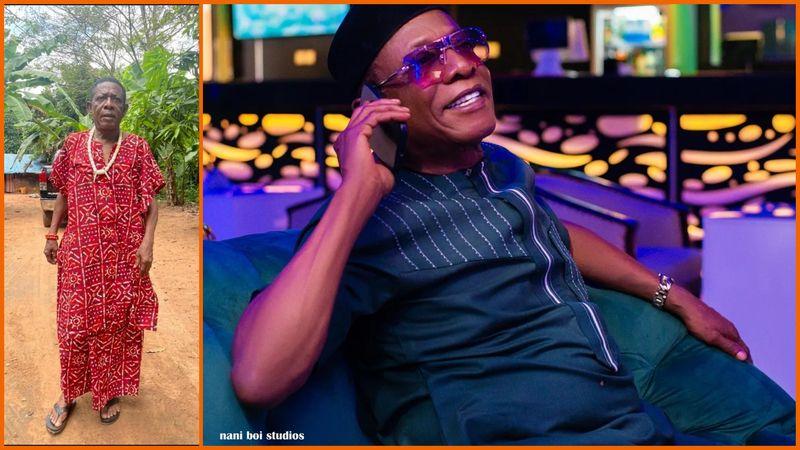 Celebrating the career of the legendary Nkem Owoh.
Photo Credit: @osoufia_nkeowoha
Historical context
Early Life and Education
Nkem Owoh was born on 7 February 1958 in Amagu Village, Udi Town, in present-day Enugu State, Nigeria. He grew up in the Nsukka area where he completed his primary and secondary education. From an early age, Owoh demonstrated an interest in performing arts, often participating in school dramas and stage performances. Despite his passion for acting, Owoh initially pursued a more conventional career path. He studied engineering at the Federal University of Agriculture, Abeokuta, where he earned a degree in engineering. While in university, he continued to participate in theatre productions and television performances, gradually developing the acting skills that would later define his career.
After completing his studies and national youth service, Owoh briefly worked as an engineer. However, his interest in entertainment proved stronger than his engineering career. His decision to pursue acting eventually marked the beginning of a remarkable journey in Nigerian film and television.
Early Career in Television and Writing
Nkem Owoh’s professional journey in entertainment began when he joined the Nigerian Television Authority (NTA) as a writer. At NTA, he contributed scripts to some of the most influential Nigerian television programs of the time, including the popular sitcoms The New Masquerade and Basi and Company, the latter created by writer and environmental activist Ken Saro-Wiwa. His work in television writing allowed him to gain valuable experience in storytelling and production. During this period, he also began acting in small television roles. One of his earliest acting opportunities came when he filled in for an absent actor in The New Masquerade, playing the role of a drunkard. This unexpected performance revealed his natural comedic ability and opened the door to a full-time acting career.

Rise in Nollywood
The emergence of Nollywood in the early 1990s provided new opportunities for actors like Nkem Owoh. After working behind the scenes in television, he gradually moved into film acting. His involvement in early Nollywood productions helped establish his reputation as a talented comedic actor.
One of his early film contributions involved working on the Igbo-language movie Living in Bondage, a film widely regarded as one of the works that launched the modern Nollywood industry. Although he initially worked on subtitling the movie, the project helped introduce him to the rapidly growing film industry. Following this experience, Owoh appeared in several films, including Circle of Doom and Taboo, which further established his reputation among producers and directors. His ability to combine humor with cultural storytelling quickly made him a sought-after actor in Nollywood productions.
The Creation of “Osuofia”
Nkem Owoh’s most famous character is Osuofia, a humorous village man whose simple outlook and exaggerated personality create comedic situations. The character first appeared in the film Ikuku (1995), written and produced by Owoh himself. In the movie, he portrayed a humorous drunkard whose antics captivated audiences and quickly made him a popular figure in Nigerian cinema.
However, it was the release of Osuofia in London (2003) that transformed Owoh into an international star. The film tells the story of a rural Nigerian villager who unexpectedly inherits property in London and travels abroad, leading to numerous comedic misunderstandings. The movie became one of the most commercially successful Nollywood films and helped introduce Nigerian comedy to a global audience. The success of the film led to a sequel, Osuofia in London 2 (2004), further cementing Owoh’s reputation as one of Nollywood’s leading comedic actors.
Music Career and Social Commentary
In addition to acting, Nkem Owoh also ventured into music. One of his most famous songs, “I Go Chop Your Dollar” (2005), became widely popular across Africa. The song humorously addressed the issue of internet fraud, commonly known as “419 scams,” through satire and comedic storytelling.
Despite its popularity, the song was controversial and was reportedly banned by Nigerian broadcasting authorities because of concerns that it might appear to promote fraudulent activities. Nevertheless, the song remains one of the most memorable comedic musical pieces in Nigerian entertainment history.
Awards and Recognition
Over the course of his career, Nkem Owoh has received numerous awards and honors. In 2008, he won the Africa Movie Academy Award (AMAA) for Best Actor in a Leading Role for his performance in the film Stronger than Pain. This recognition highlighted his versatility as an actor capable of performing both comedic and dramatic roles.
In 2017, he received the AMAA Lifetime Achievement Award, recognizing his long-standing contributions to African cinema and his role in shaping the Nollywood industry. In addition to these awards, Owoh has been a brand ambassador for several companies, including telecommunications giant MTN, reflecting his popularity and influence in Nigerian popular culture.
Personal Life and Challenges
Nkem Owoh is married to Ngozi Nkem Owoh, and the couple has two daughters. Although he maintains a relatively private personal life, his family has occasionally been mentioned in the media.
In 2009, Owoh experienced a traumatic event when he was kidnapped in eastern Nigeria by criminals who demanded a ransom. He was eventually released after negotiations, highlighting the security challenges faced by public figures in the country. In 2023, the actor suffered a personal tragedy with the death of one of his daughters after an illness. The incident attracted widespread sympathy from fans and colleagues across the Nigerian entertainment industry.
Legacy
Nkem Owoh’s legacy lies in his unique ability to combine comedy, satire, and cultural storytelling. His characters often represent ordinary Nigerians navigating social and economic challenges, which makes his performances relatable and widely appreciated. Through films like Osuofia in London, Owoh helped expand Nollywood’s reach beyond Nigeria, contributing to the international recognition of African cinema. His acting style, characterized by expressive humor and improvisation, has influenced many younger actors and comedians in the industry. Today, he is widely considered one of the most respected figures in Nollywood and a pioneer of Nigerian cinematic comedy. His career demonstrates how entertainment can serve not only as a source of laughter but also as a medium for cultural expression and social reflection.
Nkem Owoh’s life and career represent the growth and transformation of the Nigerian entertainment industry. From his early days as a television writer to becoming one of Nollywood’s most iconic comedic actors, his contributions have left a lasting impact on African cinema. Through memorable characters like Osuofia and his dedication to storytelling, Owoh has entertained millions while shaping the identity of Nigerian film and comedy. His legacy continues to inspire new generations of actors and filmmakers, ensuring that his influence on Nollywood will endure for many years to come.
Sources and references
- African Movie Database. (2024). “Nkem Owoh.”
- Igbo Genealogy and Biographies. (2023). “Kosisochukwu Nkem-Owoh (1999–2023).”
- TheCable Lifestyle. (2025). “Nkem ‘Osuofia’ Owoh turns 70.”
- TheRadar. (2024). “Osuofia at 70: Celebrating Nkem Owoh’s enduring legacy.”
Cite this article
Discussion
Sign in to join the discussion
Comments are checked by an editor before they appear. Leave a source or a correction and it is read first.
Continue reading
No comments yet
Nothing has been approved on this record yet. Comments are checked by an editor before they appear, so one written now shows on this page after that check.